 プリントを購入
 シェアする
シェアする シェアする
シェアする
 詳細を見る
詳細を見る

 ダウンロード
 似ている作品
 スライドショー
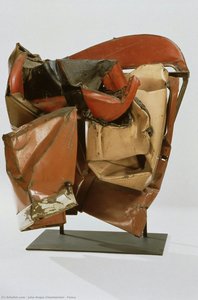
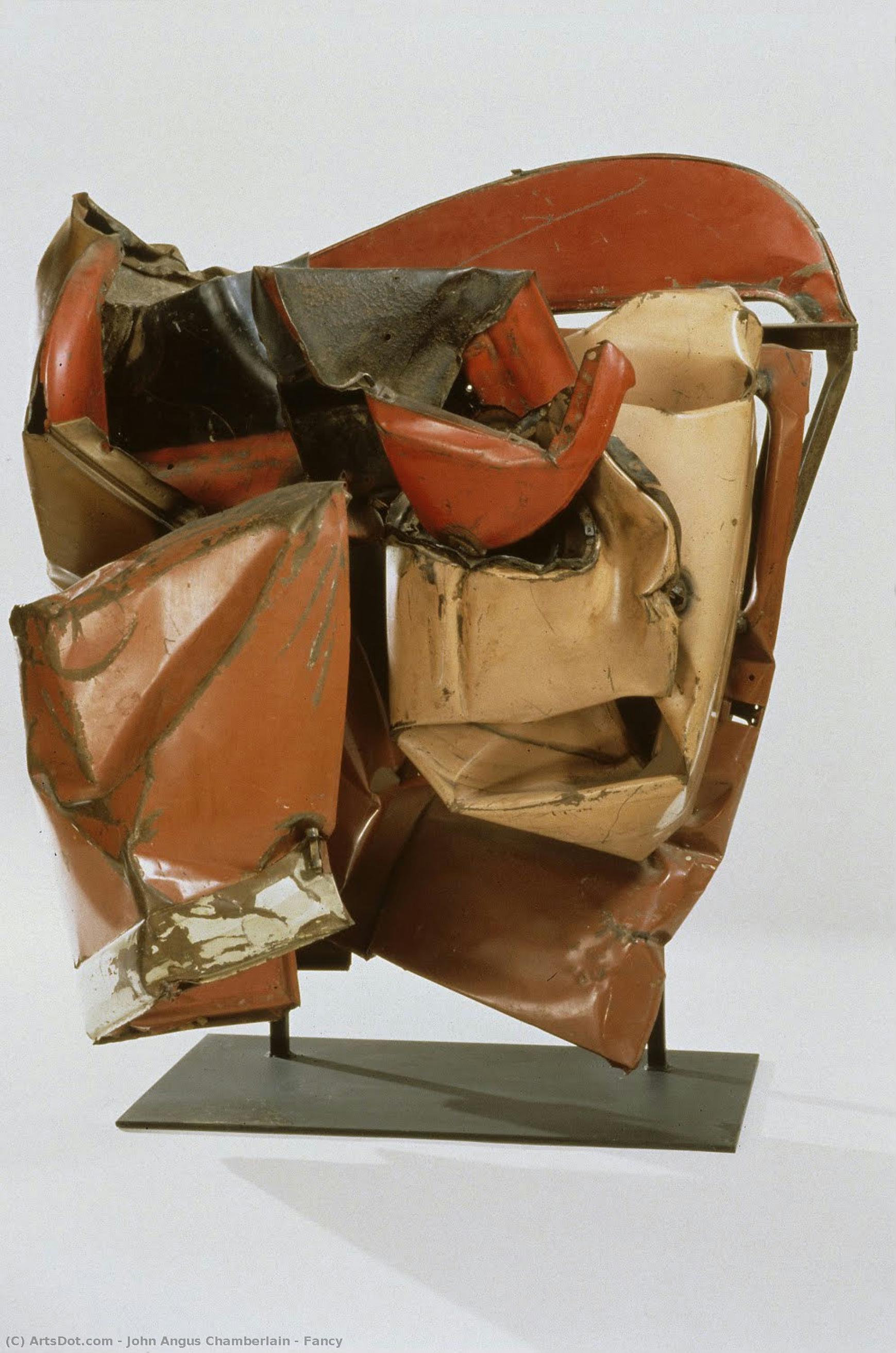
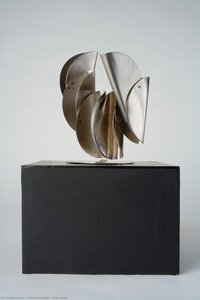
Fancy が日本語に翻訳されたタイトルは「ファンシー」です。
 ブロンズ彫刻
- Neo-Dada
 133.0 x 114.0 cm
 Chrysler Museum of Art
 詳細を見る
詳細を見る




































作品のオリジナル比率に合わせた、当店の規定サイズからお選びください。

特定のフレームやスペースに合わせて、ご希望のサイズをご入力いただけます。選択されたサイズが元の画像の比率と異なる場合、アートワークをトリミングするか、手描きで要素を追加して絵画を拡張いたします。デジタルモックアップ を制作し、制作開始前にご確認(承認)をいただきます。
画面上のプレビューは、実際のトリミングや拡張を正確に反映しているものではありません。最終的な構図は、モックアップによってのみ正確にご確認いただけます。
カスタムサイズもご利用いただけますが、元の比率を維持するためには、あらかじめ用意されたリストからサイズを選択することをお勧めいたします。
ご注文後、ArtsDot.com チームより詳細な指示をお送りするとともに、仕上がりイメージ(モックアップ)をご提供いたします。


 ガラスオプションは、110cm未満のサイズでのみご利用いただけます。

Fancy が日本語に翻訳されたタイトルは「ファンシー」です。
複製技法
複製画のサイズ
-


合計金額
$ 263
ジョン・アンガス・チャמברレイン:抽象表現主義の遺産を継ぐ彫刻家
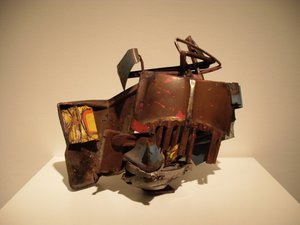
ジョン・アンガス・チャמברレインは、自動車部品を驚くべき方法で転換させ、抽象表現主義の精神を体現する芸術作品を生み出したアメリカの彫刻家として知られています。彼は特に、廃棄された自動車部品を溶接や叩き潰して巨大な彫像に作り変えることで、美術界に衝撃を与えました。この革新的なアプローチは、マルセル・デュシャンが確立した「レディメイド」という概念にも影響を与え、彫刻と絵画の境界線を曖昧にし、芸術表現の新たな可能性を切り開きました。 ロチェスター、インディアナ生まれのチャמברレインは幼少期に彫刻と金属加工への情熱を抱き始めました。彼はプリット・インスティテュートで美術訓練を受け、同じく新しい芸術的フロンティアを探求するアーティストたちと共にスキルを磨きました。彼の独特なスタイルは、ダダ運動における重要なイノベーターの一人として認められ、特に彼の作品は自動車部品の素材的な質と、それらを組み合わせた構成が特徴です。この手法は単なる技術的な工夫ではなく、物質的な限界に挑戦し、芸術家の創造性を刺激するものでした。 初期のキャリアにおいて彼は金属彫刻を追求し続けながら、さまざまな技法を試行錯誤しました。彼の作品はしばしば自動車部品や他の工業製品を組み合わせたものであり、これらの素材を新しい視点から捉え直すことで、従来の彫刻表現に挑戦しています。特に彼の代表作である「ショートストップ」は、自動車部品を叩き潰して組み立てられたシンプルな形状ながらも、その質感と構造が印象的な作品として評価されています。この作品は、チャמברレインの芸術哲学を象徴しており、彼は素材の持つ可能性を最大限に引き出すことで、彫刻における新たな表現方法を探求しました。 彼の作品は抽象表現主義の影響を受けながらも、独自のスタイルを確立しています。「ショートストップ」のような作品は、自動車部品を叩き潰して組み立てられたものであり、その表面にはさまざまな傷やひび割れが見られます。これらの傷は単なる欠陥ではなく、素材の歴史と変容プロセスを物語っています。チャמברレインはこれらの傷を積極的に取り入れ、彫像に独特の質感と表情を与え、見る人に感動と驚きをもたらしました。彼は自動車部品を叩き潰すという行為自体が、物質的な限界に対する挑戦であり、芸術家の創造性を刺激するものでした。 さらに彼の作品は、ダダ運動における「レディメイド」という概念にも影響を受けました。「ショートストップ」のような作品は、日常的な工業製品をそのまま彫像として提示することで、美術界に衝撃を与え、芸術表現の新たな可能性を切り開きました。彼は自動車部品を叩き潰すという行為自体が、物質的な限界に対する挑戦であり、芸術家の創造性を刺激するものでした。チャמברレインの作品は、抽象表現主義とダダ運動の両方の思想を受け継ぎながらも、独自のスタイルで美術界に新たな感動を与え続けています。彼の彫像は単なる素材の組み合わせではなく、芸術家の哲学と情熱が込められた作品として評価されています。関連作品



アーティストの略歴
The Alchemist of Automobilia: The Life and Legacy of John Angus Chamberlain
In the intersection of industrial decay and high art, few figures loom as large or as provocatively as John Angus Chamberlain. Born in 1927 in Rochester, Indiana, Chamberlain did not merely create sculpture; he orchestrated a metamorphosis of the discarded. To look upon his work is to witness a violent yet poetic dialogue between the mechanical past and the abstract present. He possessed a singular vision that allowed him to see not just rusted scrap, but a vocabulary of form, color, and texture. His journey from the son of a saloonkeeper in the American Midwest to a titan of the Neo-Dada movement is a testament to an unyielding creative impulse that sought to find beauty within the crushed and the broken.
Chamberlain’s artistic consciousness was forged through a diverse and rigorous educational odyssey. After serving in the United States Navy during the pivotal years of World War II, he utilized the GI Bill to immerse himself in the burgeoning avant-garde scenes of America. His time at the Art Institute of of Chicago provided him with a foundational mastery of form, but it was his tenure at the legendary Black Mountain College that truly expanded his intellectual horizons. At Black Mountain, he moved beyond the purely visual, studying under influential poets such as Charles Olson and Robert Creeley. This literary immersion profoundly shaped his sculptural language; he famously viewed his collection of automotive fragments as a reservoir of words, where the act of welding was akin to composing a stanza, seeking the perfect placement of one jagged edge against another to achieve a rhythmic, poetic resonance.
A Symphony of Steel and Spontaneity
The hallmark of Chamberlain’s oeuvre lies in his revolutionary technique of assemblage. While many of his contemporaries were exploring the flat planes of Abstract Expressionist painting, Chamberlain sought to bring that same gestural energy into three-dimensional space. He became a master of the "crushed" aesthetic, meticulously dismantling abandoned automobiles and extracting their vibrant, enamel-coated metal components. Through the intense processes of welding, bending, and compressing, he transformed these industrial remnants into monumental forms that pulsed with an almost organic vitality.
His work defies easy categorization, existing in a fluid state between several major movements:
- Abstract Expressionism: He translated the spontaneous, emotional brushstrokes of painters like Pollock into the physical manipulation of steel and chrome.
- Neo-Dada: By utilizing found objects and "readymades" from the industrial age, he challenged the sanctity of traditional sculptural materials like marble or bronze.
- Pop Art: His use of consumerist detritus—the very skin of the American automobile—connected his high-art ambitions to the burgeoning mass culture of the mid-20th century.
There is a palpable tension in his sculptures, a sense of captured motion and compressed energy. The bright flashes of Cadillac red or Chevrolet blue, often peeking through layers of rust and grime, create a chromatic intensity that mirrors the dynamism of urban life. He did not seek to represent the car, but rather to capture the spirit of its movement and the inevitable entropy of its decay.
Historical Significance and the Enduring Pulse of Art
Throughout his prolific career, Chamberlain’s presence was felt across the most significant art hubs of the world, from Manhattan and Los Angeles to Shelter Island and even Belgium. His ability to disrupt the boundaries between sculpture and painting left an indelible mark on the trajectory of modern art. He proved that the debris of the industrial revolution could serve as the medium for a profound spiritual and aesthetic inquiry. Critics often noted that while his materials were cold and hard, the emotional impact of his work was deeply visceral, aiming—as he himself desired—to "make the viewer’s heart beat."
As we reflect on his life, which concluded in 2011, Chamberlain remains a pivotal figure who bridged the gap between the mechanical and the lyrical. He taught us that art is not merely about the creation of something new, but about the radical reimagining of what already exists. His legacy lives on in every artist who looks at the wreckage of the world and sees the potential for a masterpiece, reminding us that even in the crushed and the discarded, there is an eternal, unyielding beauty waiting to be welded back together.
john angus chamberlain
1927 - 2011 , United States of America
基本情報
- Artistic Movement Or Style: Abstract Expressionism
- Artists Or Movements Influenced By This Artist: ['Neo-Dada']
- Artists Who Influenced This Artist:
- Robert Delaunay
- Jean Dubuffet
- Date Of Birth: April 16, 1927
- Date Of Death: December 21, 2011
- Full Name: John Angus Chamberlain
- Nationality: American
- Notable Artworks:
- Fancy
- Sleeping Giant
- Place Of Birth: Rochester, United States
関連記事
抽象表現主義を定義する十大傑作:芸術と装飾の深遠な旅
抽象表現主義を定義する10の傑作。ポロック、ロスコら巨匠たちの情熱と色彩の世界へ。各作品に込められた物語と技法を紐解き、至高のアート体験を。ArtsDot.comで、ミュージアムクオリティの複製画や洗練されたインテリアアイデアを発見してください。

Bronze Sculptures That Defined Art History | ArtsDot
Journey through art history with our Top 10 bronze sculptures! Explore masterpieces by Rodin, Michelangelo & more. Discover stories behind iconic statues and find museum-quality reproductions for your home decor at ArtsDot.com.

ジョン・シンガー・サージェント:至高の25選 - 美と光の肖像画の世界 | ArtsDot
ジョン・シンガー・サージェントの至高の25選。肖像画、写実主義、光と影の表現が美しい作品群を紐解きます。マダムXや少女の肖像など、時代を超えて愛される名作をArtsDotで鑑賞。高品質なアート複製で、お部屋に美術館のような空間を。今すぐコレクションをご覧ください。

ジョン・コンスタブルの傑作25選:英国風景画の巨匠が描く自然と光の詩 | ArtsDot
ジョン・コンスタブルの傑作25選。英国風景画の巨匠が描く自然と光の詩の世界へ。ロマン主義を代表する絵画、デダム・ヴェールやヘイ・ウェインなど、ArtsDotで高品質なアートプリントをお楽しみください。インテリアに深みと感動を。コレクションはこちら。

The Enduring Form: Exploring Themes & Techniques in Sculpture Across Historical Periods
Explore the rich history of sculpture from ancient masterpieces to contemporary innovations. Discover key techniques, influential artists & investment potential for discerning art collectors.