

 プレビュー
プレビュー
 シェアする
シェアする シェアする
シェアする
 詳細を見る
詳細を見る

 ダウンロード
 似ている作品
 X線調査
X線調査 スライドショー
 統計情報
統計情報Death of a Child
 1946
1946 64.0 x 89.0 cm
 Arts Council Collection
 詳細を見る
詳細を見る
手描き油彩複製画
当社のアーティストが、お客様のご希望のサイズと額縁に合わせて、キャンバスに手描きで制作する油彩画です。 ( プリント版に切り替え デジタル画像販売へ切り替え)




































作品のオリジナル比率に合わせた、当店の規定サイズからお選びください。

特定のフレームやスペースに合わせて、ご希望のサイズをご入力いただけます。選択されたサイズが元の画像の比率と異なる場合、アートワークをトリミングするか、手描きで要素を追加して絵画を拡張いたします。デジタルモックアップ を制作し、制作開始前にご確認(承認)をいただきます。
画面上のプレビューは、実際のトリミングや拡張を正確に反映しているものではありません。最終的な構図は、モックアップによってのみ正確にご確認いただけます。
カスタムサイズもご利用いただけますが、元の比率を維持するためには、あらかじめ用意されたリストからサイズを選択することをお勧めいたします。
ご注文後、ArtsDot.com チームより詳細な指示をお送りするとともに、仕上がりイメージ(モックアップ)をご提供いたします。


 ガラスオプションは、110cm未満のサイズでのみご利用いただけます。

Death of a Child
複製技法
複製画のサイズ
-


合計金額
$ 263
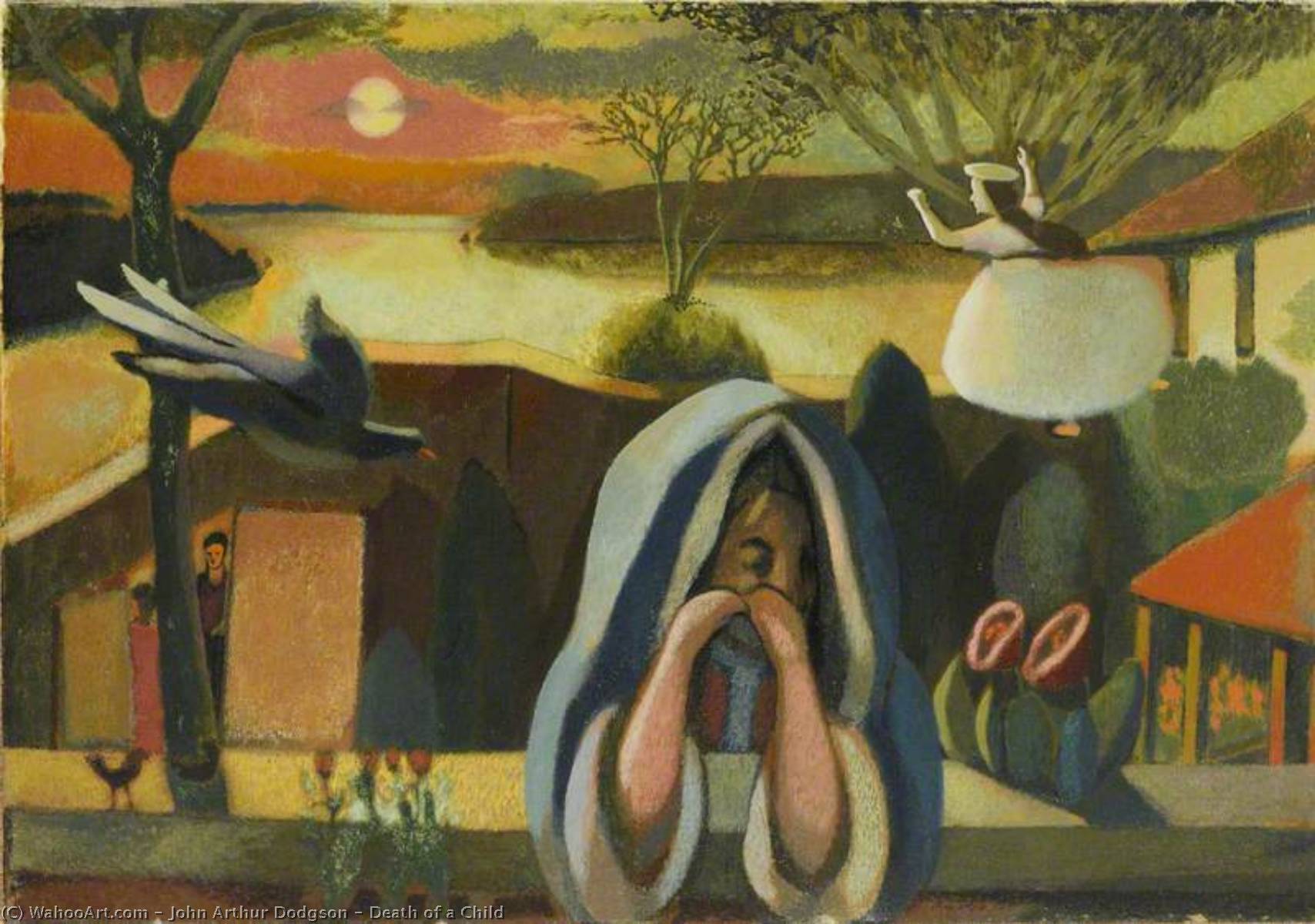
Composition and Symbolism
The painting depicts a woman with her hands covering her face, standing in front of a house. She is wearing a blue veil or shawl that covers her head and shoulders. The scene also includes several birds flying around the area, adding an element of liveliness to the image. The overall atmosphere of the painting appears to be somewhat melancholic or contemplative, with the woman's hands covering her face suggesting a sense of sadness or introspection. Key elements in the painting include the use of color, composition, and symbolism. The blue veil or shawl worn by the woman may represent mourning or sorrow, while the birds flying around the area could symbolize freedom or the soul. The house in the background may represent a sense of security or comfort.Artist and Collection
John Arthur Dodgson was a British artist known for his emotive and expressive paintings. Death of a Child is one of his notable works, showcasing his ability to convey complex emotions through his art. The painting is part of the Arts Council Collection, which features over 8,000 works by more than 2,000 artists. Other notable artists in the collection include Christina Mackie and Graeme Todd.- View more information about the painting on ArtsDot.com
- Learn more about the Arts Council Collection on ArtsDot.com
- Discover more about John Arthur Dodgson and his works on ArtsDot.com
The painting Death of a Child by John Arthur Dodgson is a powerful and moving work that explores the human experience of loss and grief. As part of the Arts Council Collection, it is a significant example of British art and a testament to the enduring power of art to evoke emotions and spark reflection.
関連作品







アーティストの略歴
A Life Shrouded in Melancholy: The Evocative World of John Arthur Dodgson
John Arthur Dodgson (1890-1969) remains a somewhat enigmatic figure within the landscape of British art, yet his poignant works resonate with a quiet power that speaks volumes about grief, loss, and the fragile beauty of childhood. Born in Murree, Punjab, India, to a British family, Dodgson’s early life was steeped in an atmosphere of cultural displacement—a theme that would subtly permeate much of his later artistic output. His formative years were significantly influenced by two key figures: his mother, whose amateur painting sparked an initial interest in the visual arts, and his uncle, Campbell Dodgson, a distinguished Keeper of Prints and Drawings at the British Museum. This familial connection provided young John with early exposure to art history and technique, laying the foundation for his future career. He received formal training at Oxford University before dedicating himself to study at the Slade School of Fine Art from 1913 to 1915 under the tutelage of Henry Tonks, a period that instilled in him a respect for draftsmanship and observation.From Realism to Symbolism: The Development of an Artistic Voice
Dodgson’s artistic journey wasn't defined by adherence to a single style but rather by a compelling evolution. Initially drawn to the realist traditions championed by groups like the Camden Town Group and the Euston Road School, he quickly began to infuse his work with a distinctive symbolist strain. This blending of approaches is particularly evident in his landscapes and figure paintings, which often possess an atmospheric quality that transcends mere representation. He served in the British Army during both World Wars, undertaking a notable commission for the Imperial War Museum during the First World War—a project documenting motor transport troops and German prisoners. While this work provided practical experience, it was after the war that Dodgson truly began to forge his unique artistic identity. A brief period as assistant director at the National Gallery in 1919 was followed by a long commitment to teaching, first at Camberwell School of Arts and Crafts from 1946 to 1950, and then at Chelsea School of Art until 1958. This dedication to education not only shaped the next generation of artists but also allowed him to continually refine his own artistic principles.Themes of Loss and Childhood: A Recurring Poignancy
The core of Dodgson’s artistic power lies in his ability to evoke profound emotional responses through subtle symbolism and evocative imagery. While he explored a range of subjects—landscapes, still lifes, portraits—it is his depictions of grief, loss, and the vulnerability of childhood that remain most striking. His work often features solitary figures, melancholic settings, and a sense of quiet contemplation. The painting Death of a Child, though not widely known in detail from available sources, exemplifies this recurring theme – it’s a piece that encapsulates his ability to portray the raw emotional weight of bereavement with sensitivity and restraint. His modernist still lifes, such as Still Life with Dessert, while seemingly depicting abundance and leisure, often carry an undercurrent of transience and fragility. Even in works like Lucchese, a captivating cityscape rendered in muted tones, there’s a sense of isolation and introspection that speaks to the artist's broader concerns.A Legacy Intertwined with Family: Campbell Dodgson and Beyond
Dodgson’s artistic lineage extends beyond his immediate influences. His uncle, Campbell Dodgson, was a prominent art historian and curator at the British Museum, whose expertise in early modern Flemish and German prints significantly shaped John's understanding of art history. Campbell’s dedication to scholarship and preservation undoubtedly influenced John’s own approach to his craft. While Dodgson actively participated in British artistic circles—exhibiting with the New English Art Club and serving as president of the London Group from 1950 to 1952—his work remained somewhat outside the mainstream, perhaps due to its intensely personal nature. He was a keen collector himself, acquiring works by artists like Pierre Bonnard and Philip Wilson Steer, demonstrating his discerning eye and commitment to supporting fellow creatives. Tragically, much of his own oeuvre was lost in a studio fire in 1964, further obscuring his legacy.Rediscovering Dodgson: A Quiet Voice for Emotional Depth
Despite the loss of many works and a relatively low profile during his lifetime, John Arthur Dodgson’s art continues to captivate those who encounter it. His ability to convey complex emotions with subtlety and restraint sets him apart from many of his contemporaries. His paintings are not bombastic or overtly dramatic; instead, they offer a quiet space for contemplation—a poignant reflection on the human condition. While biographical details remain scarce, the available evidence suggests an artist deeply attuned to the nuances of grief, loss, and the fleeting beauty of life. His work serves as a reminder that true artistic power often lies not in grand gestures but in the ability to connect with viewers on a profoundly emotional level.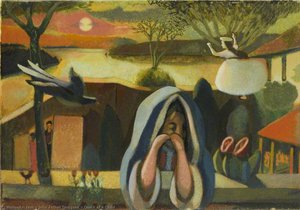
john arthur dodgson
1890 - 1969
基本情報
- Artistic Movement Or Style: Symbolism
- Artists Or Movements Influenced By This Artist: ['Modern Art']
- Artists Who Influenced This Artist: ['Campbell Dodgson']
- Date Of Birth: 1890
- Date Of Death: 1969
- Full Name: John Arthur Dodgson
- Nationality: British
- Notable Artworks:
- Death of a Child
- Berkhampstead Garden
- Still Life with Dessert
- Place Of Birth: Chelsea, London