 プレビュー
プレビュー
 プリントを購入
 シェアする
シェアする シェアする
シェアする
 詳細を見る
詳細を見る

 ダウンロード
 似ている作品
 X線調査
X線調査 スライドショー
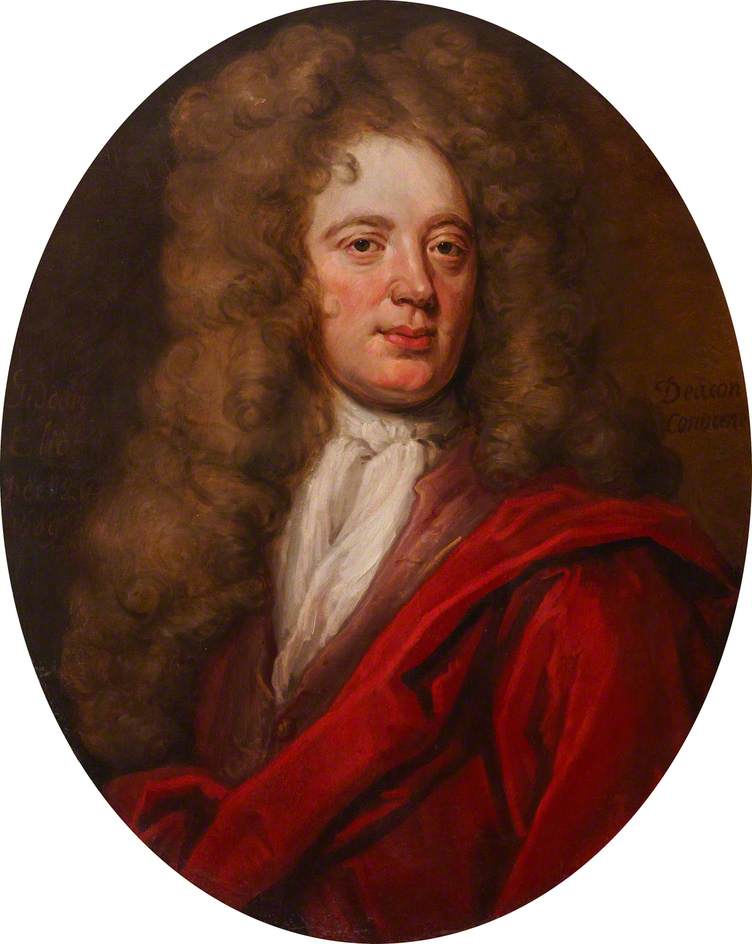
Gideon Eliot (1664–1713), FRCSEd (1689), DRCSEd (1694–1695)
 Oil On Canvas
- WallArt
- Baroque
 1700
1700- Early Modern
 75.0 x 62.0 cm
 エディンバラ王立外科医学院
 詳細を見る
詳細を見る




P118B $10

P118H $10

P118W $10

P438Z $10

P508JH $12

P508YH $12

P805H $10

P805Z $10

P919BZ $10

P919G $10

P919XJ $10

P959ZH $10

P968JZ $12

W106C $8

W218G $10

W218JH $8

W218Y $10

W307PJ $10

W316G $10

W316PJ $8

W316Y $10

W398PJ $8

W4111J $10

W500HY $15

W500JH $15

W692G $12

W849H $8

W940BG $15

W953PJ $8




作品のオリジナル比率に合わせた、当店の規定サイズからお選びください。

特定のフレームやスペースに合わせて、ご希望のサイズをご入力いただけます。選択されたサイズが元の画像の比率と異なる場合、アートワークをトリミングするか、手描きで要素を追加して絵画を拡張いたします。デジタルモックアップ を制作し、制作開始前にご確認(承認)をいただきます。
画面上のプレビューは、実際のトリミングや拡張を正確に反映しているものではありません。最終的な構図は、モックアップによってのみ正確にご確認いただけます。
カスタムサイズもご利用いただけますが、元の比率を維持するためには、あらかじめ用意されたリストからサイズを選択することをお勧めいたします。
ご注文後、ArtsDot.com チームより詳細な指示をお送りするとともに、仕上がりイメージ(モックアップ)をご提供いたします。


 ガラスオプションは、110cm未満のサイズでのみご利用いただけます。

Gideon Eliot (1664–1713), FRCSEd (1689), DRCSEd (1694–1695)
複製技法
複製画のサイズ
-


合計金額
$ 263
A Glimpse into the Baroque Soul
In the quiet dignity of this 1700 masterpiece by John Baptist de Medina, we encounter more than just a likeness; we enter the intimate world of the late seventeenth-century aristocracy. The portrait of Gideon Eliot serves as a profound window into an era defined by grandeur and social stratification. As the eye meets the subject, one is immediately struck by the commanding presence of a man whose very posture radiates the stability and prestige of his station. Rendered in the rich, dramatic language of Baroque portraiture, the painting captures a moment of frozen importance, where every brushstroke serves to elevate the sitter from a mere individual to an icon of historical permanence.
The composition is masterfully centered, focusing our attention on the interplay between light and shadow that characterizes de Medina’s skilled hand. The subject's face, framed by a voluminous, meticulously detailed light-brown wig, emerges from a subtle darkness, a technique known as chiaroscuro that lends an almost sculptural depth to his features. This directional lighting does more than just illuminate; it carves out the contours of his expression, revealing a countenance marked by both intelligence and a certain solemn gravity. The soft, organic curves of his hair contrast beautifully with the structured, heavy folds of his deep red coat, creating a visual rhythm that keeps the viewer’s gaze wandering through the intricate textures of the canvas.
The Artistry of Texture and Tone
To behold this work is to appreciate a masterclass in oil technique. De Medina demonstrates an extraordinary ability to manipulate pigment to simulate the tactile reality of different materials. The heavy, luxurious weight of the crimson fabric is palpable, its deep tones enriched by shadows that suggest the density of fine wool or velvet. Against this warmth, the crisp white of the shirt provides a necessary breath of light, acting as a focal point that draws the eye toward the subject's neck and jawline. The artist’s use of a palette dominated by earthy browns, deep reds, and subtle greys creates a harmonious, somber atmosphere that feels both timeless and grounded.
Beyond the mere representation of clothing, the painting utilizes texture to convey status. The meticulous rendering of the wig—with its individual strands catching the light—and the precise linework defining the folds of the drapery, all speak to a level of craftsmanship intended to impress. For the collector or interior designer, this piece offers a sophisticated textural element that can anchor a room, providing a sense of historical weight and classical elegance. It is a work that does not merely sit upon a wall but commands the space around it, inviting closer inspection of its fine details.
Symbolism and Lasting Legacy
Every element within this portrait is steeped in the symbolic language of the turn of the eighteenth century. The choice of a deep red palette was rarely accidental; it was a color synonymous with power, passion, and high social standing. In the context of Gideon Eliot’s life and his professional distinctions, the painting acts as a visual testament to his achievements and his place within the societal hierarchy. The very act of commissioning such a portrait was an exercise in legacy-building, ensuring that the subject's dignity would endure long after his passing.
For those seeking to incorporate fine art into a contemporary setting, this reproduction offers a bridge to the past. It evokes a sense of nostalgia for an age of formal elegance and intellectual rigor. Whether placed in a study, a library, or a grand hallway, the portrait brings with it an aura of scholarly sophistication and quiet strength. It is not merely a decoration, but an emotional experience—a way to surround oneself with the enduring spirit of the Baroque era and the storied history of one of Scotland's most influential figures.
関連作品





アーティストの略歴
ジョン・バプティスト・デ・メディナ:その生涯と遺産
幼少期と芸術への研鑽
- 誕生とルーツ:サー・ジョン・バプティスト・デ・ミディナは1659年、ブリュッセルにてスペイン軍の大尉の息子として生を受けました。彼の幼少期は、家族が持つ軍人としての規律正しさと、芸術の息吹に満ちたブリュッセルの活気ある環境によって形作られました。
- 芸術教育:彼は当時名高い画家であったフランソワ・デュシャテルに師事し、最初の芸術的訓練を受けました。この基礎的な教育を通じて、彼はバロック美術の真髄と肖像画の極意をその身に刻み込んだのです。
イングランド、そしてスコットランドへの移住
- ロンドン時代(1686年):1686年、デ・メディナはロンドンへと拠点を移し、ドルーリー・レーンに自身のスタジオを構えました。彼はその卓越した肖像画の技術によって、瞬く間に名声を博しました。
- スコットランドにおける庇護:ロンドンに滞在している間も、デ・メディナはスコットランドの人々をモデルとした作品制作に情熱を注いでいました。その後、1688年から1694年頃にかけてエディンバラへと移住し、その後の生涯をこの地で過ごすことになります。彼はメルヴィル伯爵から多大な激励と支援を受けました。
- 政治的繋がり:メルヴィル伯爵の影響力は決定的なものでした。スコットランドの国務大臣であった伯爵の存在により、デ・メレルギーは有力者たちとの接点を得て、数々の重要な依頼を受けることができたのです。
芸術的様式と影響
- バロック肖像画:デ・メディナのスタイルは、バロックの伝統に深く根ざしています。彼の描く肖像画は、写実的な感覚、劇的な光の演出、そして豊潤な色彩を特徴としています。
- 受けた影響:彼はサー・ゴドフリー・ネルナーから多大な影響を受けており、その肖像画の様式を模範としながらも、よりリラックスとした親しみやすいアプローチを独自の魅力として加えました。
- 独特な特徴:デ・メディナは、衣服における鮮やかなブルーやローズレッド、そして重厚な暗い背景を好んで用いました。なお、スタジオの助手たちの関与により、作品の質には多少のばらつきが見られることもあります。
主要な業績と作品群
- サージャンズ・ホールにおける肖像画シリーズ:彼の最も名高い作品は、エディンバラのサージャンズ・ホールに収蔵されている、約30点に及ぶ楕円形の胸像肖像画コレクションです。これらはしばえるネルナーの「キット・キャット・クラブ」シリーズとしばしば比肩されます。
- 『失楽園』の挿絵(1688年):デ・メディナは、ジョン・ミルトンの叙事詩『失楽園』を初めて挿絵で彩った芸術家です。1688年版のために制作された12枚の銅版画は、テキストへの忠実な従順さと、聖書的な図像を用いた想像力豊かな表現において、極めて高い評価を得ています。
- スコットランド貴族の肖像:彼はスコットランドの著名な人物たちの肖像を数多く描き、その生涯を通じてスコットランドにおける第一級の肖像画家としての地位を不動のものにしました。
歴史的意義とレガシー
- 時代を象徴する肖像画家:デ・メディナはキャリアの大部分において、スコットランドの肖像画界でほぼ独占的な地位を築いていました。頭部のみの肖像には5ポンド、半身像には10ポンドという標準的な料金を設定していました。
- 騎士爵の叙任(1706年):1706年、彼は騎士爵を授与されました。これは1707年の合同法成立以前に授けられた、数少ないスコットランド人騎士の一人となりました。
- 後進の育成:デ・メディナは自身の息子だけでなく、次世代を担うスコットランドの主要な肖像画家となるウィリアム・アイクマンをも育て上げました。
- 永続的な影響:同時代の他の画家たちほど国際的に広く知れ渡っているわけではありませんが、デ・メディナの作品は、17世紀のスコットランド社会と芸術の実践を知る上で、極めて貴重な洞察を与えてくれるのです。
晩年と埋葬
- 最期の日々:ジョン・バプティスト・デ・メディナは、1710年10月5日、エディンバラにてその生涯を閉じました。
- 埋葬地:彼はエディンバラのグレイフライアーズ・キルヤードにある、北側へと続く階段付近の堅牢な密閉された霊廟に埋葬されました。

ジョン・バプティスト・デ・メディナ
1659 - 1710 , ベルギー
基本情報
- Influenced: ウィリアム・エイクマン
- Movement: バロック
- Name: ジョン・バプティスト・デ・メディナ
- Nationality: フランドル・スペイン
関連記事

ゴヤ傑作25選:スペインの魂を揺さぶる、深遠な芸術の世界 | ArtsDot
ゴヤ傑作25選:ロマン主義を代表するスペインの巨匠、フランシスコ・デ・ゴヤの世界へ。黒衣の女からマハまで、魂を揺さぶる絵画の物語と技法を紐解きます。ArtsDotで高品質なアートレプリカを見つけ、インテリアに深みと風格を。今すぐコレクションをご覧ください。
ジョン・シンガー・サージェント:至高の25選 - 美と光の肖像画の世界 | ArtsDot
ジョン・シンガー・サージェントの至高の25選。肖像画、写実主義、光と影の表現が美しい作品群を紐解きます。マダムXや少女の肖像など、時代を超えて愛される名作をArtsDotで鑑賞。高品質なアート複製で、お部屋に美術館のような空間を。今すぐコレクションをご覧ください。

ジョン・コンスタブルの傑作25選:英国風景画の巨匠が描く自然と光の詩 | ArtsDot
ジョン・コンスタブルの傑作25選。英国風景画の巨匠が描く自然と光の詩の世界へ。ロマン主義を代表する絵画、デダム・ヴェールやヘイ・ウェインなど、ArtsDotで高品質なアートプリントをお楽しみください。インテリアに深みと感動を。コレクションはこちら。
Decoding Baroque Grandeur: A Guide to the Drama and Emotion of 17th-Century Art
Explore the breathtaking drama of 17th-century Baroque art. Our expert guide decodes the use of chiaroscuro, emotional intensity, and historical grandeur to help you appreciate and curate timeless masterpieces for your collection.