

 プレビュー
プレビュー
 シェアする
シェアする シェアする
シェアする
 詳細を見る
詳細を見る

 ダウンロード
 似ている作品
 X線調査
X線調査 スライドショー
 統計情報
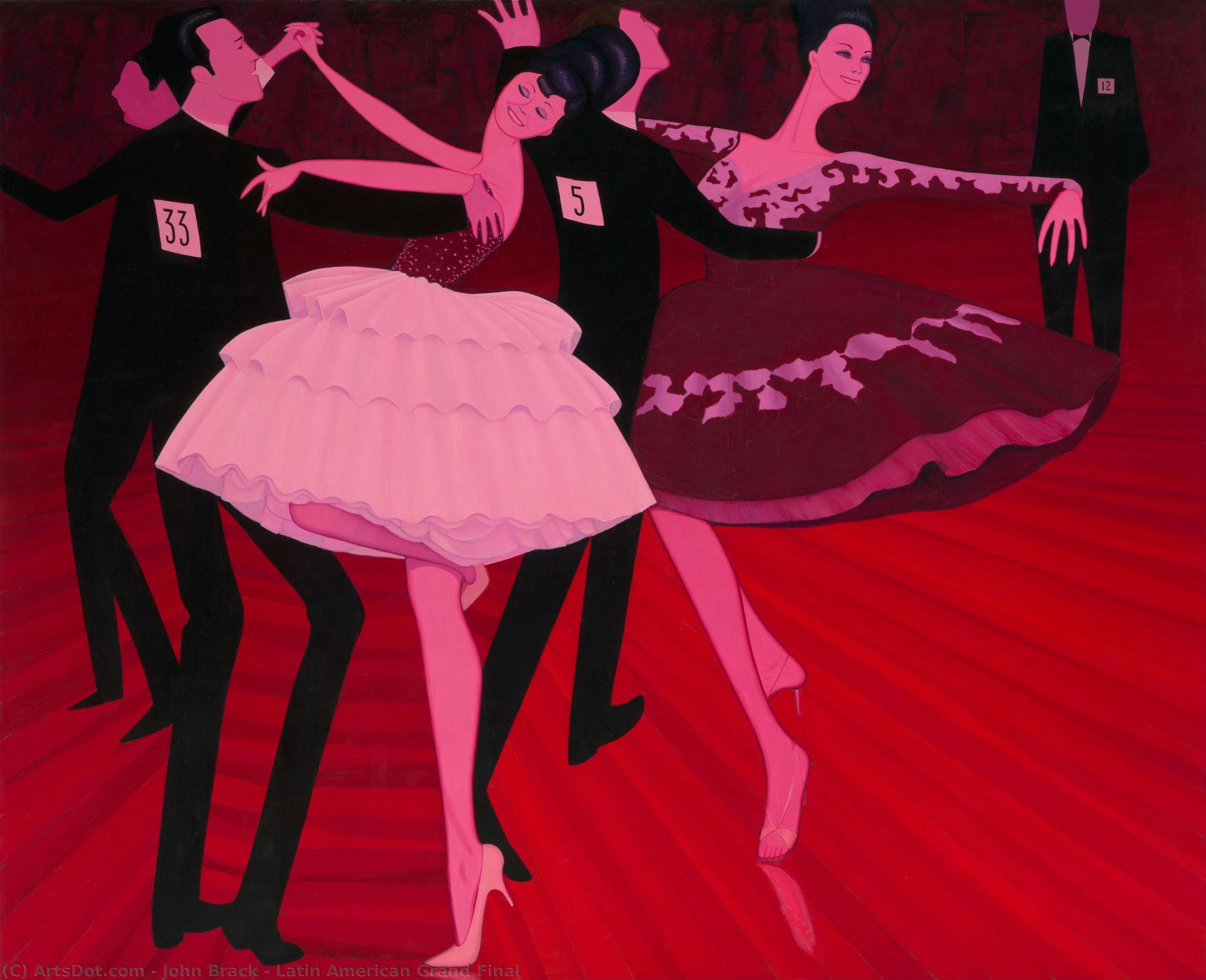
統計情報Latin American Grand Final
 Acrylic On Canvas
- WallArt
- Contemporary Realism
 1969
1969- Modern
 2050.0 x 1675.0 cm
 オーストラリア国立美術館
 詳細を見る
詳細を見る
ジークレー/アートプリント
迅速な制作と多彩な仕上げオプションを備えた、ミュージアムクオリティのジークレーまたはキャンバスプリント。 ( 手描きの絵画を購入 デジタル画像販売へ切り替え)




P118B $10

P118H $10

P118W $10

P438Z $10

P508JH $12

P508YH $12

P805H $10

P805Z $10

P919BZ $10

P919G $10

P919XJ $10

P959ZH $10

P968JZ $12

W106C $8

W218G $10

W218JH $8

W218Y $10

W307PJ $10

W316G $10

W316PJ $8

W316Y $10

W398PJ $8

W4111J $10

W500HY $15

W500JH $15

W692G $12

W849H $8

W940BG $15

W953PJ $8




作品のオリジナル比率に合わせた、当店の規定サイズからお選びください。

特定のフレームやスペースに合わせて、ご自身でサイズを指定することも可能です。選択されたサイズが元の画像の比率と一致しない場合、作品をトリミングするか、鏡面反射または単色での塗りつぶしによって画像を拡張いたします。制作を開始する前に、ご確認用のデジタルモックアップをお送りいたします。
画面上のプレビューには、実際のトリミングや拡張は反映されませんのでご注意ください。最終的な構図を正確に確認できるのは、モックアップのみとなります。
カスタムサイズも承っておりますが、元の比率を維持するためには、あらかじめ用意されたリストからサイズを選択することをお勧めいたします。


 ガラスオプションは、110cm未満のサイズでのみご利用いただけます。

Latin American Grand Final
ジークレー/アートプリント
複製画のサイズ
-


合計金額
$ 62
Latin American Grand Final - John Brack
John Brack (1920-1999) was born in Melbourne, Australia, marking the beginning of an artistic journey that would solidify his place as one of Australia’s most distinctive voices in modern art. Embracing painting from a young age—inspired by poetry and fuelled by a keen observation of human experience—Brack established himself within the Antipodeans group, a collective dedicated to exploring the complexities of Australian identity through figurative representation. This commitment to portraying everyday life with unflinching honesty would become a hallmark of his oeuvre. The 1960s witnessed Brack’s experimentation with diverse subjects and mediums, primarily focusing on series paintings and drawings that delved into themes of urban existence, social commentary, and psychological introspection. Notably, he investigated the schoolyard environment, capturing the quiet dramas unfolding amongst children—a motif that resonated deeply with his own formative years. Similarly, his wedding series explored the anxieties and joys inherent in commitment, while his shopfront series scrutinized the mundane rituals of daily life within the Australian cityscape. Each endeavor was imbued with layers of meaning, reflecting Brack’s profound engagement with the human condition. A pivotal moment arrived in 1967 when Brack attended the World Ballroom Dancing Championships held at Melbourne's Festival Hall. This event served as a catalyst for his artistic exploration into the realm of performance and ritual—a fascination rooted in the paradoxical transformation of natural activity into formalized competition. As he eloquently described, “People who convert a natural activity, such as dance, into a demanding and challenging ritual.” The resulting painting, *Latin American Grand Final*, encapsulates this conceptual core with remarkable precision. The artwork itself is a black and white depiction of a ballet performance featuring several dancers on stage. Brack’s meticulous attention to detail—evident in his extensive photographic documentation of the championships—translated directly into the canvas. He captured the dynamism of movement, the subtle expressions of emotion, and the palpable tension between performers and judges. The composition prioritizes the female lead dancer who executes a high kick mid-air, positioned centrally against a backdrop of elegantly draped costumes and shimmering spotlights. This gesture embodies both technical prowess and vulnerability—a deliberate juxtaposition that underscores Brack’s broader thematic concerns. Beyond its visual representation, *Latin American Grand Final* operates on multiple levels of interpretation. It serves as an illustration of the championship event itself, documenting the atmosphere and competitive pressures surrounding the performance. Simultaneously, it delves into the psychological landscape of the dancers—examining their masks of composure and striving to maintain a façade of joy amidst the anxieties inherent in the contest. Brack’s masterful use of tonal gradation—characterized by sharp contrasts between light and dark—creates an immersive experience for the viewer, mirroring the intensity of the ballroom dance ritual itself. As Lara Nicholls aptly noted, “Brack uses dance as a metaphor for life,” highlighting the artist's ability to distill complex ideas into evocative imagery. The painting’s enduring appeal lies in its capacity to convey both aesthetic beauty and profound psychological insight—a testament to Brack’s artistic vision and his unwavering commitment to capturing the essence of human experience. Its inclusion in exhibitions such as “Some Australian Drawings 1880-1980” and “Everyday Life, prints, drawings and watercolours from the collections of Australian and European Art” cemented its place within the canon of Australian modern art. Furthermore, *Latin American Grand Final* achieved considerable commercial success—selling for $1.2 million in 2014—demonstrating the enduring value of Brack’s artistic legacy.関連作品


アーティストの略歴
**early life and career**
john brack, an australian painter, was born in melbourne in 1920 and passed away in 1999. as a member of the antipodeans group, brack's work is characterized by its unique capture of the idiosyncrasies of his time.**artistic style and significance**
brack's early works are notable for their powerful and succinct depiction of australian life, surpassing any artist before or since. his iconic style forged a decade on canvas with sharp precision, akin to barry humphries' performances on stage.**notable works and exhibitions**
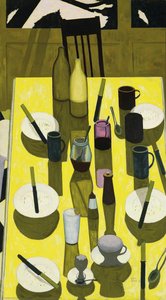
* collins st., 5 pm, a 1955 painting, is considered a companion piece to brack's earlier work, the bar. this piece is part of the national gallery of victoria's australian art collection and exhibited in the ian potter centre in federation square, melbourne. * the breakfast table, another notable piece by brack, is showcased at the art gallery of new south wales in sydney.**comparison to other artists**
* in contrast to arthur streeton's more serene landscapes, such as sandridge, brack's work offers a glimpse into urban australian life. * charles edward conder's going home (the gray and gold) showcases a different aspect of the australian experience, one that is more nostalgic and less focused on daily city life.**legacy and influence**
brack's unique style has left an indelible mark on australian art. his ability to capture the essence of his time in such a powerful manner has influenced generations of artists. for those interested in exploring more of brack's work or learning about other influential australian artists, visit john brack's page on ArtsDot or explore the categories section for a broader range of artistic styles and movements.- view brack's works at the national gallery of victoria: collins st., 5 pm
- explore more australian artists like clifton ernest pugh ao at his page on ArtsDot
- discover the diverse range of artistic styles and movements in the categories section

John Brack
1920 - 1999 , Australia
基本情報
- Artistic Movement Or Style: Realism
- Artists Or Movements Influenced By This Artist: ['Arthur Streeton']
- Artists Who Influenced This Artist: ['Barry Humphries']
- Date Of Birth: 10 May 1920
- Full Name: Cecil John Brock
- Nationality: Australian
- Notable Artworks:
- Collins St., 5 pm
- The breakfast table
- Place Of Birth: Melbourne, Australia
関連記事

Grant Wood & American Regionalism: Identity, Myth & the Rural Landscape
Explore the world of Grant Wood & American Regionalism with ArtsDot. Discover the symbolism behind 'American Gothic', recurring themes, and the movement's lasting impact on art history. High-quality reproductions available.

Dark Masterpieces: 10 Iconic Paintings Dominated by Black Tones |
Explore 10 iconic paintings dominated by black tones, from Rembrandt’s chiaroscuro to Goya's dark expressions. Discover the stories behind these masterpieces & find museum-quality art reproductions for your home at .

John George Brown: Capturing American Life & Sentiment in 19th-Century Genre Painting
Explore the captivating genre paintings of John George Brown, celebrated for his realistic depictions of 19th-century American life. Discover his legacy & find museum-quality reproductions at ArtsDot.

ジョン・シンガー・サージェント:至高の25選 - 美と光の肖像画の世界 | ArtsDot
ジョン・シンガー・サージェントの至高の25選。肖像画、写実主義、光と影の表現が美しい作品群を紐解きます。マダムXや少女の肖像など、時代を超えて愛される名作をArtsDotで鑑賞。高品質なアート複製で、お部屋に美術館のような空間を。今すぐコレクションをご覧ください。

ジョン・コンスタブルの傑作25選:英国風景画の巨匠が描く自然と光の詩 | ArtsDot
ジョン・コンスタブルの傑作25選。英国風景画の巨匠が描く自然と光の詩の世界へ。ロマン主義を代表する絵画、デダム・ヴェールやヘイ・ウェインなど、ArtsDotで高品質なアートプリントをお楽しみください。インテリアに深みと感動を。コレクションはこちら。