

 プレビュー
プレビュー
 シェアする
シェアする シェアする
シェアする
 詳細を見る
詳細を見る

 ダウンロード
 似ている作品
 X線調査
X線調査 スライドショー
 Stats
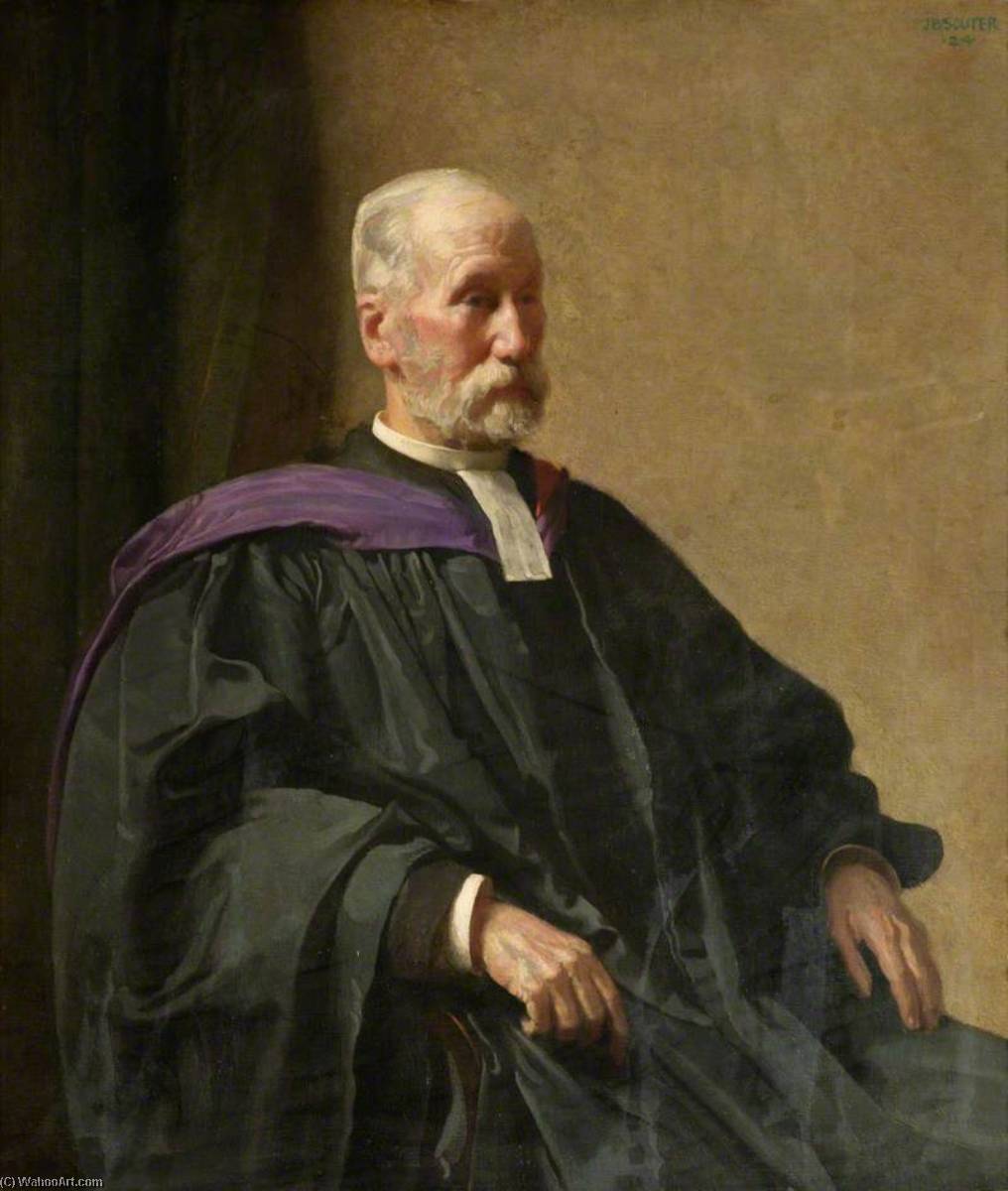
StatsReverend Dr William Straton Bruce (1846–1933), Minister of Banff (1873–1925)
 1924
1924 104.0 x 91.0 cm
 Mintlaw Discovery Centre
 詳細を見る
詳細を見る
オンラインプレビューをはるかに凌ぐ、高解像度で鮮明なデジタル画像をご購入いただけます。
各ファイルは、社内の専門家が高度なツールと熟練した手作業によるレタッチを用いて、細心の注意を払って準備されています。すべての画像において、卓越した鮮明度、正確な色彩再現性、そして繊細なディテールを保証いたします。
最終ファイルは、プロフェッショナルな編集・印刷環境ですぐにご利用いただけるよう最適化された状態で、72時間以内にメールにてお届けいたします。これは、一流のデザインスタジオ、出版社、ギャラリーから信頼されているものと同等の品質です。
デジタルアート
個人での鑑賞、印刷、クリエイティブなプロジェクト用に、高解像度ファイルをダウンロードできます。 ( Switch to Print 手描きの絵画を購入)
デジタル画像のご注文に付随する特典
高品質なデジタル画像配信を、確かな品質で。
ArtsDot.com を選ぶことは、単に画像を手に入れることではありません。それは、プロの手によって精密に仕上げられ、満足保証が付いた高品質なデジタルアートワークを受け取ることを意味します。ご注文いただいた際に自動的に付随する内容は、以下の通りです:

メールですぐにお届け
ご注文から72時間以内に、高解像度のデジタル画像ファイルがメールでお手元に届きます。すぐにそのままご利用いただけます。

AI技術で最適化されたデジタルファイル
お客様の作品は、高度なAIツールと専門家による手作業の編集を組み合わせてプロフェッショナルに最適化されており、細部のディテール、鮮明さ、そして正確な色再現性を最大限に引き出しています。

一生涯無料の再送サービス
ファイルを誤って削除したり、紛失してしまったりしましたか?ご安心ください。いつでも無料で再送いたします。

輸入手数料は一切かかりません
関税や手数料、配送料を気にすることなく、お気に入りのアートワークをすぐにお楽しみいただけます。デジタルダウンロードは常に免税です。

色彩再現の保証
プロ仕様のツールとカラーマネジメント技術を用いることで、デジタル画像が元の色を最大限に忠実に再現することを保証いたします。

100日間満足保証
ご購入いただいたデジタル画像にご満足いただけない場合は、100日以内であれば、理由を問わず修正または100%の返金対応をさせていただきます。

100% 返金保証
ご満足いただけない場合は、デジタルファイルを受け取ってから100日以内であれば、理由を問わず全額返金いたします。

まとめ買い割引
3枚購入で10%OFF - 5枚購入で15%OFF - 10枚以上購入で20%OFF。クリエイティブなプロジェクト、ギャラリー、エージェンシーに最適です。
関連作品










作家の略歴
The Soul of the Jazz Age: The Life and Legacy of John Bulloch Souter
In the vibrant, often turbulent tapestry of early twentieth-century art, few figures capture the dual essence of elegance and unrest as poignantly as John Bulloch Souter. Born in Aberdeen in 1890, Souter emerged from the rugged landscapes of northeast Scotland to become a defining voice of the Jazz Age. His journey was one of profound contrasts, moving from the disciplined halls of Gray's School of Art and the Allan Fraser School to the sophisticated, high-stakes art circles of London. A master of many disciplines—painter, sculptor, and illustrator—Souter possessed an uncanny ability to translate the psychological complexities of his subjects onto canvas, blending a meticulous realist technique with an emotive depth that resonated far beyond the borders of his native Scotland.
Souter’s artistic sensibilities were deeply shaped by his travels across the European continent, a journey made possible by the prestigious Byrne Travelling Scholarship. During these formative wanderings, he found himself profoundly moved by the masters of light and stillness, drawing inspiration from the dramatic realism of Diego Velázquez, the luminous precision of Johannes Vermeer, and the quiet, domestic intimacy of Jean-Baptiste-Siméon Chardin. This exposure to the Old Masters instilled in him a lifelong commitment to accuracy and a reverence for the subtle interplay of light and shadow. Even as the world around him embraced the fractured perspectives of Modernism, Souter remained anchored in a refined realism, using it not to merely replicate reality, but to explore the human condition with an unflinching eye.
Controversy and the Weight of History
The trajectory of Souter’s career was irrevocately altered by the seismic shifts of the twentieth century. Having served in the Gordon Highlanders and the Royal Army Medical Corps during the Great War, he returned to a world forever changed—a landscape marked by social fragmentation and political anxiety. It was this atmosphere of post-war tension that birthed his most notorious and significant work, “The Breakdown.” Completed in 1926, this monumental oil painting was intended as a visceral reflection of urban decay and societal discord. However, the piece became a lightning rod for controversy; its unflinching portrayal of unrest was deemed so provocative by the British Colonial Office that they demanded its removal from the Royal Academy’s Summer Exhibition, fearing it posed a threat to the perceived stability of the Empire.
The tragedy of “The Breakdown” remains one of the most poignant episodes in British art history. Under the immense pressure of international press attacks and personal distress, Souter was ultimately persuaded by his wife, Christian Grace Reid, to destroy the painting. While the loss of this masterpiece left a void in his oeuvre, Souter’s resilience allowed him to continue his prolific output. During the dark years of World War II, he found himself working within the Censorship Department as a translator and performing the delicate, restorative work of preserving paintings at Windsor Castle. This period of quiet service mirrored the meticulous care he applied to his own art, ensuring that even in times of destruction, the beauty of the past was safeguarded.
A Legacy of Portraiture and Pedagogy
Beyond the shadows of controversy, Souter’s reputation as a premier portraitist flourished. He possessed a rare gift for capturing the essence of the era's most luminous personalities, imbuing his subjects with a sense of timeless dignity. His gallery of notable sitters included:
- Gladys Cooper, the celebrated stage and screen icon;
- Ivor Novello, the quintessential romantic star of the era;
- Fay Compton, whose presence in his work reflects the glamour of the theatrical world;
- And various prominent figures of the British social and political landscape.
Souter’s influence extended well beyond the easel through his dedicated tenure as a Professor of Painting at the Glasgow School of Art from 1935 to 1949. In this role, he became a mentor to a new generation of artists, passing on the rigorous standards of observation and technical mastery he had honed throughout his life. Even in his final years in Aberdeen, despite failing eyesight, his spirit remained tethered to his artistic roots, as he used old sketches to attempt a reconstruction of his lost masterpiece. Today, the works of John Bulloch Souter—from his delicate still lifes featuring purple tulips to his evocative portraits—stand as enduring testaments to an artist who navigated the beautiful and the broken with unparalleled grace.
john bulloch souter
1890 - 1972
プロフィール概要
- Artistic Movement Or Style: Jazz Age Art Deco Style
- Artists Or Movements Influenced By This Artist: ['British Impressionism']
- Artists Who Influenced This Artist: ['William Nicholson']
- Date Of Death: 10 May 1972
- Full Name: John Bulloch Souter
- Nationality: Scottish
- Notable Artworks:
- The Breakdown
- Still Life with Purple Tulips
- Place Of Birth: Aberdeen, Scotland