

 プレビュー
プレビュー
 シェアする
シェアする シェアする
シェアする
 詳細を見る
詳細を見る

 ダウンロード
 似ている作品
 X線調査
X線調査 スライドショー
 Stats
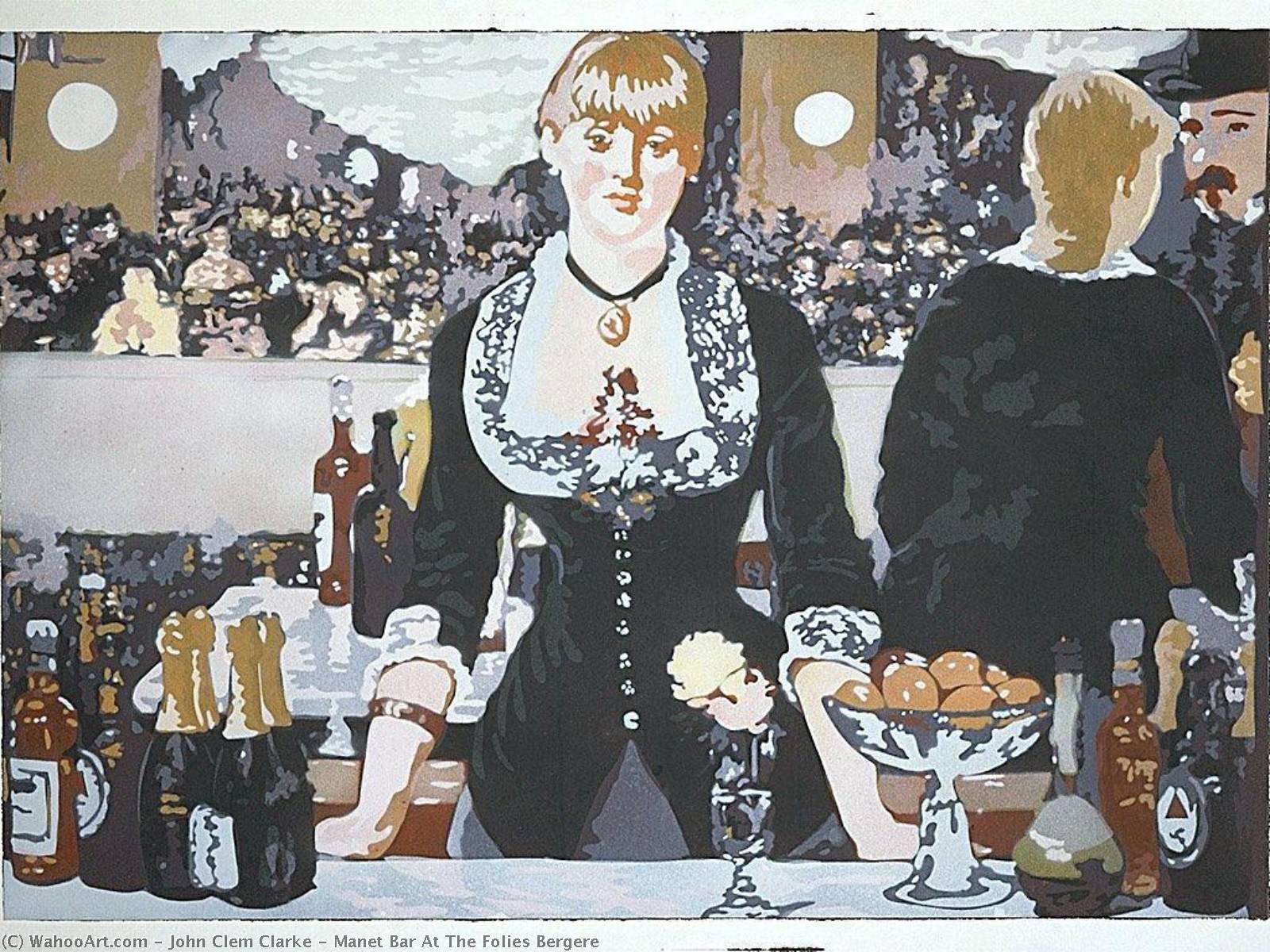
StatsManet Bar At The Folies Bergere


 詳細を見る
詳細を見る
ジークレー/アートプリント
迅速な制作と多彩な仕上げオプションを備えた、ミュージアムクオリティのジークレーまたはキャンバスプリント。 ( 手描きの絵画を購入 Switch to Digital Image)




P118B $10

P118H $10

P118W $10

P438Z $10

P508JH $12

P508YH $12

P805H $10

P805Z $10

P919BZ $10

P919G $10

P919XJ $10

P959ZH $10

P968JZ $12

W106C $8

W218G $10

W218JH $8

W218Y $10

W307PJ $10

W316G $10

W316PJ $8

W316Y $10

W398PJ $8

W4111J $10

W500HY $15

W500JH $15

W692G $12

W849H $8

W940BG $15

W953PJ $8




作品のオリジナル比率に合わせた、当店の規定サイズからお選びください。

特定のフレームやスペースに合わせて、ご自身でサイズを指定することも可能です。選択されたサイズが元の画像の比率と一致しない場合、作品をトリミングするか、鏡面反射または単色での塗りつぶしによって画像を拡張いたします。制作を開始する前に、ご確認用のデジタルモックアップをお送りいたします。
画面上のプレビューには、実際のトリミングや拡張は反映されませんのでご注意ください。最終的な構図を正確に確認できるのは、モックアップのみとなります。
カスタムサイズも承っておりますが、元の比率を維持するためには、あらかじめ用意されたリストからサイズを選択することをお勧めいたします。


 ガラスオプションは、110cm未満のサイズでのみご利用いただけます。

Manet Bar At The Folies Bergere
ジークレー/アートプリント
複製画のサイズ
-


合計金額
$ 62
関連作品
アーティストの略歴
John Clem Clarke: Weaver of Lost Masterpieces
The SoHo art scene of the 1970s was a crucible, forging a unique aesthetic from the detritus of consumer culture and the echoes of artistic tradition. Within this vibrant landscape emerged John Clem Clarke (June 6, 1937 – June 5, 2021), an American painter and graphic artist who didn’t simply replicate the past; he interrogated it, re-imagined it, and imbued it with a distinctly modern sensibility. Clarke wasn't interested in faithful reproduction; instead, he sought to distill the essence of iconic paintings – from Renaissance masters to 19th-century Romantic landscapes – into evocative, layered stencils that captured not just form but also feeling. His work, often described as “Pop Art with a twist,” became a defining characteristic of his era and continues to fascinate viewers today.
Born in Bend, Oregon, Clarke’s early life instilled in him a deep appreciation for the natural world and a grounding in rural values. His father's farm provided a stark contrast to the burgeoning urban art scene he would eventually join, yet this duality—the quiet strength of the land versus the frenetic energy of New York City – undoubtedly informed his artistic vision. He pursued his passion at Oregon State University, where he excelled as a football player before transferring to the University of Oregon to study fine arts. It was during these formative years that Clarke began experimenting with techniques that would become central to his distinctive style: the meticulous creation of stencils and the strategic application of paint to achieve surprising effects.
The Stencil Technique & Reinterpretation
Clarke’s process was both deceptively simple and remarkably complex. He began by projecting images of classic paintings onto a large sheet of plywood, meticulously tracing each detail with a projector. This created an intricate network of stencils – hundreds, sometimes thousands – that he then used to apply paint to the canvas. Crucially, Clarke didn’t aim for photographic accuracy; instead, he employed a technique of “deconstruction,” selectively removing or altering elements within the original image. He might strip away skin tones in portraits, replace figures with contemporary models, or introduce graphic elements like arrows and speech bubbles – interventions that disrupted the narrative and invited new interpretations.
This approach wasn’t merely about stylistic novelty; it was a deliberate commentary on the nature of art itself. Clarke viewed his reinterpretations as a conversation between past and present, challenging viewers to reconsider their assumptions about artistic value and originality. As David L. Shirley wrote in *The New York Times*, “He manages to do everything but cover up the David image, but does not offend it. Mr. Clarke magically merges the past and the present.” His work became a potent symbol of the era’s fascination with appropriation and remix culture – concepts that would later become defining features of contemporary art.
Key Works & Recognition
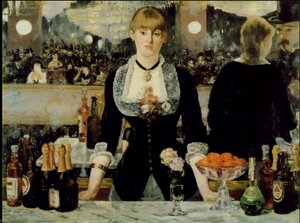
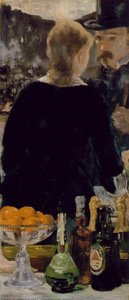
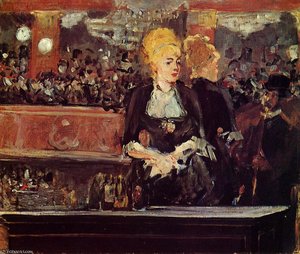
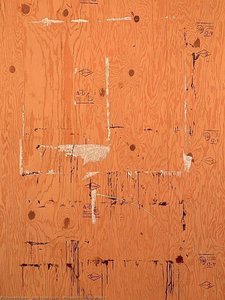
Several of Clarke's works stand out as particularly compelling examples of his unique vision. “Manet Bar At The Folies Bergere,” a striking black-and-white stencil reproduction of Édouard Manet’s bustling Parisian scene, exemplifies his ability to capture the energy and atmosphere of the original while simultaneously injecting it with a distinctly modern sensibility. Similarly, his reimagining of Peter Paul Rubens' "The Judgment of Paris" – replacing the mythological figures with bronzed, poolside models – is both visually arresting and conceptually provocative. “Plywood With Roller Marks 5” showcases his early experimentation with stenciling techniques, demonstrating the evolution of his process.
Clarke’s work gained significant recognition during the 1973 Whitney Biennial, a notoriously influential exhibition that helped launch the careers of many emerging artists. The inclusion of his reinterpretations alongside works by Warhol and Lichtenstein solidified his position as a key figure in the Pop Art movement – albeit one who approached the subject matter with a unique perspective. His work has since been exhibited at numerous museums, including the Museum of Modern Art and the Metropolitan Museum of Art, cementing its place within the canon of American art.
Legacy & Influence
John Clem Clarke’s death in 2021 marked the end of an era. He was a vital part of the SoHo art scene, and his work continues to resonate with artists and audiences today. His innovative use of stencils, his willingness to challenge artistic conventions, and his ability to imbue classic paintings with new meaning have left a lasting legacy. Clarke’s influence can be seen in the work of countless contemporary artists who continue to explore themes of appropriation, remix culture, and the relationship between past and present. He demonstrated that art could be both playful and profound, accessible and intellectually stimulating – a testament to his unique artistic vision.
His final works, created in the years leading up to his death, further explored the possibilities of digital printing and expanded on his established aesthetic. These later pieces, often characterized by intricate layering and vibrant color palettes, represent a culmination of his decades-long career and offer a fascinating glimpse into the mind of an artist who never stopped pushing boundaries.
john clem clarke
1937 -
基本情報
- Artistic Movement Or Style: Pop Art, Stencil Painting
- Artists Or Movements Influenced By This Artist:
- Pop Art
- Contemporary Art
- Artists Who Influenced This Artist:
- Andy Warhol
- Roy Lichtenstein
- Robert Rauschenberg
- Date Of Birth: June 6, 1937
- Date Of Death: June 5, 2021
- Full Name: John Clem Clarke
- Nationality: American
- Notable Artworks:
- Manet Bar At Folies Bergere
- Canaletto View St. Marks
- Plywood With Roller Marks 5
- Place Of Birth: Bend, Oregon, USA
関連記事
エドゥアール・マネ傑作25選:印象派の革新とモダンアートの世界 | ArtsDot
エドゥアール・マネの傑作25選🎨印象派を代表する画家、マネの世界を旅する。油絵「草上の昼食」や「オランピア」…革新的な色彩とモダンアートの魅力をArtsDotで。高品質なアートプリントで、お部屋に芸術を🖼️
Mars Black Masterpieces: 10 Iconic Paintings & Timeless Art Decor Ideas
Delve into the power of 'Mars Black' with 10 iconic paintings by masters like Rembrandt & Caravaggio. Explore dramatic chiaroscuro, gothic art, and timeless beauty. Find museum-quality reproductions & elevate your home decor on .

Dark Masterpieces: 10 Iconic Paintings Dominated by Black Tones |
Explore 10 iconic paintings dominated by black tones, from Rembrandt’s chiaroscuro to Goya's dark expressions. Discover the stories behind these masterpieces & find museum-quality art reproductions for your home at .

ジョン・コンスタブルの傑作25選:英国風景画の巨匠が描く自然と光の詩 | ArtsDot
ジョン・コンスタブルの傑作25選。英国風景画の巨匠が描く自然と光の詩の世界へ。ロマン主義を代表する絵画、デダム・ヴェールやヘイ・ウェインなど、ArtsDotで高品質なアートプリントをお楽しみください。インテリアに深みと感動を。コレクションはこちら。
ジョン・シンガー・サージェント:至高の25選 - 美と光の肖像画の世界 | ArtsDot
ジョン・シンガー・サージェントの至高の25選。肖像画、写実主義、光と影の表現が美しい作品群を紐解きます。マダムXや少女の肖像など、時代を超えて愛される名作をArtsDotで鑑賞。高品質なアート複製で、お部屋に美術館のような空間を。今すぐコレクションをご覧ください。