 プレビュー
プレビュー
 プリントを購入
 シェアする
シェアする シェアする
シェアする
 詳細を見る
詳細を見る

 ダウンロード
 似ている作品
 X線調査
X線調査 スライドショー
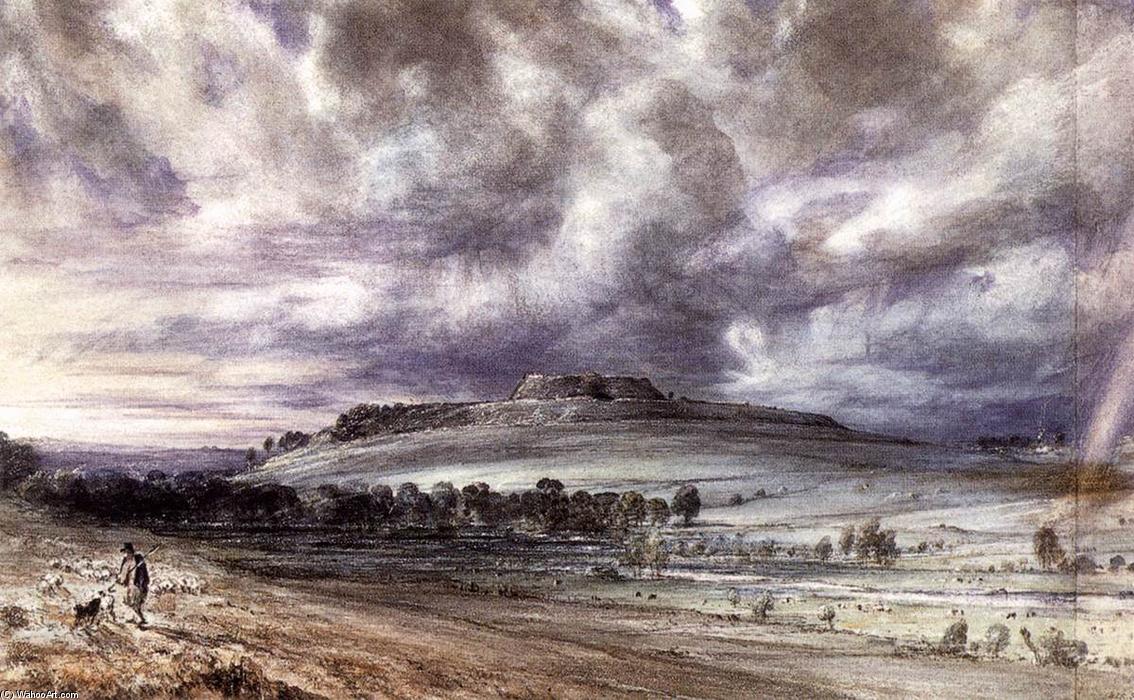
Old Sarum
 Watercolor
- WallArt
- Romantic Landscape
 1834
1834- 19th Century
 300.0 x 487.0 cm
 ヴィクトリア&アルバート博物館
 詳細を見る
詳細を見る




P118B $10

P118H $10

P118W $10

P438Z $10

P508JH $12

P508YH $12

P805H $10

P805Z $10

P919BZ $10

P919G $10

P919XJ $10

P959ZH $10

P968JZ $12

W106C $8

W218G $10

W218JH $8

W218Y $10

W307PJ $10

W316G $10

W316PJ $8

W316Y $10

W398PJ $8

W4111J $10

W500HY $15

W500JH $15

W692G $12

W849H $8

W940BG $15

W953PJ $8




作品のオリジナル比率に合わせた、当店の規定サイズからお選びください。

特定のフレームやスペースに合わせて、ご希望のサイズをご入力いただけます。選択されたサイズが元の画像の比率と異なる場合、アートワークをトリミングするか、手描きで要素を追加して絵画を拡張いたします。デジタルモックアップ を制作し、制作開始前にご確認(承認)をいただきます。
画面上のプレビューは、実際のトリミングや拡張を正確に反映しているものではありません。最終的な構図は、モックアップによってのみ正確にご確認いただけます。
カスタムサイズもご利用いただけますが、元の比率を維持するためには、あらかじめ用意されたリストからサイズを選択することをお勧めいたします。
ご注文後、ArtsDot.com チームより詳細な指示をお送りするとともに、仕上がりイメージ(モックアップ)をご提供いたします。


 ガラスオプションは、110cm未満のサイズでのみご利用いただけます。

Old Sarum
複製技法
複製画のサイズ
-


合計金額
$ 313
作品解説
A Symphony of Sky and Stone
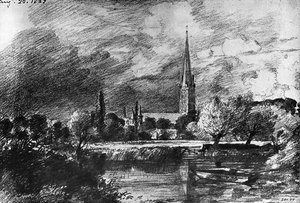
In the vast, sweeping expanse of John Constable’s "Old Sarum," we are invited into a moment where time seems to hold its breath. Completed in 1834, this monumental watercolor is far more than a mere topographical record of an English landmark; it is a profound meditation on the ephemeral nature of human endeavor against the enduring majesty of the natural world. As your eyes wander across the canvas, you are immediately struck by the dramatic interplay of light and shadow, a hallmark of the Romantic movement. The scene is dominated by a massive, verdant hill, its summit crowned with the skeletal, crumbling remains of Sarum Cathedral. This juxtaposition of ancient, decaying stone against the vibrant, living pulse of the grassy slopes creates a tension that is both haunting and deeply tranquil.
The atmosphere of the piece is thick with the scent of impending rain. Constable, a master of capturing the "fleeting moment," has rendered a sky that is restless and alive. Swirling clouds in shades of slate, pearl, and charcoal drift across the upper half of the composition, suggesting a heavy, moisture-laden air that threatens to break into a summer storm. This brooding sky does not merely serve as a backdrop; it acts as a psychological force, casting soft, diffused light across the landscape and imbuing the entire vista with a sense of sublime drama. For the collector or designer, this piece offers an unparalleled emotional depth, bringing a sense of quiet contemplation and historical weight to any curated space.
Mastery of Light and Texture
To gaze upon "Old Sarum" is to witness Constable’s technical brilliance in the medium of watercolor. He achieves a remarkable sense of three-dimensionality through the painstaking layering of translucent washes. By applying thin glazes of color in successive stages, he creates a luminous effect, as if the light itself is trapped within the paper. This technique allows for a sophisticated use of atmospheric perspective; notice how the colors soften and lose their sharpest contrasts as the eye moves toward the distant horizon, perfectly mimicking the way mist and air obscure far-off objects.
The artist’s brushwork is equally expressive, oscillating between delicate precision and bold, gestural strokes. Short, rhythmic dabs of pigment delineate the rugged texture of the windswept grass and the tangled foliage, while broader, more fluid sweeps of the brush capture the turbulent movement of the clouds. This variation in texture prevents the eye from resting too long in one place, instead encouraging a continuous journey through the landscape. The muted, earthy palette—rich with ochre, deep greens, and weathered greys—anchors the work in a naturalistic reality, making the scene feel intimately connected to the very soil of the English countryside.
A Legacy of Romanticism
Historically, "Old Sarum" stands as a testament to the rise of landscape painting as a high art form. During an era when much of the academic focus remained on idealized classical subjects, Constable championed the beauty of the local and the observed. He sought to paint not just what he saw, but what he felt. The ruins atop the hill serve as powerful symbols of the passage of time—a memento mori that reminds us of the inevitable cycle of growth and decay. Yet, there is no despair in this decay; rather, there is a sense of peace found in the way nature reclaims and integrates these human remnants into its own grand design.
For those looking to adorn a home or gallery with a piece of art history, a high-quality reproduction of "Old Sarum" provides more than just decoration. It offers a window into the soul of the Romantic era. Whether placed in a sunlit study or a sophisticated contemporary living room, the painting’s ability to evoke both movement and stillness makes it a timeless centerpiece. It is an invitation to slow down, to breathe with the wind, and to find beauty in the weathered, the wild, and the wonderful.
関連作品

アーティストの略歴
ジョン・コンスタブル:英国風景画の革命児
1776年、サフォーク州イースト・バーゴルト村で生まれたジョン・コンスタブルは、単なる風景画家ではありませんでした。彼は土地そのものの詩人であり、繊細な気まぐれと永続的な美しさを、比類のない感情の深みとともにキャンバスに翻訳しました。彼の父親は裕福な穀物商であり、デッドハム・ヴェールやストゥア川沿いの製粉所を所有していました。この初期の没入感—農業生活のゆっくりとしたリズム、畑と水の絶え間ない光の変化、自然の詳細—コンスタブルの芸術的な人生を定義することになる主題を提供し、彼の感受性に深く刻み込まれました。当初は父親の後を追うことを期待されていましたが、芽生えた芸術への情熱、特にジョージ・ビーモンによって育まれられ、クロード・ロランの作品を紹介されたことで、彼は別の道へと導かれました。コンスタブルの芸術的旅路はすぐに始まったものではなく、注意深い観察と、自分が存在する風景の中に感じていることを捉えたいという揺るぎない願望によって形作られた、徐々に展開していくものでした。伝統からの脱却:自然への新たなビジョン
コンスタブルの芸術的発展は、支配的な学術的慣習に対する意図的な拒絶によって特徴づけられました。ロイヤル・アカデミーで好まれる理想化され、しばしば劇的な風景に不満を抱きながら、彼は個人的な感情が込められた自然の真実の表現を求めました。彼は壮大な歴史的物語や神話の場面に関心を持っていませんでした。彼の焦点は常に彼を取り巻く馴染みのある田園地帯に固定されていました。この普通の主題—干し草の運搬、農家、村の生活—を描写することへのコミットメントは当初、彼の作品が平凡で野心的ではないと見なした批評家からの抵抗に遭いましたが、彼は美しさは日常の中に存在するという信念によって突き動かされ、辛抱強く取り組みました。彼は絵画を屋外で行うという技法を先駆的に採用し、直接自然を観察し、一過性の光の効果を捉えました。この自然との直接的な関わりは、彼のキャンバスに前例のない即時性と活力を吹き込みました。彼の筆致はますます緩やかで表現豊かになり、インパスト—厚い塗りの絵具—を使用してテクスチャを作り出し、動きと雰囲気を伝える感覚を生み出しました。彼は単に見ているものを記録しているのではなく、土地に対する自分の感情的な反応を視覚形式に翻訳していました。象徴的な作品と永続的な影響
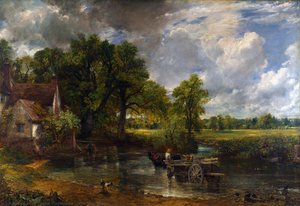
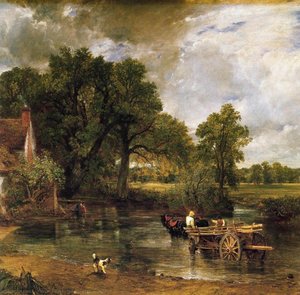
コンスタブルの最も有名な作品は、彼の独自のビジョンの証です。干し草の運搬(1821年)はおそらく彼の最も認知されている絵画であり、農業生活の静けさと調和を捉え、ストゥア川の典型的な田園風景を描いています。ハデリー城(1829年)は、光と大気効果の劇的な使用を示し、崩れかけた廃墟を時間の経過の強力な象徴に変えています。 Salisbury Cathedral from the Meadows (1831) のシリーズは、さまざまな気分や時間帯を喚起する彼の能力を示しており、大聖堂が自然の風景の一部として不可欠であることを明らかにしています。侵食的な自然の中で建築的な壮大さを描いたNetley Abbey(1824年)は、人間の創造と田園地帯の野生の美しさの融合における彼の技術を例示しています。当初はイングランドで大きな評価を得られませんでしたが、コンスタブルはフランスでかなりの成功を収めました。彼の革新的な技術と感情的な深さは、より自然主義的な風景画のアプローチを切望する芸術家たちに深く共鳴しました。彼は、plein air 描画へのコミットメントを共有したフランスの画家たちのグループであるバルビゾン学派に大きな影響を与えました。感情的共鳴の遺産
ジョン・コンスタブルの歴史的な重要性は、彼の芸術的な革新だけでなく、風景画の発達に対する彼の深遠な影響にもあります。彼は学術的慣習に挑戦し、普通の主題の地位を高め、より個人的で感情的に表現力豊かな芸術のアプローチへの道を開きました。自然への直接的な観察、大気効果、そして自然の真実の表現への重点は、後の印象派画家たちの多くの懸念を予見しました。彼は風景が深遠な感情的表現の手段となり、郷愁、静けさ、畏敬の念といった感情を喚起する可能性があることを示しました。彼のキャリアの多くで経済的な苦難に直面しながら、1837年に比較的若くして亡くなりましたが、彼の遺産は生き続けています。今日、コンスタブルはイギリス最大の芸術家の一人として称賛されており、彼の絵画は美しさ、誠実さ、そして永続的な力で観客を魅了し続けています。彼の作品は、人類と自然の世界との間の深遠なつながりの痛ましいリマインダーであり、芸術がその本質を捉える変革の可能性です。個人的な生活と晩年
コンスタブルの個人的な生活は、喜びと悲しみで彩られていました。彼は1816年にマリア・ビッケネルと結婚し、7人の子供をもうけましたが、残念ながらその多くが乳幼児期に亡くなりました。彼の結婚は彼に感情的なサポートを与えましたが、財政的な負担も生じました。1829年にロイヤル・アカデミーの準会員となり、一部の批評家からの批判に直面し続けました。特に彼の型破りな技法についてです。彼の晩年は妻マリアの健康状態が悪化し、1828年の彼女の死という悲劇によって影が落とされました。この出来事は彼を深く傷つけました。これらの苦難にもかかわらず、コンスタブルは芸術への献身を続け、自身の死である 1837 年 3 月 31 日まで絵を描き続けました。彼は豊かな芸術的遺産を残しました—彼の揺るぎない土地の美しさと感情的な共鳴を捉えるというコミットメントの証です。彼の絵画は今でも、かつてない時代を生きているかのように、観客にその風景を彼のユニークな感受性を通して体験するよう誘う、痛ましい過去の時代の生々しい喚起として残っています。
ジョン・コンスタブル
1776 - 1837 , イギリス
基本情報
- フルネーム: ジョン・コンスタブル
- 主な作品:
- The Hay Wain
- Hadleigh Castle
- Salisbury Cathedral
- Netley Abbey
- 出生地: イースト・バーゴルト, イギリス
- 国籍: イギリス
- 影響を与えたアーティストまたは運動: ['バルビゾン派']
- 影響を受けたアーティスト:
- クロード・ロラン
- ヤコブ・ルイスダイン
- 死亡年月日: 1837年3月31日
- 生年月日: 1776年6月11日
- 芸術運動またはスタイル: ロマン主義
関連記事

ジョン・コンスタブルの傑作25選:英国風景画の巨匠が描く自然と光の詩 | ArtsDot
ジョン・コンスタブルの傑作25選。英国風景画の巨匠が描く自然と光の詩の世界へ。ロマン主義を代表する絵画、デダム・ヴェールやヘイ・ウェインなど、ArtsDotで高品質なアートプリントをお楽しみください。インテリアに深みと感動を。コレクションはこちら。

ロマン派ランドスケープ:時代を彩る巨匠の10選|アートとインテリアの世界
ロマン派絵画の時代を彩る10選。巨匠たちの風景が織りなす感動の世界へ。ターナー、ルーベンスなど、名作の裏話と高精細複製でアートをお部屋に。ArtsDot.comで至福のアート体験を。

ジョン・シンガー・サージェント:至高の25選 - 美と光の肖像画の世界 | ArtsDot
ジョン・シンガー・サージェントの至高の25選。肖像画、写実主義、光と影の表現が美しい作品群を紐解きます。マダムXや少女の肖像など、時代を超えて愛される名作をArtsDotで鑑賞。高品質なアート複製で、お部屋に美術館のような空間を。今すぐコレクションをご覧ください。
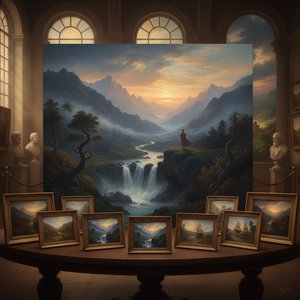
10 Iconic Masterpieces That Defined Romantic Landscape Art
Experience the sublime emotion of Romantic landscape art. From Friedrich’s dramatic vistas to Turner’s atmospheric seascapes, explore 10 timeless masterpieces and find museum-quality reproductions for your home decor. Discover all masterpieces on ArtsDot.com.
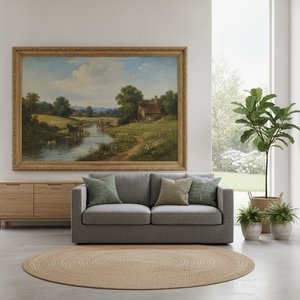
The Soul of the Stour: Bringing the Timeless Beauty of John Constable’s English Landscapes into Your Home
Transform your home with the serene beauty of John Constable’s English landscapes. Discover exquisite, hand-painted oil reproductions and bespoke commissions at ArtsDot.com. Elevate your interior decor with museum-quality artistry, expert consultation, and timeless pastoral charm.