

 プレビュー
プレビュー
 プリントを購入
 シェアする
シェアする シェアする
シェアする
 詳細を見る
詳細を見る

 ダウンロード
 似ている作品
 X線調査
X線調査 スライドショー
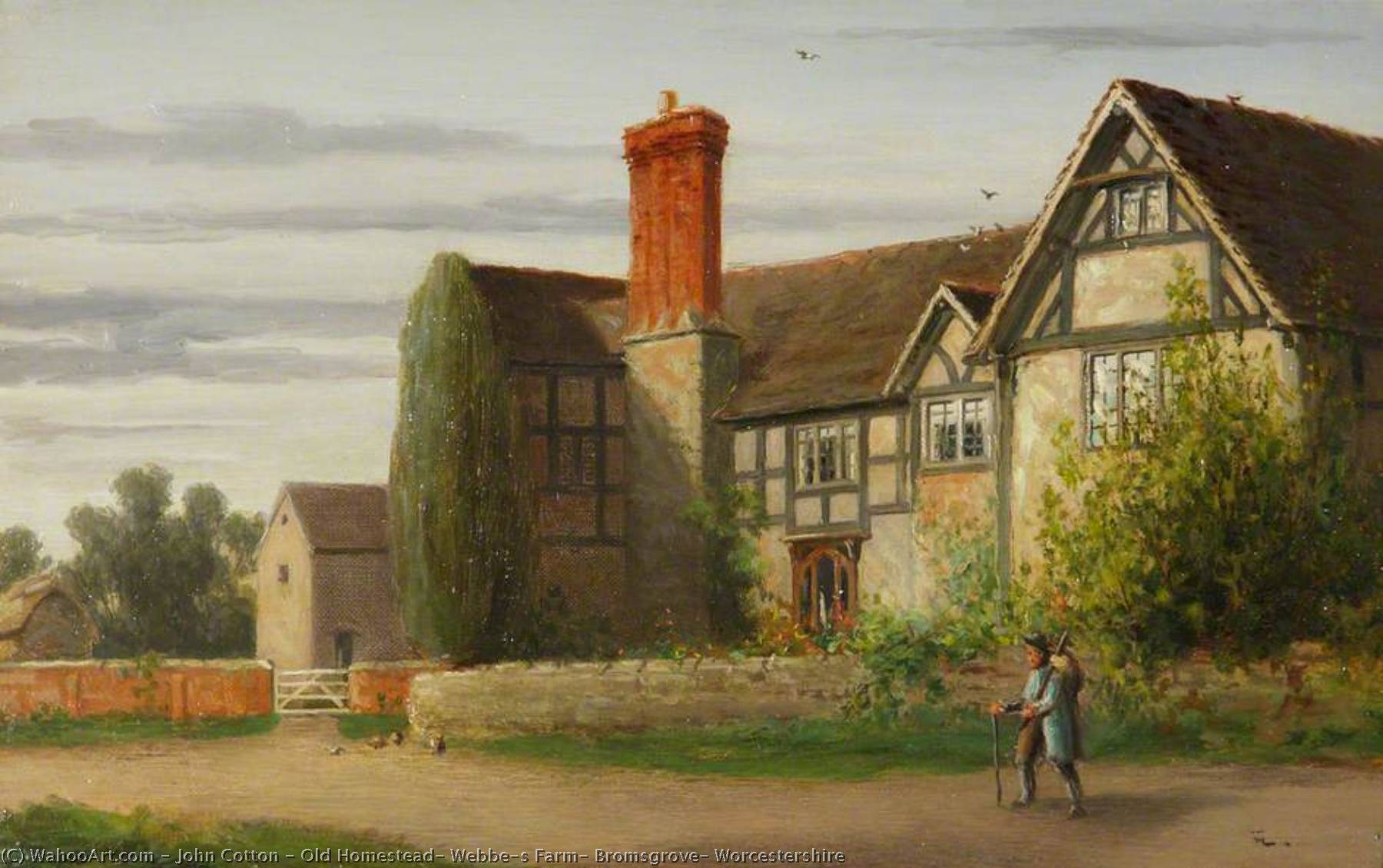
Old Homestead, Webbe's Farm, Bromsgrove, Worcestershire
 1900
1900 26.0 x 41.0 cm
Explore the evocative landscapes of John Cotton’s Worcestershire paintings! Capturing rural life & historic scenes with meticulous detail, his works celebrate British heritage.
 詳細を見る
詳細を見る




































標準サイズ
オーダーメイド
CM
INCH
作品のオリジナル比率に合わせた、当店の規定サイズからお選びください。
Loading sizes...

幅
高さ
特定のフレームやスペースに合わせて、ご希望のサイズをご入力いただけます。選択されたサイズが元の画像の比率と異なる場合、アートワークをトリミングするか、手描きで要素を追加して絵画を拡張いたします。デジタルモックアップ を制作し、制作開始前にご確認(承認)をいただきます。
画面上のプレビューは、実際のトリミングや拡張を正確に反映しているものではありません。最終的な構図は、モックアップによってのみ正確にご確認いただけます。
カスタムサイズもご利用いただけますが、元の比率を維持するためには、あらかじめ用意されたリストからサイズを選択することをお勧めいたします。
カスタマイズの例:顔をお客様の写真に置き換える、ペットを追加する(例:猫を犬に変更)、背景に隠れたメッセージを入れる、背景の風景や要素を変更するなど。
ご注文後、ArtsDot.com チームより詳細な指示をお送りするとともに、仕上がりイメージ(モックアップ)をご提供いたします。
ご注文後、ArtsDot.com チームより詳細な指示をお送りするとともに、仕上がりイメージ(モックアップ)をご提供いたします。


 ガラスオプションは、110cm未満のサイズでのみご利用いただけます。

Old Homestead, Webbe's Farm, Bromsgrove, Worcestershire
複製技法
複製画のサイズ
-


合計金額
$ 263
関連作品










アーティストの略歴
A Life Rooted in Worcestershire’s Landscape
John Cotton, a name perhaps less heralded than some of his contemporaries, nevertheless occupies a significant place in the pantheon of British landscape painters. His work is an intimate and meticulous celebration of rural life, specifically that of Worcestershire during the late 19th and early 20th centuries. While biographical details remain somewhat sparse—a testament to Cotton’s focus on observation rather than self-promotion—his paintings speak volumes about a deep connection to the land and a dedication to capturing its fleeting beauty. Born in 1868, Cotton dedicated his artistic energies to documenting the changing face of the English countryside, preserving scenes that were rapidly disappearing under the pressures of modernization. He wasn’t merely recording topography; he was crafting visual elegies for a way of life, imbued with a quiet dignity and profound respect for tradition.The Art of Detailed Realism
Cotton's artistic style is characterized by an unwavering commitment to realism, executed with remarkable precision and attention to detail. He wasn’t interested in grand, sweeping vistas or dramatic compositions; instead, he focused on the smaller moments—the weathered stones of a village almshouse, the peaceful serenity of a country churchyard, the intricate patterns of timber framing on an old homestead. His technique involved painstaking observation and careful rendering of light and shadow, creating paintings that feel both authentic and deeply atmospheric. He employed oil as his primary medium, allowing for rich textures and subtle gradations of color. Cofton Church, Worcestershire, painted in 1904, exemplifies this approach—the church emerges from the landscape not as a majestic monument but as an integral part of its surroundings, bathed in the soft glow of twilight. Old Almshouses, Bromsgrove, Worcestershire (1885) similarly showcases his ability to imbue everyday scenes with a sense of timeless beauty and quiet contemplation. The paintings are not simply representations; they’re evocations of a particular place and time, imbued with the artist's personal affection for the subject matter.Influences and Artistic Development
Pinpointing specific artistic influences on Cotton is challenging due to limited documentation. However, his work clearly reflects the broader trends prevalent in British painting during the Victorian era. The Barbizon school’s emphasis on plein air painting and naturalistic representation likely played a role, as did the aesthetic principles of the Pre-Raphaelites, with their focus on detail and fidelity to nature. It's also possible that Cotton was influenced by earlier topographical artists who sought to document the English countryside before it underwent significant change. His paintings share an affinity with the work of artists like David Cox and Peter De Wint, known for their evocative landscapes and atmospheric effects. While he didn’t embrace the dramatic narratives or symbolic complexities of some of his contemporaries, Cotton developed a unique voice through his unwavering dedication to realism and his intimate understanding of Worcestershire's rural character.Preserving British Heritage
Cotton’s paintings are more than just aesthetically pleasing depictions of the countryside; they serve as valuable historical documents, preserving scenes that have since vanished or undergone significant transformation. His meticulous attention to detail provides a glimpse into the architectural styles, social customs, and everyday life of rural Worcestershire during a period of rapid change. Old Almshouses, Bromsgrove, for example, offers a window into the lives of those who relied on charitable institutions for support, while Cofton Church captures the enduring presence of faith in a close-knit community. His work resonates with a sense of nostalgia and a deep appreciation for British heritage, appealing to viewers who value tradition and authenticity. The paintings are not merely representations of the past; they’re invitations to connect with it, to imagine the lives of those who inhabited these spaces and to reflect on the enduring power of place.A Legacy of Quiet Observation
Although John Cotton may not be a household name, his work continues to captivate audiences with its quiet beauty and meticulous detail. His paintings offer a valuable glimpse into the changing face of rural Worcestershire during the late 19th and early 20th centuries, preserving scenes that have since vanished or undergone significant transformation. His dedication to realism and his intimate understanding of the landscape ensure that his work will continue to resonate with viewers for generations to come. While biographical information remains limited, Cotton’s paintings speak volumes about a life rooted in observation, respect for tradition, and a profound appreciation for the enduring beauty of the English countryside. His legacy lies not in grand pronouncements or stylistic innovations but in the quiet power of his images—visual elegies for a way of life that deserves to be remembered.
基本情報
- Artistic Movement Or Style: Romantic Landscape Art
- Full Name: John Cotton
- Nationality: British
- Notable Artworks: ['Old Almshouses, Bromsgrove']

