 プレビュー
プレビュー
 プリントを購入
 シェアする
シェアする シェアする
シェアする
 詳細を見る
詳細を見る

 ダウンロード
 似ている作品
 X線調査
X線調査 スライドショー
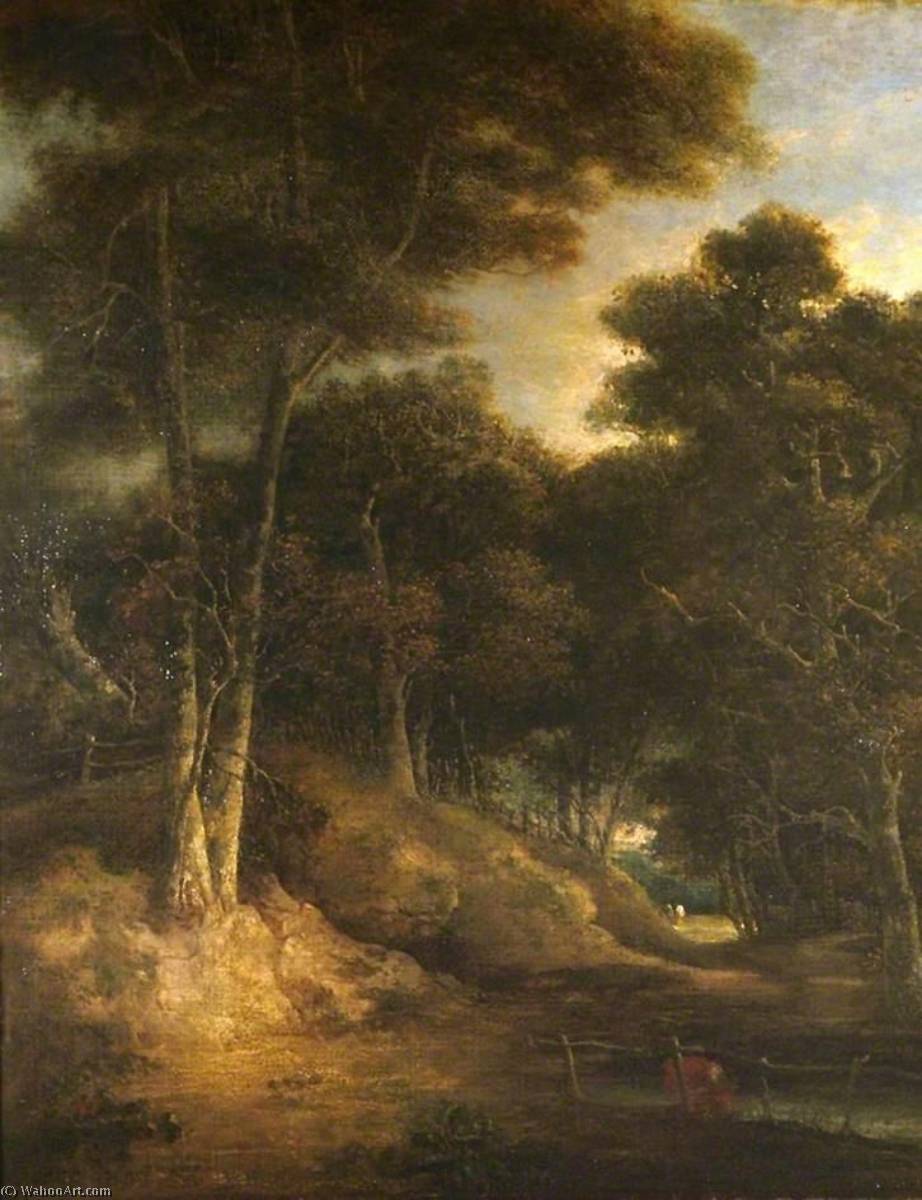
Landscape Edge of a Wood


 詳細を見る
詳細を見る




P118B $10

P118H $10

P118W $10

P438Z $10

P508JH $12

P508YH $12

P805H $10

P805Z $10

P919BZ $10

P919G $10

P919XJ $10

P959ZH $10

P968JZ $12

W106C $8

W218G $10

W218JH $8

W218Y $10

W307PJ $10

W316G $10

W316PJ $8

W316Y $10

W398PJ $8

W4111J $10

W500HY $15

W500JH $15

W692G $12

W849H $8

W940BG $15

W953PJ $8




作品のオリジナル比率に合わせた、当店の規定サイズからお選びください。

特定のフレームやスペースに合わせて、ご希望のサイズをご入力いただけます。選択されたサイズが元の画像の比率と異なる場合、アートワークをトリミングするか、手描きで要素を追加して絵画を拡張いたします。デジタルモックアップ を制作し、制作開始前にご確認(承認)をいただきます。
画面上のプレビューは、実際のトリミングや拡張を正確に反映しているものではありません。最終的な構図は、モックアップによってのみ正確にご確認いただけます。
カスタムサイズもご利用いただけますが、元の比率を維持するためには、あらかじめ用意されたリストからサイズを選択することをお勧めいたします。
ご注文後、ArtsDot.com チームより詳細な指示をお送りするとともに、仕上がりイメージ(モックアップ)をご提供いたします。


 ガラスオプションは、110cm未満のサイズでのみご利用いただけます。

Landscape Edge of a Wood
複製技法
複製画のサイズ
-


合計金額
$ 263
作品解説
A Quiet Edge: John Crome’s ‘Landscape – Edge of a Wood’
John Crome's “Landscape – Edge of a Wood,” painted circa 1800-1820, isn’t merely a depiction of a Norfolk landscape; it’s a carefully constructed meditation on light, atmosphere, and the profound connection between humanity and the natural world. This work, currently residing in The Courtauld Gallery in London, exemplifies the core tenets of the Norwich School – a movement that deliberately sought to capture the unique character of East Anglia with an understated yet deeply evocative realism.
Crome’s artistic lineage is fascinating. He wasn't a grand cosmopolitan figure, but rather a rooted artist deeply embedded within his local environment. His upbringing in Norwich, a bustling market town at the time, instilled a keen observational eye and a respect for the rhythms of rural life. This grounding profoundly shaped his approach to painting – he eschewed dramatic vistas or heroic subjects, instead focusing on the subtle beauty found in the commonplace: the quiet curve of a hedgerow, the dappled light filtering through trees, the muted tones of earth and sky.
The Language of Light and Shadow
Technically, “Landscape – Edge of a Wood” is a masterclass in atmospheric perspective. Crome employs a restrained palette dominated by browns, greens, and blues—colors that perfectly mirror the hues of the Norfolk countryside. However, it’s not simply a matter of replicating color; he uses subtle gradations to create an illusion of depth and distance. The foreground path, rendered with looser brushstrokes, appears almost tactile, while the trees receding into the background are softened and blurred, suggesting their greater remoteness. The artist skillfully manipulates light and shadow, creating a sense of diffused illumination that imbues the scene with a quiet serenity.
Crome’s technique is particularly noteworthy for its economy of brushwork. He avoids elaborate detail, opting instead to suggest form through carefully placed strokes. This approach allows the viewer's eye to wander across the canvas, absorbing the atmosphere and feeling the stillness of the landscape. The composition itself—a simple path leading into a dense wood—creates a sense of invitation, drawing us into the scene and encouraging contemplation.
Norwich School and its Roots
To fully appreciate “Landscape – Edge of a Wood,” it’s essential to understand the context in which Crome worked. The Norwich School, founded by artists like Crome and Robert Ladbrooke, represented a deliberate reaction against the prevailing trends in London art circles. Rejecting the grand narratives and idealized forms favored by the Royal Academy, these painters sought to capture the authentic character of their native East Anglia. They were deeply influenced by Dutch Masters—particularly the landscapes of Jacob van Ruisdael and Jan Both—whose use of light, atmosphere, and subtle color they admired immensely.
Crome’s work also reflects a broader Romantic sensibility – an appreciation for nature's power to evoke emotion and inspire contemplation. However, unlike the more overtly dramatic landscapes of other Romantic painters, Crome’s scenes are characterized by a quiet restraint and a sense of understated beauty. He doesn’t seek to overwhelm us with spectacle; instead, he invites us to share in the simple pleasures of observing the natural world.
A Sense of Place and Timelessness
“Landscape – Edge of a Wood” is more than just a pretty picture; it's a powerful evocation of place. It captures the essence of Norfolk—its rolling hills, its dense woodlands, and its ever-changing light. The painting feels deeply rooted in time, suggesting that this landscape has existed for centuries, unchanged by the passage of human events. It’s a reminder of our connection to the natural world and the enduring beauty of the English countryside.
Reproductions of this work offer a remarkable opportunity to bring this quiet contemplation into any space. The subtle nuances of color and light, so carefully rendered by Crome, are beautifully reproduced, allowing viewers to experience the same sense of peace and tranquility that he intended.
関連作品

アーティストの略歴
ノーフォークの息子:ジョン・クロームの生涯と芸術
ジョン・クロームは、その息子である画家と区別するために「オールド・クローム」という愛称で親しまれており、イギリス美術史における極めて重要な人物、すなわち名高いノリッジ派の創設者であり、その精神的支柱として君臨しています。1768年、ノーフォーク州の活気あふれる市場町ノリッジに生まれたクロームの歩みは、驚くべき独学と献身の物語でした。質素な出自から立ち上がり、愛してやまないイースト・アングリアの田園風景の本質を捉える、尊敬を集める風景画家へと登り詰めたのです。織物職人であった父は彼に強い勤勉さを教え込みましたが、クロームの芸術的な感性を最初に育んだのは、家屋や馬車、看板を描く画家フランシス・ウィスラーの下での徒弟修行でした。そこでの経験が、デザインと色彩に関する基礎的な技術を彼に授けたのです。この実践的な訓練は、周囲の自然界を描き出したいという彼の情熱を探求する上で、かけがえのない財産となりました。また、志を同じくする若き画家ロバート・ラドブロックとの形成期における友情は、彼のさらなる発展を促しました。二人は共に屋外でのスケッチ(プレネール)に励み、観察力を研ぎ澄ませながら、芸術への高まる情熱を分かち合ったのです。地域的アイデンティティの確立:ノリッジ派
クロームの芸術的な軌跡は、オールド・カットンのトーマス・ハーヴェイによる寛大な支援によって、決定的な影響を受けました。ハーヴェイが所有する見事な美術コレクションに触れる機会を得たことは、彼にとって変革的な体験となりました。ゲインズバラやホッベマといった巨匠たちの傑作との出会いは、構図、光、そして空気感を描き出すための極めて重要なモデルをクロームに提供したのです。さらに、サー・ウィリアム・ビーチやジョン・オピーといった確立された人物たちからの指導は、彼をより広い芸術コミュニティへと結びつけました。しかし、クロームが真に美術界にその名を刻んだのは1803年のことでした。彼はロバート・ラドブロックと共に「ノリッジ画家協会」を共同設立したのです。この大胆な試みこそが、ノリッジ派の正式な始まりとなりました。それは、自然の直接的な観察を掲げ、ロンドンから押し寄せる主流の芸術的潮流とは一線を画す、ノーフォークの風景特有の個性を捉えようとした画期的な運動でした。協会の頻繁な会長を務めたクロームは、その原動力となり、地域のアイデンティティを称えることに献身する、志を同じくする画家たちのコミュニティを育んでいきました。ロマン主義的感性と芸術的影響
クロームのスタイルは、表現豊かな筆致、情緒的な描写、そして大地との感情的な結びつきといった、際立ったロマン主義的感性を特徴としています。彼はノーフォークの風景に深く根ざしており、広大な空、うねる川、古木、そして素朴な農村生活の中にインスピレーションを見出していました。彼は、ホッベマのような17世紀オランダの巨匠から多大な影響を受けていました。その生涯にわたる敬愛は、彼の有名な最期の言葉、「ああ、ホッブルマ、親愛なるホッベマよ、私はあなたをどれほど愛してきたことか!」という言葉に集約されています。同時に、リチャード・ウィルソンの叙情的な風景画からも影響を受けていました。また、クロームは、樹木の種を正確に識別して描くことができる最初期のイギリス人画家の一人としても名を馳せており、単なる抽象的な形態を超え、鋭い植物学的眼差しを示しました。水彩と油彩の両方に精通していた彼は、その生涯を通じて300点を超える作品を残しましたが、そのどれもが親密さと真実味に満ちています。彼の作品は単なる場所の再現ではありませんでした。それは情緒や感情を呼び起こすものであり、驚くべき感受性をもってノーフォークの精神を捉えていたのです。遺産と永続的な影響
ジョン・クロームの貢献は、その芸術的成果をはるかに超えるものでした。彼が確立に尽力したノリッジ派は、独自の地域的な芸術アイデンティティを育み、彼の足跡を辿る後進の画家たちを輩出しました。当初はロンドンの芸術界からある程度の抵抗に遭ったものの、クロームは1806年から1818年の間にロイヤル・アカデミーで13回の展示を行い、国家的な評価を獲得しました。彼のエッチング(版画)は、生前には出版されなかったものの、彼の才能のもう一つの側面を明らかにしています。没後の展覧会では100点を超える作品が公開され、彼がいかに同業者から敬意を払われていたかが浮き彫りとなりました。今日においても、クロームの遺産は生き続けています。それは彼の絵画を通じてだけでなく、「クロームズ・ブロード」や「クローム地区」といった、彼の名を冠した地名としても刻まれています。これらは、ノリッジとノーフォークに彼が与えた永続的な影響を示す不朽の証です。彼の生涯は、芸術的なビジョンが周囲の環境との深い結びつきと融合したとき、いかに世代を超えて共鳴する作品を生み出し得るかという、感動的な手本となっています。晩年と回想
1814年、ナポレオンの敗北後、クロームはパリへの短くも重要な旅に出発し、その都市の風景を自身のレパートリーに取り入れました。その後も長年にわたり、ノリッジ・スクールのデッサン講師として知識と情熱を共有し続け、ジェームズ・スタークやエドワード・トーマス・ダニエルといった有望な芸術家たちの指導にあたりました。教育への献身は、ノリッジ派の精神がその後も繁栄し続けることを確かなものにしました。ジョン・クロームは1821年4月22日、愛するノリッジの地でその生涯を閉じ、イギリスで最も重要な風景画家の一人としての遺産を残しました。彼は単なる芸術家ではありませんでした。彼は場所の記録者であり、地域的アイデンティティの擁護者であり、そして質素な始まりから生まれた芸術的ビジョンの力を証明する存在だったのです。彼の作品は、その静かな美しさ、情緒的な雰囲気、そしてノーフォークの心臓部との永続的な結びつきによって、今もなお見る人々を魅了し続けています。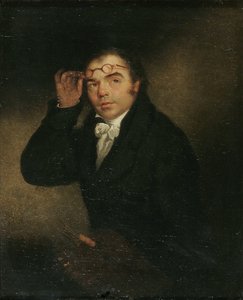
ジョン・クローム
1768 - 1821 , イギリス
基本情報
- Artistic Movement Or Style: ロマン主義、ノリッジ派
- Artists Or Movements Influenced By This Artist: ['ノリッジ派']
- Artists Who Influenced This Artist:
- ホッベマ
- ウィルソン
- Date Of Birth: 1768年
- Date Of Death: 1821年
- Full Name: ジョン・クローム
- Nationality: イギリス
- Notable Artworks:
- 石灰窯
- 林の風景
- マウスホールド・ヒース
- Place Of Birth: イギリス、ノリッジ
関連記事

ジョン・コンスタブルの傑作25選:英国風景画の巨匠が描く自然と光の詩 | ArtsDot
ジョン・コンスタブルの傑作25選。英国風景画の巨匠が描く自然と光の詩の世界へ。ロマン主義を代表する絵画、デダム・ヴェールやヘイ・ウェインなど、ArtsDotで高品質なアートプリントをお楽しみください。インテリアに深みと感動を。コレクションはこちら。

ロマン派ランドスケープ:時代を彩る巨匠の10選|アートとインテリアの世界
ロマン派絵画の時代を彩る10選。巨匠たちの風景が織りなす感動の世界へ。ターナー、ルーベンスなど、名作の裏話と高精細複製でアートをお部屋に。ArtsDot.comで至福のアート体験を。

ジョン・シンガー・サージェント:至高の25選 - 美と光の肖像画の世界 | ArtsDot
ジョン・シンガー・サージェントの至高の25選。肖像画、写実主義、光と影の表現が美しい作品群を紐解きます。マダムXや少女の肖像など、時代を超えて愛される名作をArtsDotで鑑賞。高品質なアート複製で、お部屋に美術館のような空間を。今すぐコレクションをご覧ください。
The Sublime and the Picturesque: Exploring Emotion & Nature in Romantic Landscape Painting
Explore the emotional power of Romantic landscape painting! Discover the sublime & picturesque traditions, key artists like Friedrich & Cole, and find your perfect artwork at ArtsDot.
Evoking Nature's Sublime: A Comprehensive Exploration of 19th-Century Landscape Painting
Explore the captivating world of 19th-century landscape painting! Discover renowned artists like Friedrich & Monet, key movements, and find the perfect artwork to bring nature's serenity into your home. Expert insights at ArtsDot.