

 プレビュー
プレビュー
 プリントを購入
 シェアする
シェアする シェアする
シェアする
 詳細を見る
詳細を見る

 ダウンロード
 似ている作品
 X線調査
X線調査 スライドショー
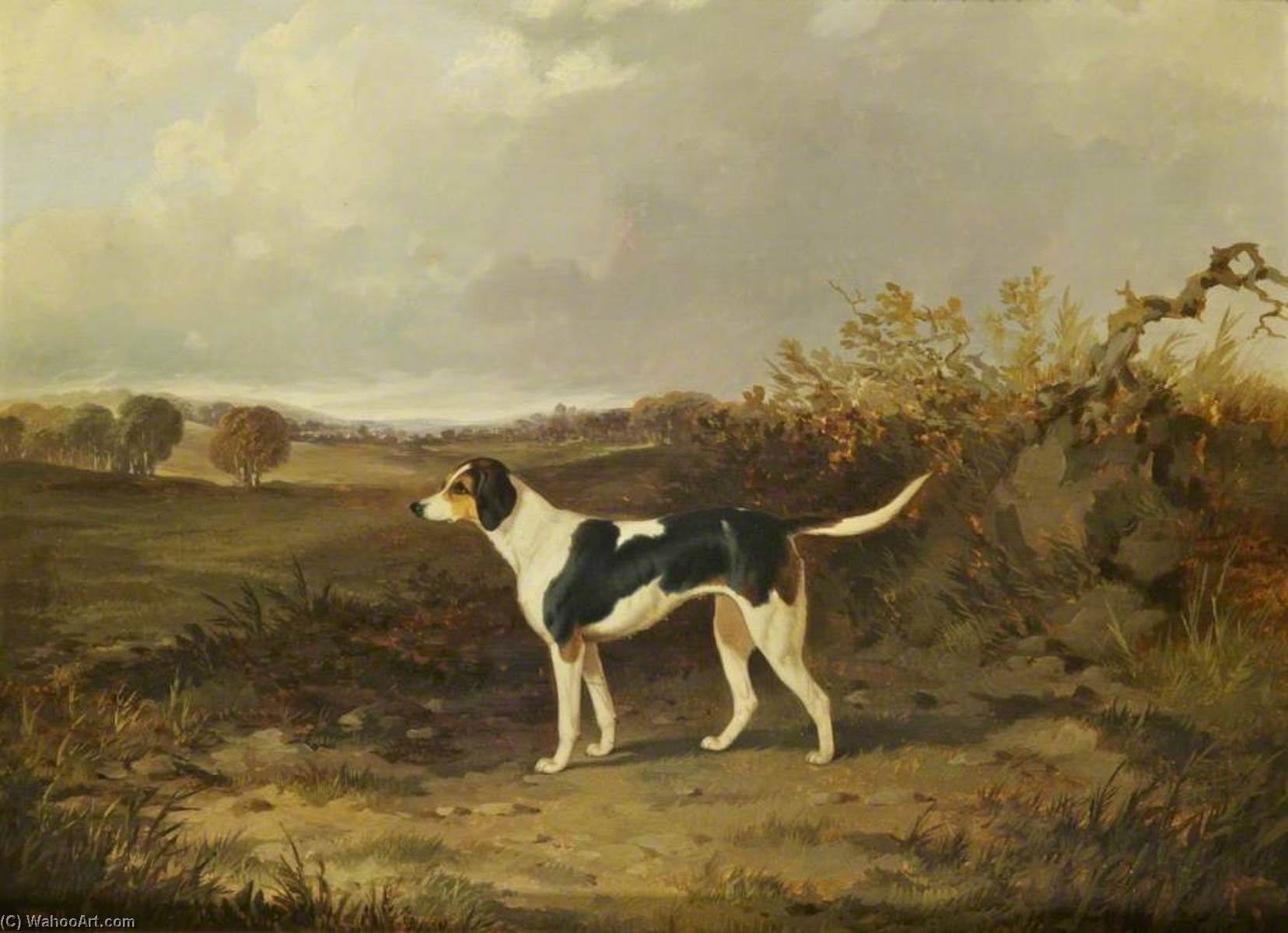
Foxhound in a Landscape (facing to the left)
 1846
1846 28.0 x 38.0 cm
 ウォーカー・アート・ギャラリー
 詳細を見る
詳細を見る




































作品のオリジナル比率に合わせた、当店の規定サイズからお選びください。

特定のフレームやスペースに合わせて、ご希望のサイズをご入力いただけます。選択されたサイズが元の画像の比率と異なる場合、アートワークをトリミングするか、手描きで要素を追加して絵画を拡張いたします。デジタルモックアップ を制作し、制作開始前にご確認(承認)をいただきます。
画面上のプレビューは、実際のトリミングや拡張を正確に反映しているものではありません。最終的な構図は、モックアップによってのみ正確にご確認いただけます。
カスタムサイズもご利用いただけますが、元の比率を維持するためには、あらかじめ用意されたリストからサイズを選択することをお勧めいたします。
ご注文後、ArtsDot.com チームより詳細な指示をお送りするとともに、仕上がりイメージ(モックアップ)をご提供いたします。


 ガラスオプションは、110cm未満のサイズでのみご利用いただけます。

Foxhound in a Landscape (facing to the left)
複製技法
複製画のサイズ
-


合計金額
$ 263
関連作品









アーティストの略歴
Early Life and Family Roots
John Dalby, a name resonating with the charm of 19th-century British rural life, was born in York in 1810. While biographical details remain somewhat elusive, we know he emerged from a family deeply entrenched in the artistic tradition. His father, David Dalby (1794-1836), was also a sporting artist, painting landscapes and animals – a foundation upon which John would build his own distinctive style. The presence of at least two other painter members within the family—Thomas and Joshua—adds to the intriguing complexity of the Dalby lineage; some scholars even suggest that Joshua’s work is so stylistically similar to John's it may, in fact, be attributable to him. This familial artistic environment undoubtedly fostered John’s early inclinations and provided a crucial initial training ground.
The practice of signing works simply as “Dalby” or “J Dalby,” versus his father’s more specific “D. Dalby,” hints at an attempt to establish a separate identity, yet the close stylistic connections suggest a shared artistic heritage. John's early career was shaped by this familial context and the burgeoning demand for sporting art in England during the Victorian era.
A Focus on Hunting Scenes and Equestrian Life
Dalby quickly carved out a niche for himself as a painter of hunting scenes, a genre particularly popular amongst the landed gentry. Unlike his father’s broader landscape work, John specialized in capturing the dynamic energy and detailed narrative of the hunt. His paintings are characterized by a remarkable precision—almost miniaturist in quality—with strong color palettes and compositions brimming with action. The influence of Henry Alken, another prominent sporting artist, is readily apparent in Dalby's work; however, Dalby’s style possesses a unique tightness and meticulousness that sets it apart.
He wasn’t merely documenting the sport itself but also portraying a way of life—the social rituals, the camaraderie, and the inherent drama of the chase. His scenes often feature not just horses and hounds, but also richly attired huntsmen and riders, adding layers of narrative and social commentary to his compositions. This attention to detail extended beyond figures to include meticulously rendered tack, landscapes, and even the expressions on the animals themselves.
Style and Technique: Precision and Narrative
Dalby’s technical skill is perhaps his most defining characteristic. His paintings are renowned for their incredible level of detail—every muscle in a horse's flank, every strand of hair on a hound, every fold in a rider’s coat is rendered with painstaking accuracy. This precision wasn’t simply about realism; it was integral to conveying the energy and excitement of the hunt. The tight brushwork and strong color create a sense of immediacy, drawing the viewer directly into the scene.
He masterfully balanced action with composition, ensuring that even the most dynamic scenes remained visually coherent. His use of light and shadow further enhanced the drama, highlighting key figures and creating a sense of depth and atmosphere. While his style is often described as tight, it never feels rigid; instead, it conveys a controlled energy that perfectly captures the spirit of the Victorian sporting world.
Legacy and Historical Significance
John Dalby’s work provides a valuable glimpse into the social and cultural landscape of 19th-century England. His paintings are not simply depictions of hunting scenes; they are windows into a specific way of life, reflecting the values, rituals, and aesthetics of the landed gentry. He captured a moment in time—a world increasingly threatened by industrialization and social change.
Although he may not be as widely recognized as some of his contemporaries, Dalby’s paintings continue to captivate audiences with their technical skill, narrative richness, and evocative portrayal of rural life. His work is held in numerous public and private collections, serving as a testament to his enduring artistic legacy. The detailed depictions of horses and hunting scenes remain highly sought after by collectors and art enthusiasts alike, ensuring that the charm and precision of John Dalby’s paintings will continue to be appreciated for generations to come.
- Key Characteristics: Detailed depiction of hunting scenes, equestrian life, meticulous brushwork, strong color palettes, narrative richness.
- Influences: David Dalby (father), Henry Alken.
- Historical Context: Victorian England, the popularity of sporting art amongst the landed gentry, a changing social landscape.
john dalby
1810 - 1865
基本情報
- Artistic Movement Or Style: Romanticism
- Artists Or Movements Influenced By This Artist: ['Romantic Painting']
- Artists Who Influenced This Artist: ['George Stubbs']
- Date Of Death: 1865
- Full Name: John Dalby
- Nationality: British
- Notable Artworks: ['A Racehorse with Jockey Up, on a Racecourse']
- Place Of Birth: England

