

 プレビュー
プレビュー
 プリントを購入
 シェアする
シェアする シェアする
シェアする
 詳細を見る
詳細を見る

 ダウンロード
 似ている作品
 X線調査
X線調査 スライドショー
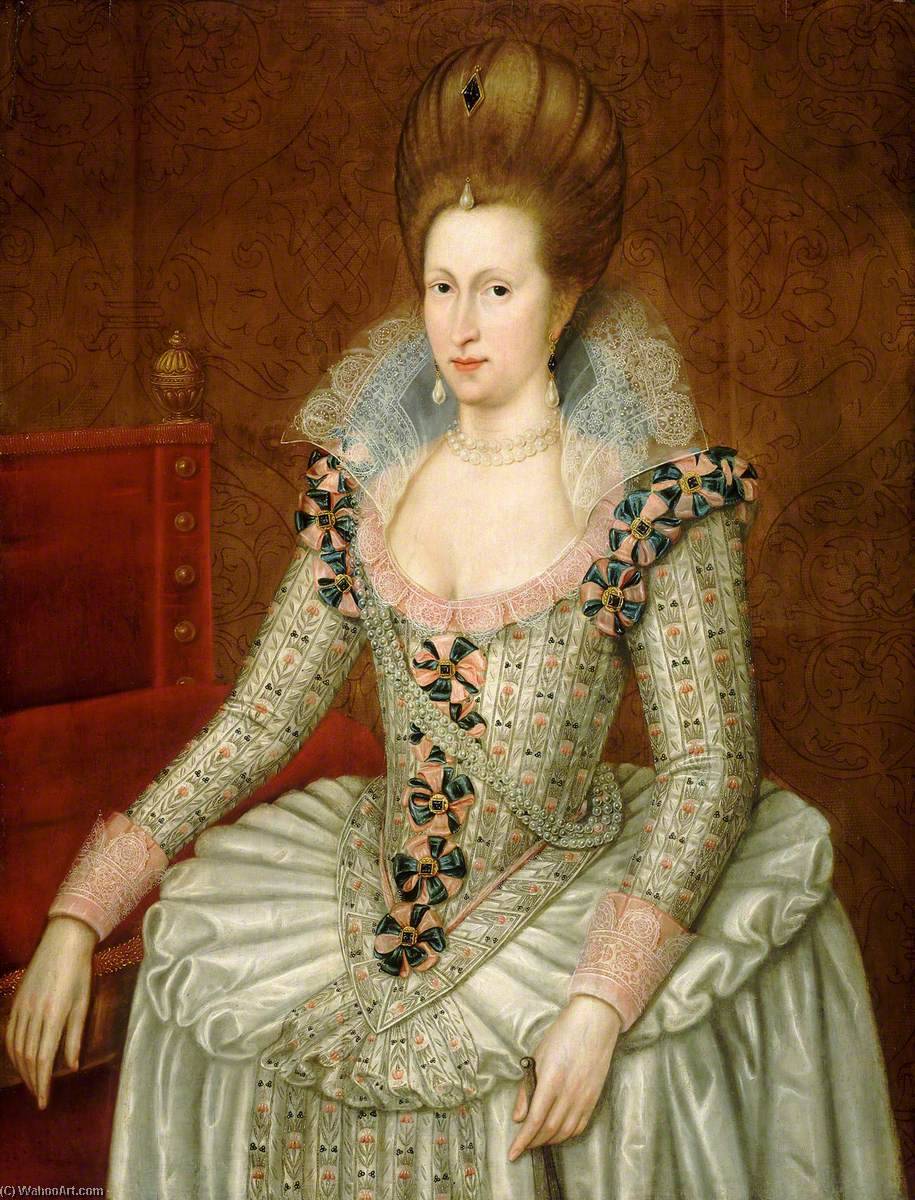
Anne of Denmark (1574–1619)
 1605
1605 114.0 x 87.0 cm
 詳細を見る
詳細を見る
オンラインプレビューをはるかに凌ぐ、高解像度で鮮明なデジタル画像をご購入いただけます。
各ファイルは、社内の専門家が高度なツールと熟練した手作業によるレタッチを用いて、細心の注意を払って準備されています。すべての画像において、卓越した鮮明度、正確な色彩再現性、そして繊細なディテールを保証いたします。
最終ファイルは、プロフェッショナルな編集・印刷環境ですぐにご利用いただけるよう最適化された状態で、72時間以内にメールにてお届けいたします。これは、一流のデザインスタジオ、出版社、ギャラリーから信頼されているものと同等の品質です。
デジタル画像のご注文に付随する特典
高品質なデジタル画像配信を、確かな品質で。
ArtsDot.com を選ぶことは、単に画像を手に入れることではありません。それは、プロの手によって精密に仕上げられ、満足保証が付いた高品質なデジタルアートワークを受け取ることを意味します。ご注文いただいた際に自動的に付随する内容は、以下の通りです:

メールですぐにお届け
ご注文から72時間以内に、高解像度のデジタル画像ファイルがメールでお手元に届きます。すぐにそのままご利用いただけます。

AI技術で最適化されたデジタルファイル
お客様の作品は、高度なAIツールと専門家による手作業の編集を組み合わせてプロフェッショナルに最適化されており、細部のディテール、鮮明さ、そして正確な色再現性を最大限に引き出しています。

一生涯無料の再送サービス
ファイルを誤って削除したり、紛失してしまったりしましたか?ご安心ください。いつでも無料で再送いたします。

輸入手数料は一切かかりません
関税や手数料、配送料を気にすることなく、お気に入りのアートワークをすぐにお楽しみいただけます。デジタルダウンロードは常に免税です。

色彩再現の保証
プロ仕様のツールとカラーマネジメント技術を用いることで、デジタル画像が元の色を最大限に忠実に再現することを保証いたします。

60日間満足保証
ご購入いただいたデジタル画像にご満足いただけない場合は、60日以内であれば、修正または100%の返金(理由を問う必要はありません)をさせていただきます。

100% 返金保証
ご満足いただけない場合は、デジタルファイルを受け取ってから60日以内であれば、理由を問わず全額返金いたします。

まとめ買い割引
3枚購入で10%OFF - 5枚購入で15%OFF - 10枚以上購入で20%OFF。クリエイティブなプロジェクト、ギャラリー、エージェンシーに最適です。
関連作品





作家の略歴
A Courtly Hand: The Life and Art of John de Critz the Elder
John de Critz the Elder, a name perhaps less immediately recognizable than his continental contemporaries, nevertheless occupies a pivotal position in the history of English portraiture. Born in 1551, his life unfolded during a period of immense transformation for England – the waning years of the Tudor dynasty and the ascendance of the Stuarts. While details of his early training remain somewhat elusive, it is widely believed he received his formative artistic education in the Netherlands, likely within the vibrant circle of Flemish painters who were profoundly influencing Northern European art at the time. This background would prove crucial to shaping his distinctive style, a meticulous realism tempered by an elegant formality that perfectly suited the tastes of the English court. De Critz wasn’t merely a painter; he was a chronicler of power, capturing the likenesses of those who steered the nation through turbulent times.From Flemish Roots to Royal Patronage
The artistic landscape de Critz entered upon arriving in England was already rich with talent, but his particular skill set – an ability to render textures with astonishing accuracy and a gift for conveying both status and personality – quickly garnered attention. He became deeply embedded within the orbit of Robert Cecil, 1st Earl of Salisbury, James I’s powerful chief minister. Cecil wasn't simply a patron; he was instrumental in establishing de Critz as *the* premier portraitist of the Jacobean court. De Critz’s workshop flourished, becoming a hub for artistic production and attracting other skilled painters who assisted him with commissions. This collaborative nature of his practice is important to note – while many portraits bear his signature, they often represent the combined efforts of several hands under his direction. His early works demonstrate a clear debt to Flemish masters like Hans Holbein the Younger, particularly in their precise detail and restrained color palettes. However, de Critz gradually developed a more uniquely English sensibility, characterized by a greater emphasis on decorative elements and a subtle psychological depth in his portrayals.The Art of Representation: Style and Technique
De Critz’s portraits are not simply likenesses; they are statements of authority, wealth, and social standing. He excelled at depicting the opulent fabrics, intricate jewelry, and elaborate costumes that signified a person's position within the hierarchical structure of Jacobean society. His technique was painstaking, built upon layers of carefully applied paint to create a remarkable sense of three-dimensionality. He favored a relatively small scale for his portraits, which contributed to their intimacy and allowed for an exceptional level of detail. The use of light is particularly noteworthy, often directed to illuminate the face and hands, drawing the viewer’s attention to these key features of identity. He wasn't interested in dramatic chiaroscuro or emotional intensity; instead, he sought a calm, dignified representation that emphasized the sitter’s inherent nobility. His portraits are imbued with a sense of quiet confidence, reflecting the stability and order that Cecil and James I aimed to project.Key Works and Lasting Legacy
Among de Critz's most celebrated works is his portrait of James I, which exists in numerous versions and served as a template for countless copies. These portraits are not merely images of the king; they are carefully constructed symbols of royal power, emphasizing his authority and divine right to rule. His portraits of Robert Cecil himself are equally significant, offering insights into the mind and character of this influential statesman. Beyond these iconic depictions of royalty and nobility, de Critz also painted a number of portraits of lesser-known figures, providing valuable glimpses into the lives of those who inhabited the Jacobean court.- His influence extended beyond portraiture
- He was involved in designing decorative schemes for royal buildings.
- De Critz’s workshop continued to thrive after his death in 1642
A Chronicler of an Era
John de Critz the Elder died in 1642, leaving behind a substantial body of work that continues to fascinate and inform our understanding of Jacobean England. He wasn’t a revolutionary artist; he didn't seek to break with tradition or explore new artistic frontiers. Instead, he perfected an existing style, adapting it to the specific needs and tastes of his patrons. His lasting significance lies in his ability to capture the essence of a particular moment in English history – a time of political intrigue, religious tension, and burgeoning national identity. He stands as a testament to the power of portraiture not simply as a means of recording likenesses, but as a powerful tool for shaping perceptions and constructing narratives about those who held positions of authority. His portraits remain invaluable historical documents, offering us a glimpse into the world of the Jacobean court and the individuals who shaped its destiny.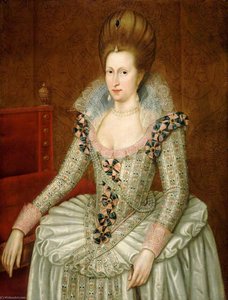
john de critz the elder
1551 - 1642
プロフィール概要
- Artistic Movement Or Style: Northern Renaissance Art
- Artists Who Influenced This Artist:
- Hans Holbein the Younger
- Pieter Bruegel
- Date Of Birth: 1551/2
- Date Of Death: 1642
- Full Name: John de Critz the Elder
- Nationality: Dutch
- Notable Artworks:
- Portrait of Robert Cecil
- Portrait of James I
- Place Of Birth: Flemish

