 プレビュー
プレビュー
 プリントを購入
 シェアする
シェアする シェアする
シェアする
 詳細を見る
詳細を見る

 ダウンロード
 似ている作品
 X線調査
X線調査 スライドショー
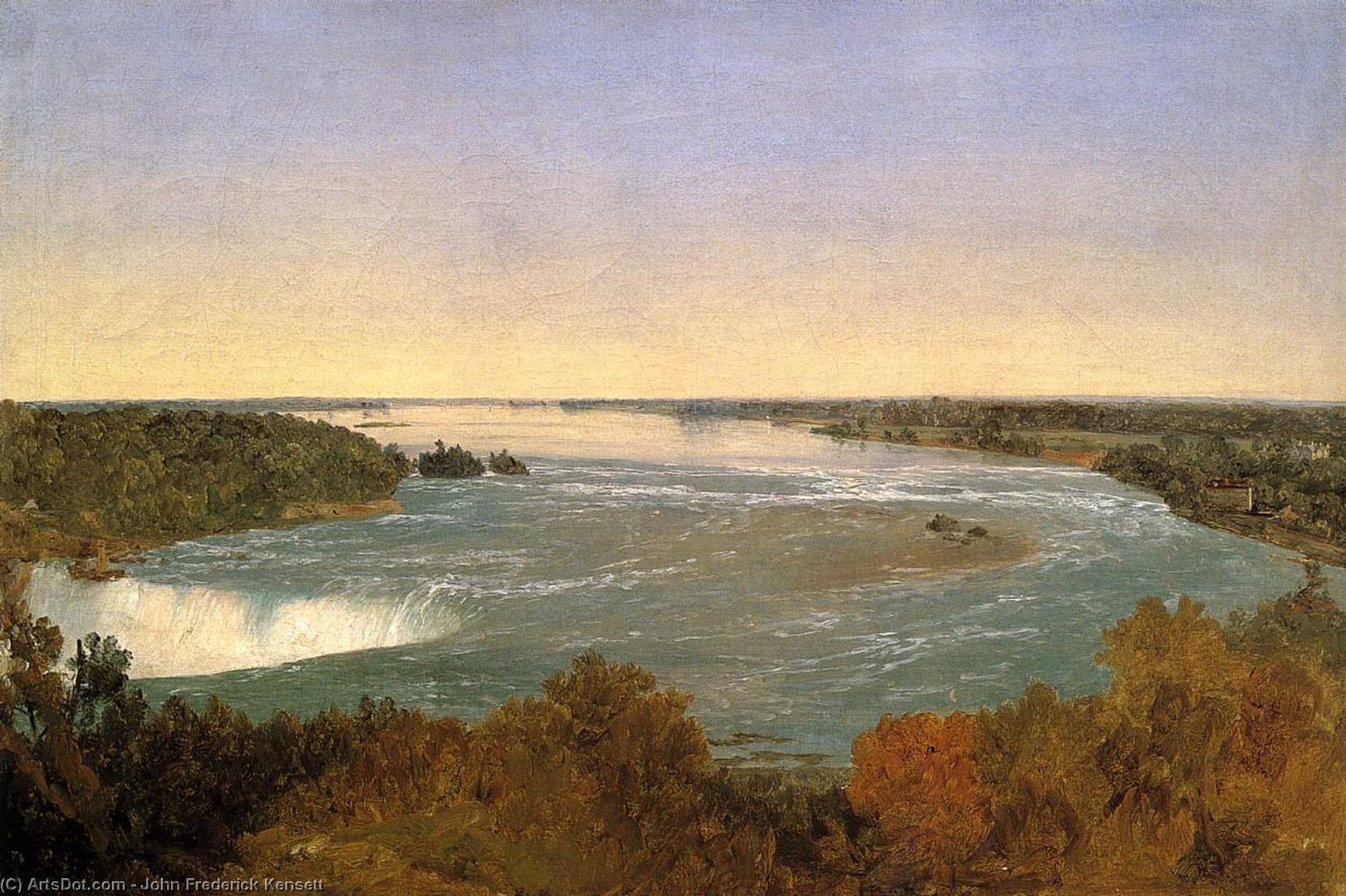
Niagara Falls and the Rapids


 詳細を見る
詳細を見る




P118B $10

P118H $10

P118W $10

P438Z $10

P508JH $12

P508YH $12

P805H $10

P805Z $10

P919BZ $10

P919G $10

P919XJ $10

P959ZH $10

P968JZ $12

W106C $8

W218G $10

W218JH $8

W218Y $10

W307PJ $10

W316G $10

W316PJ $8

W316Y $10

W398PJ $8

W4111J $10

W500HY $15

W500JH $15

W692G $12

W849H $8

W940BG $15

W953PJ $8




作品のオリジナル比率に合わせた、当店の規定サイズからお選びください。

特定のフレームやスペースに合わせて、ご希望のサイズをご入力いただけます。選択されたサイズが元の画像の比率と異なる場合、アートワークをトリミングするか、手描きで要素を追加して絵画を拡張いたします。デジタルモックアップ を制作し、制作開始前にご確認(承認)をいただきます。
画面上のプレビューは、実際のトリミングや拡張を正確に反映しているものではありません。最終的な構図は、モックアップによってのみ正確にご確認いただけます。
カスタムサイズもご利用いただけますが、元の比率を維持するためには、あらかじめ用意されたリストからサイズを選択することをお勧めいたします。
ご注文後、ArtsDot.com チームより詳細な指示をお送りするとともに、仕上がりイメージ(モックアップ)をご提供いたします。


 ガラスオプションは、110cm未満のサイズでのみご利用いただけます。

Niagara Falls and the Rapids
複製技法
複製画のサイズ
-


合計金額
$ 263
作品解説
A Symphony of Water and Light: John Frederick Kensett’s “Niagara Falls and the Rapids”
John Frederick Kensett's "Niagara Falls and the Rapids," painted in 1851, isn’t merely a depiction of a natural wonder; it’s an immersive experience captured on canvas. This iconic work transcends simple landscape painting, offering a profound meditation on nature’s power, tranquility, and the sublime—a core tenet of the Hudson River School movement. Kensett, deeply influenced by the Romantic ideals of his time, sought to elevate the natural world beyond mere representation, aiming instead to evoke an emotional response in the viewer.
The scene unfolds with breathtaking immediacy. The tumultuous rapids, rendered in a vibrant palette of blues, greens, and whites, dominate the foreground. Kensett masterfully employs short, broken brushstrokes—a hallmark of Luminism—to convey the relentless energy of the water as it crashes against the jagged rocks. These dynamic strokes contrast sharply with the softer, diffused light that washes over the distant falls, creating a captivating interplay between movement and stillness. The artist’s choice to emphasize the churning waters rather than the towering cascade itself subtly shifts our focus, inviting us to contemplate the raw, untamed force of nature.
The Luminist Approach: Light, Atmosphere, and Transcendence
Kensett's style firmly places him within the Luminist movement, a subset of the Hudson River School. Luminists, like Frederic Church and Asher B. Durand, sought to capture the fleeting effects of light and atmosphere—the way sunlight filters through clouds, dances on water surfaces, and imbues landscapes with an ethereal quality. Unlike their predecessors who often employed dramatic contrasts of light and shadow, Kensett favored a more subtle approach, prioritizing the delicate nuances of illumination. This technique lends the painting a remarkable sense of realism while simultaneously elevating it to a realm of spiritual contemplation.
The composition is carefully balanced, drawing the eye towards the heart of the scene—the powerful rapids. The strategically placed boats, small and almost insignificant against the vastness of the landscape, serve as anchors for our gaze, grounding us within this dramatic vista. They also subtly hint at human presence amidst the grandeur of nature, acknowledging our place within a world far larger than ourselves.
Historical Context: Romanticism and the American Sublime
"Niagara Falls and the Rapids" was painted during a period of significant social and intellectual change in America. The rise of Romanticism—with its emphasis on emotion, imagination, and the power of nature—was profoundly influencing artists and writers. Simultaneously, the concept of the “American sublime” – a feeling of awe and terror inspired by the immensity and power of nature – was gaining traction. Kensett’s painting perfectly encapsulates these trends, capturing both the beauty and the overwhelming force of Niagara Falls.
Interestingly, this particular depiction of Niagara Falls represents a departure from earlier romanticized portrayals. While previous artists often emphasized the falls' dramatic height and spectacle, Kensett focuses on the dynamic energy of the rapids—a less celebrated but equally compelling aspect of the landscape. This choice reflects a shift in artistic sensibility, prioritizing observation and capturing the subtle nuances of natural phenomena over grand, theatrical displays.
A Legacy of Serenity: Reproductions and Interior Design
Today, “Niagara Falls and the Rapids” remains one of Kensett’s most beloved works. Its serene beauty and evocative atmosphere continue to resonate with viewers across generations. High-quality reproductions offer a remarkable opportunity to bring this timeless masterpiece into your home or office. The painting's calming palette and balanced composition make it an ideal addition to any space, evoking feelings of tranquility and connection to the natural world.
Consider how Kensett’s masterful use of light and color can complement your existing décor. The subtle gradations of blue and green create a soothing backdrop for artwork or photography, while the dynamic brushstrokes add a touch of visual interest. “Niagara Falls and the Rapids” is more than just a painting; it's an invitation to experience the sublime—a reminder of the enduring beauty and power of nature.
関連作品
アーティストの略歴
静寂を画布に刻む人生:ジョン・フレデリック・ケンセットの軌跡
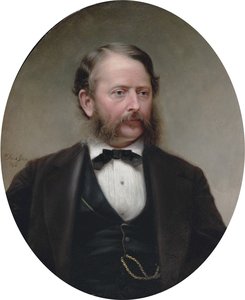
ジョン・フレデリック・ケンセット(1816年3月22日 - 1872年)は、アメリカの画家であり版画家です。コネチカット州チェシャーで生まれ、ハドソン・リバー派の第二世代を代表する人物として知られています。彼の作品は、自然の超越的な側面を称え、穏やかで光輝く質感が特徴です。ケンセットは、風景の中に潜む静寂と美しさを追求し、アメリカの自然観に深い影響を与えました。幼少期から絵画への才能を開花させ、その生涯を風景画の探求に捧げました。初期の修練とニューヨークでの活躍
ケンセットはチェシャー・アカデミーに通い、父親であるトーマス・ケンセットから版画の技術を学びました。1838年までニューヘイブンで版画家として働いた後、ニューヨーク市に移り、銀行券の版画制作に携わります。しかし、彼の心は絵画への情熱へと傾き、1840年にはヨーロッパへ渡航し、ベンジャミン・シャンピーと共に油彩技法を研鑽しました。このヨーロッパ滞在は、ケンセットの芸術的視野を広げ、後の作風形成に大きな影響を与えました。ニューヨークに戻ると、スタジオを開設し、精力的に創作活動を開始します。ルーミニズム様式の確立と自然への深い洞察
ニューヨークでスタジオを設立した後、ケンセットは北東部やコロラド・ロッキー山脈を広範囲に旅し、これらの風景の真髄を捉えました。彼のスタイルは、伝統的なハドソン・リバー派からより洗練されたルーミニズムへと進化しました。ルーミニズム様式は、抑制された筆致で大気光の質感を表現することに特徴があり、ケンセットはその先駆者として名を馳せました。1851年には、「コンウェイ渓谷からのマウント・ワシントン」がアメリカ美術連合によって購入され、13,000人の購読者に配布されました。この作品は彼の名声を高めるとともに、ルーミニズム様式の普及に貢献しました。また、1872年に制作された「ロングアイランドのイートンズ・ネック」は、ケンセットのルーミニズム様式を代表する傑作として、現在ニューヨークのメトロポリタン美術館に所蔵されています。芸術的遺産と後世への影響
ケンセットはメトロポリタン美術館の創設者の一人であり、国立デザインアカデミーの正会員でもありました。彼の作品は生前より高く評価され、現在も風景画に多大な影響を与え続けています。彼は単なる自然の描写にとどまらず、風景の中に潜む精神性や感情を表現することを目指しました。その繊細な光彩と静謐な雰囲気は、多くの人々を魅了し、アメリカ美術史における重要な位置を占めています。 主要作品:- 夕焼け空 (ca. 1870), メトロポリタン美術館, ニューヨーク
- スリーマイルハーバー (ca. 1860), タルラハシー美術館
ジョン・フレデリック・ケンセット
1816 - 1872 , アメリカ合衆国
基本情報
- Artistic Movement Or Style: ハドソン・リバー派、ルミナリズム
- Artists Or Movements Influenced By This Artist: ['ルミナリズム']
- Artists Who Influenced This Artist:
- トーマス・コール
- ベンジャミン・シャンピー
- Date Of Birth: 1816年3月22日
- Date Of Death: 1872年12月14日
- Full Name: ジョン・フレデリック・ケンセット
- Nationality: アメリカ人
- Notable Artworks (List Of Titles):
- マウント・ワシントン渓谷から
- イートンズ・ネック
- Place Of Birth (City And Country): コネチカット州チェシャー
関連記事
ハドソン・リバー派を彩る至宝:10選が示すアメリカ絵画の黄金時代
ハドソン・リバー派の至宝10選を紐解き、アメリカ絵画の黄金時代へ。壮大な自然描写と巨匠たちの技が織りなす感動の世界を体験してください。トーマス・コールからチャーチまで、ArtsDot.comで高品質なアートプリントとインテリアアイデアを見つけましょう。

The Sublime Landscape: Exploring the Hudson River School Movement
Explore the captivating world of the Hudson River School! Discover the history, artists, and defining characteristics of this iconic American art movement. Learn about Romanticism's influence & find inspiration for your collection.
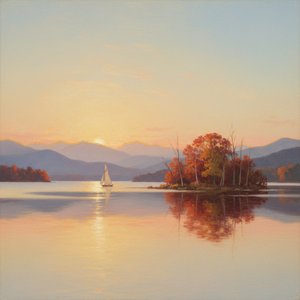
John Frederick Kensett: Luminosity, Landscape & the American Identity
Explore the luminous landscapes of John Frederick Kensett, a master of Luminism and key figure in the Hudson River School. Discover his serene paintings & enduring legacy with ArtsDot.
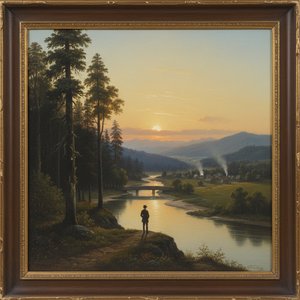
Robert Spencer: Luminism, Narrative & the American Landscape Tradition
Explore the captivating world of Luminism & the Hudson River School with our expert analysis. Discover the history, artists, and enduring beauty of 19th-century American landscape painting. Find museum-quality reproductions at ArtsDot.
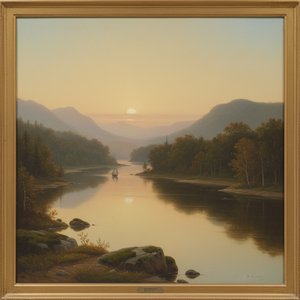
David Johnson: A Luminist Master of the Hudson River School & Beyond
Explore the captivating landscapes of David Johnson, a key figure in the Hudson River School & Luminism movement. Discover his artistic evolution, legacy, and how to collect his works with ArtsDot.