

 プレビュー
プレビュー
 プリントを購入
 シェアする
シェアする シェアする
シェアする
 詳細を見る
詳細を見る

 ダウンロード
 似ている作品
 X線調査
X線調査 スライドショー
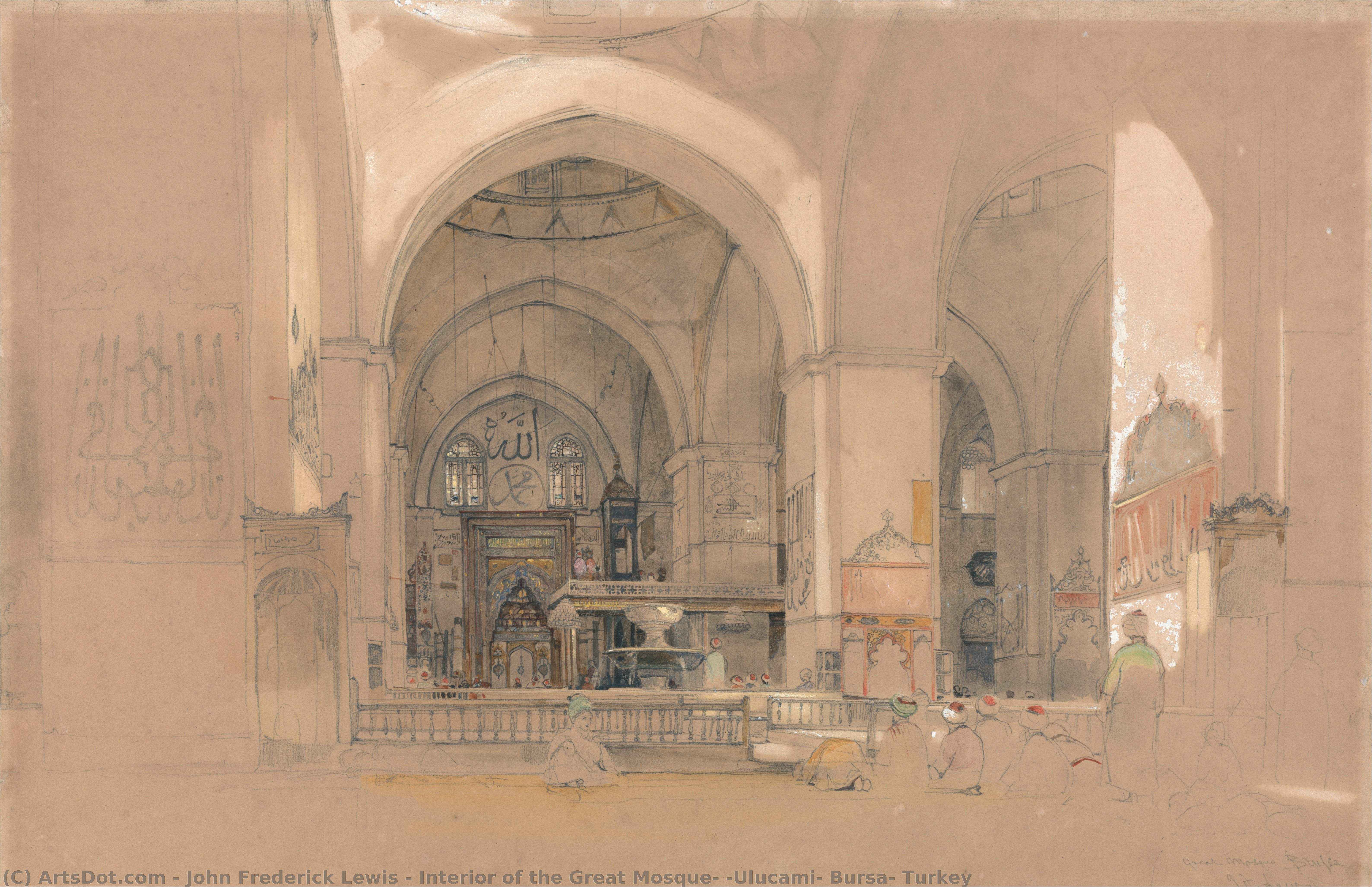
Interior of the Great Mosque, (Ulucami) Bursa, Turkey


 詳細を見る
詳細を見る
オンラインプレビューをはるかに凌ぐ、高解像度で鮮明なデジタル画像をご購入いただけます。
各ファイルは、社内の専門家が高度なツールと熟練した手作業によるレタッチを用いて、細心の注意を払って準備されています。すべての画像において、卓越した鮮明度、正確な色彩再現性、そして繊細なディテールを保証いたします。
最終ファイルは、プロフェッショナルな編集・印刷環境ですぐにご利用いただけるよう最適化された状態で、72時間以内にメールにてお届けいたします。これは、一流のデザインスタジオ、出版社、ギャラリーから信頼されているものと同等の品質です。
デジタル画像のご注文に付随する特典
高品質なデジタル画像配信を、確かな品質で。
ArtsDot.com を選ぶことは、単に画像を手に入れることではありません。それは、プロの手によって精密に仕上げられ、満足保証が付いた高品質なデジタルアートワークを受け取ることを意味します。ご注文いただいた際に自動的に付随する内容は、以下の通りです:

メールですぐにお届け
ご注文から72時間以内に、高解像度のデジタル画像ファイルがメールでお手元に届きます。すぐにそのままご利用いただけます。

AI技術で最適化されたデジタルファイル
お客様の作品は、高度なAIツールと専門家による手作業の編集を組み合わせてプロフェッショナルに最適化されており、細部のディテール、鮮明さ、そして正確な色再現性を最大限に引き出しています。

一生涯無料の再送サービス
ファイルを誤って削除したり、紛失してしまったりしましたか?ご安心ください。いつでも無料で再送いたします。

輸入手数料は一切かかりません
関税や手数料、配送料を気にすることなく、お気に入りのアートワークをすぐにお楽しみいただけます。デジタルダウンロードは常に免税です。

色彩再現の保証
プロ仕様のツールとカラーマネジメント技術を用いることで、デジタル画像が元の色を最大限に忠実に再現することを保証いたします。

60日間満足保証
ご購入いただいたデジタル画像にご満足いただけない場合は、60日以内であれば、修正または100%の返金(理由を問う必要はありません)をさせていただきます。

100% 返金保証
ご満足いただけない場合は、デジタルファイルを受け取ってから60日以内であれば、理由を問わず全額返金いたします。

まとめ買い割引
3枚購入で10%OFF - 5枚購入で15%OFF - 10枚以上購入で20%OFF。クリエイティブなプロジェクト、ギャラリー、エージェンシーに最適です。
作品の詳細
A Window into Ottoman Majesty: John Frederick Lewis’s Bursa Masterpiece
John Frederick Lewis's watercolor, “Interior of the Great Mosque, (Ulucami) Bursa, Turkey,” isn’t merely a depiction of a building; it’s a portal. Painted in 1841 during his extensive travels throughout the Ottoman Empire, this work transcends simple documentation to become a profound study of light, perspective, and the enduring beauty of Islamic architecture. The scene unfolds within the Ulu Camii (Great Mosque) in Bursa, Turkey – a city steeped in history and renowned for its rich artistic heritage. Lewis’s meticulous attention to detail transports the viewer directly into the heart of this sacred space, inviting contemplation on both its architectural grandeur and the spiritual atmosphere it embodies.
The painting immediately establishes a sense of scale and depth through his masterful use of linear perspective. The soaring arches dominate the composition, drawing the eye upwards towards the intricately decorated ceiling – a breathtaking display of muqarnas (honeycomb vaulting) that seems to defy gravity. Columns, rendered with remarkable precision, support this vast structure, creating an illusion of immense space and echoing the principles of Islamic geometry. Notice how Lewis subtly diminishes the size of elements in the background, reinforcing the viewer’s sense of being within a monumental building. The muted earth tones – ochres, browns, and subtle greens – evoke the aged stone and plaster surfaces, lending the scene a timeless quality.
The Academic Realist Approach
Lewis's style is firmly rooted in the academic realism prevalent during the 19th century. He meticulously observed and documented architectural details with an almost scientific rigor, reflecting the growing interest in systematic observation and accurate representation that characterized the era. This approach contrasts sharply with looser, more expressive styles of Romanticism, prioritizing clarity, precision, and a deep understanding of form and structure. The painting’s composition is carefully balanced, employing geometric shapes – circles for arches, rectangles for panels – to create visual harmony. The layering of watercolor washes creates a subtle texture that mimics the rough surfaces of stone and plaster, adding tactile interest to the image.
Beyond mere representation, Lewis demonstrates an acute awareness of light and shadow. The source of illumination remains subtly ambiguous, casting long shadows that accentuate the depth and three-dimensionality of the space. This skillful manipulation of light not only enhances the realism of the scene but also imbues it with a sense of solemnity and reverence – qualities essential to understanding Islamic sacred spaces. The inclusion of a small figure in the lower right corner provides a crucial element of scale, reminding us of the human experience within this monumental structure.
Symbolism and Historical Context
The Ulu Camii itself holds significant historical importance as one of Bursa’s oldest mosques, dating back to the 14th century. It was originally built by Sultan Murad I and later rebuilt by his son, Mehmed II. The mosque's architecture reflects a blend of Seljuk, Ottoman, and Byzantine influences, showcasing the rich artistic traditions of the region. Lewis’s painting serves as a valuable record of this architectural heritage, capturing the essence of the Ulu Camii at a specific moment in time. It is important to note that Bursa was a vital center for trade and craftsmanship during the Ottoman period, fostering an environment of artistic innovation and cultural exchange.
Furthermore, Lewis’s work aligns with the broader trend of Orientalist painting – a genre that emerged during the 19th century, depicting scenes from the Middle East and North Africa. While often criticized for romanticizing or exoticizing these cultures, Orientalism also fostered a greater understanding and appreciation of diverse artistic traditions. Lewis's meticulous attention to detail and his respectful portrayal of Islamic architecture demonstrate a genuine interest in documenting and celebrating this rich cultural heritage.
A Timeless Masterpiece
“Interior of the Great Mosque, (Ulucami) Bursa, Turkey” is more than just a beautiful painting; it’s a testament to John Frederick Lewis's artistic skill and his deep appreciation for Islamic architecture. Its enduring appeal lies in its ability to transport the viewer to another time and place, inviting contemplation on themes of faith, beauty, and human ingenuity. Reproductions of this remarkable work offer a unique opportunity to bring a piece of Ottoman history into your home or office – a timeless reminder of the splendor and spiritual significance of Islamic art.
関連作品
作家の略歴
ジョン・フレデリック・ルイス:オリエンタリズム絵画の生涯
ジョン・フレデリック・ルイスは、1804年7月14日にロンドンで生まれました。彼の父、フレデリック・クリスチャン・ルイスは、版画家であり風景画家でした。この芸術的な家庭環境は、彼のかつてない才能の開花に大きな影響を与えたことは間違いありません。正式な訓練は、サー・トーマス・ローレンスの下で始まり、エドウィン・ランドシーアのような同僚たちと共に技術と構成力を磨きました。この基礎的な時期は、彼に確固たる技術的理解と構図力を植え付けました。
芸術的キャリアと発展
ルイスの芸術的キャリアは、進化するスタイルとテーマに焦点を当てたいくつかの明確な段階を経て展開されました:
- オリエンタリズム時代: ルイスは地中海地域への広範な旅行に着手し、詳細な水彩画や油絵でその本質を丹念に捉えました。彼は頻繁に構成を再訪し、複数のメディアを通して表現しました。
- スペインとモロッコの影響 (1832-1834): スペインとモロッコのツアーは重要な転換点となりました。彼は後に「アルハンブラのスケッチと図面」(1835年)および「ルイスのスペインのスケッチとスペイン人の性格」(1836年)として出版された多くのリトグラフを制作しました。
- エジプト時代 (1841-1851): カイロでの滞在は、彼にとって最も生産的な時期であったと言えるでしょう。ここで彼はオリエンタリズム様式を完成させ、現実的なジャンルシーンと上流階級のエジプトのインテリアの理想化された描写の両方を示す非常に詳細な作品を生み出しました。
代表作
ルイスは、その細部へのこだわりと喚起的な雰囲気で称賛される膨大な数の作品を制作しました。彼の最も有名な作品には以下が含まれます:
- ベドウィン (イェール大学英国美術センター、ニューヘイブン) – 彼のオリエンタリズム様式を示す水彩画です。
- テーベのラメセウム (イェール大学英国美術センター、ニューヘイブン) – 彼の卓越した建築的細部への注意を示しています。
- 若いトルコ人女性 (イェール大学英国美術センター、ニューヘイブン) – 彼のオリエンタリズム作品のもう一つの素晴らしい例です。
- コンスタンティノープルのハーレム生活 - オスマン帝国の家庭生活を描いた詳細な油絵。
影響と芸術的スタイル
ルイスのスタイルは、いくつかの影響を受けて形作られました。最も注目すべきは、サー・トーマス・ローレンスによる肖像画と構成への重点です。しかし、中東文化を直接観察することで、彼は以下によって特徴付けられる独自の美学を発展させることができました:
- 細部へのこだわり: テクスチャ、パターン、建築要素を正確に表現することへのコミットメント。
- 豊かな色彩パレット: 彼が出会った風景や衣装からインスピレーションを得た鮮やかな色調を採用しました。
- ジャンルシーンとインテリアビュー: 日常生活や親密な家庭環境に焦点を当てました。
遺産と歴史的意義
ルイスの芸術界への貢献は、オリエンタリズム絵画の開発における彼の重要な役割にあります。イスラム建築、家具、衣装の丹念な描写は、ジャンル内でのリアリズムの新たな基準を設定しました。彼は西洋の聴衆の間で中東のロマンチックでありながら詳細なビジョンを広めるのに役立ちました。1851年にイングランドに戻った後、彼は8月15日にウォルトン・オン・テムズで亡くなるまで絵を描き続けました。
彼の作品は、芸術的価値と19世紀のオリエントに対する歴史的な洞察力のために研究され、賞賛され続けています。
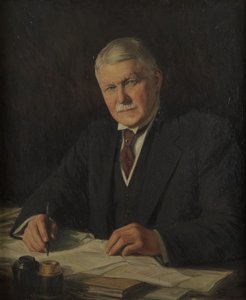
ジョン・フレデリック・ルイス
1804 - 1876 , イギリス
プロフィール概要
- Artistic Movement Or Style: オリエンタリズム
- Artists Who Influenced This Artist: ['サー・トーマス・ローレンス']
- Date Of Birth: 1804年7月14日
- Date Of Death: 1876年8月15日
- Full Name: ジョン・フレデリック・ルイス
- Nationality: イギリス人
- Notable Artworks (List Of Titles):
- ベドウィン
- ラメセウムの神殿
- 若いトルコ人女性
- Place Of Birth (City And Country): ロンドン、イギリス

