

 プレビュー
プレビュー
 プリントを購入
 シェアする
シェアする シェアする
シェアする
 詳細を見る
詳細を見る

 ダウンロード
 似ている作品
 X線調査
X線調査 スライドショー
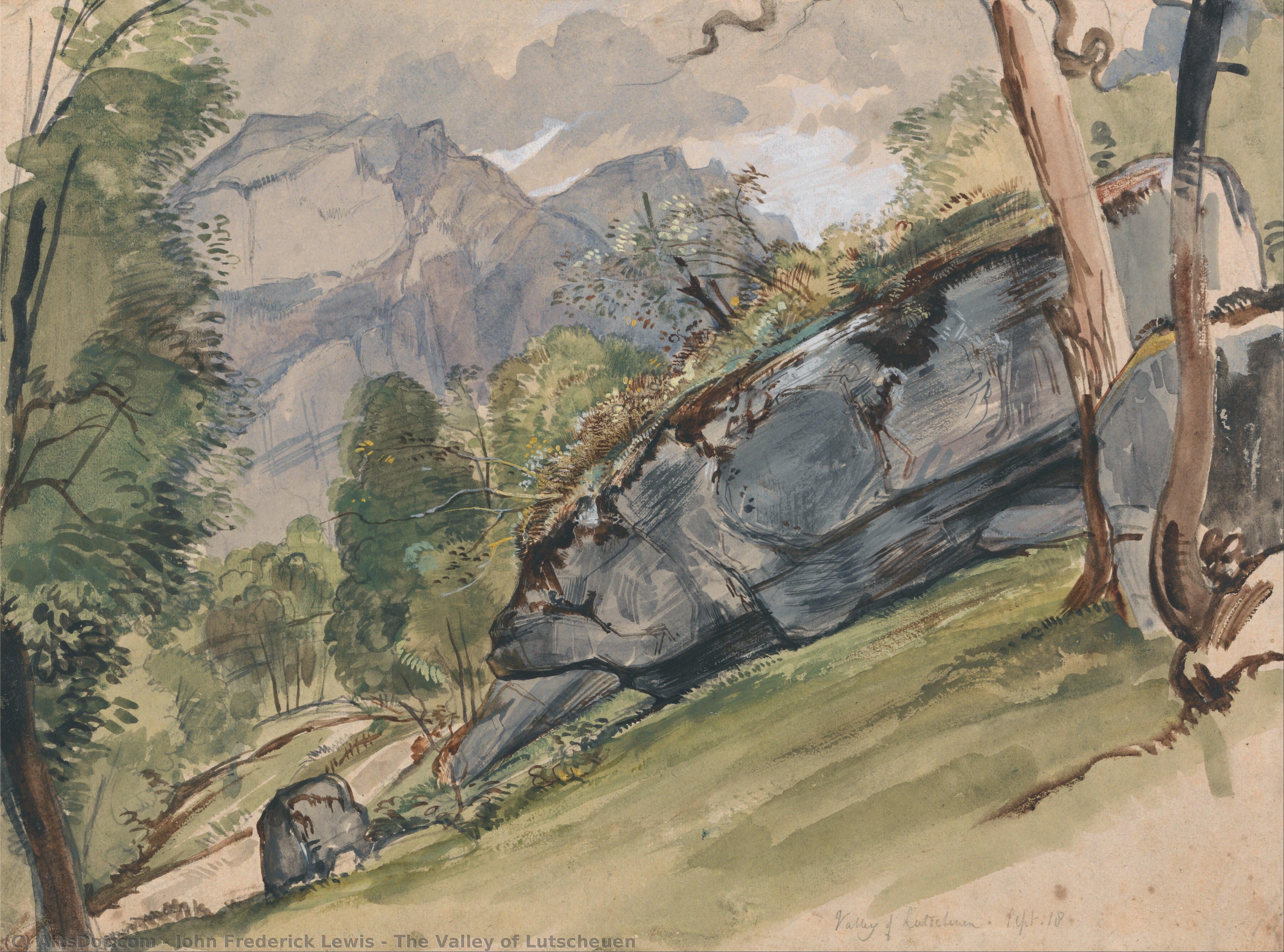
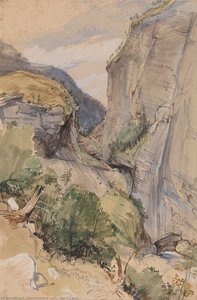
The Valley of Lutscheuen


 詳細を見る
詳細を見る




P118B $10

P118H $10

P118W $10

P438Z $10

P508JH $12

P508YH $12

P805H $10

P805Z $10

P919BZ $10

P919G $10

P919XJ $10

P959ZH $10

P968JZ $12

W106C $8

W218G $10

W218JH $8

W218Y $10

W307PJ $10

W316G $10

W316PJ $8

W316Y $10

W398PJ $8

W4111J $10

W500HY $15

W500JH $15

W692G $12

W849H $8

W940BG $15

W953PJ $8




作品のオリジナル比率に合わせた、当店の規定サイズからお選びください。

特定のフレームやスペースに合わせて、ご希望のサイズをご入力いただけます。選択されたサイズが元の画像の比率と異なる場合、アートワークをトリミングするか、手描きで要素を追加して絵画を拡張いたします。デジタルモックアップ を制作し、制作開始前にご確認(承認)をいただきます。
画面上のプレビューは、実際のトリミングや拡張を正確に反映しているものではありません。最終的な構図は、モックアップによってのみ正確にご確認いただけます。
カスタムサイズもご利用いただけますが、元の比率を維持するためには、あらかじめ用意されたリストからサイズを選択することをお勧めいたします。
ご注文後、ArtsDot.com チームより詳細な指示をお送りするとともに、仕上がりイメージ(モックアップ)をご提供いたします。


 ガラスオプションは、110cm未満のサイズでのみご利用いただけます。

The Valley of Lutscheuen
複製技法
複製画のサイズ
-


合計金額
$ 263
作品解説
A Glimpse of a Lost World: The Genesis of “The Valley of Lutscheuen”
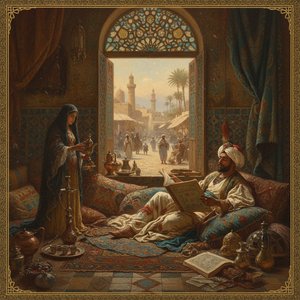
John Frederick Lewis’s “The Valley of Lutscheuen,” painted in 1827, isn't merely a landscape; it’s a meticulously crafted portal into a world both familiar and profoundly distant. Born from the burgeoning fascination with the East that gripped Europe during the early 19th century, this watercolor and graphite masterpiece embodies the spirit of Orientalism – a genre defined not just by its subject matter but by the artist's attempt to capture an elusive, romanticized essence of foreign lands. Lewis, having spent formative years in Cairo, brought with him a deep understanding of Islamic architecture, customs, and the subtle nuances of light and shadow that characterized the region’s landscapes. The painting isn’t a straightforward depiction of a valley; it's a carefully constructed illusion, designed to evoke a sense of timelessness and serene beauty – a deliberate antidote to the often-turbulent realities of the era.
Lewis’s artistic journey began under the tutelage of Sir Thomas Lawrence, a formative experience that instilled in him a rigorous approach to composition and technique. However, it was his extended sojourn in Egypt—a period of intense observation and immersion—that truly shaped his style. He wasn't simply sketching; he was actively studying the way light played across ancient stone, the patterns woven into textiles, and the expressions on the faces of local people. This dedication to detail is immediately apparent in “The Valley of Lutscheuen,” where every element – from the rugged texture of the mountains to the delicate folds of the figures’ garments – feels painstakingly rendered.
Technique and Materials: A Masterclass in Watercolor
What distinguishes “The Valley of Lutscheuen” is not just its subject matter, but also Lewis's masterful handling of watercolor. He employed a technique that combined delicate washes with precise graphite outlining, creating a remarkable sense of depth and texture. The layering of colors—subtle blues and greens for the distant mountains, warmer ochres and browns for the foreground—is executed with an almost photographic realism. The use of white gouache adds highlights and definition, while the careful scratching out in the medium creates a dynamic interplay between light and shadow, lending the scene a palpable sense of atmosphere. It’s a testament to Lewis's skill that he could achieve such intricate detail and luminosity using this relatively fluid medium.
The choice of paper – cream wove – further contributes to the painting’s overall effect. This type of paper provides a slightly textured surface, allowing the watercolor pigments to settle in with greater depth and preventing them from becoming overly flat or glossy. This careful attention to materials underscores Lewis's commitment to creating a work of enduring quality.
Symbolism and Context: More Than Just a Landscape
Beyond its aesthetic beauty, “The Valley of Lutscheuen” is rich in symbolic meaning. The valley itself represents a sanctuary—a place of peace and tranquility removed from the complexities of European society. The figures depicted – likely shepherds or travelers – embody a sense of timelessness and connection to nature. Their simple attire and unhurried pace suggest a life lived in harmony with the land, a stark contrast to the increasingly industrialized world that was rapidly transforming Europe. The painting can be interpreted as an idealized vision of the East—a romanticized portrayal of a culture perceived as both exotic and virtuous.
Furthermore, “The Valley of Lutscheuen” reflects the broader intellectual currents of its time. Orientalism wasn’t simply about depicting foreign lands; it was also about exploring questions of identity, cultural difference, and the relationship between East and West. Lewis's work, like that of many other Orientalist painters, engaged with these complex themes in a nuanced and often ambivalent way.
A Timeless Appeal: The Painting’s Enduring Legacy
“The Valley of Lutscheuen” continues to captivate viewers today because it transcends its historical context. Its serene beauty, meticulous detail, and evocative atmosphere evoke a sense of wonder and nostalgia—a longing for a world that may never have truly existed but nonetheless feels profoundly real. Reproductions of this painting offer an opportunity to bring this timeless scene into your own home, adding a touch of elegance and sophistication to any space. It’s more than just a decoration; it's a window into the soul of Orientalism—a testament to the power of art to transport us beyond our everyday lives.
関連作品
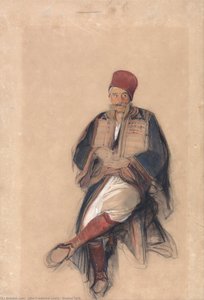
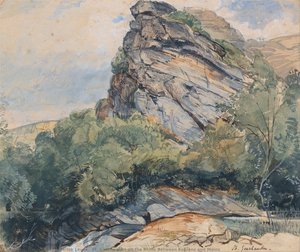
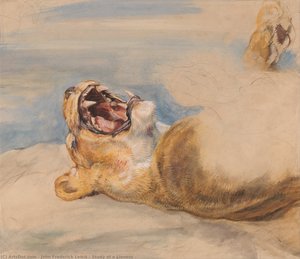
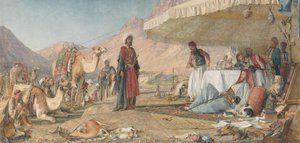
アーティストの略歴
ジョン・フレデリック・ルイス:オリエンタリズム絵画の生涯
ジョン・フレデリック・ルイスは、1804年7月14日にロンドンで生まれました。彼の父、フレデリック・クリスチャン・ルイスは、版画家であり風景画家でした。この芸術的な家庭環境は、彼のかつてない才能の開花に大きな影響を与えたことは間違いありません。正式な訓練は、サー・トーマス・ローレンスの下で始まり、エドウィン・ランドシーアのような同僚たちと共に技術と構成力を磨きました。この基礎的な時期は、彼に確固たる技術的理解と構図力を植え付けました。
芸術的キャリアと発展
ルイスの芸術的キャリアは、進化するスタイルとテーマに焦点を当てたいくつかの明確な段階を経て展開されました:
- オリエンタリズム時代: ルイスは地中海地域への広範な旅行に着手し、詳細な水彩画や油絵でその本質を丹念に捉えました。彼は頻繁に構成を再訪し、複数のメディアを通して表現しました。
- スペインとモロッコの影響 (1832-1834): スペインとモロッコのツアーは重要な転換点となりました。彼は後に「アルハンブラのスケッチと図面」(1835年)および「ルイスのスペインのスケッチとスペイン人の性格」(1836年)として出版された多くのリトグラフを制作しました。
- エジプト時代 (1841-1851): カイロでの滞在は、彼にとって最も生産的な時期であったと言えるでしょう。ここで彼はオリエンタリズム様式を完成させ、現実的なジャンルシーンと上流階級のエジプトのインテリアの理想化された描写の両方を示す非常に詳細な作品を生み出しました。
代表作
ルイスは、その細部へのこだわりと喚起的な雰囲気で称賛される膨大な数の作品を制作しました。彼の最も有名な作品には以下が含まれます:
- ベドウィン (イェール大学英国美術センター、ニューヘイブン) – 彼のオリエンタリズム様式を示す水彩画です。
- テーベのラメセウム (イェール大学英国美術センター、ニューヘイブン) – 彼の卓越した建築的細部への注意を示しています。
- 若いトルコ人女性 (イェール大学英国美術センター、ニューヘイブン) – 彼のオリエンタリズム作品のもう一つの素晴らしい例です。
- コンスタンティノープルのハーレム生活 - オスマン帝国の家庭生活を描いた詳細な油絵。
影響と芸術的スタイル
ルイスのスタイルは、いくつかの影響を受けて形作られました。最も注目すべきは、サー・トーマス・ローレンスによる肖像画と構成への重点です。しかし、中東文化を直接観察することで、彼は以下によって特徴付けられる独自の美学を発展させることができました:
- 細部へのこだわり: テクスチャ、パターン、建築要素を正確に表現することへのコミットメント。
- 豊かな色彩パレット: 彼が出会った風景や衣装からインスピレーションを得た鮮やかな色調を採用しました。
- ジャンルシーンとインテリアビュー: 日常生活や親密な家庭環境に焦点を当てました。
遺産と歴史的意義
ルイスの芸術界への貢献は、オリエンタリズム絵画の開発における彼の重要な役割にあります。イスラム建築、家具、衣装の丹念な描写は、ジャンル内でのリアリズムの新たな基準を設定しました。彼は西洋の聴衆の間で中東のロマンチックでありながら詳細なビジョンを広めるのに役立ちました。1851年にイングランドに戻った後、彼は8月15日にウォルトン・オン・テムズで亡くなるまで絵を描き続けました。
彼の作品は、芸術的価値と19世紀のオリエントに対する歴史的な洞察力のために研究され、賞賛され続けています。
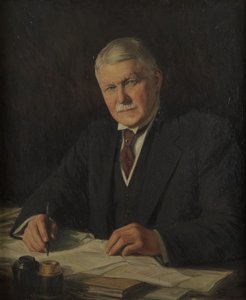
ジョン・フレデリック・ルイス
1804 - 1876 , イギリス
基本情報
- Artistic Movement Or Style: オリエンタリズム
- Artists Who Influenced This Artist: ['サー・トーマス・ローレンス']
- Date Of Birth: 1804年7月14日
- Date Of Death: 1876年8月15日
- Full Name: ジョン・フレデリック・ルイス
- Nationality: イギリス人
- Notable Artworks (List Of Titles):
- ベドウィン
- ラメセウムの神殿
- 若いトルコ人女性
- Place Of Birth (City And Country): ロンドン、イギリス
関連記事

ジョン・コンスタブルの傑作25選:英国風景画の巨匠が描く自然と光の詩 | ArtsDot
ジョン・コンスタブルの傑作25選。英国風景画の巨匠が描く自然と光の詩の世界へ。ロマン主義を代表する絵画、デダム・ヴェールやヘイ・ウェインなど、ArtsDotで高品質なアートプリントをお楽しみください。インテリアに深みと感動を。コレクションはこちら。
John Frederick Lewis: Orientalism, Detail & Genre Painting in 19th-Century British Art
Explore the captivating Orientalist paintings of John Frederick Lewis! Discover his mastery of detail, genre scenes & influence on 19th-century British art. Learn about his life, techniques & legacy at ArtsDot.

Watercolor Wonders: 10 Masterpieces That Redefined Art History | ArtsDot
Journey through 10 legendary watercolor masterpieces by Sargent, Turner & Homer! Explore iconic landscapes, portraits & floral art that redefined history. Find museum-quality reproductions and curated decor ideas at ArtsDot.com.

ジョン・シンガー・サージェント:至高の25選 - 美と光の肖像画の世界 | ArtsDot
ジョン・シンガー・サージェントの至高の25選。肖像画、写実主義、光と影の表現が美しい作品群を紐解きます。マダムXや少女の肖像など、時代を超えて愛される名作をArtsDotで鑑賞。高品質なアート複製で、お部屋に美術館のような空間を。今すぐコレクションをご覧ください。

Ephemeral Visions: Exploring the Artistic Legacy & Contemporary Practice of Watercolor Painting
Explore the captivating world of watercolor painting! Discover its rich history, essential techniques, influential artists & collecting tips. A comprehensive guide for art enthusiasts from ArtsDot.

