

 プレビュー
プレビュー
 プリントを購入
 シェアする
シェアする シェアする
シェアする
 詳細を見る
詳細を見る

 ダウンロード
 似ている作品
 X線調査
X線調査 スライドショー
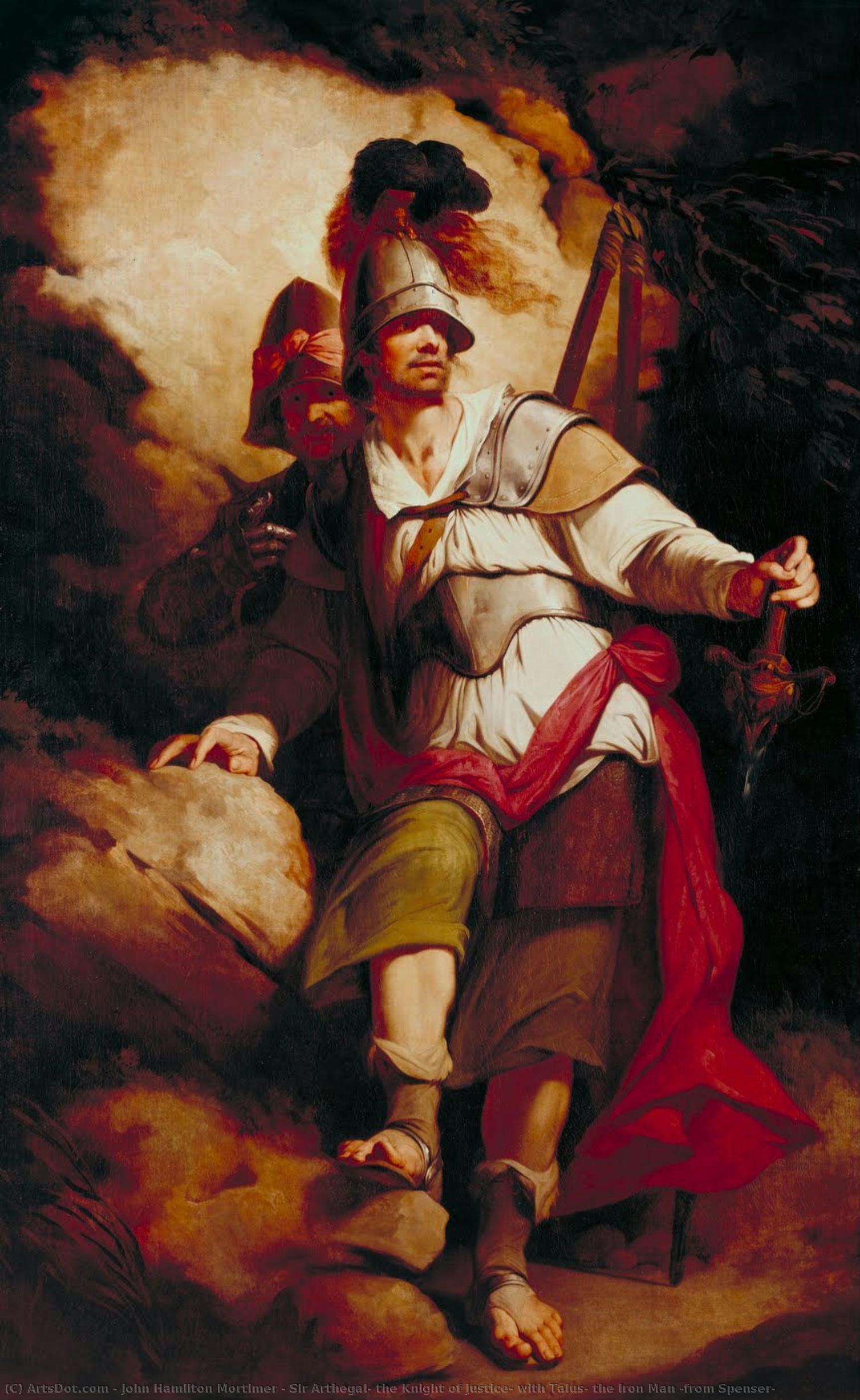
Sir Arthegal, the Knight of Justice, with Talus, the Iron Man (from Spenser
 Oil On Canvas
- WallArt
- Romantic Hues
 1778
1778 14.0 x 242.0 cm
 テート・ブリテン
 詳細を見る
詳細を見る




P118B $10

P118H $10

P118W $10

P438Z $10

P508JH $12

P508YH $12

P805H $10

P805Z $10

P919BZ $10

P919G $10

P919XJ $10

P959ZH $10

P968JZ $12

W106C $8

W218G $10

W218JH $8

W218Y $10

W307PJ $10

W316G $10

W316PJ $8

W316Y $10

W398PJ $8

W4111J $10

W500HY $15

W500JH $15

W692G $12

W849H $8

W940BG $15

W953PJ $8




作品のオリジナル比率に合わせた、当店の規定サイズからお選びください。

特定のフレームやスペースに合わせて、ご希望のサイズをご入力いただけます。選択されたサイズが元の画像の比率と異なる場合、アートワークをトリミングするか、手描きで要素を追加して絵画を拡張いたします。デジタルモックアップ を制作し、制作開始前にご確認(承認)をいただきます。
画面上のプレビューは、実際のトリミングや拡張を正確に反映しているものではありません。最終的な構図は、モックアップによってのみ正確にご確認いただけます。
カスタムサイズもご利用いただけますが、元の比率を維持するためには、あらかじめ用意されたリストからサイズを選択することをお勧めいたします。
ご注文後、ArtsDot.com チームより詳細な指示をお送りするとともに、仕上がりイメージ(モックアップ)をご提供いたします。


 ガラスオプションは、110cm未満のサイズでのみご利用いただけます。

Sir Arthegal, the Knight of Justice, with Talus, the Iron Man (from Spenser
複製技法
複製画のサイズ
-


合計金額
$ 263
A Study in Romantic Drama: John Hamilton Mortimer’s “Sir Arthegal, the Knight of Justice, with Talus, the Iron Man”
John Hamilton Mortimer's "Sir Arthegal, the Knight of Justice, with Talus, the Iron Man," painted in 1778, stands as a testament to the burgeoning Romantic movement within British art. More than just a portrait, it’s an ambitious exploration of heroism and moral fortitude, deeply rooted in Spenser's epic poem *Faerie Queene*, and imbued with a palpable sense of dramatic tension. Mortimer eschewed the polished conventions of his time, opting instead for a deliberately raw aesthetic that prioritized process over perfection—a decision that speaks volumes about his artistic philosophy and its engagement with broader cultural currents. The painting depicts Sir Arthegal, a knight embodying righteousness and courage, accompanied by Talus, the Iron Man – a figure representing steadfastness and resilience – against a backdrop of rugged rock formations. Mortimer’s masterful use of oil paint on canvas immediately establishes an atmosphere of grandeur and seriousness. The artist eschewed meticulous detail in favor of expressive brushstrokes that capture the dynamism of the scene. Thick impasto—heavy application of pigment—dominates the surface, creating textural richness and conveying a feeling of immediacy. This technique wasn’t merely decorative; it served as a deliberate challenge to the prevailing artistic standards of the era, where smoothness and refinement were considered paramount. Symbolism permeates every element of the composition. The rocky landscape symbolizes adversity and obstacles confronting the knight's quest for virtue. Mortimer skillfully employs chiaroscuro—the dramatic interplay of light and shadow—to heighten the emotional impact of the artwork. Talus’s unwavering gaze directs the viewer’s attention toward the central figure, reinforcing his role as a symbol of moral fortitude. The inclusion of two birds – one positioned near the upper left corner and another towards the lower right – adds an element of visual complexity and subtly suggests themes of aspiration and vigilance. Mortimer's deliberate choice to leave visible brushstrokes underscores the importance of artistic labor and celebrates the materiality of paint itself, elevating it beyond mere representation. Beyond its formal qualities, “Sir Arthegal, the Knight of Justice, with Talus, the Iron Man” resonates deeply with the Romantic spirit’s fascination for emotion and imagination. Mortimer's depiction captures a moment of intense confrontation—a palpable sense of anticipation—that invites contemplation on themes of heroism and moral struggle. The painting’s enduring appeal lies in its ability to convey not just what is seen but also what is felt, reflecting the Romantic preoccupation with capturing subjective experience and exploring the sublime beauty of nature alongside human endeavor. It's a piece that continues to inspire admiration for its artistic innovation and its profound engagement with the intellectual and spiritual concerns of its time.- Artist: John Hamilton Mortimer
- Year: 1778
- Medium: Oil on Canvas
- Dimensions: 14 x 242 cm
- Location: Tate Britain
関連作品
関連記事
Sir Joshua Reynolds' Masterpieces: 25 Portraits of Power & Refinement | ArtsDot
Explore 25 captivating portraits by Sir Joshua Reynolds, a master of British art. Discover stories behind his iconic paintings, elegant style & historical influence. Find museum-quality reproductions and elevate your home decor on ArtsDot.com.

ジョン・シンガー・サージェント:至高の25選 - 美と光の肖像画の世界 | ArtsDot
ジョン・シンガー・サージェントの至高の25選。肖像画、写実主義、光と影の表現が美しい作品群を紐解きます。マダムXや少女の肖像など、時代を超えて愛される名作をArtsDotで鑑賞。高品質なアート複製で、お部屋に美術館のような空間を。今すぐコレクションをご覧ください。

ジョン・コンスタブルの傑作25選:英国風景画の巨匠が描く自然と光の詩 | ArtsDot
ジョン・コンスタブルの傑作25選。英国風景画の巨匠が描く自然と光の詩の世界へ。ロマン主義を代表する絵画、デダム・ヴェールやヘイ・ウェインなど、ArtsDotで高品質なアートプリントをお楽しみください。インテリアに深みと感動を。コレクションはこちら。

Sir Alfred Munnings' Masterpieces: 25 Paintings That Define Equine Art | ArtsDot
Explore 25 iconic Sir Alfred Munnings paintings! Discover the beauty of British Impressionism, equine art & rural England. Find museum-quality reproductions and elevate your home decor with ArtsDot. Explore the full collection online.
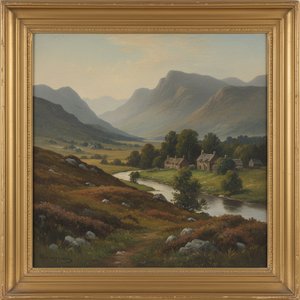
Sir John Watson Gordon: A Study in Scottish Landscape Painting & Tonal Impressionism
Explore the captivating portraits of Sir John Watson Gordon, a leading Scottish master. Discover his evolution from neoclassical style to atmospheric Tonalism and influence on 19th-century British art. Learn about his iconic sitters & legacy.


