

 プレビュー
プレビュー
 シェアする
シェアする シェアする
シェアする
 詳細を見る
詳細を見る

 ダウンロード
 似ている作品
 X線調査
X線調査 スライドショー
 Stats
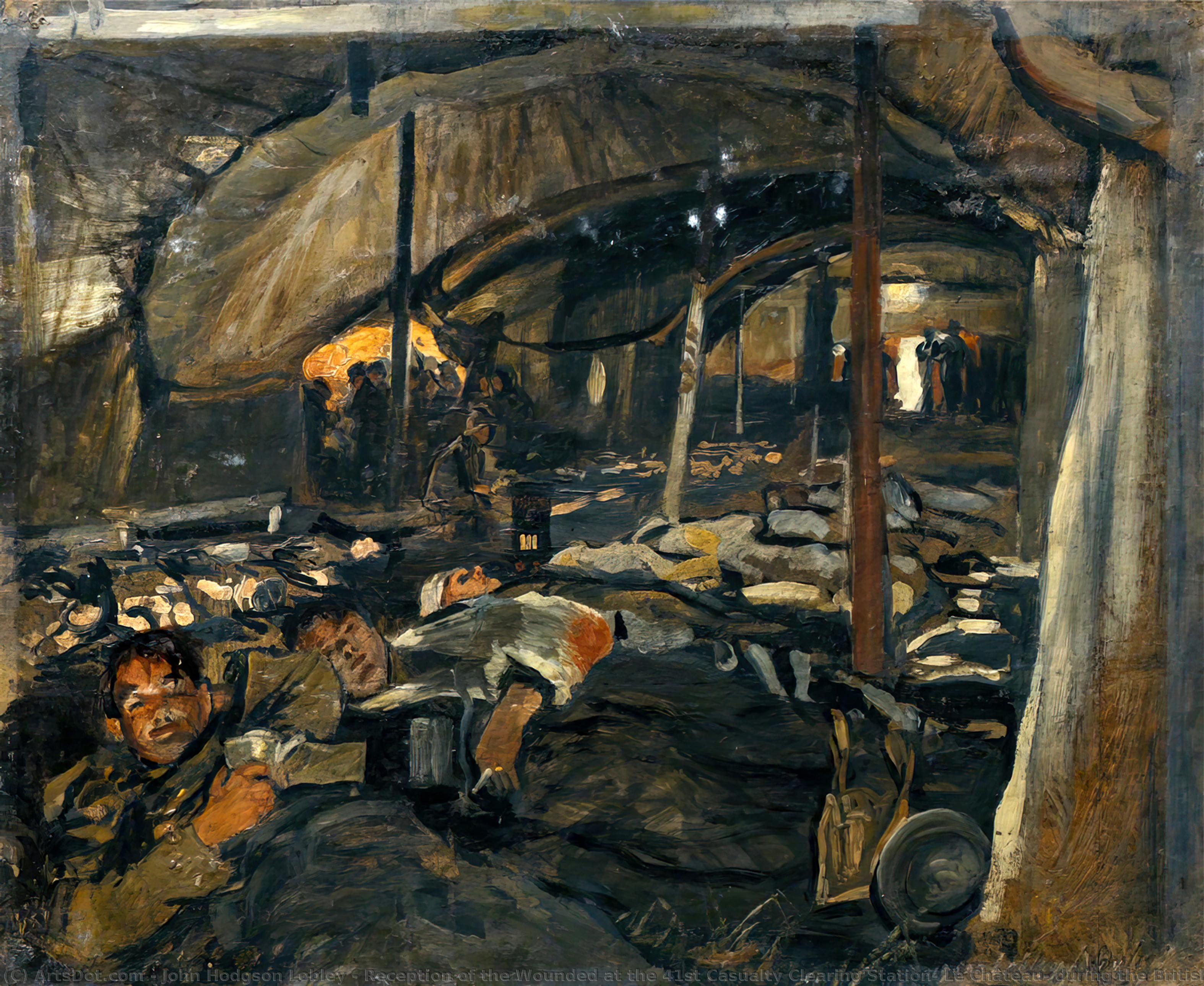
StatsReception of the Wounded at the 41st Casualty Clearing Station, Le Château, during the British Advance in October 1918
 1918
1918 34.0 x 41.0 cm
 詳細を見る
詳細を見る
オンラインプレビューをはるかに凌ぐ、高解像度で鮮明なデジタル画像をご購入いただけます。
各ファイルは、社内の専門家が高度なツールと熟練した手作業によるレタッチを用いて、細心の注意を払って準備されています。すべての画像において、卓越した鮮明度、正確な色彩再現性、そして繊細なディテールを保証いたします。
最終ファイルは、プロフェッショナルな編集・印刷環境ですぐにご利用いただけるよう最適化された状態で、72時間以内にメールにてお届けいたします。これは、一流のデザインスタジオ、出版社、ギャラリーから信頼されているものと同等の品質です。
デジタルアート
個人での鑑賞、印刷、クリエイティブなプロジェクト用に、高解像度ファイルをダウンロードできます。 ( Switch to Print 手描きの絵画を購入)
デジタル画像のご注文に付随する特典
高品質なデジタル画像配信を、確かな品質で。
ArtsDot.com を選ぶことは、単に画像を手に入れることではありません。それは、プロの手によって精密に仕上げられ、満足保証が付いた高品質なデジタルアートワークを受け取ることを意味します。ご注文いただいた際に自動的に付随する内容は、以下の通りです:

メールですぐにお届け
ご注文から72時間以内に、高解像度のデジタル画像ファイルがメールでお手元に届きます。すぐにそのままご利用いただけます。

AI技術で最適化されたデジタルファイル
お客様の作品は、高度なAIツールと専門家による手作業の編集を組み合わせてプロフェッショナルに最適化されており、細部のディテール、鮮明さ、そして正確な色再現性を最大限に引き出しています。

一生涯無料の再送サービス
ファイルを誤って削除したり、紛失してしまったりしましたか?ご安心ください。いつでも無料で再送いたします。

輸入手数料は一切かかりません
関税や手数料、配送料を気にすることなく、お気に入りのアートワークをすぐにお楽しみいただけます。デジタルダウンロードは常に免税です。

色彩再現の保証
プロ仕様のツールとカラーマネジメント技術を用いることで、デジタル画像が元の色を最大限に忠実に再現することを保証いたします。

100日間満足保証
ご購入いただいたデジタル画像にご満足いただけない場合は、100日以内であれば、理由を問わず修正または100%の返金対応をさせていただきます。

100% 返金保証
ご満足いただけない場合は、デジタルファイルを受け取ってから100日以内であれば、理由を問わず全額返金いたします。

まとめ買い割引
3枚購入で10%OFF - 5枚購入で15%OFF - 10枚以上購入で20%OFF。クリエイティブなプロジェクト、ギャラリー、エージェンシーに最適です。
The Setting and Composition
The scene is set in an underground area, likely a tunnel or bunker, where wounded soldiers are being tended to by medical personnel. The background features a dimly lit tunnel, while the foreground is filled with men lying on the ground, their clothes torn off due to injuries sustained during the battle. There are at least 12 people visible in the image, some lying down while others are standing or sitting. Scattered throughout the scene are bottles that may have been used for hydration or medical purposes.Artistic Significance
John Hodgson Lobley's work is notable for its realistic and detailed portrayal of war scenes. This painting, in particular, captures the chaos and desperation of a casualty clearing station during the British advance in October 1918. The use of oil on panel allows for a rich texture and depth, enhancing the emotional impact of the scene.Other Works by John Hodgson Lobley
John Hodgson Lobley was a prolific artist who documented various aspects of World War I. Some of his other notable works include:- The Artist's Wife in a Blue Kimono (147 x 74 cm, Oil On Canvas)
- Loading Wounded at Boulogne (206 x 277 cm, Oil On Canvas)
- Hospital Barges in Flanders (33 x 41 cm, Oil On Panel)
Museums and Collections
The Musée du Vieux Château in Laval, France, is a historical museum housed in a 12th-century castle that was the former residence of the Counts of Laval. It is an important cultural institution in the region and attracts visitors interested in history and art.Conclusion
Reception of the Wounded at the 41st Casualty Clearing Station, Le Château, during the British Advance in October 1918 by John Hodgson Lobley is a powerful and moving piece that captures the essence of war's human toll. Through his detailed and realistic depiction, Lobley brings to life the struggles faced by soldiers and medical personnel during World War I. This painting serves as a poignant reminder of the sacrifices made during times of conflict. For those interested in acquiring high-quality reproductions of this and other artworks, ArtsDot offers handmade oil paintings that capture the essence of original masterpieces.関連作品








作家の略歴
A Legacy of Resilience: The Life and Art of John Hodgson Lobley
Born in the industrious heart of Huddersfield, Yorkshire, in 1878, John Hodgson Lobley emerged from a family of woollen merchants to carve out a profound place in the annals of British art history. His early years were defined by a rigorous academic pursuit, as he sought refinement within the prestigious halls of the Slade School of Fine Art, the Royal College of Art, and the Royal Academy. These institutions provided him with more than just technical mastery; they instilled a meticulous discipline of observation that would later allow him to capture the most harrowing and tender moments of human existence with unparalleled clarity. While his roots were in the North, Lobley’s life eventually led him to the vibrant atmosphere of London, where he married Eliza Maud Grimshaw, and later to the serene landscapes of Dorset, a move that mirrored the shifting focus of his creative spirit.
The trajectory of Lobley’s career was irrevocably altered by the onset of the Great War. Commissioned by the Royal Army Medical Corps, he was tasked with an immense and emotionally taxing responsibility: to document the medical efforts of the British forces during World War I. Unlike many of his contemporaries who sought to capture the thunderous glory of the battlefield or the heroic charge of cavalry, Lobley turned his gaze toward the quiet, often overlooked corners of conflict. He produced over 120 paintings that served as a vital visual record of rehabilitation hospitals, training camps, and casualty clearing stations across France and Britain. His work from this period, such as the hauntingly realistic Reception of the Wounded at the 41st Casualty Clearing Station, eschews the romanticism of war in favor of a somber, empathetic realism that highlights the dignity of the wounded and the tireless devotion of medical personnel.
Technique, Influence, and the Impressionist Eye
While his wartime subject matter demanded a certain level of documentary precision, Lobley’s artistic soul was deeply nourished by the movements of Impressionism and Post-Impressionism. He did not merely seek to replicate reality; he sought to translate the ephemeral qualities of light, atmosphere, and emotion onto the canvas. This stylistic inclination is most evident in his landscapes and his more intimate portraits. By utilizing a sophisticated blend of color palettes and expressive brushstrokes, he was able to imbant his scenes with a psychological depth that transcends simple representation. Whether depicting the tranquil beauty of a London park or the golden hues of a sunset over the English countryside, Lobley’s hand was always guided by an attempt to capture the fleeting essence of a moment.
His technical prowess was recognized early in his career through significant accolades, including the prestigious Turner Gold Medal for landscape painting in 1903. This foundation of excellence allowed him to navigate various genres with ease, moving from the structured compositions of his academic training to the more fluid, atmospheric qualities of his later works. His ability to balance the heavy, somber tones required for his military hospital scenes with the luminous, airy textures of his landscapes demonstrates a remarkable versatility that few artists of his era could claim.
Historical Significance and Lasting Impression
The historical importance of John Hodgson Lobley lies in his role as a witness to history. His paintings function as much as historical documents as they do works of fine art, offering a poignant glimpse into the daily realities of medical care during one of the most turbulent periods of the twentieth century. Through his lens, we see the quiet dignity of those recovering from trauma and the resilience of the human spirit amidst chaos. His work provides a necessary counter-narrative to the often-sanitized versions of war, presenting instead a raw, empathetic view of the human cost of conflict.
Today, Lobley’s legacy is preserved in significant collections worldwide, ensuring that his unique perspective continues to resonate with modern audiences. His contributions can be found within the archives of:
- The Imperial War Museum, which holds a substantial collection of his wartime documentation.
- The Royal Academy, representing his academic excellence and formal training.
- The Royal Society of British Artists, showcasing his standing among his peers.
- The Goupil Gallery and various private collections, preserving his landscapes and portraits.
Ultimately, the art of John Hodgson Lobley remains a testament to the power of empathy in art. He was an artist who looked closely at the wounds of his era—both physical and psychological—and responded not with shock or glorification, but with a profound, painterly respect for the endurance of life.
john hodgson lobley
1878 - 1954
プロフィール概要
- Artistic Movement Or Style: Impressionism
- Artists Or Movements Influenced By This Artist: ['Royal Academy']
- Artists Who Influenced This Artist: ['Slade School of Fine Art']
- Date Of Birth: November 28, 1878
- Date Of Death: 1954
- Full Name: John Hodgson Lobley
- Nationality: English
- Notable Artworks: ['Reception of the Wounded at the 41st Casualty Clearing Station']
- Place Of Birth: Huddersfield, Yorkshire