

 プレビュー
プレビュー
 プリントを購入
 シェアする
シェアする シェアする
シェアする
 詳細を見る
詳細を見る

 ダウンロード
 似ている作品
 X線調査
X線調査 スライドショー
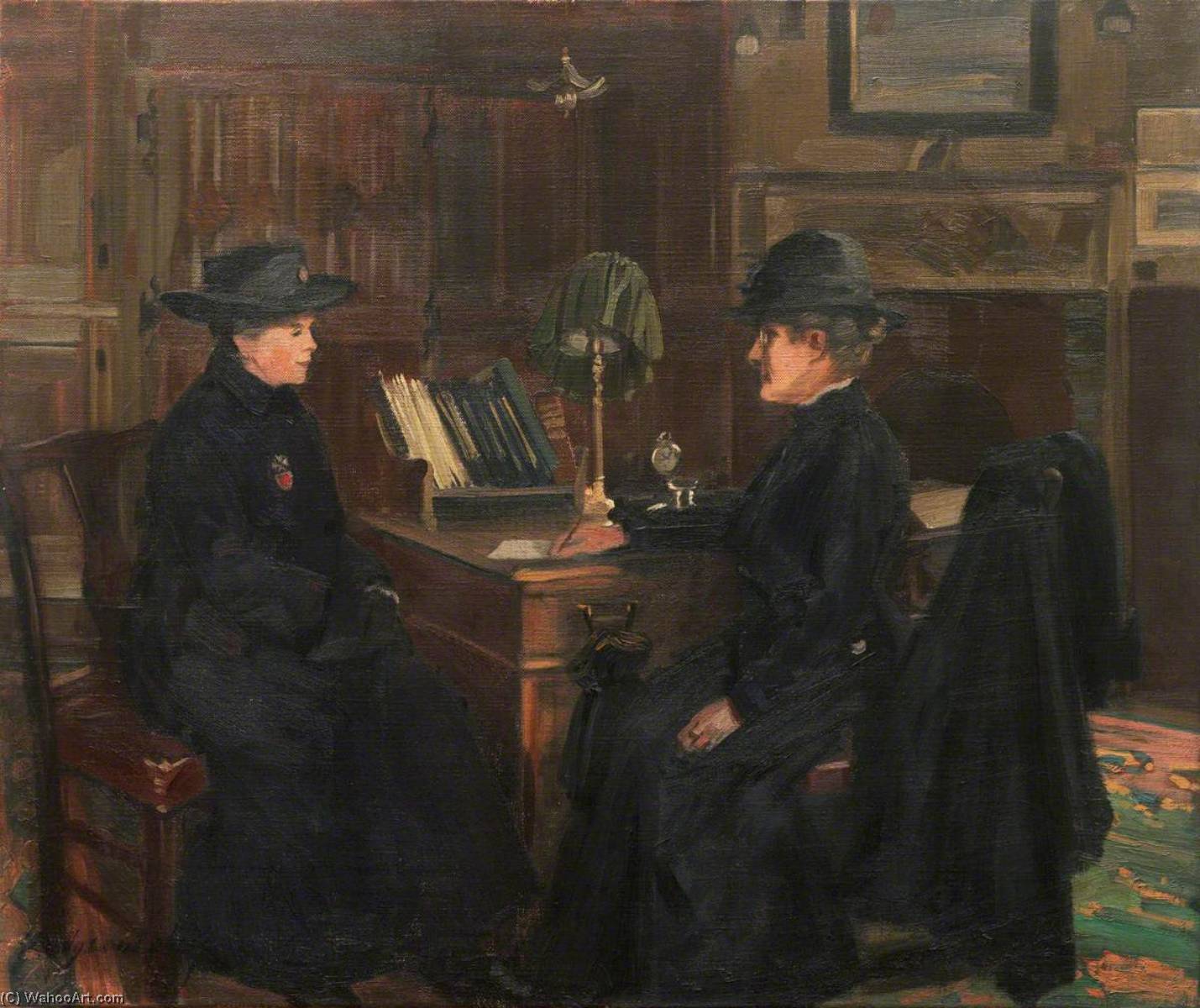
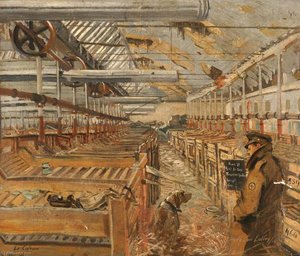
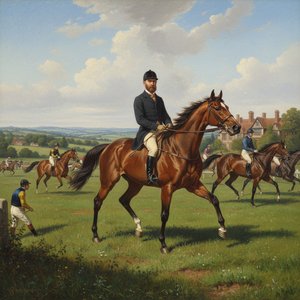
The Superintendent Posting a Sister for Service The Grand Priory of the Order of St John of Jerusalem in England, St John's Gate, Clerkenwell, EC


 詳細を見る
詳細を見る




































作品のオリジナル比率に合わせた、当店の規定サイズからお選びください。

特定のフレームやスペースに合わせて、ご希望のサイズをご入力いただけます。選択されたサイズが元の画像の比率と異なる場合、アートワークをトリミングするか、手描きで要素を追加して絵画を拡張いたします。デジタルモックアップ を制作し、制作開始前にご確認(承認)をいただきます。
画面上のプレビューは、実際のトリミングや拡張を正確に反映しているものではありません。最終的な構図は、モックアップによってのみ正確にご確認いただけます。
カスタムサイズもご利用いただけますが、元の比率を維持するためには、あらかじめ用意されたリストからサイズを選択することをお勧めいたします。
ご注文後、ArtsDot.com チームより詳細な指示をお送りするとともに、仕上がりイメージ(モックアップ)をご提供いたします。


 ガラスオプションは、110cm未満のサイズでのみご利用いただけます。

The Superintendent Posting a Sister for Service The Grand Priory of the Order of St John of Jerusalem in England, St John's Gate, Clerkenwell, EC
複製技法
複製画のサイズ
-


合計金額
$ 288
関連作品
![Life Of St John The Evangelist - [01] - St John On Patmos — ジョット, Early Renaissance](/media/artworks/images-thumb/6e/49/6e49d55b6f8149eba22f9e0a7e269655.jpg)
アーティストの略歴
A Legacy of Resilience: The Life and Art of John Hodgson Lobley
Born in the industrious heart of Huddersfield, Yorkshire, in 1878, John Hodgson Lobley emerged from a family of woollen merchants to carve out a profound place in the annals of British art history. His early years were defined by a rigorous academic pursuit, as he sought refinement within the prestigious halls of the Slade School of Fine Art, the Royal College of Art, and the Royal Academy. These institutions provided him with more than just technical mastery; they instilled a meticulous discipline of observation that would later allow him to capture the most harrowing and tender moments of human existence with unparalleled clarity. While his roots were in the North, Lobley’s life eventually led him to the vibrant atmosphere of London, where he married Eliza Maud Grimshaw, and later to the serene landscapes of Dorset, a move that mirrored the shifting focus of his creative spirit.
The trajectory of Lobley’s career was irrevocably altered by the onset of the Great War. Commissioned by the Royal Army Medical Corps, he was tasked with an immense and emotionally taxing responsibility: to document the medical efforts of the British forces during World War I. Unlike many of his contemporaries who sought to capture the thunderous glory of the battlefield or the heroic charge of cavalry, Lobley turned his gaze toward the quiet, often overlooked corners of conflict. He produced over 120 paintings that served as a vital visual record of rehabilitation hospitals, training camps, and casualty clearing stations across France and Britain. His work from this period, such as the hauntingly realistic Reception of the Wounded at the 41st Casualty Clearing Station, eschews the romanticism of war in favor of a somber, empathetic realism that highlights the dignity of the wounded and the tireless devotion of medical personnel.
Technique, Influence, and the Impressionist Eye
While his wartime subject matter demanded a certain level of documentary precision, Lobley’s artistic soul was deeply nourished by the movements of Impressionism and Post-Impressionism. He did not merely seek to replicate reality; he sought to translate the ephemeral qualities of light, atmosphere, and emotion onto the canvas. This stylistic inclination is most evident in his landscapes and his more intimate portraits. By utilizing a sophisticated blend of color palettes and expressive brushstrokes, he was able to imbant his scenes with a psychological depth that transcends simple representation. Whether depicting the tranquil beauty of a London park or the golden hues of a sunset over the English countryside, Lobley’s hand was always guided by an attempt to capture the fleeting essence of a moment.
His technical prowess was recognized early in his career through significant accolades, including the prestigious Turner Gold Medal for landscape painting in 1903. This foundation of excellence allowed him to navigate various genres with ease, moving from the structured compositions of his academic training to the more fluid, atmospheric qualities of his later works. His ability to balance the heavy, somber tones required for his military hospital scenes with the luminous, airy textures of his landscapes demonstrates a remarkable versatility that few artists of his era could claim.
Historical Significance and Lasting Impression
The historical importance of John Hodgson Lobley lies in his role as a witness to history. His paintings function as much as historical documents as they do works of fine art, offering a poignant glimpse into the daily realities of medical care during one of the most turbulent periods of the twentieth century. Through his lens, we see the quiet dignity of those recovering from trauma and the resilience of the human spirit amidst chaos. His work provides a necessary counter-narrative to the often-sanitized versions of war, presenting instead a raw, empathetic view of the human cost of conflict.
Today, Lobley’s legacy is preserved in significant collections worldwide, ensuring that his unique perspective continues to resonate with modern audiences. His contributions can be found within the archives of:
- The Imperial War Museum, which holds a substantial collection of his wartime documentation.
- The Royal Academy, representing his academic excellence and formal training.
- The Royal Society of British Artists, showcasing his standing among his peers.
- The Goupil Gallery and various private collections, preserving his landscapes and portraits.
Ultimately, the art of John Hodgson Lobley remains a testament to the power of empathy in art. He was an artist who looked closely at the wounds of his era—both physical and psychological—and responded not with shock or glorification, but with a profound, painterly respect for the endurance of life.
john hodgson lobley
1878 - 1954
基本情報
- Artistic Movement Or Style: Impressionism
- Artists Or Movements Influenced By This Artist: ['Royal Academy']
- Artists Who Influenced This Artist: ['Slade School of Fine Art']
- Date Of Birth: November 28, 1878
- Date Of Death: 1954
- Full Name: John Hodgson Lobley
- Nationality: English
- Notable Artworks: ['Reception of the Wounded at the 41st Casualty Clearing Station']
- Place Of Birth: Huddersfield, Yorkshire
関連記事

ジョン・コンスタブルの傑作25選:英国風景画の巨匠が描く自然と光の詩 | ArtsDot
ジョン・コンスタブルの傑作25選。英国風景画の巨匠が描く自然と光の詩の世界へ。ロマン主義を代表する絵画、デダム・ヴェールやヘイ・ウェインなど、ArtsDotで高品質なアートプリントをお楽しみください。インテリアに深みと感動を。コレクションはこちら。

ジョン・シンガー・サージェント:至高の25選 - 美と光の肖像画の世界 | ArtsDot
ジョン・シンガー・サージェントの至高の25選。肖像画、写実主義、光と影の表現が美しい作品群を紐解きます。マダムXや少女の肖像など、時代を超えて愛される名作をArtsDotで鑑賞。高品質なアート複製で、お部屋に美術館のような空間を。今すぐコレクションをご覧ください。

エル・グレコの傑作25選:魂を揺さぶる宗教画と芸術の深淵 | ArtsDot
エル・グレコの傑作25選:魂を揺さぶる宗教画の世界へ。スペイン絵画の巨匠、マニエリスム様式と Toledo の光彩を紐解きます。ArtsDot.com で名画のアートプリントや複製画をお楽しみください。コレクションはこちら →
Sr. John E. Ferneley: Equestrian Portraiture & England's Social Fabric
Explore the captivating world of Sr. John E. Ferneley, a master of British sporting art. Discover his exquisite equestrian paintings & insights into 19th-century society. Invest in timeless masterpieces with ArtsDot.
John Frederick Herring Sr.: Equestrian Mastery & the Rise of Sporting Art in Victorian England
Explore the life & work of John Frederick Herring Sr., a leading Victorian equestrian artist. Discover his masterpieces, patronage, techniques & investment potential. Expert insights for collectors.

