

 プレビュー
プレビュー
 シェアする
シェアする シェアする
シェアする
 詳細を見る
詳細を見る

 ダウンロード
 似ている作品
 X線調査
X線調査 スライドショー
 統計情報
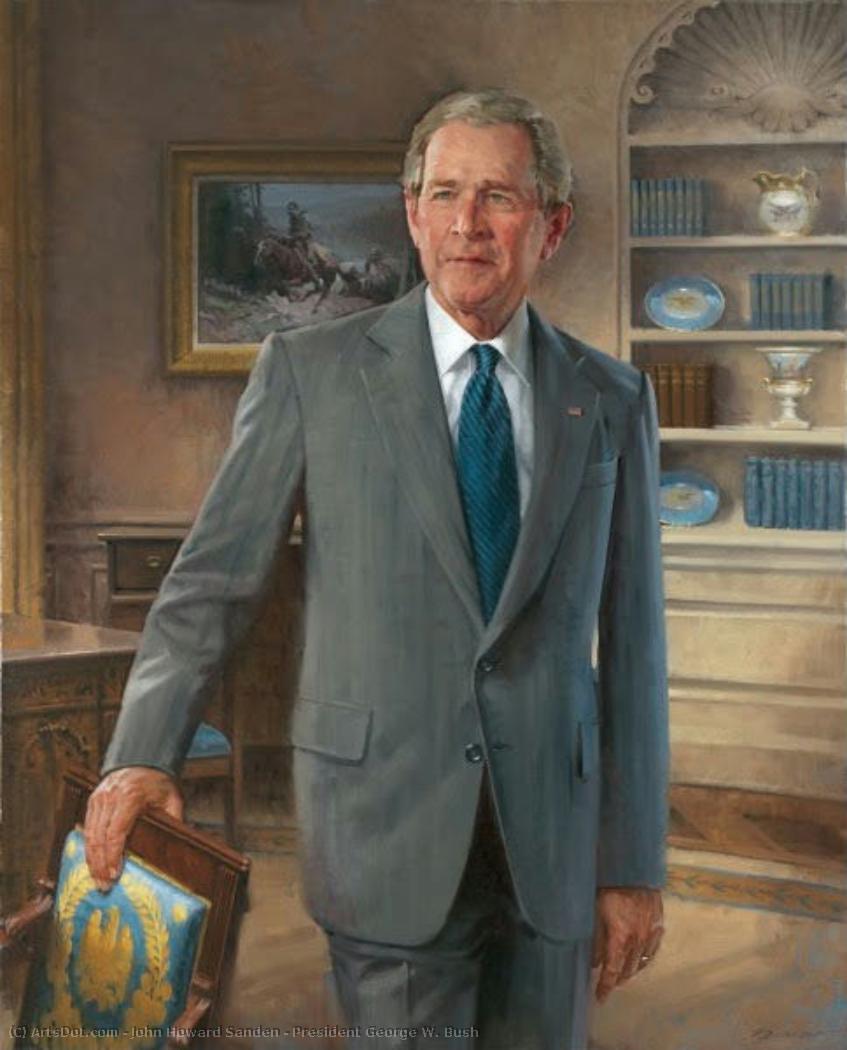
統計情報President George W. Bush


 詳細を見る
詳細を見る
手描き油彩複製画
当社のアーティストが、お客様のご希望のサイズと額縁に合わせて、キャンバスに手描きで制作する油彩画です。 ( プリント版に切り替え デジタル画像販売へ切り替え)




P118B $10

P118H $10

P118W $10

P438Z $10

P508JH $12

P508YH $12

P805H $10

P805Z $10

P919BZ $10

P919G $10

P919XJ $10

P959ZH $10

P968JZ $12

W106C $8

W218G $10

W218JH $8

W218Y $10

W307PJ $10

W316G $10

W316PJ $8

W316Y $10

W398PJ $8

W4111J $10

W500HY $15

W500JH $15

W692G $12

W849H $8

W940BG $15

W953PJ $8




作品のオリジナル比率に合わせた、当店の規定サイズからお選びください。

特定のフレームやスペースに合わせて、ご希望のサイズをご入力いただけます。選択されたサイズが元の画像の比率と異なる場合、アートワークをトリミングするか、手描きで要素を追加して絵画を拡張いたします。デジタルモックアップ を制作し、制作開始前にご確認(承認)をいただきます。
画面上のプレビューは、実際のトリミングや拡張を正確に反映しているものではありません。最終的な構図は、モックアップによってのみ正確にご確認いただけます。
カスタムサイズもご利用いただけますが、元の比率を維持するためには、あらかじめ用意されたリストからサイズを選択することをお勧めいたします。
ご注文後、ArtsDot.com チームより詳細な指示をお送りするとともに、仕上がりイメージ(モックアップ)をご提供いたします。


 ガラスオプションは、110cm未満のサイズでのみご利用いただけます。

President George W. Bush
複製技法
複製画のサイズ
-


合計金額
$ 263
関連作品
アーティストの略歴
Early Life and Artistic Beginnings
James Lewis Dine, born in June 1935 in Cincinnati, Ohio, emerged from a surprisingly conventional upbringing to become one of the most influential figures in post-war American art. His early years were marked by a quiet domesticity—his father was an accountant, and his mother a homemaker—a stark contrast to the vibrant, experimental world he would soon navigate. However, this seemingly ordinary background provided a grounding that ultimately fueled his artistic explorations. A pivotal moment occurred during his teenage years when Dine encountered prints by German Expressionist masters like Ernst Ludwig Kirchner and Max Beckmann through a copy of Paul J. Sachs’ *Modern Prints and Drawings*. These works, with their raw emotion and fragmented forms, ignited within him a profound desire to capture the complexities of human experience—a yearning that would shape his entire career. He began experimenting with woodcuts in the basement of his grandparents' home, developing a foundational skill set and an intuitive understanding of printmaking techniques. This early immersion in the world of graphic art laid the groundwork for his later innovations, demonstrating a remarkable ability to distill complex ideas into simple, powerful visual forms.The Rise of Happenings and Early Experiments
Dine’s artistic trajectory took a dramatic turn in 1958 when he relocated to New York City, a hub of burgeoning avant-garde activity. He quickly immersed himself in the city's experimental art scene, joining forces with fellow artists Claes Oldenburg, Marcus Ratliff, Allan Kaprow, and Bob Whitman. This collaboration proved instrumental in the development of “happenings”—large-scale, immersive events that blurred the boundaries between art and life. Dine’s *The Smiling Workman* (1959), a simple, hand-printed image of a smiling worker, became an iconic symbol of this movement, representing a shift away from traditional artistic conventions and towards participatory experiences. This period was characterized by a playful irreverence and a willingness to challenge established norms—qualities that would remain central to Dine’s work throughout his career. He began experimenting with various printmaking techniques – lithography, etching, intaglio, dry paint, and woodcuts – often combining them in unexpected ways, pushing the boundaries of traditional methods.The Development of “Cut” and Minimalism
In the early 1960s, Dine embarked on a series of groundbreaking works known as "Cut," characterized by his meticulous cutting of paper into simple geometric shapes—squares, rectangles, circles—and then reassembling them to create new compositions. This seemingly reductive process was, in fact, incredibly complex and demanding, requiring immense precision and an acute awareness of spatial relationships. The “Cut” series represented a move towards minimalism, stripping away extraneous elements and focusing on the essential forms of shape and space. These works were not merely decorative; they explored themes of order, chaos, and the relationship between representation and abstraction. Simultaneously, Dine began to incorporate text into his work, often using simple phrases or words—"Cut," "Smile," "Eat"—to add layers of meaning and commentary. This integration of language and image further expanded the scope of his artistic practice, reflecting a growing interest in communication and social critique.Sculptural Explorations and Continued Innovation
Throughout the 1970s and beyond, Dine’s work continued to evolve, encompassing sculpture, photography, and performance art. He explored the possibilities of using everyday materials—paper, metal, wood—to create unexpected forms and structures. His sculptures often featured simple, repetitive elements, echoing the geometric rigor of his “Cut” series while introducing a tactile dimension. Dine’s photographic work also gained prominence during this period, documenting his studio practice and exploring themes of process and materiality. He remained committed to experimentation, constantly seeking new ways to challenge conventional notions of art and engage with the viewer. His later works often incorporated elements of chance and improvisation, reflecting a lifelong fascination with the interplay between control and spontaneity. His work became increasingly conceptual, inviting viewers to consider the very nature of art itself—its meaning, its function, and its relationship to the world around us.Legacy and Influence
Jim Dine’s impact on contemporary art is undeniable. His pioneering work in happenings, his innovative use of printmaking techniques, and his exploration of minimalism have profoundly influenced generations of artists. He demonstrated that art could be accessible, democratic, and deeply personal—a belief reflected in his commitment to making his work available to a wide audience through limited editions and affordable prints. Dine’s emphasis on process and materiality continues to resonate with artists today, encouraging them to embrace experimentation and challenge established conventions. His legacy extends beyond the realm of art; he is remembered as a thoughtful and engaging artist who consistently sought to connect with people in meaningful ways—a testament to the enduring power of simple forms and honest expression.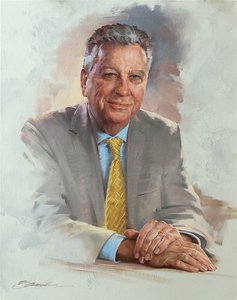
john howard sanden
1935 - 2022 , United States of America
基本情報
- Artistic Movement Or Style: Happenings, Printmaking
- Artists Or Movements Influenced By This Artist: ['Allan Kaprow']
- Artists Who Influenced This Artist:
- Paul J. Sachs
- Ernst Ludwig Kirchner
- Date Of Birth: June 16, 1935
- Full Name: James Lewis Dine
- Nationality: American
- Notable Artworks:
- The Smiling Workman
- Cut Cards
- Place Of Birth: Cincinnati, Ohio, USA
関連記事

ジョルジュ・ブラック傑作25選:革新的なキュビスムの世界と装飾への誘い
ジョルジュ・ブラックの傑作25選。キュビスムを代表する画家、その革新的な色彩と技法に迫ります。名画から知られざる逸品まで、美術史に残る作品群をArtsDot.comで鑑賞。お部屋を彩るアートプリントも多数ご用意。今すぐオンラインでコレクションをご覧ください。

ジョルジュ・スーラ傑作25選:光と色彩の科学が織りなす芸術の世界|ArtsDot
ジョルジュ・スーラの傑作25選。点描画の光と色彩、印象派から新印象派へ—ArtsDotで美術史を紐解き、リビングやダイニングを彩る高品質なアートプリントを見つけましょう。セーラ作品集をオンラインで鑑賞ください。

ジョン・シンガー・サージェント:至高の25選 - 美と光の肖像画の世界 | ArtsDot
ジョン・シンガー・サージェントの至高の25選。肖像画、写実主義、光と影の表現が美しい作品群を紐解きます。マダムXや少女の肖像など、時代を超えて愛される名作をArtsDotで鑑賞。高品質なアート複製で、お部屋に美術館のような空間を。今すぐコレクションをご覧ください。
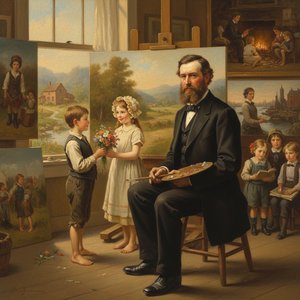
John George Brown: Capturing American Life & Sentiment in 19th-Century Genre Painting
Explore the captivating genre paintings of John George Brown, celebrated for his realistic depictions of 19th-century American life. Discover his legacy & find museum-quality reproductions at ArtsDot.

ジョン・コンスタブルの傑作25選:英国風景画の巨匠が描く自然と光の詩 | ArtsDot
ジョン・コンスタブルの傑作25選。英国風景画の巨匠が描く自然と光の詩の世界へ。ロマン主義を代表する絵画、デダム・ヴェールやヘイ・ウェインなど、ArtsDotで高品質なアートプリントをお楽しみください。インテリアに深みと感動を。コレクションはこちら。