 プレビュー
プレビュー
 プリントを購入
 シェアする
シェアする シェアする
シェアする
 詳細を見る
詳細を見る

 ダウンロード
 似ている作品
 X線調査
X線調査 スライドショー
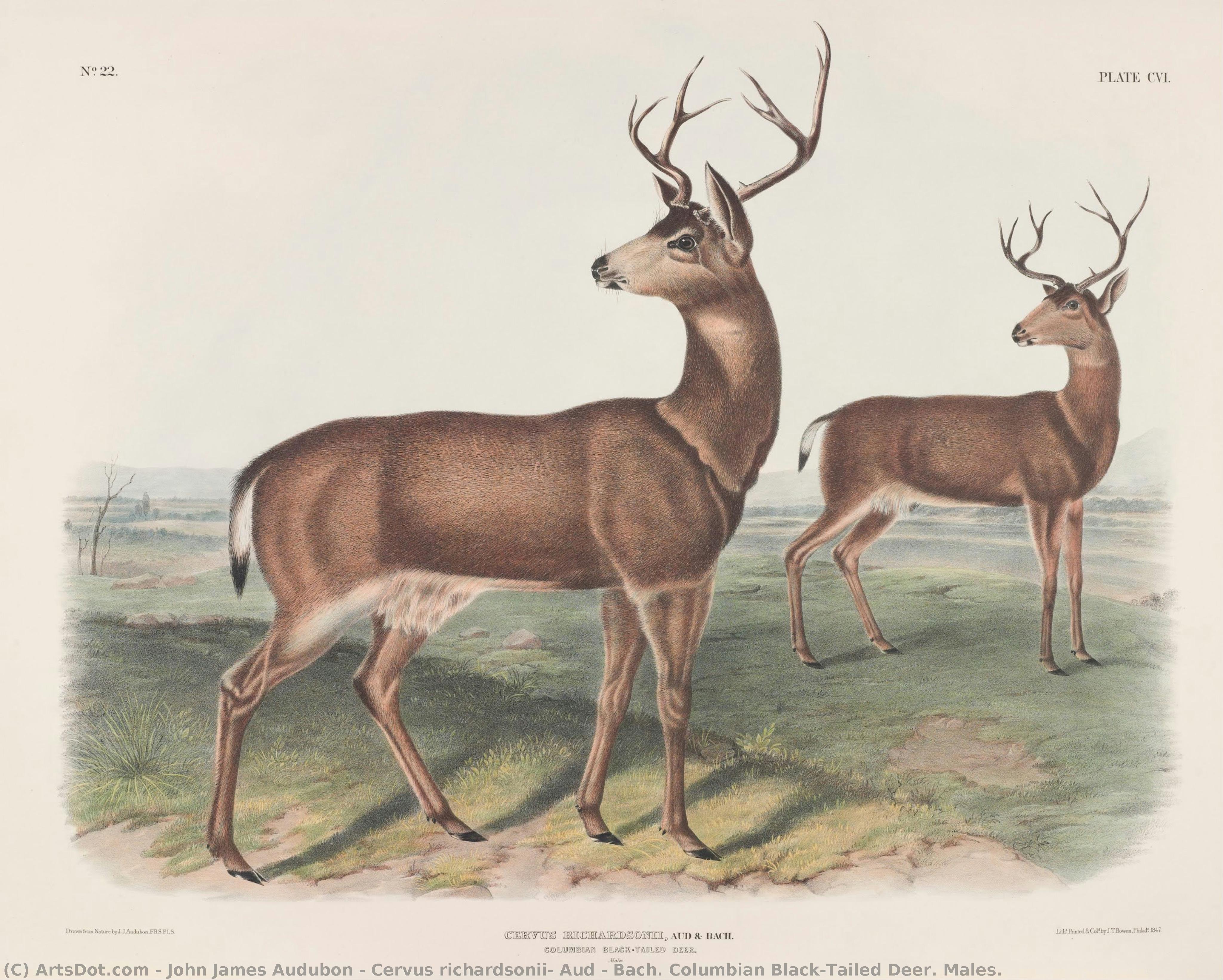
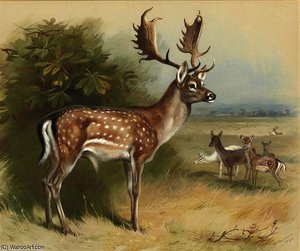
Cervus richardsonii, Aud & Bach. Columbian Black-Tailed Deer. Males.
 Acrylic On Canvas
- WallArt
- Romanticism
 1847
1847 70.0 x 55.0 cm
 Amon Carter Museum of American Art
 詳細を見る
詳細を見る




P118B $10

P118H $10

P118W $10

P438Z $10

P508JH $12

P508YH $12

P805H $10

P805Z $10

P919BZ $10

P919G $10

P919XJ $10

P959ZH $10

P968JZ $12

W106C $8

W218G $10

W218JH $8

W218Y $10

W307PJ $10

W316G $10

W316PJ $8

W316Y $10

W398PJ $8

W4111J $10

W500HY $15

W500JH $15

W692G $12

W849H $8

W940BG $15

W953PJ $8




作品のオリジナル比率に合わせた、当店の規定サイズからお選びください。

特定のフレームやスペースに合わせて、ご希望のサイズをご入力いただけます。選択されたサイズが元の画像の比率と異なる場合、アートワークをトリミングするか、手描きで要素を追加して絵画を拡張いたします。デジタルモックアップ を制作し、制作開始前にご確認(承認)をいただきます。
画面上のプレビューは、実際のトリミングや拡張を正確に反映しているものではありません。最終的な構図は、モックアップによってのみ正確にご確認いただけます。
カスタムサイズもご利用いただけますが、元の比率を維持するためには、あらかじめ用意されたリストからサイズを選択することをお勧めいたします。
ご注文後、ArtsDot.com チームより詳細な指示をお送りするとともに、仕上がりイメージ(モックアップ)をご提供いたします。


 ガラスオプションは、110cm未満のサイズでのみご利用いただけます。

Cervus richardsonii, Aud & Bach. Columbian Black-Tailed Deer. Males.
複製技法
複製画のサイズ
-


合計金額
$ 263
作品解説
A Portrait of the American Wild: Audubon’s *Cervus richardsonii*
John James Audubon's 1847 painting, *Cervus richardsonii*, depicting a Columbian Black-Tailed Deer, stands as more than just a meticulously rendered wildlife portrait; it is a window into the burgeoning scientific and artistic landscape of early America. Executed in watercolor on paper, this work embodies Audubon’s revolutionary approach to natural history illustration – a commitment to capturing not merely the appearance of a subject but also its essence within its natural habitat. The deer itself, identified as *Cervus richardsonii*, a subspecies native to the western United States, is presented with an almost palpable sense of alertness and vitality. Its posture, head held high, ears pricked forward, immediately conveys a feeling of awareness, suggesting it’s keenly observing its surroundings – a detail that elevates this image beyond a simple depiction of animal form.
Audubon's technique is characterized by an extraordinary level of realism achieved through painstaking observation and masterful execution. He didn’t simply sketch; he studied. He spent countless hours in the field, patiently observing deer in their natural environment, meticulously documenting their movements, behaviors, and subtle variations in plumage and coloration. This dedication to direct observation is reflected in every detail of the painting – from the delicate texture of its fur to the intricate patterns of its antlers. The artist’s use of watercolor allows for a remarkable luminosity and depth, capturing the dappled sunlight filtering through the grasses and creating an illusion of three-dimensionality that was remarkably innovative for the time.
The Audubon Legacy: A Scientific Revolution
Audubon's work represents a pivotal moment in the history of natural science. Prior to his *Birds of America* (1827–1839), ornithological illustrations were often produced by engravers, resulting in flattened, stylized images that lacked the dynamism and immediacy of life. Audubon’s watercolor technique, combined with his commitment to depicting birds in their natural habitats – perched on branches, soaring through the air, or interacting with their environment – revolutionized the field. He wasn't just illustrating; he was documenting a world previously unseen with such detail and accuracy. His meticulous approach set a new standard for scientific illustration, influencing generations of artists and scientists to come.
The *Cervus richardsonii* painting is part of a larger series known as the Quadrupeds, a monumental project aimed at documenting all North American mammals. This ambitious undertaking reflected Audubon’s belief that understanding the natural world required not only artistic skill but also rigorous scientific inquiry. The Quadrupeds were intended to be more than just beautiful illustrations; they were meant to serve as valuable resources for scientists, naturalists, and anyone interested in learning about the diverse fauna of America.
Symbolism and the American Landscape
Beyond its technical brilliance, *Cervus richardsonii* carries a potent symbolic weight. The deer itself is deeply ingrained in American folklore and mythology, often associated with grace, agility, and connection to the wilderness. In Native American traditions, the deer represents respect for nature and the interconnectedness of all living things. Audubon’s depiction aligns with this symbolism, portraying the animal as a vital component of the American landscape – a creature perfectly adapted to its environment.
Furthermore, the painting speaks to the burgeoning sense of national identity in 19th-century America. As the country expanded westward, there was a growing desire to define what it meant to be “American.” Audubon’s work helped to shape this narrative by celebrating the beauty and diversity of the nation's natural resources. The image embodies the spirit of exploration, discovery, and the romantic ideal of the untamed wilderness – themes that resonated deeply with the American public.
A Timeless Masterpiece: Reproduction and Beyond
Today, *Cervus richardsonii* remains a treasured example of Audubon’s artistic genius. Reproductions, such as those offered by ArtsDot.com, allow us to appreciate the intricate details and emotional depth of this remarkable painting. The original, created in 1847, is held at the Amon Carter Museum of American Art in Fort Worth, Texas, a testament to its enduring significance. Whether displayed in a private collection or incorporated into an interior design scheme, Audubon’s *Cervus richardsonii* continues to captivate and inspire, reminding us of the beauty and wonder of the natural world.
関連作品
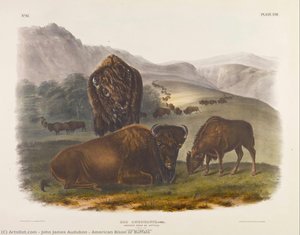
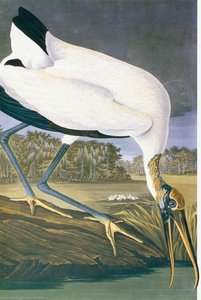
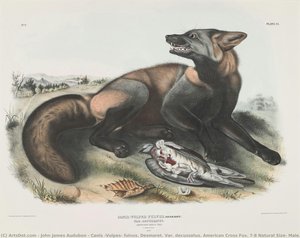
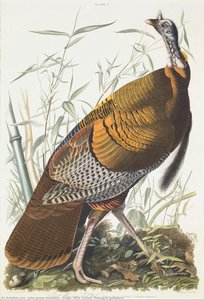
アーティストの略歴
若き日の苦難と自然への情熱:ジョン・ジェームズ・オーデュボンの生い立ち
1785年、ハイチのレスケイスで生まれたジョン・ジェームズ・オーデュボンは、その後の生涯を大きく左右する複雑な出自を持っていた。フランス人海軍士官とクレオール人の女性の間に生まれ、幼少期をフランスで過ごす中で、彼は自然への深い愛情と芸術的な才能を育んだ。しかし、彼の人生は決して平坦ではなかった。事業の失敗や経済的な苦難に直面しながらも、オーデュボンは鳥類への情熱を失うことなく、観察とスケッチの日々を送った。アメリカに移住後も、様々な職を転々としながら、彼は北米各地を旅し、そこで出会った鳥たちを丹念に描き続けた。この初期の経験は、彼の芸術的・科学的な探求の基礎となり、後の大作『アメリカの鳥類』を生み出す原動力となったのである。オーデュボンの幼少期から青年期にかけての苦難は、彼が自然界に対する深い理解と、それを表現する卓越した才能を育む上で不可欠な要素だったと言えるだろう。『アメリカの鳥類』:芸術と科学の融合
オーデュボンが生涯を通じて最も偉大な功績として残したのは、何と言っても『アメリカの鳥類』である。この壮大な作品は、435種もの北米産鳥類を、生きた姿で描いた全4巻からなる画期的なコレクションだ。単なる鳥類の図鑑ではなく、『アメリカの鳥類』は芸術と科学が見事に融合した傑作と言えるだろう。オーデュボンは、鳥たちを躍動感あふれるポーズで描き出し、その生態や行動を鮮やかに表現することで、それまでの鳥類画とは一線を画した。彼は単に鳥の姿を描くのではなく、彼らが生きている環境の中で、どのように振る舞っているのかを捉えようとしたのだ。このアプローチは、科学的な観察と芸術的な表現を結びつけ、鳥類の理解を深める上で重要な役割を果たした。オーデュボンが使用した水彩画技法は、色彩の豊かさと細部へのこだわりによって、鳥たちの美しさを最大限に引き出している。ロバート・ハヴェルとの協働:版画技術の革新
『アメリカの鳥類』の完成には、オーデュボンの才能に加え、ロバート・ハヴェル父子という卓越した版画家との協力が不可欠だった。オーデュボンの水彩画を忠実に再現するため、ハヴェルらは高度なアクアチント版画技術を用いた。この技術は、水彩画の繊細な色彩と質感を紙の上に表現することを可能にし、『アメリカの鳥類』に独特の美しさを与えた。ハヴェル父子の版画技術は、オーデュボンの芸術的ビジョンをより多くの人々に届けることを可能にしただけでなく、版画技術そのものにも革新をもたらしたと言えるだろう。彼らの協働は、芸術と技術が互いに高め合う素晴らしい例であり、『アメリカの鳥類』という不朽の名作を生み出す上で決定的な役割を果たした。自然保護への貢献と現代への遺産
オーデュボンの作品は、単なる美しい絵画としてだけでなく、科学的な価値も高く評価されている。彼は鳥類の生態や行動を詳細に記録し、その観察に基づいた描写は、後の世代の鳥類学者にとって貴重な資料となった。また、彼の作品は、自然保護意識を高める上で重要な役割を果たした。オーデュボンの死後、彼の名を冠した「全国オーデュボン協会」が設立され、現在も鳥類の保護活動や自然教育に取り組んでいる。オーデュボンの遺産は、現代においても生き続けており、私たちに自然の美しさと大切さを教えてくれている。彼は、芸術と科学を通して自然を愛し、その知識を広めた先駆者として、今なお多くの人々に影響を与え続けているのである。複雑な歴史:批判的視点からの再評価
しかしながら、オーデュボンの生涯は決して清廉無垢なものではなかった。彼は奴隷制度を擁護し、白人の優位性を主張するなど、現代の価値観から見れば問題のある言動も多くあった。また、彼の科学的な手法にも疑問の声が上がっており、人骨の盗用など倫理的に許されない行為に関与していた可能性も指摘されている。これらの事実を踏まえ、オーデュボンの功績を評価する際には、批判的な視点を持つことが重要である。彼の作品は、自然への愛情と芸術的才能を示す一方で、当時の社会における偏見や差別といった問題も浮き彫りにしている。オーデュボンの生涯を多角的に捉え、その複雑な側面を理解することで、私たちは歴史からより多くのことを学ぶことができるだろう。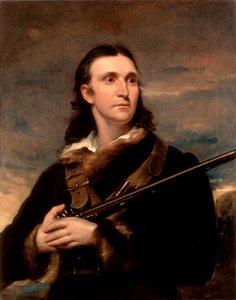
ジョン・ジェームズ・オーデュボン
1785 - 1851 , ハイチ
基本情報
- フルネーム: ジョン・ジェイムズ・オーデュボン
- 主な作品:
- アメリカの鳥類
- アメリカンストーク
- セーズフライキャッチャー
- アメリカクロフォックス
- 出生地: レケイ(ハイチ)
- 国籍: フランス系アメリカ人
- 影響を与えたアーティスト:
- ジョン・ウッドハウス・オーデュボン
- ロバート・ハヴェル Sr.
- ロバート・ハヴェル Jr.
- 死亡年月日: 1851年1月27日
- 生年月日: 1785年4月26日
- 芸術運動またはスタイル: ロマン主義
関連記事

ジョン・シンガー・サージェント:至高の25選 - 美と光の肖像画の世界 | ArtsDot
ジョン・シンガー・サージェントの至高の25選。肖像画、写実主義、光と影の表現が美しい作品群を紐解きます。マダムXや少女の肖像など、時代を超えて愛される名作をArtsDotで鑑賞。高品質なアート複製で、お部屋に美術館のような空間を。今すぐコレクションをご覧ください。

ジョン・コンスタブルの傑作25選:英国風景画の巨匠が描く自然と光の詩 | ArtsDot
ジョン・コンスタブルの傑作25選。英国風景画の巨匠が描く自然と光の詩の世界へ。ロマン主義を代表する絵画、デダム・ヴェールやヘイ・ウェインなど、ArtsDotで高品質なアートプリントをお楽しみください。インテリアに深みと感動を。コレクションはこちら。
John James Audubon: A Life Immersed in Ornithological Art & the American Wilderness
Explore the life & art of John James Audubon, pioneer of ornithological illustration! Discover his stunning 'Birds of America' watercolors and complex legacy. Hand-painted reproductions available at ArtsDot.

Dark Masterpieces: 10 Iconic Paintings Dominated by Black Tones |
Explore 10 iconic paintings dominated by black tones, from Rembrandt’s chiaroscuro to Goya's dark expressions. Discover the stories behind these masterpieces & find museum-quality art reproductions for your home at .
Mars Black Masterpieces: 10 Iconic Paintings & Timeless Art Decor Ideas
Delve into the power of 'Mars Black' with 10 iconic paintings by masters like Rembrandt & Caravaggio. Explore dramatic chiaroscuro, gothic art, and timeless beauty. Find museum-quality reproductions & elevate your home decor on .