

 プレビュー
プレビュー
 プリントを購入
 シェアする
シェアする シェアする
シェアする
 詳細を見る
詳細を見る

 ダウンロード
 似ている作品
 X線調査
X線調査 スライドショー
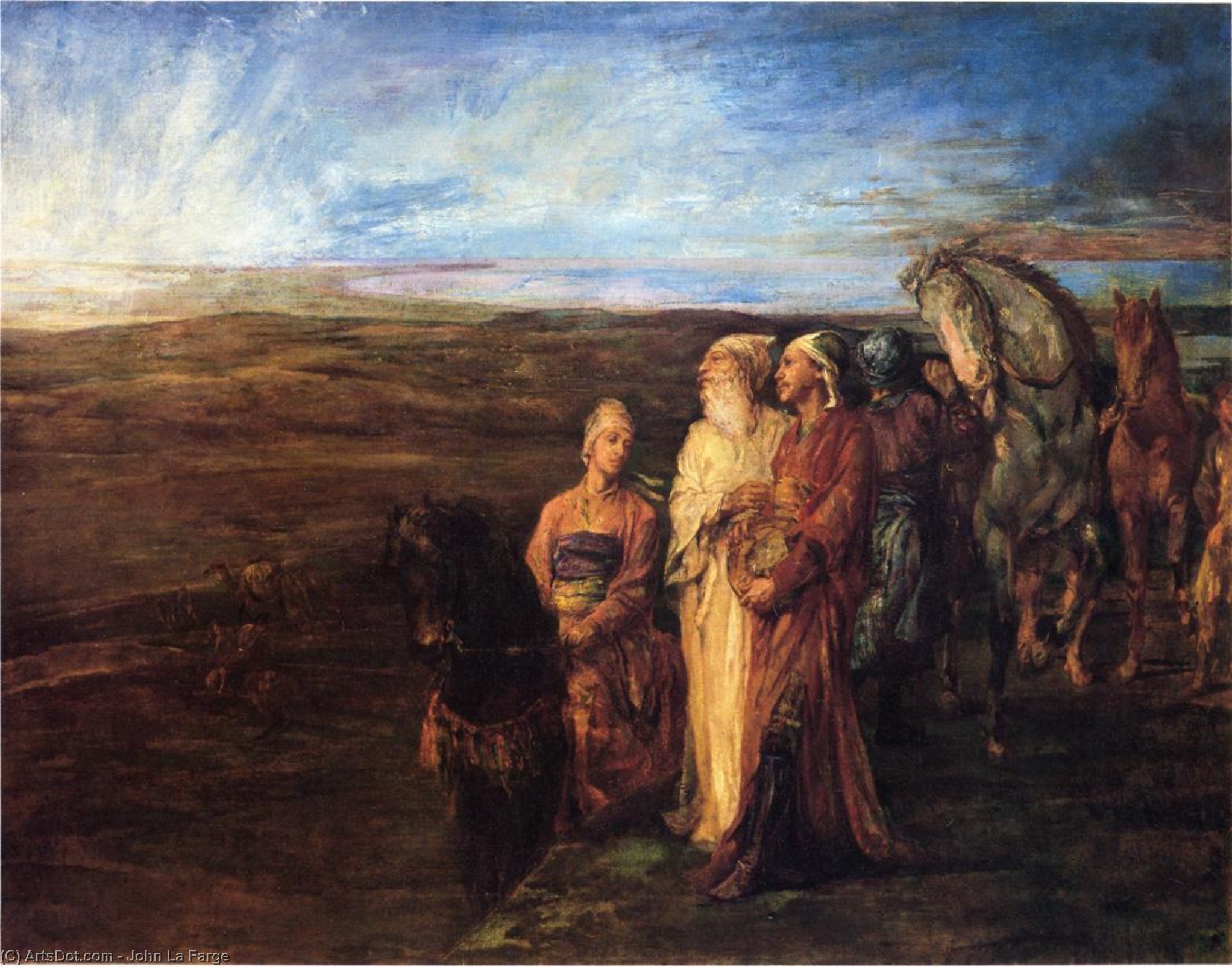
The Three Wise Men (also known as Halt of the Wise Men)


 詳細を見る
詳細を見る




P118B $10

P118H $10

P118W $10

P438Z $10

P508JH $12

P508YH $12

P805H $10

P805Z $10

P919BZ $10

P919G $10

P919XJ $10

P959ZH $10

P968JZ $12

W106C $8

W218G $10

W218JH $8

W218Y $10

W307PJ $10

W316G $10

W316PJ $8

W316Y $10

W398PJ $8

W4111J $10

W500HY $15

W500JH $15

W692G $12

W849H $8

W940BG $15

W953PJ $8




作品のオリジナル比率に合わせた、当店の規定サイズからお選びください。

特定のフレームやスペースに合わせて、ご希望のサイズをご入力いただけます。選択されたサイズが元の画像の比率と異なる場合、アートワークをトリミングするか、手描きで要素を追加して絵画を拡張いたします。デジタルモックアップ を制作し、制作開始前にご確認(承認)をいただきます。
画面上のプレビューは、実際のトリミングや拡張を正確に反映しているものではありません。最終的な構図は、モックアップによってのみ正確にご確認いただけます。
カスタムサイズもご利用いただけますが、元の比率を維持するためには、あらかじめ用意されたリストからサイズを選択することをお勧めいたします。
ご注文後、ArtsDot.com チームより詳細な指示をお送りするとともに、仕上がりイメージ(モックアップ)をご提供いたします。


 ガラスオプションは、110cm未満のサイズでのみご利用いただけます。

The Three Wise Men (also known as Halt of the Wise Men)
複製技法
複製画のサイズ
-


合計金額
$ 263
作品解説
The Three Wise Men: A Journey Through Light and Shadow
John La Farge’s “The Three Wise Men,” painted in 1878, is more than just a depiction of biblical figures; it's a vibrant tableau brimming with movement, color, and an underlying sense of profound journey. This oil on canvas masterpiece transports the viewer to a desert landscape bathed in the warm glow of twilight, a scene rendered with La Farge’s signature blend of realism and evocative symbolism. The painting immediately commands attention not just for its scale – a substantial work intended for a prominent location – but for the dynamic composition that pulls us into the heart of the narrative.
La Farge masterfully employs color to establish mood and guide our eye. Deep blues and purples dominate the sky, hinting at the approaching night while simultaneously reflecting in the shimmering sands below. The figures of the Wise Men themselves are rendered in rich browns and golds, suggesting their wealth and wisdom, yet also conveying a sense of humility and reverence. Notice how he uses light – particularly the warm highlights on the horses and the carriage – to draw attention to key elements within the scene, creating a powerful focal point that anchors the entire composition.
A Symphony of Movement and Detail
The painting’s dynamism is immediately apparent in its intricate details. La Farge doesn't simply depict static figures; he captures a moment of intense activity. The horses, rendered with remarkable precision, are not merely background elements but active participants in the scene, their movements contributing to the overall sense of forward momentum. Observe the subtle variations in their coats and musculature – a testament to La Farge’s keen eye for anatomical accuracy. The figures surrounding the Wise Men—a group of individuals riding horseback and walking—add layers of intrigue, suggesting a caravan or procession accompanying the travelers on their sacred mission.
La Farge's technique is equally noteworthy. He utilizes loose brushstrokes to create a sense of atmosphere and movement, particularly in the depiction of the desert landscape. The mountains in the distance are rendered with broad washes of color, conveying both depth and mystery. The artist’s use of impasto – applying paint thickly to the canvas – adds texture and dimension to the figures and their surroundings, further enhancing the painting's tactile quality.
Symbolism and Context: A Journey of Faith
“The Three Wise Men” is deeply rooted in Christian tradition, depicting the biblical story of the Magi who traveled from afar to offer gifts to the infant Jesus. However, La Farge elevates this familiar narrative by imbuing it with a broader symbolic resonance. The desert landscape itself represents the arduous journey of faith – a challenging path fraught with obstacles and uncertainties. The horses symbolize strength, guidance, and the power of divine assistance.
Furthermore, the painting’s historical context is crucial to understanding its significance. La Farge was deeply influenced by Japanese art during his travels in Asia, particularly the use of perspective and color. This influence can be seen in the painting's flattened space and its emphasis on atmospheric effects. The work reflects a broader trend in late 19th-century American art—a desire to synthesize European artistic traditions with uniquely American themes and sensibilities.
Capturing the Essence: A Reproduction for Today
Reproducing “The Three Wise Men” faithfully captures the essence of La Farge’s original vision. Our hand-painted oil reproduction meticulously recreates every brushstroke, color nuance, and atmospheric effect, ensuring that you experience the painting's full emotional impact. Whether displayed in a grand salon or a cozy study, this artwork will serve as a timeless reminder of faith, journey, and the enduring power of art to inspire and uplift.
Consider commissioning a custom framing to perfectly complement your space and enhance the beauty of this remarkable piece.
関連作品
アーティストの略歴
ジョン・ラ・ファージの生涯と芸術的遺産
1835年にニューヨーク市で裕福なフランス系両親のもとに生まれたジョン・ラ・ファージは、19世紀後半から20世紀初頭のアメリカ美術の進化において重要な人物として台頭しました。彼の道のりは、絵画、壁画デザイン、ステンドグラスアート、インテリア装飾、そして特にアジアへの旅行に関する洞察に満ちた文章に至るまで、絶え間ない探求と革新に満ちたものでした。バイリンガル環境で育ったラ・ファージは、彼の芸術的ビジョンを深く形作るコスモポリタンな感覚を身につけました。当初は法律の勉強をしていましたが、すぐにアートの世界へと傾倒し、まずマウントセントメアリーズ大学、そしてセントジョーンズカレッジ(現在のフォーダム大学)で学びました。その後のパリでのトーマス・クチュールとの修行は、ヨーロッパの芸術的伝統を吸収しながらも、ユニークなアメリカ的美学を開発する上で重要な時期となりました。この初期の経験が、画期的な技術と独特のスタイルによって特徴づけられるキャリアの基礎を築きました。多様な分野における先駆的な革新
ラ・ファージの芸術的アウトプットは驚くほど多様でしたが、常に色彩と光に焦点を当てていました。彼はイラストや風景画で評価され始めましたが、壁画の分野で最初に大きな影響を与えました。ボストンにあるトリニティ教会(1873年)やニューヨークのアセンション教会の依頼は、彼が明るく精神的に感動的な空間を作り出す能力を示しました。しかし、ラ・ファージの最も永続的な遺産は、ステンドグラスにおける革命的な仕事にあります。当時の従来の方法に不満を抱いていた彼は、1880年に特許を取得した多層の着色ガラスを重ね合わせる技術を開発しました。この革新により、彼は前例のない色彩の豊かさと深さを達成し、ステンドグラスを単なる装飾的な要素から強力な芸術表現の媒体へと変えました。彼のステンドグラスの窓は単なる表現ではありませんでした。光と色の没入体験でした。これらの主要分野に加えて、ラ・ファージはインテリアデザインにも優れ、絵画、壁画、装飾芸術を統合した調和のとれた環境を作り出しました。東洋の影響と新しい形式の探求
ラ・ファージの芸術的発展を特徴づける決定的な側面は、日本の美術と文化への魅力でした。1880年代に始まったアジアへの旅行は、彼の美的感覚に大きな影響を与えました。彼は観察を文章で細かく記録し、非対称性や平坦な視点など、日本のデザイン要素を取り入れて自身の作品に取り入れました。この東洋の美学を受け入れることは単なる模倣ではありませんでした。ラ・ファージはこれらの影響を既存の芸術的語彙と統合して、まったく新しいものを生み出しました。グリニッジビレッジのウェスト10番街51番地にある彼のスタジオは、西洋以外の芸術形式を探求することに関心のあるアーティストが集まる拠点となり、実験と異文化交流の精神を育みました。ジェームズ・マクニール・ホイッスラーのようなアーティストも日本の美学に魅了されていましたが、ラ・ファージは多様な芸術的実践へのこれらの影響をシームレスに統合する能力によって際立っていました。ロードアイランド州にある神聖な森であるザ・セイクレッド・グローブは、彼の精神的および芸術的な探求を反映した個人的な避難所となりました。アメリカ美術への永続的な影響
ジョン・ラ・ファージの貢献は個々の作品にとどまらず、彼はまた、芸術の献身的な擁護者であり、アカデミックな保守主義の激しい批判者でもありました。彼は1877年にナショナル・アカデミー・オブ・デザインの硬直性に対する代替としてSociety of American Artistsを共同設立し、芸術的自由と革新を提唱しました。彼の影響は、その後の世代のアーティストに見られ、特にアーツ・アンド・クラフツ運動や象徴主義に関連するアーティストに顕著です。ラ・ファージの職人技への強調、精神的なテーマの探求、そして色彩の革新的な使用はすべて、伝統的な慣習から脱却しようとするアーティストたちに共鳴しました。彼はメトロポリタン美術館学校で教鞭をとり、若い才能を育成し、彼の知識と芸術への情熱を伝えました。ルイ・コンフォート・ティファニーとのステンドグラスの特許をめぐる長期にわたる法的闘争に直面しましたが、ラ・ファージは1910年に亡くなるまで自身の芸術的ビジョンにコミットし続けました。彼の遺産は、革新の力、色彩の美しさ、そして異文化交流の永続的な影響の証として残っています。キャンバスを超えて:著作と家族
- 文学的貢献: ラ・ファージは視覚アーティストであるだけでなく、才能のある作家でもありました。彼の旅行記、特に『An Artist’s Letters from Japan』(1897年)は、日本の文化や芸術に関する洞察に満ちた観察を提供し、西洋における東洋の美学への理解を深めるのに貢献しました。
- 家族の遺産: ラ・ファージ家は芸術と人文学に貢献し続けました。彼の息子オリバー・ハザード・ペリー・ラ・ファージ2世は著名な人類学者であり作家となり、ネイティブアメリカンの文化に焦点を当てた小説『Laughing Boy』(1929年)でピューリッツァー賞を受賞しました。
- 晩年の日々: ラ・ファージは晩年も精力的に働き続け、70代になっても壁画を制作していました。彼はロードアイランド州プロビデンスのバトラー病院で亡くなり、今日でも人々にインスピレーションと感動を与え続ける作品を残しました。
- 彼の埋葬地はニューヨーク州ブルックリンにあるグリーンウッド墓地です。
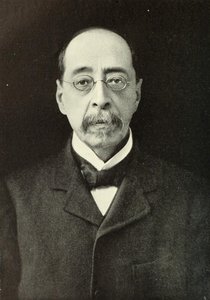
ジョン・ラ・ファージ
1835 - 1910 , アメリカ合衆国
基本情報
- Artistic Movement Or Style: 象徴主義、アーツ・アンド・クラフツ
- Artists Or Movements Influenced By This Artist: ['マリア・オークリー・デューイング']
- Artists Who Influenced This Artist: ['トマス・クチュール']
- Date Of Birth: 1835年3月31日
- Date Of Death: 1910年11月14日
- Full Name: ジョン・ラ・ファージ
- Nationality: アメリカ人
- Notable Artworks:
- 聖なる森
- トリニティ教会壁画
- 昇天教会の壁画
- Place Of Birth (City And Country): ニューヨーク市、アメリカ合衆国
関連記事
John La Farge: Pioneering American Colorism & Japonisme's Influence
Explore the groundbreaking work of John La Farge, a pioneer of American colorism and stained glass. Discover his captivating Japonisme-inspired murals & lasting legacy in 19th-century art. Expert insights for collectors.

ジョン・シンガー・サージェント:至高の25選 - 美と光の肖像画の世界 | ArtsDot
ジョン・シンガー・サージェントの至高の25選。肖像画、写実主義、光と影の表現が美しい作品群を紐解きます。マダムXや少女の肖像など、時代を超えて愛される名作をArtsDotで鑑賞。高品質なアート複製で、お部屋に美術館のような空間を。今すぐコレクションをご覧ください。

ジョン・コンスタブルの傑作25選:英国風景画の巨匠が描く自然と光の詩 | ArtsDot
ジョン・コンスタブルの傑作25選。英国風景画の巨匠が描く自然と光の詩の世界へ。ロマン主義を代表する絵画、デダム・ヴェールやヘイ・ウェインなど、ArtsDotで高品質なアートプリントをお楽しみください。インテリアに深みと感動を。コレクションはこちら。
ヴェネツィア・ビエンナーレ厳選25作品:芸術と歴史が織りなす至高のコレクション | ArtsDot
ヴェネツィア・ビエンナーレの至宝25選。印象派から現代アートまで、名画の背景にある物語と芸術家の情熱を紐解きます。ArtsDotで、キャンバスアートや油絵複製をお楽しみください。今すぐコレクションをご覧ください。

The Enduring Legacy of Oil on Canvas: Technique, History & Aesthetic Impact
Explore the rich history & techniques of oil painting – from Renaissance masters to Impressionism. Discover pigments, layering methods, and why this timeless medium endures. Expert insights for artists & art enthusiasts.

