

 プレビュー
プレビュー
 プリントを購入
 シェアする
シェアする シェアする
シェアする
 詳細を見る
詳細を見る

 ダウンロード
 似ている作品
 X線調査
X線調査 スライドショー
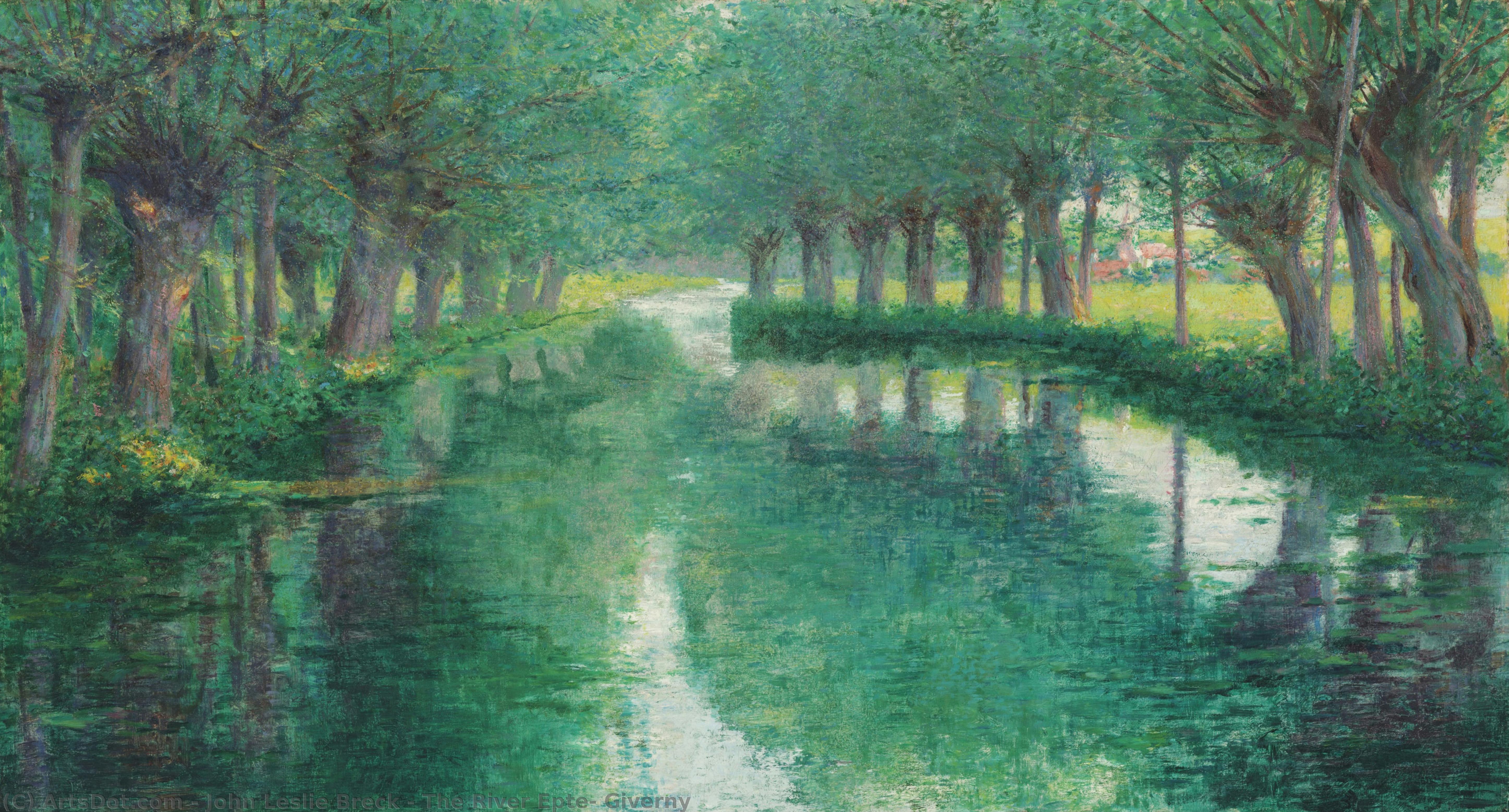
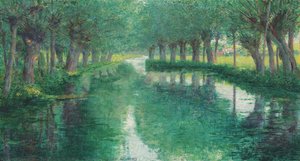
The River Epte, Giverny
 Oil On Canvas
- WallArt
- Impressionism
 1891
1891- 19th Century
 60.0 x 111.0 cm
 Musée des impressionnismes Giverny
 詳細を見る
詳細を見る




P118B $10

P118H $10

P118W $10

P438Z $10

P508JH $12

P508YH $12

P805H $10

P805Z $10

P919BZ $10

P919G $10

P919XJ $10

P959ZH $10

P968JZ $12

W106C $8

W218G $10

W218JH $8

W218Y $10

W307PJ $10

W316G $10

W316PJ $8

W316Y $10

W398PJ $8

W4111J $10

W500HY $15

W500JH $15

W692G $12

W849H $8

W940BG $15

W953PJ $8




作品のオリジナル比率に合わせた、当店の規定サイズからお選びください。

特定のフレームやスペースに合わせて、ご希望のサイズをご入力いただけます。選択されたサイズが元の画像の比率と異なる場合、アートワークをトリミングするか、手描きで要素を追加して絵画を拡張いたします。デジタルモックアップ を制作し、制作開始前にご確認(承認)をいただきます。
画面上のプレビューは、実際のトリミングや拡張を正確に反映しているものではありません。最終的な構図は、モックアップによってのみ正確にご確認いただけます。
カスタムサイズもご利用いただけますが、元の比率を維持するためには、あらかじめ用意されたリストからサイズを選択することをお勧めいたします。
ご注文後、ArtsDot.com チームより詳細な指示をお送りするとともに、仕上がりイメージ(モックアップ)をご提供いたします。


 ガラスオプションは、110cm未満のサイズでのみご利用いただけます。

The River Epte, Giverny
複製技法
複製画のサイズ
-


合計金額
$ 263
作品解説
A Serene Encounter with Giverny
In the soft, dappled light of 1891, John Leslie Breck captured a moment of profound tranquility in his masterpiece, The River Epte, Giverny. This evocative landscape serves as more than just a depiction of a waterway; it is a window into the heart of the Impressionist movement's most fertile era. The painting invites the viewer to wander along the banks of the Epte, where the lush greenery of France meets the gentle flow of the river. Through Breck’s masterful use of color and light, the scene breathes with life, as birds dance near the water's edge and the dense foliage creates a sanctuary of peace. For the collector or interior designer, this piece offers an unparalleled sense of depth and organic harmony, making it a centerpiece capable of transforming any room into a contemplative retreat.
The historical resonance of this work is deeply intertwined with the legendary art colony of Giverny. During the late 19th century, this small village became a sanctuary for visionaries, most notably Claude Monet. Breck, an American artist who had honed his skills at the prestigious Royal Academy of Fine Arts in Munich, found himself part of this elite circle of painters. His proximity to the masters of light allowed him to infuse his work with a delicate sensitivity to atmosphere. In The River Epte, Giverny, one can sense the influence of that era—a time when artists sought to capture the fleeting essence of nature, documenting the way sunlight filters through leaves and reflects upon moving water.
Technically, the painting is a triumph of Impressionistic spirit and landscape composition. Breck employs a sophisticated palette of verdant greens, earthy browns, and shimmering blues to construct a multi-layered environment. The artist utilizes rhythmic brushstrokes to suggest the movement of the river and the rustling of the trees, creating a tactile quality that draws the eye deep into the horizon. The inclusion of small, delicate details—such as the presence of birds—adds a layer of narrative vitality, preventing the landscape from feeling static. This careful balance between broad atmospheric strokes and fine detail ensures that the painting remains visually engaging from every angle.
Beyond its aesthetic beauty, the emotional impact of this work lies in its ability to evoke nostalgia and stillness. It captures a world untouched by the frantic pace of modernity, offering a timeless glimpse into the natural splendor of the French countryside. For those looking to adorn a space with art that inspires calm and sophistication, this reproduction serves as an exquisite choice. It brings with it the prestige of art history and the enduring charm of the Giverny landscape, providing a sophisticated touch of elegance to any curated collection or high-end interior design project.
アーティストの略歴
Early Life and Artistic Beginnings
John Leslie Breck, born at sea off the coast of Hong Kong in 1860 to a United States naval officer and his wife, embarked on a life destined for artistic expression despite its tragically short duration. His early years were spent in Newton, Massachusetts, where he received a traditional education, attending Governor’s Academy before moving on to St. Mark's School. While these institutions provided a foundation, it was Breck’s subsequent pursuit of formal training that truly ignited his passion. In 1877, he journeyed to Europe, specifically Munich and its prestigious Royal Academy of Fine Arts, laying the groundwork for a career deeply intertwined with the evolving landscape of Impressionism.
Upon returning to Boston in 1882, Breck immersed himself in the New England art scene. His initial works reflected this environment, showcasing a meticulous attention to detail and a traditional approach to landscape painting. However, a yearning for something more – a way to capture not just the *appearance* of light and atmosphere but its very essence – led him back across the Atlantic.
The Parisian Influence and Monet’s Circle
In 1886, Breck found himself in Paris, enrolling at the Académie Julian. This move proved pivotal. He studied under Gustave Boulanger and Jules-Joseph Lefebvre, absorbing academic techniques while simultaneously encountering the burgeoning Impressionist movement. It was here that he forged connections with fellow American artists like Willard Metcalf and Theodore Robinson, friendships that would profoundly shape his artistic trajectory. The most significant encounter, however, came in 1887 when Breck traveled to Giverny, France – the idyllic home of Claude Monet.
Monet’s influence on Breck was immediate and transformative. He wasn't merely exposed to Impressionism; he was welcomed into its heart. The vibrant colors, broken brushstrokes, and focus on capturing fleeting moments of light resonated deeply with Breck’s artistic sensibilities. He absorbed Monet’s techniques, learning to depict the atmospheric perspective and luminosity that would become hallmarks of his own style. This period marked a crucial turning point, as Breck began to integrate Dutch Mastery principles with the new Impressionist aesthetic.
Introducing Impressionism to America
Breck is often credited with playing a key role in introducing Impressionism to the United States. In 1890, he organized an exhibition at the St. Botolph Club in Boston, showcasing his own works alongside those of other artists who had embraced the new style. This show was met with both curiosity and resistance; while some critics were dismissive of its perceived lack of finish, others recognized the innovative spirit and emotional power of Impressionism.
The landscapes Breck exhibited at this time – scenes of Massachusetts, Giverny, and Venice – demonstrated his mastery of atmospheric perspective and vibrant color. These paintings weren’t simply representations of places; they were evocations of feeling, capturing the ephemeral beauty of light and shadow. Despite a brief romantic entanglement with Blanche Hoschédé-Monet that ended in heartbreak, Breck continued to refine his technique and explore new subjects.
A Tragic End and Lasting Legacy
Breck’s career was tragically cut short by his untimely death in 1899 at the age of 38. The circumstances surrounding his passing – reported as asphyxiation from lighting gas poisoning – remain somewhat shrouded in mystery, adding a poignant layer to his story. Despite his brief life, Breck left behind a significant body of work that continues to captivate and inspire.
His paintings are held in numerous American museums and private collections, serving as testaments to his talent and vision. The John Leslie Breck Fund, established through his estate at St. Mark's School, ensures the continued support of fine arts education. A notable 1891 portrait of Breck by James Carroll Beckwith, currently on display at the National Gallery of Art in Washington, D.C., offers a glimpse into the artist’s personality and the artistic circles he inhabited.
Breck's legacy extends beyond his paintings themselves. He demonstrated the power of embracing new ideas and techniques, paving the way for future generations of American Impressionists. His work stands as a reminder that true artistry lies not just in technical skill but in the ability to capture the fleeting beauty of the world around us – a quality he achieved with remarkable sensitivity and grace.
john leslie breck
1860 - 1899 , United States of America
基本情報
- Artistic Movement Or Style: Impressionism
- Artists Or Movements Influenced By This Artist: ['Dutch Mastery']
- Artists Who Influenced This Artist: ['Claude Monet']
- Date Of Death: 1899
- Full Name: John Leslie Breck
- Nationality: American
- Notable Artworks: ['Haystacks']
- Place Of Birth: Sea
関連記事

印象派風景を彩った至宝:アート史に名を刻む10選
印象派風景の革新を彩った10選。モネ、ルノワールら巨匠の名作を紐解き、色彩と光が生み出す感動の世界へ。アートの歴史とインテリアのインスピレーションをArtsDot.comで。高品質な複製画で、あなただけの空間を創造しましょう。

Impressionistic Landscapes: 10 Masterpieces That Changed Art & Decor
Journey into the heart of Impressionism! Explore 10 masterpieces by Monet, Renoir & Degas that revolutionized landscape art. Discover their stories, techniques & find museum-quality reproductions to elevate your home decor on ArtsDot.com.
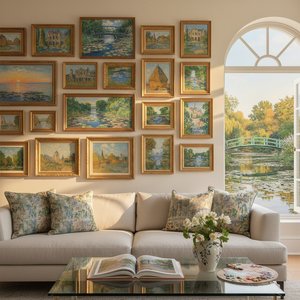
クロード・モネ傑作25選:光と色彩の印象派を彩る名画の世界 | ArtsDot
クロード・モネの傑作25選。印象派を代表する光の画家、モネの世界を旅しませんか?睡蓮や風景画など、名画の背景にある物語と芸術技法をご紹介。ArtsDotで高品質な複製画とインテリアアートを見つけましょう。全コレクションはこちら。

ジョン・コンスタブルの傑作25選:英国風景画の巨匠が描く自然と光の詩 | ArtsDot
ジョン・コンスタブルの傑作25選。英国風景画の巨匠が描く自然と光の詩の世界へ。ロマン主義を代表する絵画、デダム・ヴェールやヘイ・ウェインなど、ArtsDotで高品質なアートプリントをお楽しみください。インテリアに深みと感動を。コレクションはこちら。
Serene Visions: Exploring Themes of Tranquility in Art History & Contemporary Practice
Explore the history of serene landscape art & discover artists who evoke tranquility. Find the perfect calming artwork for your home with expert guidance from ArtsDot.

