

 プレビュー
プレビュー
 プリントを購入
 シェアする
シェアする シェアする
シェアする
 詳細を見る
詳細を見る

 ダウンロード
 似ている作品
 X線調査
X線調査 スライドショー
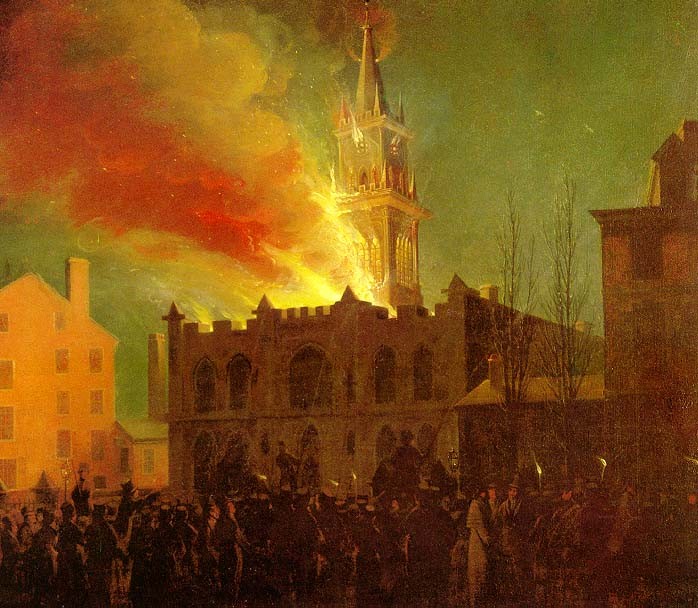
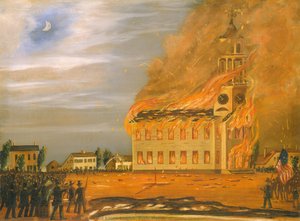
The Conflagration of the Masonic Hall, Chestnut Street Philadelphia

 詳細を見る
詳細を見る




































作品のオリジナル比率に合わせた、当店の規定サイズからお選びください。

特定のフレームやスペースに合わせて、ご希望のサイズをご入力いただけます。選択されたサイズが元の画像の比率と異なる場合、アートワークをトリミングするか、手描きで要素を追加して絵画を拡張いたします。デジタルモックアップ を制作し、制作開始前にご確認(承認)をいただきます。
画面上のプレビューは、実際のトリミングや拡張を正確に反映しているものではありません。最終的な構図は、モックアップによってのみ正確にご確認いただけます。
カスタムサイズもご利用いただけますが、元の比率を維持するためには、あらかじめ用意されたリストからサイズを選択することをお勧めいたします。
ご注文後、ArtsDot.com チームより詳細な指示をお送りするとともに、仕上がりイメージ(モックアップ)をご提供いたします。


 ガラスオプションは、110cm未満のサイズでのみご利用いただけます。

The Conflagration of the Masonic Hall, Chestnut Street Philadelphia
複製技法
複製画のサイズ
-


合計金額
$ 263
関連作品
アーティストの略歴
A Pioneer of American Genre Painting
John Lewis Krimmel, born Johann Ludwig Krimmel on May 30, 1786, in Ebingen, Württemberg, Germany, occupies a unique and pivotal position in the history of American art. He is rightfully recognized as America’s first true genre painter – an artist dedicated to capturing the everyday lives, customs, and scenes of ordinary people. His brief but remarkably productive career, cut short by his untimely death at age 35 on July 15, 1821, in Germantown, Pennsylvania, left an indelible mark on the development of a distinctly American artistic identity. Krimmel’s journey from aspiring businessman to celebrated painter is a testament to the power of self-discovery and the allure of capturing the vibrant spirit of a burgeoning nation.From Württemberg to Philadelphia: A New Artistic Path
Krimmel's initial path diverged significantly from his artistic destiny. He immigrated to Philadelphia in 1809 with his older brother, intending to pursue commercial ventures. However, the pull of creative expression proved too strong to resist. Though lacking formal training – he may have received some watercolor instruction in London, but his education was largely self-directed upon arriving in America – Krimmel wholeheartedly embraced painting. He Anglicized his name to John Lewis and began tentatively with portraiture, quickly realizing that his true passion lay elsewhere. A pivotal moment arrived when he encountered a copy of David Wilkie’s “Blind Fiddler.” This work ignited within him a desire to depict the humor, energy, and social interactions of everyday life – a genre largely unexplored in American art at the time. By 1812, Krimmel was listed as a painter in the Philadelphia city directory, signaling his commitment to this new vocation.Capturing the Pulse of Early America
Philadelphia in the early 19th century provided an ideal environment for Krimmel’s artistic development. The city was a thriving cultural hub, and he quickly integrated into the artistic community, becoming a founding member of the first known sketch club in America alongside prominent artists like Thomas Sully and Rembrandt Peale. His breakthrough came with “Pepper-Pot: A Scene in the Philadelphia Market” (1811), an oil painting that immediately established his reputation. This lively scene depicts a Black woman selling spicy soup to a diverse clientele, showcasing Krimmel’s keen observational skills and ability to capture the bustling energy of urban life. He didn't shy away from portraying the diversity of Philadelphia society, offering glimpses into the lives of people from all walks of life. Subsequent works like “Blind Man's Buff” (1814) and “Country Wedding” (1814) further solidified his style – characterized by lively characterizations, attention to detail, and a recurring motif of including at least one animal, often a playful dog.Legacy and Influence
Krimmel’s artistic legacy extends far beyond his relatively small body of work. The “Svinin Portfolio,” watercolors acquired by Russian diplomat Pavel Svinin, provides invaluable insights into American life during this period – scenes like "Black People's Prayer Meeting" and "Deck Life on One of Fulton’s Steamboats" are now treasured holdings of the Metropolitan Museum of Art. His masterpiece, “Election Day 1815,” is celebrated for its ability to individualize crowd members with humorous detail, offering a vibrant snapshot of American political culture. Krimmel's influence resonated deeply with subsequent generations of American artists. William Sidney Mount, George Caleb Bingham, and Thomas Eakins all drew inspiration from his pioneering work in genre painting, building upon the foundation he laid for depicting distinctly American subjects and narratives. His sketchbooks, now housed at the Winterthur Museum, Garden and Library, offer a fascinating glimpse into his artistic process, revealing approximately 700 drawings that demonstrate his dedication to observation and refinement of his craft. John Lewis Krimmel’s contribution wasn't merely about painting scenes; it was about establishing a uniquely American visual language – one that celebrated the everyday lives and experiences of its people. He remains, undeniably, a cornerstone in the narrative of American art history.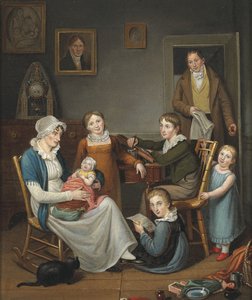
John Lewis Krimmel
1786 - 1821 , Germany
基本情報
- Artistic Movement Or Style: Neoclassicism, Romanticism
- Artists Or Movements Influenced By This Artist:
- Mount, W.S.
- Bingham, G.C.
- Eakins, T.
- Artists Who Influenced This Artist:
- David Wilkie
- William Hogarth
- Benjamin West
- Date Of Birth: May 30, 1786
- Date Of Death: July 15, 1821
- Full Name: John Lewis Krimmel
- Nationality: German-American
- Notable Artworks:
- Pepper-Pot
- Blind Man's Buff
- Country Wedding
- Election Day 1815
- Quilting Frolic
- Place Of Birth: Ebingen, Germany
関連記事

ジョン・コンスタブルの傑作25選:英国風景画の巨匠が描く自然と光の詩 | ArtsDot
ジョン・コンスタブルの傑作25選。英国風景画の巨匠が描く自然と光の詩の世界へ。ロマン主義を代表する絵画、デダム・ヴェールやヘイ・ウェインなど、ArtsDotで高品質なアートプリントをお楽しみください。インテリアに深みと感動を。コレクションはこちら。
ジョン・シンガー・サージェント:至高の25選 - 美と光の肖像画の世界 | ArtsDot
ジョン・シンガー・サージェントの至高の25選。肖像画、写実主義、光と影の表現が美しい作品群を紐解きます。マダムXや少女の肖像など、時代を超えて愛される名作をArtsDotで鑑賞。高品質なアート複製で、お部屋に美術館のような空間を。今すぐコレクションをご覧ください。
ボストン美術館の至宝25選:名画と芸術の物語|ArtsDot
ボストン美術館の至宝25選。モネ、デガ、ルノワール…名画の背景にある物語と芸術家の情熱を紐解きます。印象派から後期印象派まで、ArtsDotで高品質なアート複製やインテリアに合う作品を見つけましょう。今すぐコレクションをご覧ください!
John Frederick Lewis: Orientalism, Detail & Genre Painting in 19th-Century British Art
Explore the captivating Orientalist paintings of John Frederick Lewis! Discover his mastery of detail, genre scenes & influence on 19th-century British art. Learn about his life, techniques & legacy at ArtsDot.

ロマン派ランドスケープ:時代を彩る巨匠の10選|アートとインテリアの世界
ロマン派絵画の時代を彩る10選。巨匠たちの風景が織りなす感動の世界へ。ターナー、ルーベンスなど、名作の裏話と高精細複製でアートをお部屋に。ArtsDot.comで至福のアート体験を。

