

 プレビュー
プレビュー
 プリントを購入
 シェアする
シェアする シェアする
シェアする
 詳細を見る
詳細を見る

 ダウンロード
 似ている作品
 X線調査
X線調査 スライドショー
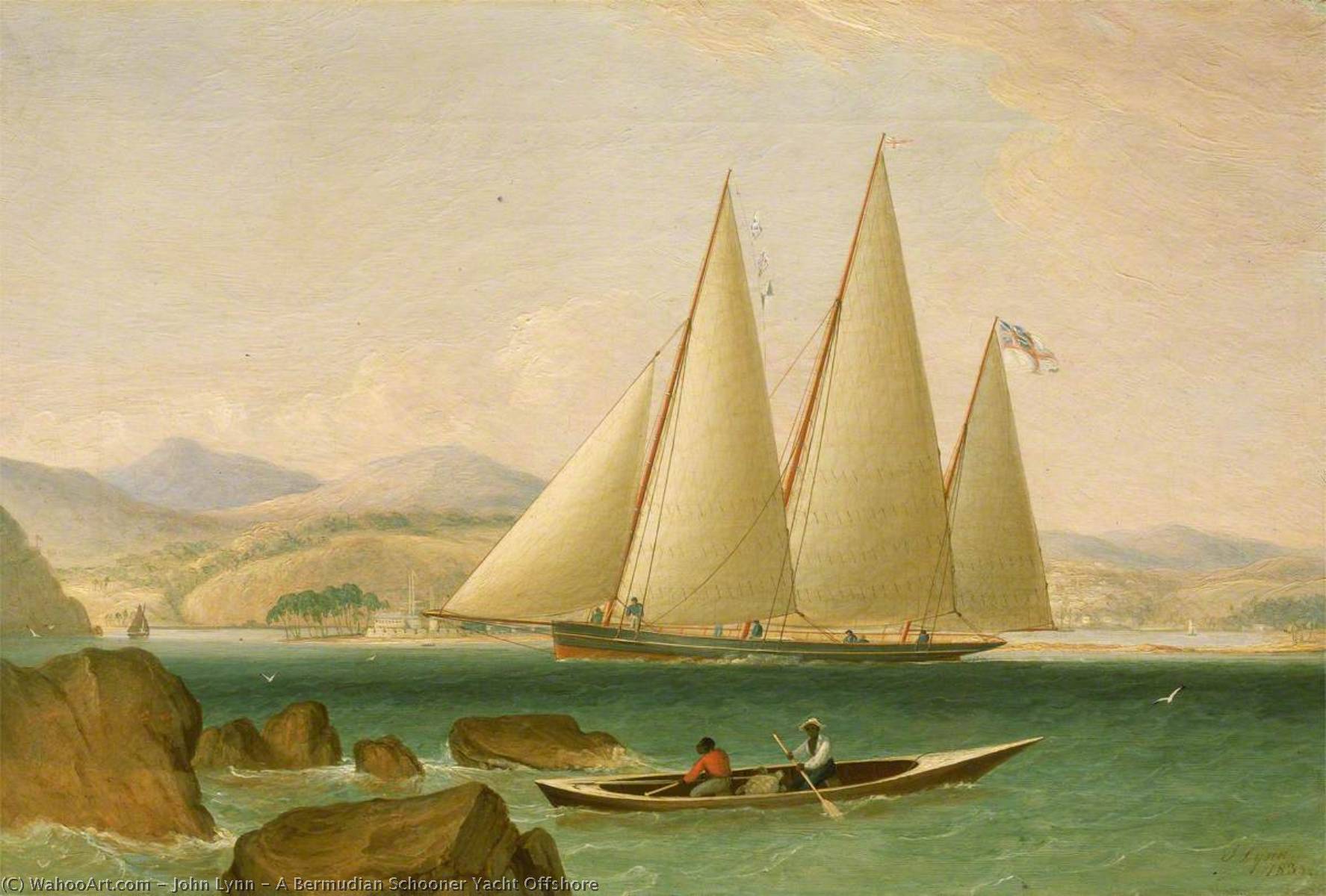
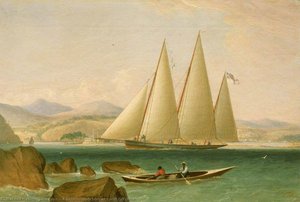
A Bermudian Schooner Yacht Offshore
 1834
1834 30.0 x 46.0 cm
 詳細を見る
詳細を見る




































作品のオリジナル比率に合わせた、当店の規定サイズからお選びください。

特定のフレームやスペースに合わせて、ご希望のサイズをご入力いただけます。選択されたサイズが元の画像の比率と異なる場合、アートワークをトリミングするか、手描きで要素を追加して絵画を拡張いたします。デジタルモックアップ を制作し、制作開始前にご確認(承認)をいただきます。
画面上のプレビューは、実際のトリミングや拡張を正確に反映しているものではありません。最終的な構図は、モックアップによってのみ正確にご確認いただけます。
カスタムサイズもご利用いただけますが、元の比率を維持するためには、あらかじめ用意されたリストからサイズを選択することをお勧めいたします。
ご注文後、ArtsDot.com チームより詳細な指示をお送りするとともに、仕上がりイメージ(モックアップ)をご提供いたします。


 ガラスオプションは、110cm未満のサイズでのみご利用いただけます。

A Bermudian Schooner Yacht Offshore
複製技法
複製画のサイズ
-


合計金額
$ 263
関連作品


アーティストの略歴
John Lynn (1826 – 1869): A Master of Maritime Detail
John Lynn, a name perhaps less familiar than Turner or Romney, nevertheless represents a significant and quietly powerful voice in 19th-century British marine art. Active primarily from the mid-1820s until his untimely death in 1869, Lynn dedicated his career to meticulously capturing the essence of sailing ships and coastal scenes – a subject that resonated deeply with Britain’s maritime heritage and its burgeoning industrial power. His work isn't characterized by dramatic storms or heroic naval battles; instead, it offers intimate portraits of vessels engaged in everyday commerce, exploring the subtle beauty of light on water, and revealing an acute understanding of ship design and rigging.
Early Life and Artistic Beginnings
Born in England, the precise details of Lynn’s early life remain somewhat obscure. He began his artistic training at a young age, though specific institutions are not widely documented. His initial focus was on watercolor painting, developing a remarkable skill for capturing delicate atmospheric effects and subtle tonal variations – qualities that would later inform his oil paintings. It's believed he initially worked as an illustrator before dedicating himself fully to marine art. Lynn’s artistic journey coincided with a period of immense change in Britain; the Industrial Revolution was transforming the nation’s economy, and maritime trade was experiencing unprecedented growth. This context undoubtedly shaped his subject matter and his approach to depicting ships – not merely as objects of commerce but as symbols of national identity and technological advancement.
Technique and Style: Precision and Observation
Lynn’s artistic style is immediately recognizable for its meticulous detail and remarkable accuracy. He eschewed the looser, more expressive brushwork favored by some contemporary artists, instead employing a highly controlled technique that prioritized precise observation and careful rendering. His paintings are characterized by a deep understanding of ship construction – he studied the rigging, hull lines, and subtle nuances of light reflecting off metal and wood with an almost obsessive attention to detail. Lynn’s palette was generally restrained, favoring muted blues, greens, and grays, allowing him to create atmospheric depth and convey the changing conditions of sea and sky. He often worked en plein air (outdoors), directly observing his subjects and capturing their essence in a single sitting – a practice that contributed significantly to the realism of his work.
- Detailed Ship Representations: Lynn’s paintings are renowned for their incredibly accurate depictions of sailing ships, showcasing an impressive knowledge of nautical terminology and construction.
- Atmospheric Rendering: He masterfully captured the effects of light and weather on water, creating a sense of depth and movement in his compositions.
- Restrained Palette: Lynn’s use of muted colors allowed him to focus on form and detail rather than vibrant hues.
Major Works and Exhibitions
Lynn exhibited his work regularly at prestigious venues, including the British Institution (from 1828 to 1838) and the Suffolk Street Gallery. His paintings frequently depicted ships engaged in various activities – from trading along the coasts of England and Scotland to navigating the busy ports of London and Liverpool. Notable works include “The Barque Woodmansterne Calling For A Pilot Off Port Royal Jamaica Upon Her Arrival,” a stunning depiction of a merchant vessel entering port, and “Ships Sailing Off Greenwich Palace,” which captures the grandeur of the royal residence reflected in the Thames.
- “The Barque Woodmansterne Calling For A Pilot Off Port Royal Jamaica Upon Her Arrival…” (1830s) – A prime example of his detailed ship representations and atmospheric rendering.
- “Ships Sailing Off Greenwich Palace” (c. 1835) - Demonstrates his ability to capture a complex scene with precision and elegance.
Legacy and Historical Significance
Despite not achieving the same level of fame as some of his contemporaries, John Lynn’s work holds considerable historical significance. He represents a crucial link between the early Romantic landscape painters and the rise of realistic marine art in Britain. His meticulous attention to detail and his deep understanding of maritime life offer valuable insights into the social and economic conditions of 19th-century England. Lynn's paintings are now housed in several public collections, including the Art UK site, ensuring that his contributions to British art continue to be appreciated and studied. He stands as a testament to the power of observation, precision, and a profound connection to the sea.
john lynn
1826 - 1869
基本情報
- Artistic Movement Or Style: Marine Painting
- Artists Or Movements Influenced By This Artist: ['']
- Artists Who Influenced This Artist: ['']
- Date Of Birth: 1826
- Date Of Death: 1869
- Full Name: John Lynn
- Nationality: British
- Notable Artworks:
- A Schooner off a Rocky Coast
- High Tide Below the Battery

