

 プレビュー
プレビュー
 シェアする
シェアする シェアする
シェアする
 詳細を見る
詳細を見る

 ダウンロード
 似ている作品
 X線調査
X線調査 スライドショー
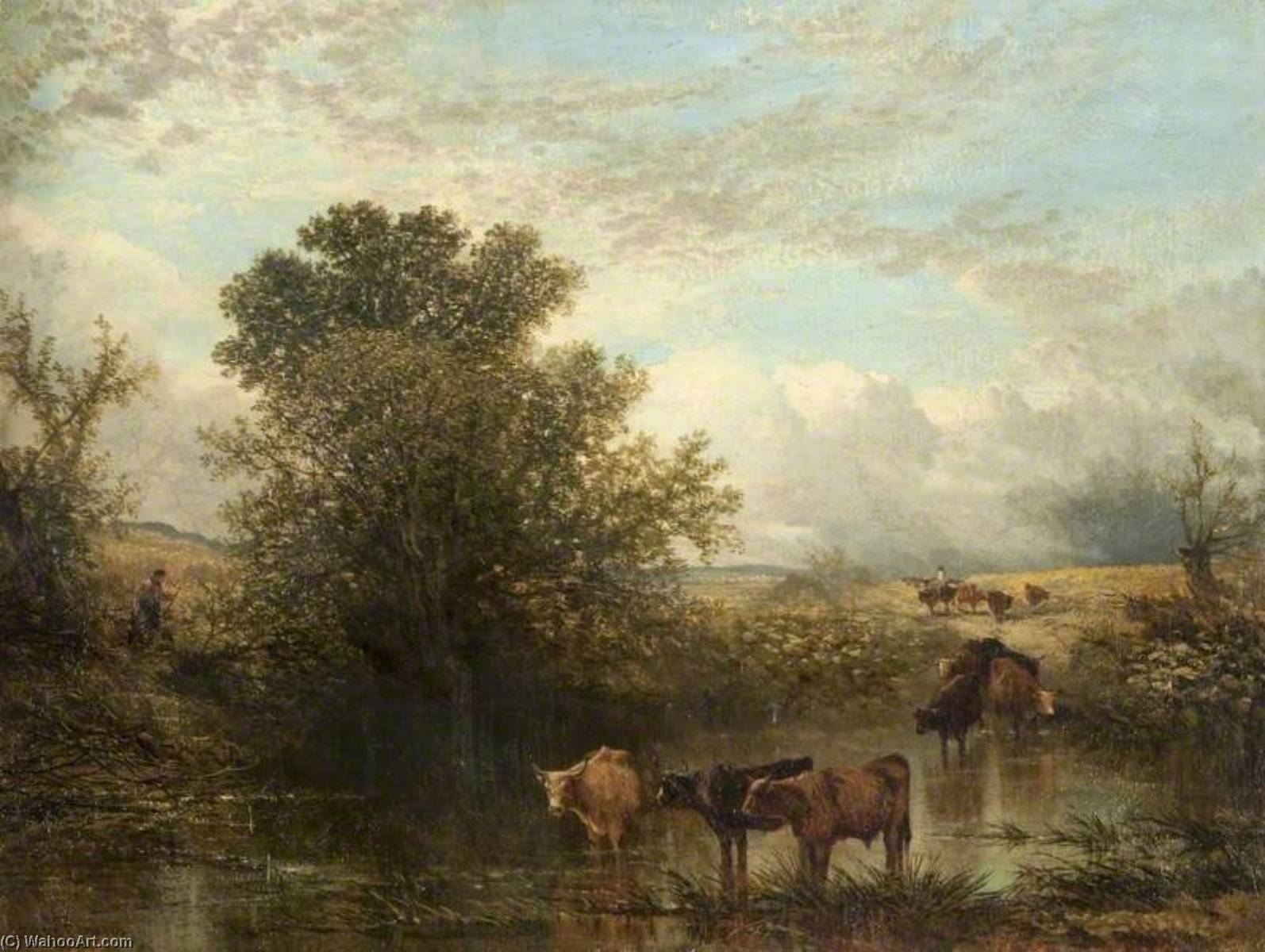
Cattle in a Pool


 詳細を見る
詳細を見る
ジークレー/アートプリント
迅速な制作と多彩な仕上げオプションを備えた、ミュージアムクオリティのジークレーまたはキャンバスプリント。 ( 手描きの絵画を購入 画像を購入)




































作品のオリジナル比率に合わせた、当店の規定サイズからお選びください。

特定のフレームやスペースに合わせて、ご自身でサイズを指定することも可能です。選択されたサイズが元の画像の比率と一致しない場合、作品をトリミングするか、鏡面反射または単色での塗りつぶしによって画像を拡張いたします。制作を開始する前に、ご確認用のデジタルモックアップをお送りいたします。
画面上のプレビューには、実際のトリミングや拡張は反映されませんのでご注意ください。最終的な構図を正確に確認できるのは、モックアップのみとなります。
カスタムサイズも承っておりますが、元の比率を維持するためには、あらかじめ用意されたリストからサイズを選択することをお勧めいたします。


 ガラスオプションは、110cm未満のサイズでのみご利用いただけます。

Cattle in a Pool
ジークレー/アートプリント
複製画のサイズ
-


合計金額
$ 62
A Closer Look at the Painting
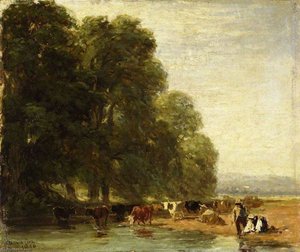
The painting depicts a peaceful scene of cattle gathered around a pool, surrounded by trees and lush greenery. The cows are shown drinking from the water or simply enjoying their surroundings, creating a sense of tranquility and calmness. The artist's use of warm colors and soft brushstrokes adds to the overall serenity of the piece. Key Features of the painting include:- The use of oil on canvas, which allows for rich and vibrant colors
- The depiction of cattle in a natural setting, highlighting the artist's attention to detail
- The serene and peaceful atmosphere, which invites the viewer to step into the scene
Discovering More Artistic Treasures
For those interested in exploring more artistic treasures, Discovering the Artistic Treasures of Archivio di Stato in Siena, Italy is a must-read. This article delves into the rich history and artistry of the Archivio di Stato, showcasing some of the most renowned Italian artists. Other notable works by John Milne Donald include Moorland Landscape, Landscape with Figures, and Highland Loch Scene, all of which can be found on ArtsDot.com. These pieces demonstrate the artist's versatility and skill in capturing a range of scenes and subjects.The beauty of John Milne Donald's "Cattle in a Pool" lies in its ability to transport viewers to a serene and peaceful world, if only for a moment. As a masterpiece of 19th-century art, it continues to inspire and delight audiences today.
関連作品
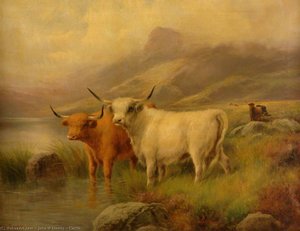
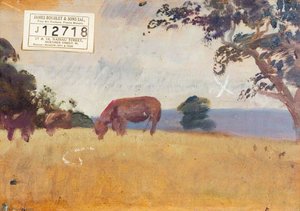
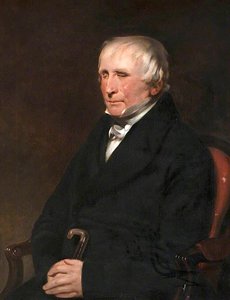
アーティストの略歴
Early Life and Artistic Beginnings
John Milne Donald, born in the small coastal town of Nairn in 1819, emerged from a Scotland steeped in romantic ideals and a burgeoning appreciation for its own wild beauty. While details surrounding his formal artistic training remain somewhat elusive—a common fate for artists operating outside the established academic circles of the time—his early inclinations clearly pointed towards landscape painting. He spent formative years in Glasgow, initially apprenticed to a house-painter, a practical trade that nonetheless provided him with foundational skills in handling materials and observing light and shadow. This apprenticeship was coupled with diligent study at the Dilettanti Society, where he honed his abilities by copying masterworks, laying the groundwork for his own distinctive style.
A brief sojourn to Paris followed around 1840, during which Donald worked as a picture restorer at the Louvre. This experience undoubtedly exposed him to a wider range of European art and techniques, though it was upon his return to Britain that he truly began to forge his own path. He initially found employment in London, but the pull of the Scottish Highlands—and the landscapes of his youth—would prove irresistible.
The Highland Vision: A Developing Style
Donald’s artistic identity became inextricably linked with the depiction of Scotland's rugged terrain and rural life. Unlike some contemporaries who sought to impose grand, dramatic compositions onto nature, Donald’s approach was characterized by a quiet intimacy and meticulous observation. He wasn’t interested in portraying idealized vistas but rather in capturing the subtle nuances of light, atmosphere, and the everyday rhythms of Highland existence. His paintings often feature cattle grazing peacefully in verdant pastures, figures traversing rustic bridges, or tranquil canal scenes—subjects that resonated with a growing Victorian audience seeking solace and authenticity.
His work demonstrates an influence from artists like Sam Bough, who also focused on Scottish landscapes, but Donald developed a unique sensitivity to color and texture. He employed a warm palette, often favoring earthy tones and muted greens, which lent his paintings a sense of nostalgia and tranquility. The brushwork is generally smooth and detailed, though he wasn’t averse to using looser strokes to convey the movement of water or the density of foliage.
Themes and Techniques
Donald's canvases are imbued with a deep respect for the Scottish countryside and its inhabitants. He frequently depicted scenes from the Glenfruin area, becoming particularly known for his paintings of this evocative landscape. His work isn’t overtly political or moralizing; instead, it offers a gentle celebration of rural life and the beauty of nature.
Technically, Donald was a skilled oil painter, demonstrating proficiency in capturing atmospheric effects and rendering realistic details. He also worked in watercolor, though his oil paintings are generally considered to be his most significant achievement. His compositions often feature strong horizontal lines—the line of a riverbank, the crest of a hill—which create a sense of stability and harmony. The inclusion of figures, while not always central to the narrative, adds a human element to his landscapes, grounding them in everyday life.
Recognition and Legacy
Throughout his career, Donald exhibited at prestigious venues including the Royal Academy, the Royal Scottish Academy, and the Royal Glasgow Institute of Fine Arts. While he may not have achieved the widespread fame of some of his contemporaries, his work was well-received by critics and collectors alike. He established a reputation as a skilled and sensitive painter of Scottish landscapes, particularly admired for his ability to capture the unique atmosphere of the Highlands.
Donald’s untimely death in Glasgow in 1866 marked the end of a promising career. However, his paintings continue to be appreciated today for their quiet beauty, meticulous detail, and evocative portrayal of rural Scotland. His work offers a valuable glimpse into Victorian attitudes towards landscape and provides a lasting testament to the enduring appeal of the Scottish countryside.
Major Achievements
- Masterful Landscape Painting: Donald’s ability to capture the subtle nuances of light, atmosphere, and texture in his Highland landscapes remains highly regarded.
- Influence on Scottish Art: He exerted a substantial influence on subsequent generations of Scottish landscape painters, inspiring them to focus on their own unique environments.
- Glenfruin Series: His paintings of the Glenfruin area are particularly celebrated for their evocative portrayal of this iconic Scottish landscape.
- Exhibition Success: Regular exhibitions at prestigious art institutions, including the Royal Academy and the Royal Scottish Academy, established his reputation as a skilled artist.

john milne donald
1819 - 1866
基本情報
- Artistic Movement Or Style: Romantic landscape
- Artists Who Influenced This Artist: ['Sam Bough']
- Date Of Birth: 1819
- Date Of Death: 1866
- Full Name: John Milne Donald
- Nationality: Scottish
- Notable Artworks:
- Cattle in a Pool
- Canal Scene
- Fairlie Shore
- A Highland Stream
- Place Of Birth: Nairn, Scotland
関連記事

ジョン・コンスタブルの傑作25選:英国風景画の巨匠が描く自然と光の詩 | ArtsDot
ジョン・コンスタブルの傑作25選。英国風景画の巨匠が描く自然と光の詩の世界へ。ロマン主義を代表する絵画、デダム・ヴェールやヘイ・ウェインなど、ArtsDotで高品質なアートプリントをお楽しみください。インテリアに深みと感動を。コレクションはこちら。

ジョン・シンガー・サージェント:至高の25選 - 美と光の肖像画の世界 | ArtsDot
ジョン・シンガー・サージェントの至高の25選。肖像画、写実主義、光と影の表現が美しい作品群を紐解きます。マダムXや少女の肖像など、時代を超えて愛される名作をArtsDotで鑑賞。高品質なアート複製で、お部屋に美術館のような空間を。今すぐコレクションをご覧ください。

The Enduring Legacy of Oil on Canvas: Technique, History & Aesthetic Impact
Explore the rich history & techniques of oil painting – from Renaissance masters to Impressionism. Discover pigments, layering methods, and why this timeless medium endures. Expert insights for artists & art enthusiasts.
19th Century Masterpieces: 10 Paintings That Defined an Era | ArtsDot
Journey through 19th century art with ArtsDot! Explore 10 iconic paintings – from Monet & Renoir to Courbet – and discover the stories behind Romanticism, Realism & Impressionism. Find museum-quality reproductions for your home decor. Explore the full collection online!

Oil on Canvas: A Historical & Technical Exploration of a Timeless Artistic Medium
Explore the rich history & enduring techniques of oil painting on canvas. Discover the science behind its longevity, conservation practices, and contemporary relevance. Expert insights for art enthusiasts.