

 プレビュー
プレビュー
 プリントを購入
 シェアする
シェアする シェアする
シェアする
 詳細を見る
詳細を見る

 ダウンロード
 似ている作品
 X線調査
X線調査 スライドショー
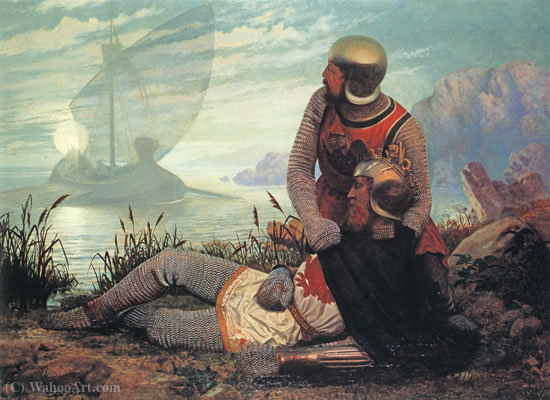
The death of Arthur
 詳細を見る
詳細を見る




































作品のオリジナル比率に合わせた、当店の規定サイズからお選びください。

特定のフレームやスペースに合わせて、ご希望のサイズをご入力いただけます。選択されたサイズが元の画像の比率と異なる場合、アートワークをトリミングするか、手描きで要素を追加して絵画を拡張いたします。デジタルモックアップ を制作し、制作開始前にご確認(承認)をいただきます。
画面上のプレビューは、実際のトリミングや拡張を正確に反映しているものではありません。最終的な構図は、モックアップによってのみ正確にご確認いただけます。
カスタムサイズもご利用いただけますが、元の比率を維持するためには、あらかじめ用意されたリストからサイズを選択することをお勧めいたします。
ご注文後、ArtsDot.com チームより詳細な指示をお送りするとともに、仕上がりイメージ(モックアップ)をご提供いたします。


 ガラスオプションは、110cm未満のサイズでのみご利用いただけます。

The death of Arthur
複製技法
複製画のサイズ
-


合計金額
$ 288
関連作品
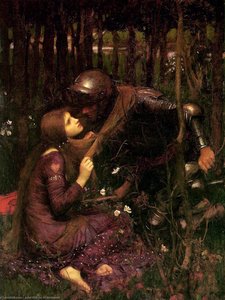
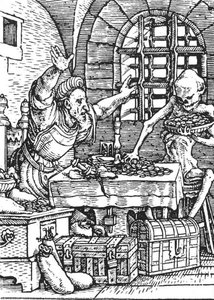
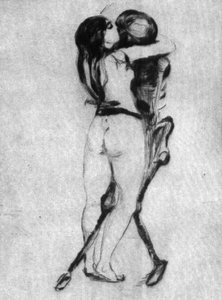
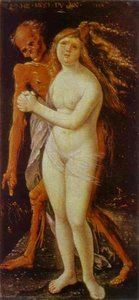
アーティストの略歴
John Mulcaster Carrick: A Life in Landscape
John Mulcaster Carrick (1833-1896) was a British Victorian painter celebrated for his meticulously detailed landscapes and genre scenes. Working within the aesthetic principles of the Pre-Raphaelite movement, Carrick captured the idyllic beauty of rural life and coastal views with remarkable fidelity.
Early Life and Training
Born in Carlisle in 1833 and baptised on April 9th, Carrick took his surname from his father, Thomas Heathfield Carrick, and his middle name from his mother’s maiden name. His father initially worked as a chemist but later pursued a career as an artist in Newcastle in 1836, likely providing early artistic training for his son. By 1839, the family had relocated to London, where Carrick would spend most of his life dedicated to painting landscapes.
Artistic Development and Influences
Carrick’s early work demonstrated a keen eye for detail and a commitment to representing nature accurately. He first exhibited at the British Institution in 1854 and at the Royal Academy in 1854 with a study, and again in 1855. His paintings quickly garnered attention, particularly from the influential critic John Ruskin. Ruskin’s praise was pivotal in establishing Carrick's reputation.
Key Works and Recognition
Several of Carrick’s works stand out as exemplars of his style and skill:
- The Village Postman (1856): This painting, lauded by Ruskin for its “more than usual fidelity” and “immense labour,” brought Carrick significant recognition.
- Magdalen Bridge and College: A romantic depiction of Cambridge showcasing architectural harmony.
- The Brentford Ferry: A serene landscape capturing idyllic river views in the Pre-Raphaelite style.
- Spanish Landscapes: Works created around 1870, demonstrating a shift towards “Pre-Raphaelite” sensibilities.
Later Career and Artistic Affiliations
By the 1870s, Carrick’s work was increasingly associated with the Pre-Raphaelite movement. He became involved with the Hogarth Club, a gathering place for artists of that persuasion. He travelled extensively in Switzerland and France, broadening his artistic horizons. In 1871 he worked in Cornwall, later associating with the Newlyn artists by 1883.
Legacy and Historical Significance
Carrick died in his home in Chiswick in 1896 at the age of 63. His paintings are held in public collections in Glasgow and Dumfries and Galloway, ensuring his work continues to be appreciated by art enthusiasts. While not as widely celebrated as some of his Pre-Raphaelite contemporaries, Carrick’s dedication to detailed observation, atmospheric realism, and idyllic subject matter makes him a significant figure in Victorian landscape painting.
Key Characteristics of His Work
- Pre-Raphaelite Influence: A focus on detail, vibrant colors, and moral or narrative themes.
- Landscape Specialization: Primarily known for his depictions of rural and coastal scenes.
- Ruskin’s Approval: Receiving praise from a leading art critic of the time bolstered his career.
- Technical Skill: Demonstrating mastery in oil painting techniques to capture realistic textures and light.
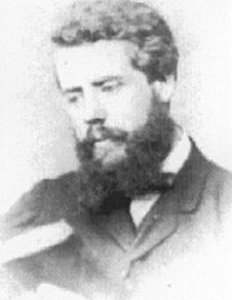
John Mulcaster Carrick
1833 - 1896 , United Kingdom
基本情報
- Birth Date: 1833
- Birth Place: Carlisle, United Kingdom
- Death Date: 1896
- Influenced By: John Ruskin
- Movement: Pre-Raphaelite
- Name: John Mulcaster Carrick
- Nationality: British
- Notable Works:
- The Village Postman
- Magdalen Bridge and College
- The Brentford Ferry
- Mosque near Granada