

 プレビュー
プレビュー
 シェアする
シェアする シェアする
シェアする
 詳細を見る
詳細を見る

 ダウンロード
 似ている作品
 X線調査
X線調査 スライドショー
 Stats
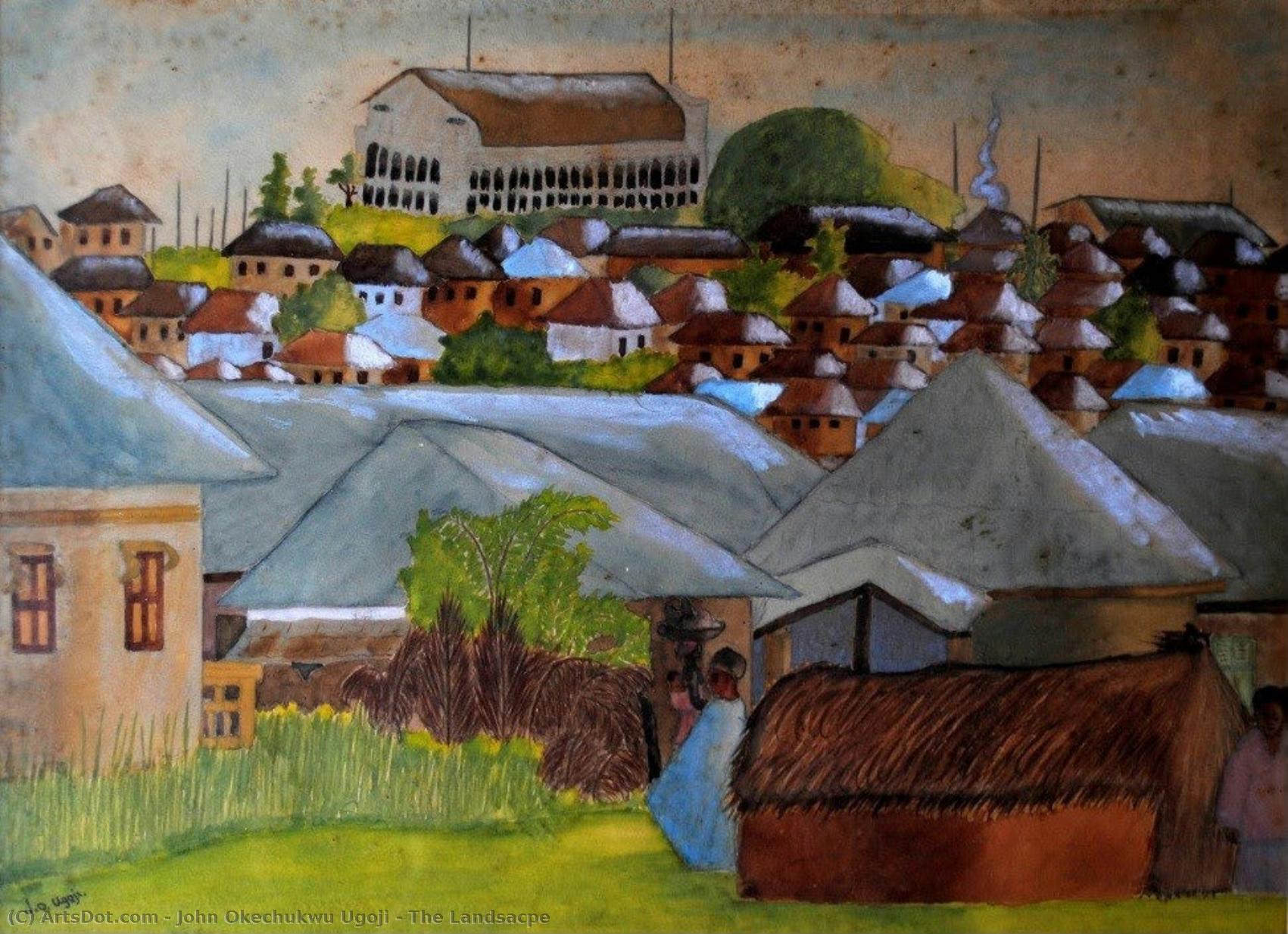
StatsThe Landsacpe
 1951
1951 50.0 x 41.0 cm
 Yemisi Shyllon Museum of Art
 詳細を見る
詳細を見る
手描き油彩複製画
当社のアーティストが、お客様のご希望のサイズと額縁に合わせて、キャンバスに手描きで制作する油彩画です。 ( Switch to Print Switch to Digital Image)




































作品のオリジナル比率に合わせた、当店の規定サイズからお選びください。

特定のフレームやスペースに合わせて、ご希望のサイズをご入力いただけます。選択されたサイズが元の画像の比率と異なる場合、アートワークをトリミングするか、手描きで要素を追加して絵画を拡張いたします。デジタルモックアップ を制作し、制作開始前にご確認(承認)をいただきます。
画面上のプレビューは、実際のトリミングや拡張を正確に反映しているものではありません。最終的な構図は、モックアップによってのみ正確にご確認いただけます。
カスタムサイズもご利用いただけますが、元の比率を維持するためには、あらかじめ用意されたリストからサイズを選択することをお勧めいたします。
ご注文後、ArtsDot.com チームより詳細な指示をお送りするとともに、仕上がりイメージ(モックアップ)をご提供いたします。


 ガラスオプションは、110cm未満のサイズでのみご利用いただけます。

The Landsacpe
複製技法
複製画のサイズ
-


合計金額
$ 263
関連作品








アーティストの略歴
Andrew Wyeth: A Vision of American Isolation
Andrew Newell Wyeth (July 12, 1917 – January 16, 2009) stands as one of the most distinctive and enduring figures in 20th-century American art. Often described as a realist painter, his work transcends simple representation, delving into themes of isolation, memory, and the quiet dignity of rural life—particularly within the landscapes of Pennsylvania and Maine. Wyeth’s unique style, characterized by meticulous detail, muted color palettes, and an uncanny ability to capture psychological depth, has secured him a place among the giants of American art, though he himself often resisted categorization. His career spanned nearly eight decades, marked by a profound dedication to his subjects and a relentless pursuit of capturing the essence of human experience within the confines of his chosen environments.Early Life and Influences: A Foundation in Tradition
Born in Boston, Massachusetts, Andrew Wyeth’s artistic journey began under the tutelage of his father, N.C. Wyeth, a celebrated illustrator and member of the Brandywine School. This formative relationship profoundly shaped young Andrew's approach to art. Unlike his more flamboyant and commercially successful father, who favored dynamic storytelling illustrations, Andrew developed a quieter, more introspective style. His early years were spent in Cushing, Maine, where he absorbed the rhythms of rural life and cultivated an intimate connection with the landscape—a connection that would become central to his artistic vision. Wyeth’s influences extended beyond his father; Winslow Homer's evocative depictions of the sea and Henry David Thoreau’s philosophy of observation deeply resonated with him. He also found inspiration in the works of King Vidor, a filmmaker known for his meticulous attention to detail and ability to convey emotion through visual storytelling. These diverse sources combined to forge a distinctly personal style—one rooted in tradition yet imbued with a unique sensibility.The Christina’s World Series: A Masterpiece of Psychological Depth
Perhaps Wyeth's most famous work, *Christina’s World* (1948), resides within the Museum of Modern Art in New York City and exemplifies his artistic strengths. The painting depicts an elderly woman, Christina Olson, a former patient at the Cushing Mental Hospital, slowly walking through a field of withered corn stalks. The scene is imbued with a palpable sense of loneliness, resilience, and quiet dignity. Wyeth’s masterful use of light and shadow, combined with his subtle rendering of texture and form, creates an atmosphere of profound emotional resonance. The painting isn't merely a depiction of a physical space; it’s a meditation on memory, aging, and the enduring spirit of those often overlooked by society. The series of paintings depicting Christina Olson further solidified Wyeth’s reputation, demonstrating his ability to transform a single subject into a complex and deeply moving portrait.Regionalism and the Landscape: A Personal Universe
Wyeth's artistic focus remained consistently rooted in the landscapes of Pennsylvania and Maine—the places he knew intimately and loved fiercely. He didn’t simply paint these locations; he painted *his* landscape, a personal universe shaped by memory, observation, and an almost obsessive attention to detail. His paintings often feature ordinary subjects – weathered barns, portraits of family members, glimpses of rural life – but rendered with extraordinary sensitivity and psychological insight. He frequently depicted his wife, Carolyn Bockius Wyeth, in various settings—a recurring motif that speaks to the enduring power of love and companionship. The windows in his paintings are particularly notable; they serve as portals into private worlds, offering glimpses of domestic interiors and suggesting a sense of hidden narratives.Legacy and Recognition: A Painter's Quiet Triumph
Andrew Wyeth’s career was marked by a deliberate avoidance of public attention. He shunned the spotlight, preferring to let his art speak for itself. Despite this reticence, he achieved widespread recognition and critical acclaim—receiving the Presidential Medal of Freedom in 1988 and being elected to the French Academy of Beaux Arts in 1989. His work continues to be exhibited around the world and remains a subject of intense study and appreciation. Wyeth’s legacy lies not only in his stunningly beautiful paintings but also in his profound ability to capture the essence of human experience—the quiet moments, the unspoken emotions, and the enduring beauty of the American landscape. He left behind a body of work that is both deeply personal and universally resonant, solidifying his place as one of America’s most important artists of the 20th century.
john okechukwu ugoji
1917 - 1981 , Nigeria
基本情報
- Artistic Movement Or Style: Regionalist, Realist
- Artists Who Influenced This Artist: ['Winslow Homer, Henry David Thoreau, King Vidor],\n "Artists or movements influenced by this artist": ["N.C. Wyeth", "Brandywine School"]\n}']
- Date Of Birth: July 12, 1917
- Date Of Death: January 16, 2009
- Full Name: Andrew Newell Wyeth
- Nationality: American
- Notable Artworks:
- Christina's World
- Windows
- The Crow House
- Place Of Birth: Chadds Ford, Pennsylvania