

 プレビュー
プレビュー
 プリントを購入
 シェアする
シェアする シェアする
シェアする
 詳細を見る
詳細を見る

 ダウンロード
 似ている作品
 X線調査
X線調査 スライドショー
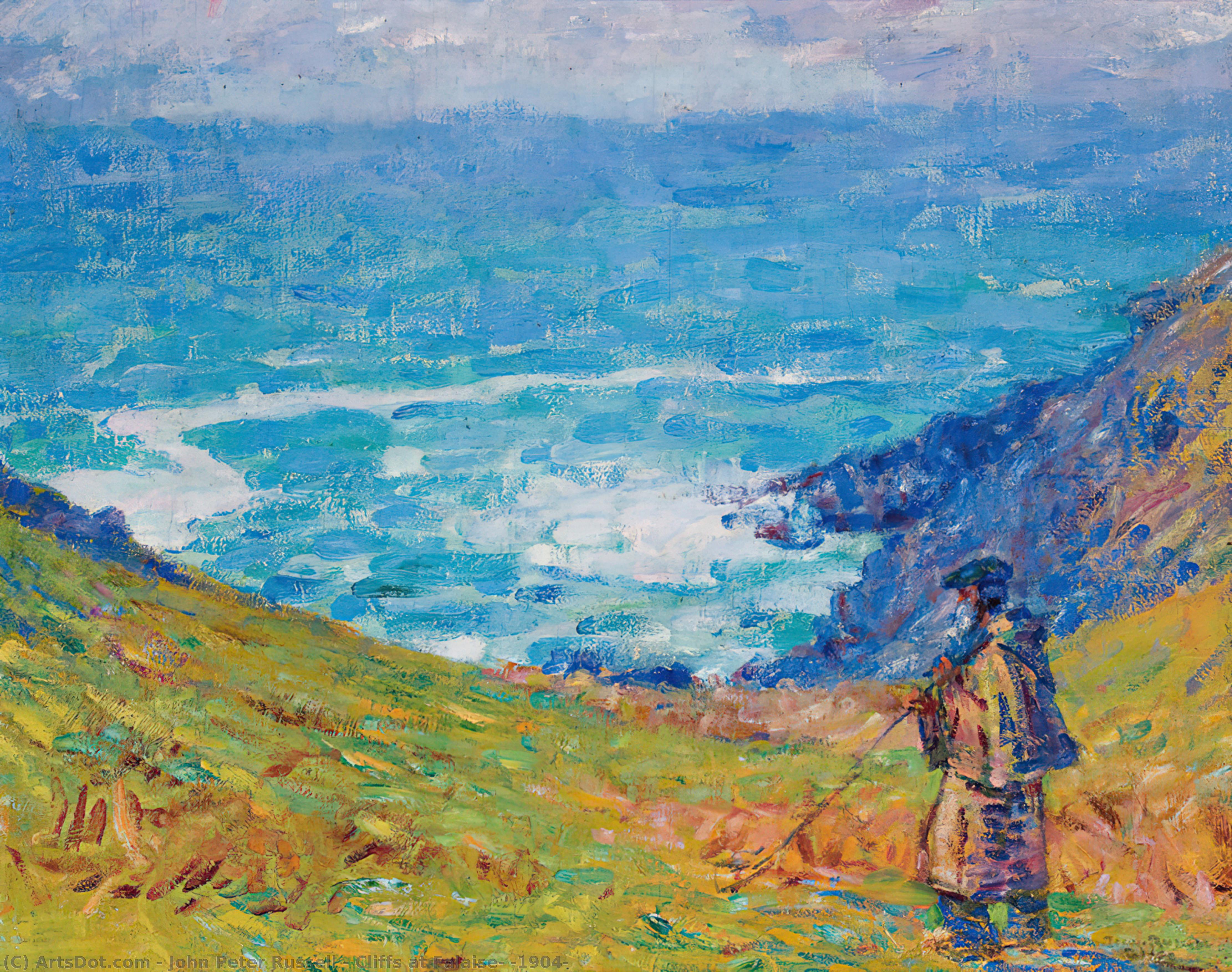
Cliffs at Falaise, (1904)


 詳細を見る
詳細を見る




P118B $10

P118H $10

P118W $10

P438Z $10

P508JH $12

P508YH $12

P805H $10

P805Z $10

P919BZ $10

P919G $10

P919XJ $10

P959ZH $10

P968JZ $12

W106C $8

W218G $10

W218JH $8

W218Y $10

W307PJ $10

W316G $10

W316PJ $8

W316Y $10

W398PJ $8

W4111J $10

W500HY $15

W500JH $15

W692G $12

W849H $8

W940BG $15

W953PJ $8




作品のオリジナル比率に合わせた、当店の規定サイズからお選びください。

特定のフレームやスペースに合わせて、ご希望のサイズをご入力いただけます。選択されたサイズが元の画像の比率と異なる場合、アートワークをトリミングするか、手描きで要素を追加して絵画を拡張いたします。デジタルモックアップ を制作し、制作開始前にご確認(承認)をいただきます。
画面上のプレビューは、実際のトリミングや拡張を正確に反映しているものではありません。最終的な構図は、モックアップによってのみ正確にご確認いただけます。
カスタムサイズもご利用いただけますが、元の比率を維持するためには、あらかじめ用意されたリストからサイズを選択することをお勧めいたします。
ご注文後、ArtsDot.com チームより詳細な指示をお送りするとともに、仕上がりイメージ(モックアップ)をご提供いたします。


 ガラスオプションは、110cm未満のサイズでのみご利用いただけます。

Cliffs at Falaise, (1904)
複製技法
複製画のサイズ
-


合計金額
$ 263
作品解説
A Solitary Encounter with the Infinite
In the evocative landscape of Cliffs at Falaise, painted in 1904, we are invited to witness a moment of profound stillness amidst the restless energy of nature. The composition centers on a solitary figure perched upon a rugged, grassy precipice, gazing out over an expansive seascape that seems to stretch into eternity. This is not merely a depiction of a coastline; it is a meditation on the relationship between the human spirit and the vast, untamable elements of the earth. Through a masterful use of diagonal lines, John Peter Russell directs our gaze from the textured, warm-toned foreground—rich with ochre, amber, and burnt sienna grasses—down toward the churning whitecaps of the Atlantic. The cliff face acts as a dramatic threshold, separating the terrestrial world of the viewer from the ethereal, misty horizon where the sea meets the sky.
The emotional resonance of the piece lies in its ability to evoke a sense of sublime solitude. There is a gentle melancholy present in the diffused, overcast light, suggesting a day where the atmosphere is heavy with salt spray and quiet contemplation. For the collector or interior designer, this painting offers a window into a world of peaceful introspection. It possesses a unique ability to anchor a room, providing a focal point that encourages slow looking and deep thought. The interplay between the stability of the earth and the fluid motion of the waves creates a rhythmic tension that is both calming and intellectually stimulating, making it an ideal centerpiece for spaces dedicated to relaxation or creative inspiration.
The Impressionist Touch: Texture and Light
Technically, Cliffs at Falaise stands as a testament to Russell’s mastery of the Impressionist vocabulary. Eschewing the rigid lines of academic realism, the artist employs a vigorous, impasto technique that lends the canvas a sculptural quality. Each brushstroke is visible and purposeful, building up layers of oil paint to mimic the tactile reality of wind-sweed vegetation and the frothing crests of breaking waves. This heavy application of paint allows light to play across the surface of the work, creating actual shadows within the texture of the pigment itself. The color palette is a sophisticated study in contrast; the warm, earthy tones of the foreground provide a necessary counterpoint to the cool, swirling blues and brilliant whites of the ocean.
Russell’s approach to light is particularly noteworthy. Rather than capturing a single, frozen moment of sunlight, he captures the atmosphere of the scene. The lighting feels soft and pervasive, characteristic of an overcast maritime climate, which helps to flatten the perspective in a way that is quintessentially modern. This atmospheric perspective—where colors become progressively lighter and less saturated as they recede toward the horizon—creates a breathtaking sense of depth without relying on traditional vanishing points. For those seeking a high-quality reproduction, this emphasis on texture and light ensures that the painting retains its luminous, breathing quality, bringing the raw energy of the French coast into any contemporary setting.
A Legacy of Connection
To understand the soul of this work, one must consider the artist’s place within the broader tapestry of art history. John Peter Russell, often referred to as Australia’s Lost Impressionist, occupied a unique position at the crossroads of international movements. Having studied in London and lived in the vibrant heart of Paris, his work carries the DNA of the great Impressionist masters while maintaining a distinct, rugged individuality. This painting reflects that transatlantic exchange—the technical rigor of his formal training blended with the experimental freedom of the French avant-garde.
When choosing a reproduction of such a significant piece, one is not just selecting a decoration, but investing in a fragment of art history. Cliffs at Falaise serves as a bridge between the physical world and the emotional landscape, offering a timeless beauty that transcends its era. It remains a powerful symbol of the human desire to find meaning within the vastness of the natural world, making it an enduring choice for those who appreciate art that speaks to both the eye and the soul.
関連作品
アーティストの略歴
ジョン・ピーター・ラッセルの再発見された世界
ジョン・ピーター・ラッセルは、オーストラリア美術史において、抗いがたい魅力を放つ、どこか逆説的な存在であり続けています。「オーストラリアの失われた印象派画家」としばしば称される彼の物語は、大西洋を越えた芸術的交流、個人的な悲劇、そして長い年月を経て成し遂げられた再発見の軌跡です。1858年にシドニーで生まれたラッセルの歩みは、典型的な植民地的な道のりから大きく逸脱していました。18歳でヨーロッパへと渡った彼は、当初はエンジニアリングを志していましたが、瞬く間に鮮やかな芸術の世界へと引き込まれていったのです。この決断こそが、彼を勃興しつつあった印象派運動の核心へと導き、その象徴的な巨匠たちとの絆を築くこととなりました。グールバーン校での初期教育がその礎となりましたが、彼の芸術的野心を真に燃え上がらせたのは、ロンドンのスレード美術院におけるアルフォンス・レグロス師の下での学び(1881-1883年)でした。この正統な訓練によって強固な素描力が養われましたが、その後のパリへの移住とフェルナン・コルモンによる指導こそが、彼の情熱の中に眠っていた色彩と光への渇望を解き放ったのです。パリの社交界と印象派の黎明
1880年代のパリは、芸術的革新が渦巻く坩堝(るつぼ)であり、ラッセルもまた、そのダイナミックな輪の中に身を投じました。ここで彼はフィンセント・ファン・ゴッホと極めて親密な友情を育むことになります。その関係を物語るのが、1886年にラッセルが描いたゴッホの衝撃的な肖像画です。これは同時代の画家によるゴッホの描写の中でも最も重要な作品の一つと見なされています。この肖像画は、ゴッホの人物像を痛切なほどに描き出し、後に彼の作品を定義することとなる感情の激しさを予感させます。さらにラッセルの芸術的発展は、クロード・モネとの出会いによって決定的な影響を受けました。ベル・イル島でモネと共に筆を走らせる中で、彼はplein air(戸外制作)の技法を吸収し、断続的な筆致や、大気の変化に対する鋭敏な感性を身につけていきました。この時期はラッセルの画風における転換点となり、彼は印象派の原理を完全に取り入れ始めたのです。しかし、彼の役割は単なる受容に留まりませんでした。ラッセルは他者にとっても重要なインスピレーションの源であったのです。アンリ・マティス自身が、1890年代のベル・イル訪問時に、印象派の核心的な教義と色彩理論を教えてくれたのはラッセルであったと語っています。これは、ラッセルがいかにこれらの芸術的原理を深く理解し、言語化できていたかを示す証左といえるでしょう。ベル・イル:光と色彩の聖域
ブルターニュ海岸に浮かぶベル・イル島は、ラッセルの人生と芸術の中心地となりました。彼は、オーギュスト・ロダンヌのモデルを務めた妻マリアンナ・マティオッコと共にこの地に定住し、アトリエであると同時に心の安らぎの場でもある家を築きました。ベル・イルの荒々しい海岸線、劇的な断崖、そして刻一刻と変化する光は、彼に尽きることのないインスピレーションを与え続けました。この時期のシースケープ(海景画)は特に際立っており、鮮やかな色彩と自由な筆致によって、大西洋の剥き出しのエネルギーと美しさを捉えています。島の独特な岩の造形を描いた繊細な水彩画『ベル・イル、コトン岬の針』(1897年)などの作品は、移ろいゆく一瞬の印象を永遠のイメージへと昇華させる彼の卓越した手腕を象徴しています。当時のラッセルのスタイルは、風景や人物を楽観的に描き出すことが特徴であり、そこには光と色彩への喜びが満ち溢れていました。彼は単に目に見えるものを複製していたのではありません。彼自身の独自の感性というレンズを通して、世界を再解釈していたのです。地元の漁師を描いた『我が友「ポライト」』(1900年頃)のような作品には、対象の身体的な特徴だけでなく、その人物が持つ性格や周囲の空気感までも捉える彼の技量が見事に示されています。悲劇、忘却、そして不朽の遺産
しかし、ラッセルの人生は1907年、妻マリアンナの死という悲劇に見舞われます。深い悲しみに打ちひしがれた彼は、自身の作品約400点ほどを破棄するという、あまりにも残酷な決断を下してしまいました。これは美術史にとって計り知れない損失となりました。その後、彼は晩年にシドニーへと戻り、芸術界から身を引き、比較的静かな生活を送りました。1930年の彼の死後、ラッセルの作品は数十年にわたって忘却の淵に沈みました。しかし、姪のテア・プロクターの尽力と、その後の学術的な研究によって、20世紀後半、彼の名声は再び回復へと向かい始めました。伝記が刊行され、展覧会が開催されるにつれ、オーストラリアおよびヨーロッパ美術に対する彼の独自の貢献への評価が高まっていったのです。今日、ラッセルの作品はパリのオルセー美術館やロダン美術館をはじめ、世界中の主要な美術館やオーストラリアの著名な機関に収蔵されています。彼の物語は、主流から外れた場所で活動する芸術家たちの、見過ごされがちな貢献を思い起こさせる力強いメッセージです。そして彼の作品は、印象派が持つ不朽の力、そして光と色彩の美しさを証明する証として、今もなお輝き続けています。彼はオーストラリアとフランスの芸術的伝統を結ぶ不可欠な架け橋として、近代美術の先駆者というふさわしい評価を、ついに手にしたのです。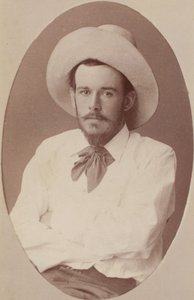
ジョン・ピーター・ラッセル
1858 - 1930 , オーストラリア
基本情報
- Artistic Movement Or Style: 印象派
- Artists Or Movements Influenced By This Artist: ['アンリ・マティス']
- Artists Who Influenced This Artist:
- クロード・モネ
- フィンセント・ファン・ゴッホ
- Date Of Birth: 1858年6月16日
- Date Of Death: 1930年4月30日
- Full Name: ジョン・ピーター・ラッセル
- Nationality: オーストラリア人
- Notable Artworks:
- ゴッホの肖像 (1886)
- ベル・イルの海景画
- マダム・シスレー (1887)
- 私の友人「ポライト」 (1900年頃)
- Place Of Birth: オーストラリア、シドニー
関連記事

ジョン・コンスタブルの傑作25選:英国風景画の巨匠が描く自然と光の詩 | ArtsDot
ジョン・コンスタブルの傑作25選。英国風景画の巨匠が描く自然と光の詩の世界へ。ロマン主義を代表する絵画、デダム・ヴェールやヘイ・ウェインなど、ArtsDotで高品質なアートプリントをお楽しみください。インテリアに深みと感動を。コレクションはこちら。

ジョン・シンガー・サージェント:至高の25選 - 美と光の肖像画の世界 | ArtsDot
ジョン・シンガー・サージェントの至高の25選。肖像画、写実主義、光と影の表現が美しい作品群を紐解きます。マダムXや少女の肖像など、時代を超えて愛される名作をArtsDotで鑑賞。高品質なアート複製で、お部屋に美術館のような空間を。今すぐコレクションをご覧ください。

Impressionistic Landscapes: 10 Masterpieces That Changed Art & Decor
Journey into the heart of Impressionism! Explore 10 masterpieces by Monet, Renoir & Degas that revolutionized landscape art. Discover their stories, techniques & find museum-quality reproductions to elevate your home decor on ArtsDot.com.

ロマン派ランドスケープ:時代を彩る巨匠の10選|アートとインテリアの世界
ロマン派絵画の時代を彩る10選。巨匠たちの風景が織りなす感動の世界へ。ターナー、ルーベンスなど、名作の裏話と高精細複製でアートをお部屋に。ArtsDot.comで至福のアート体験を。

印象派風景を彩った至宝:アート史に名を刻む10選
印象派風景の革新を彩った10選。モネ、ルノワールら巨匠の名作を紐解き、色彩と光が生み出す感動の世界へ。アートの歴史とインテリアのインスピレーションをArtsDot.comで。高品質な複製画で、あなただけの空間を創造しましょう。

