

 プレビュー
プレビュー
 シェアする
シェアする シェアする
シェアする
 詳細を見る
詳細を見る

 ダウンロード
 似ている作品
 X線調査
X線調査 スライドショー
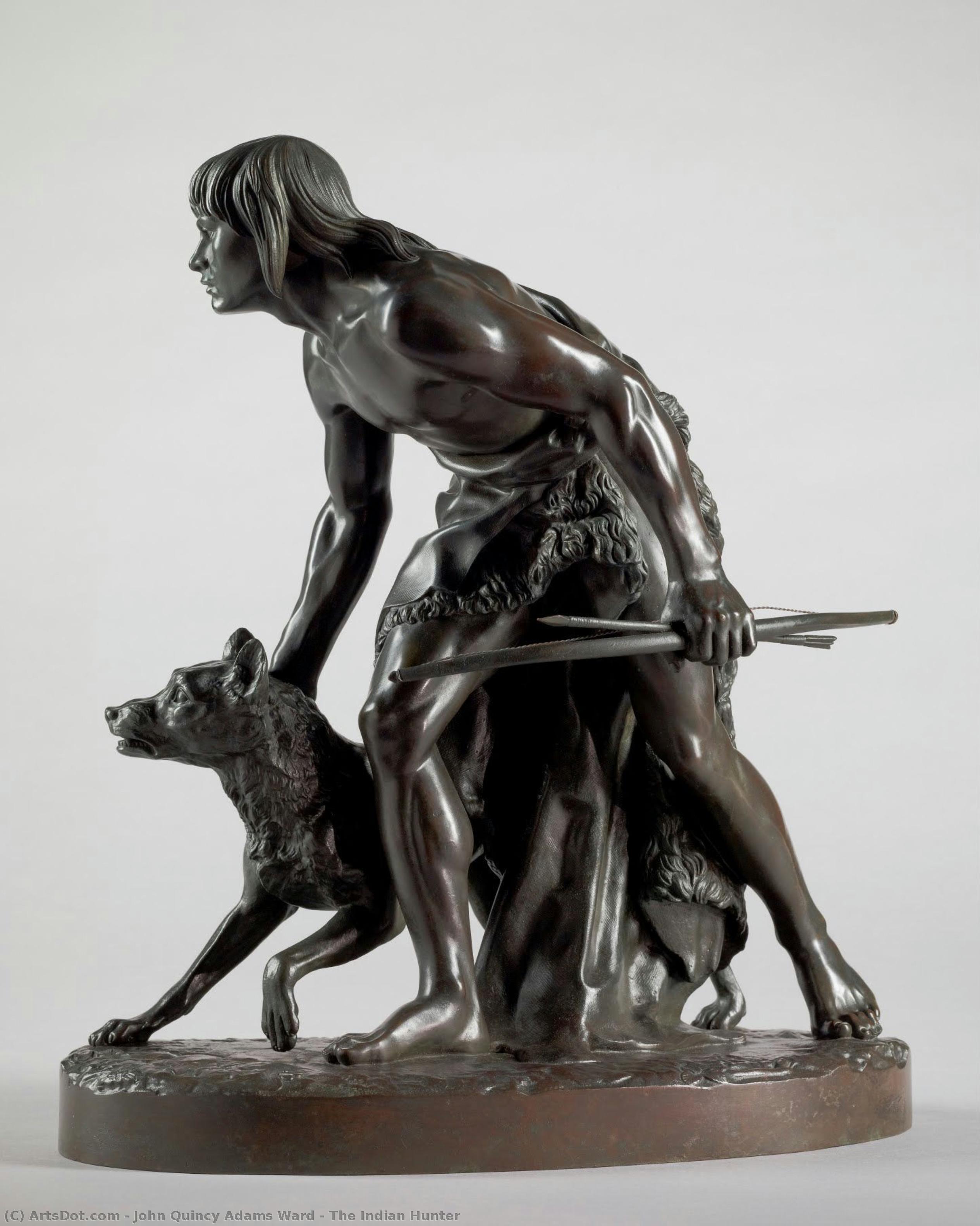
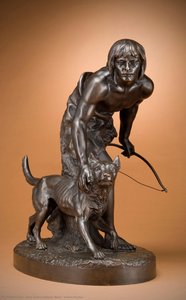
The Indian Hunter
 1859
1859 38.0 x 40.0 cm
 Amon Carter Museum of American Art
 詳細を見る
詳細を見る
ジークレー/アートプリント
迅速な制作と多彩な仕上げオプションを備えた、ミュージアムクオリティのジークレーまたはキャンバスプリント。 ( 手描きの絵画を購入 画像を購入)




































作品のオリジナル比率に合わせた、当店の規定サイズからお選びください。

特定のフレームやスペースに合わせて、ご自身でサイズを指定することも可能です。選択されたサイズが元の画像の比率と一致しない場合、作品をトリミングするか、鏡面反射または単色での塗りつぶしによって画像を拡張いたします。制作を開始する前に、ご確認用のデジタルモックアップをお送りいたします。
画面上のプレビューには、実際のトリミングや拡張は反映されませんのでご注意ください。最終的な構図を正確に確認できるのは、モックアップのみとなります。
カスタムサイズも承っておりますが、元の比率を維持するためには、あらかじめ用意されたリストからサイズを選択することをお勧めいたします。


 ガラスオプションは、110cm未満のサイズでのみご利用いただけます。

The Indian Hunter
ジークレー/アートプリント
複製画のサイズ
-


合計金額
$ 62
関連作品





アーティストの略歴
The Sculptor of American Identity
In the grand tapestry of nineteenth-century American art, few figures captured the burgeoning spirit of a young nation quite like John Quincy Adams Ward. Born in 1830 in Urbana, Ohio, Ward’s journey from the quiet landscapes of the American Midwest to the monumental heights of New York City’s artistic elite is a testament to the power of classical training met with raw, naturalistic vision. His early fascination with three-dimensional form was ignited not in a prestigious academy, but through the tactile influence of a local potter, Miles Chatfield. This early connection to the earth and clay would later manifest in a sculptural style characterized by an extraordinary attention to anatomical precision and a profound sense of physical presence.
As Ward transitioned from his family farm to the rigorous halls of the National Academy of Design in New York, he began to refine the technical prowess that would become his hallmark. Under the mentorship of the esteemed sculptor Henry Kirke Brown, Ward absorbed the nuances of classical composition while simultaneously pushing toward a more realistic, naturalistic aesthetic. This period of development was crucial; it allowed him to move beyond mere imitation of European traditions, instead seeking to create a uniquely American sculptural language—one that could honor historical figures with both dignity and a palpable, breathing vitality.
Mastery of Form and Historical Resonance
The true brilliance of Ward’s work lies in his ability to breathe life into bronze and stone, transforming static monuments into evocative narratives. His mastery is perhaps most famously realized in the George Washington statue that stands sentinel on the steps of Federal Hall National Memorial in New York City. This larger-than-life figure does not merely represent a historical icon; it embodies the very gravity and leadership of the era. Through meticulous detail and a commanding stance, Ward achieved a sense of monumental permanence that has become an indelible part of the American cityscape.
Beyond his patriotic tributes, Ward possessed a remarkable ability to capture the human condition through more intimate, stylized subjects. His work The Indian Hunter serves as a profound example of this duality. In this piece, housed at the Amon Carter Museum of American Art, one sees the artist’s skill in blending anatomical accuracy with a poetic, almost mythic quality. The sculpture reflects a deep engagement with the themes of the American frontier and the ruggedness of its inhabitants, showcasing a level of detail that invites the viewer to contemplate the texture of skin, the tension of muscle, and the quiet intensity of the subject's gaze.
A Lasting Legacy in American Art
The significance of John Quincy Adams Ward extends far beyond the physical dimensions of his statues. He was a pivotal figure in establishing a sculptural tradition that prioritized realism and historical truth, helping to define the visual identity of a nation finding its footing on the world stage. His contributions helped bridge the gap between the rigid neoclassicism of the past and the more expressive, naturalistic movements that would follow in the late nineteenth century.
Today, Ward’s legacy is preserved within the hallowed halls of America's most prestigious institutions. His works continue to inspire awe and reflection, serving as enduring reminders of a period when art was used to forge a collective national memory. To study his oeuvre is to witness the evolution of American sculpture itself—a journey from the humble clay of an Ohio potter to the bronze heights of New York’s most iconic landmarks.
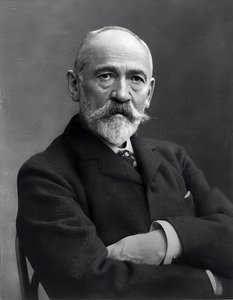
John Quincy Adams Ward
1830 - 1910 , United States of America
基本情報
- Artistic Movement Or Style: Naturalism
- Artists Or Movements Influenced By This Artist: ['Daniel Chester French']
- Artists Who Influenced This Artist: ['Henry Kirke Brown']
- Date Of Birth: June 29, 1830
- Date Of Death: May 1, 1910
- Full Name: John Quincy Adams Ward
- Nationality: American
- Notable Artworks:
- The Indian Hunter
- George Washington
- Study for the Apotheosis of Washington
- Place Of Birth: New York City, United States