

 プレビュー
プレビュー
 プリントを購入
 シェアする
シェアする シェアする
シェアする
 詳細を見る
詳細を見る

 ダウンロード
 似ている作品
 X線調査
X線調査 スライドショー
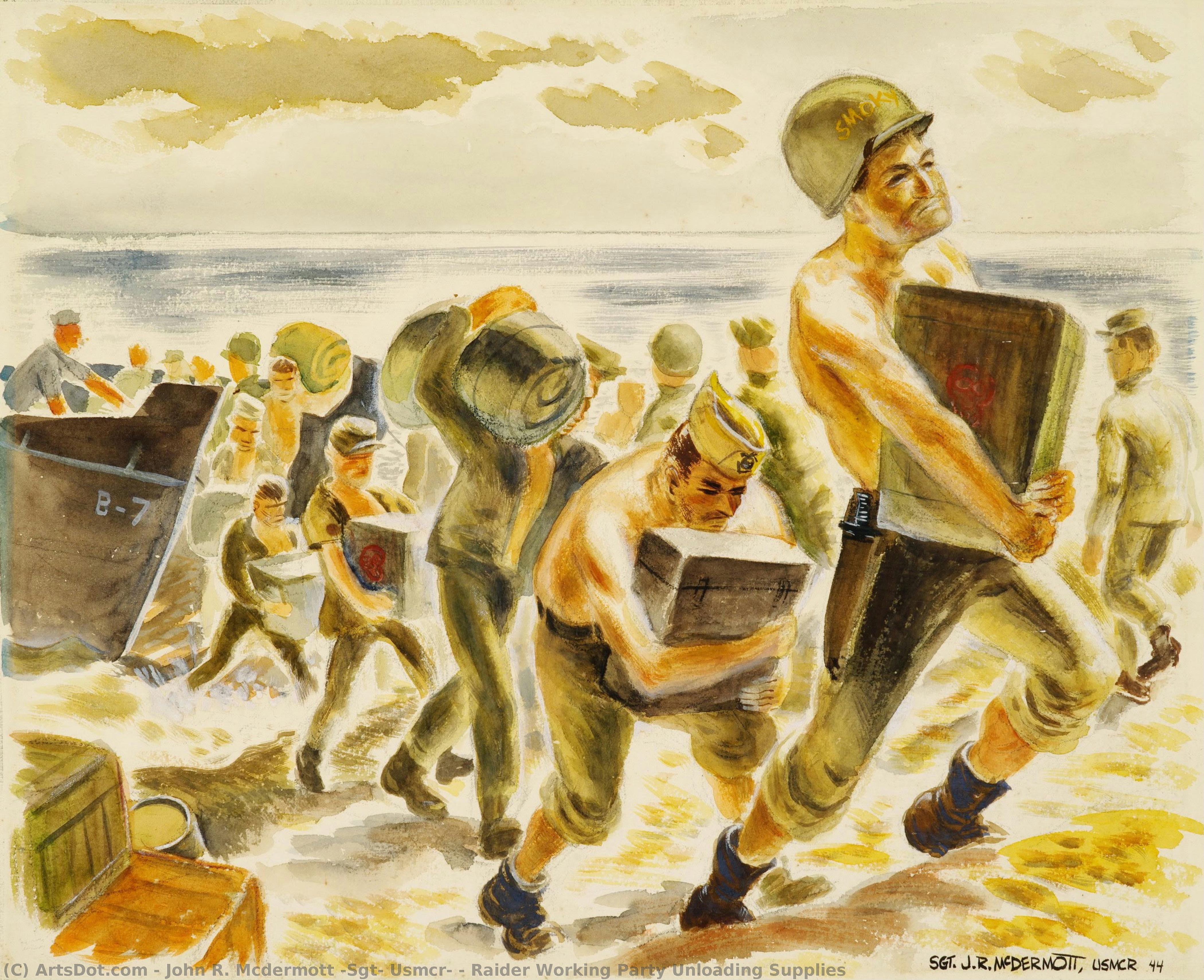
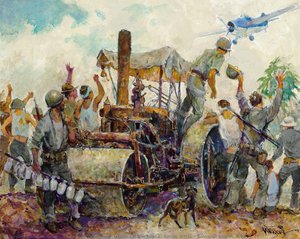
Raider Working Party Unloading Supplies


 詳細を見る
詳細を見る
オンラインプレビューをはるかに凌ぐ、高解像度で鮮明なデジタル画像をご購入いただけます。
各ファイルは、社内の専門家が高度なツールと熟練した手作業によるレタッチを用いて、細心の注意を払って準備されています。すべての画像において、卓越した鮮明度、正確な色彩再現性、そして繊細なディテールを保証いたします。
最終ファイルは、プロフェッショナルな編集・印刷環境ですぐにご利用いただけるよう最適化された状態で、72時間以内にメールにてお届けいたします。これは、一流のデザインスタジオ、出版社、ギャラリーから信頼されているものと同等の品質です。
デジタル画像のご注文に付随する特典
高品質なデジタル画像配信を、確かな品質で。
ArtsDot.com を選ぶことは、単に画像を手に入れることではありません。それは、プロの手によって精密に仕上げられ、満足保証が付いた高品質なデジタルアートワークを受け取ることを意味します。ご注文いただいた際に自動的に付随する内容は、以下の通りです:

メールですぐにお届け
ご注文から72時間以内に、高解像度のデジタル画像ファイルがメールでお手元に届きます。すぐにそのままご利用いただけます。

AI技術で最適化されたデジタルファイル
お客様の作品は、高度なAIツールと専門家による手作業の編集を組み合わせてプロフェッショナルに最適化されており、細部のディテール、鮮明さ、そして正確な色再現性を最大限に引き出しています。

一生涯無料の再送サービス
ファイルを誤って削除したり、紛失してしまったりしましたか?ご安心ください。いつでも無料で再送いたします。

輸入手数料は一切かかりません
関税や手数料、配送料を気にすることなく、お気に入りのアートワークをすぐにお楽しみいただけます。デジタルダウンロードは常に免税です。

色彩再現の保証
プロ仕様のツールとカラーマネジメント技術を用いることで、デジタル画像が元の色を最大限に忠実に再現することを保証いたします。

60日間満足保証
ご購入いただいたデジタル画像にご満足いただけない場合は、60日以内であれば、修正または100%の返金(理由を問う必要はありません)をさせていただきます。

100% 返金保証
ご満足いただけない場合は、デジタルファイルを受け取ってから60日以内であれば、理由を問わず全額返金いたします。

まとめ買い割引
3枚購入で10%OFF - 5枚購入で15%OFF - 10枚以上購入で20%OFF。クリエイティブなプロジェクト、ギャラリー、エージェンシーに最適です。
A Moment Captured in Service: The Spirit of Camaraderie
This evocative painting, titled "Raider Working Party Unloading Supplies," transports the viewer directly onto a sun-drenched beach, capturing a moment of intense, coordinated effort. It is more than just a depiction of military logistics; it is a profound study in human cooperation under pressure. The scene pulses with kinetic energy as a group of uniformed soldiers work together, their collective focus drawn to the supplies being unloaded from a truck positioned on the left. One can almost hear the shouts, the scrape of crates against sand, and the rhythmic effort of men moving as one unit. The composition masterfully draws the eye across the various figures—some straining under the weight of boxes, others steadying themselves near the vehicle's rear—all contributing to a palpable sense of shared purpose.
The Artist's Lens: John R. McDermott’s Vision
Created in 1944 by Sergeant John R. McDermott, this work carries the unmistakable imprint of an artist who lived the life he painted. McDermott, himself a Marine Corps member, channeled his experiences into art that speaks with raw authenticity. While his professional career saw him working as an animator for Disney Studios and writing novels under a pseudonym, it is through these military scenes that his connection to service shines brightest. His technique here blends the documentary realism of photojournalism with the heightened emotional resonance of fine art painting. The brushwork, while depicting mundane tasks—unloading supplies—is imbued with a sense of heroic narrative, elevating the everyday grind into something monumental.
Historical Echoes and Symbolism
Set against the backdrop of wartime activity, the painting resonates deeply with themes of resilience and brotherhood. The supplies themselves are symbolic not merely of rations or equipment, but of continuity—the necessary provisions that allow a mission to proceed. The camaraderie displayed among the thirteen visible figures is perhaps the most potent symbol; it speaks to the unbreakable bonds forged in shared danger and mutual reliance. For collectors and those drawn to historical narratives, this piece offers a tangible connection to a specific time and place, memorializing the grit and determination of the men who served.
Bringing the Scene Home: Decorating with Narrative Power
For interior designers seeking art that tells a compelling story, "Raider Working Party Unloading Supplies" offers unparalleled narrative depth. Its robust composition, anchored by the strong diagonal lines of the truck and the clustered figures, provides visual weight perfect for a study, a man-cave, or any space meant to evoke strength and history. Reproducing this work allows one to incorporate a piece that is both technically masterful and emotionally resonant. It serves as a powerful focal point, inviting conversation and contemplation about duty, teamwork, and the enduring spirit of human endeavor.
関連作品

作家の略歴
Early Life and Influences (1855 – 1919)
Evelyn De Morgan, a name often overshadowed by the more celebrated figures of her era, was an artist who fiercely defied societal expectations and carved out a unique space for herself within the vibrant artistic landscape of late Victorian and Edwardian England. Born in London in 1855 to Percival Pickering Q.C. and Anna Maria Spencer Stanhope, Evelyn’s upbringing was steeped in privilege yet simultaneously marked by constraints imposed upon women of her class. Her family's lineage traced back through generations of prominent figures – politicians, landowners, and nobility – a background that provided both opportunities and limitations for a young woman aspiring to a career in the arts. While her mother held conservative views regarding art’s place within a woman’s education, Evelyn’s father recognized her artistic inclinations and, crucially, secured private drawing lessons from a tutor named Green, providing her with the foundational skills necessary to pursue her passion. This early support, coupled with family trips to France and Italy to study Old Master paintings, laid the groundwork for her distinctive style. Evelyn's education was unusually comprehensive for a girl of her time, encompassing Latin, Greek, French, German, and Italian alongside classical literature and mythology. This rigorous academic training instilled in her a deep appreciation for beauty, history, and symbolism – elements that would profoundly influence her artistic vision. Notably, she used poetry as an outlet for expressing her burgeoning socialist, spiritualist, and feminist beliefs, foreshadowing the themes that would dominate her later works. The diaries recovered from The De Morgan Foundation archive reveal a young woman grappling with societal expectations and determined to forge her own path, rejecting the prescribed roles of wife and mother in favor of artistic expression. Her uncle, John Roddham Spencer Stanhope, was also an artist, further fueling her ambition and providing a connection to a family tradition she embraced wholeheartedly.The Development of Her Style
Evelyn’s artistic journey began with a fascination for portraiture, often depicting members of her family and friends in intimate settings. However, it wasn't long before she transitioned to landscapes and genre scenes, developing a distinctive style characterized by rich colors, loose brushstrokes, and an emphasis on capturing the light and atmosphere of her subjects. Unlike many artists of her time who adhered to strict academic conventions, Evelyn embraced a more expressive approach, prioritizing emotional resonance over meticulous detail. Her paintings are imbued with a sense of warmth, sensuality, and spiritual depth – qualities that set her apart from the prevailing artistic trends of the period. A pivotal moment in her development occurred during her travels to Italy in 1873-74, where she studied under the guidance of established masters like Jean-Léon Gérôme. This experience profoundly shaped her technique and broadened her understanding of composition, color theory, and anatomical accuracy. Returning to England, Evelyn continued to refine her style, incorporating elements of Impressionism while retaining her own unique sensibility. Her work evolved over time, moving from the more formal portraiture of her early years to a looser, more painterly approach that reflected her growing confidence and artistic maturity.Themes and Symbolism
Evelyn De Morgan’s paintings are not merely decorative; they are imbued with complex symbolic meanings and explore profound themes related to femininity, spirituality, social justice, and the human condition. Her subjects – often women engaged in domestic activities or contemplative moments – are depicted with a remarkable degree of empathy and understanding. She frequently used clothing as a means of conveying character and status, employing rich fabrics and intricate patterns to create visually arresting compositions. Recurring motifs in her work include flowers, birds, and musical instruments, each carrying symbolic weight. Flowers represent beauty, fertility, and the cyclical nature of life, while birds symbolize freedom, spirituality, and transcendence. Musical instruments – particularly the harp – evoke themes of harmony, love, and artistic expression. Evelyn’s paintings also subtly critique social inequalities and advocate for women's rights, reflecting her progressive ideals. Her depiction of female figures in positions of power and agency challenged conventional gender roles and offered a vision of a more equitable society.Legacy and Significance
Despite facing considerable prejudice and limited recognition during her lifetime, Evelyn De Morgan’s artistic legacy has steadily grown over the past century. The De Morgan Foundation, established to preserve and promote her work, plays a crucial role in ensuring that her paintings are appreciated for their beauty, complexity, and historical significance. Her distinctive style – characterized by its rich colors, expressive brushstrokes, and symbolic depth – continues to resonate with contemporary audiences. Evelyn De Morgan’s story is one of resilience, determination, and artistic vision. She defied the constraints imposed upon women in Victorian England to pursue her passion for painting, creating a body of work that offers a unique perspective on beauty, spirituality, and social justice. Her paintings serve as a testament to the power of art to challenge conventions, inspire empathy, and illuminate the human experience. Today, Evelyn De Morgan is recognized as one of the most important and influential artists of her time – a woman who dared to dream beyond the limitations of her era and left an enduring mark on the history of British art.
john r. mcdermott (sgt, usmcr)
1919 - 1977

