

 プレビュー
プレビュー
 プリントを購入
 シェアする
シェアする シェアする
シェアする
 詳細を見る
詳細を見る

 ダウンロード
 似ている作品
 X線調査
X線調査 スライドショー
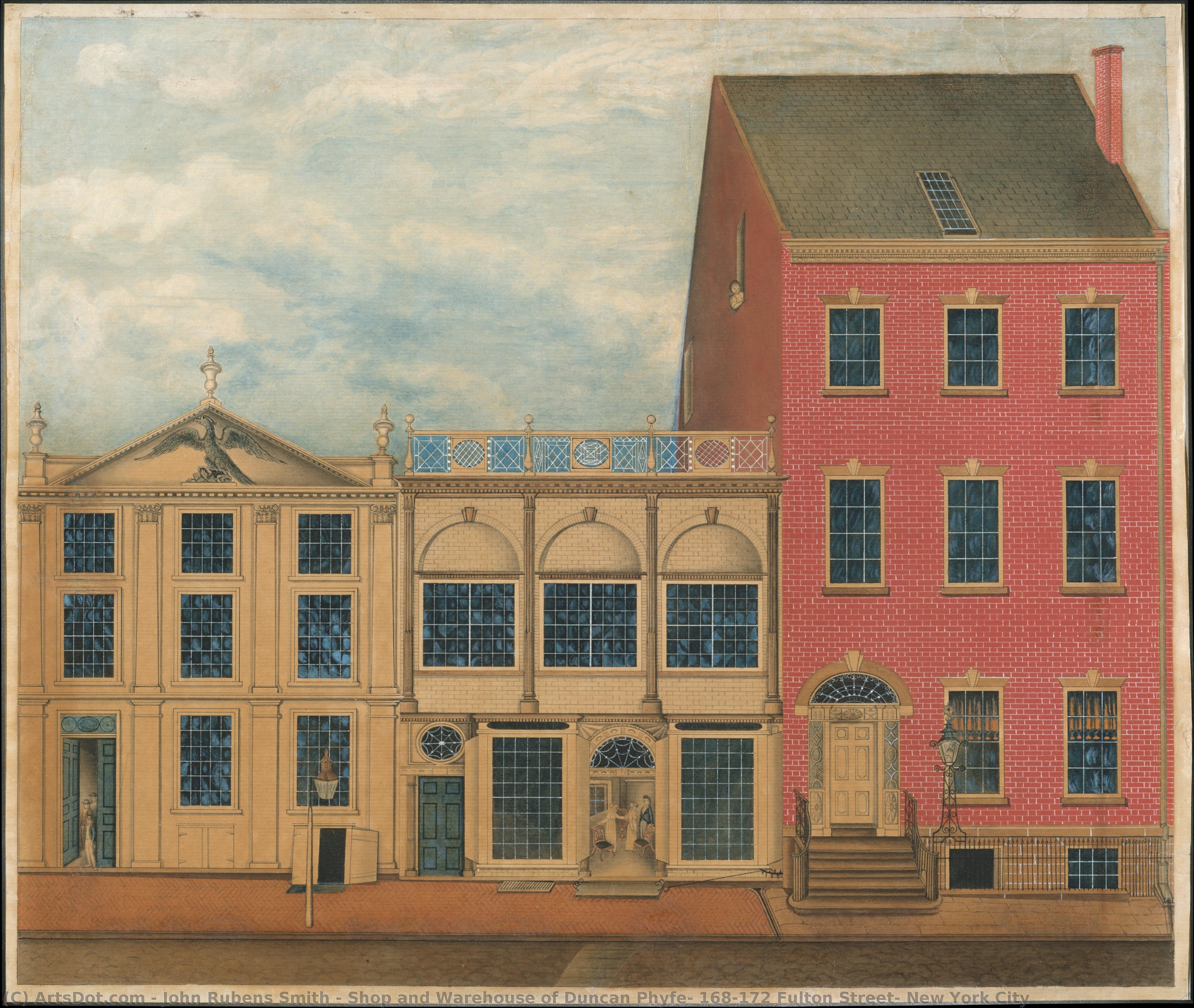
Shop and Warehouse of Duncan Phyfe, 168–172 Fulton Street, New York City
 1817
1817 40.0 x 50.0 cm
 詳細を見る
詳細を見る




































作品のオリジナル比率に合わせた、当店の規定サイズからお選びください。

特定のフレームやスペースに合わせて、ご希望のサイズをご入力いただけます。選択されたサイズが元の画像の比率と異なる場合、アートワークをトリミングするか、手描きで要素を追加して絵画を拡張いたします。デジタルモックアップ を制作し、制作開始前にご確認(承認)をいただきます。
画面上のプレビューは、実際のトリミングや拡張を正確に反映しているものではありません。最終的な構図は、モックアップによってのみ正確にご確認いただけます。
カスタムサイズもご利用いただけますが、元の比率を維持するためには、あらかじめ用意されたリストからサイズを選択することをお勧めいたします。
ご注文後、ArtsDot.com チームより詳細な指示をお送りするとともに、仕上がりイメージ(モックアップ)をご提供いたします。


 ガラスオプションは、110cm未満のサイズでのみご利用いただけます。

Shop and Warehouse of Duncan Phyfe, 168–172 Fulton Street, New York City
複製技法
複製画のサイズ
-


合計金額
$ 263
関連作品









アーティストの略歴
A Visionary of the New World: The Life and Legacy of John Rubens Smith
In the era before the camera lens could freeze a moment in time, the responsibility of documenting the shifting soul of a nation fell to the observant eye of the painter. John Rubens Smith (1775–1849) stood as one of the most vital witnesses to this transformative period in American history. Born in London, Smith’s artistic foundation was laid within the intimate confines of his father’s studio, under the guidance of the renowned mezzotint engraver John Raphael Smith. This early immersion in the nuances of tonal printmaking gifted him a profound understanding of light and shadow, a technical mastery that would later define his approach to the vast, untamed landscapes of the American frontier.
His formal education at the prestigious Royal Academy further refined his sensibilities, exposing him to the grand stylistic traditions of Joshua Reynolds and Thomas Gainsborough. Yet, while his training was rooted in the classical elegance of England, Smith’s spirit was drawn toward the burgeoning energy of the New World. Upon emigrating to New York City around 1807, he found himself at the heart of a developing nation, eager to capture the raw, unvarnished reality of a landscape in flux. Unlike many of his contemporaries who sought to impose an idealized, Europeanized beauty upon the American wilderness, Smith embraced a rigorous realism. His work became a meticulous record of topography and social evolution, characterized by an unwavering dedication to accurate observation.
Mastery of Landscape and Portraiture
Smith’s oeuvre is a breathtaking tapestry of portraits and landscapes that serve as windows into the early 19th century. In his landscapes, one finds a delicate balance of atmospheric perspective and subtle color gradations that evoke the very breath of the American wilderness. He possessed a rare ability to imbue scenes of rugged terrain with a sense of quiet majesty, capturing the interplay of light through dense foliage or the soft haze over distant mountains. His portraits, too, were marked by this same psychological depth; he did not merely record a likeness but sought to capture the character and presence of his subjects, whether they were distinguished gentlemen or figures from the everyday social fabric.
Beyond the canvas, Smith’s influence was felt through his commitment to the cultivation of American talent. He recognized that for a national art movement to flourish, formal instruction was essential. To this end, he established several drawing academies, serving as a mentor to a new generation of painters who would go on to define the American aesthetic. His instructional manuals became foundational texts, disseminating the technical principles of composition and light to aspiring artists across the Atlantic. Through these pedagogical efforts, Smith’s legacy was woven into the very fabric of American art education.
Historical Significance and Enduring Impact
The historical importance of John Rubens Smith cannot be overstated. He acted as a visual chronicler during a period of profound transition, providing a sense of continuity and identity to a young country. His work offers scholars and enthusiasts alike an invaluable glimpse into the landscapes and social structures that preceded the industrial age. To look upon a Smith painting is to witness the dawn of America through eyes that were both technically sophisticated and deeply empathetic to the subject matter.
His contributions can be summarized through several key pillars of his career:
- Documentary Precision: His commitment to realism provided an essential visual record of early American topography and urban development.
- Technical Pedagogy: Through his academies and manuals, he shaped the technical capabilities of a generation of American artists.
- Artistic Synthesis: He successfully merged the refined printmaking techniques of his English training with the rugged, observational needs of the American landscape tradition.
- Cultural Bridge: His life and work represent the vital exchange of artistic traditions between the established academies of London and the emerging art scene of New York.
Though he passed away in New York in 1849, the echoes of his meticulous brushstrokes remain. John Rubens Smith did more than just paint; he helped a nation see itself, capturing the light, the land, and the people of a burgeoning era with a clarity that continues to resonate in the halls of art history.
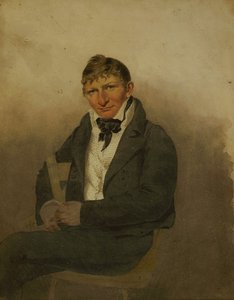
John Rubens Smith
1775 - 1849
基本情報
- Artistic Movement Or Style: Romanticism
- Artists Or Movements Influenced By This Artist: ['George Morland']
- Artists Who Influenced This Artist: ['John Raphael Smith']
- Date Of Birth: 1775
- Date Of Death: 1849
- Full Name: John Rubens Smith
- Nationality: British
- Notable Artworks:
- The Honourable Douglas James William Kinnaird
- Shop and Warehouse of Duncan Phyfe
- Place Of Birth: London, England

