

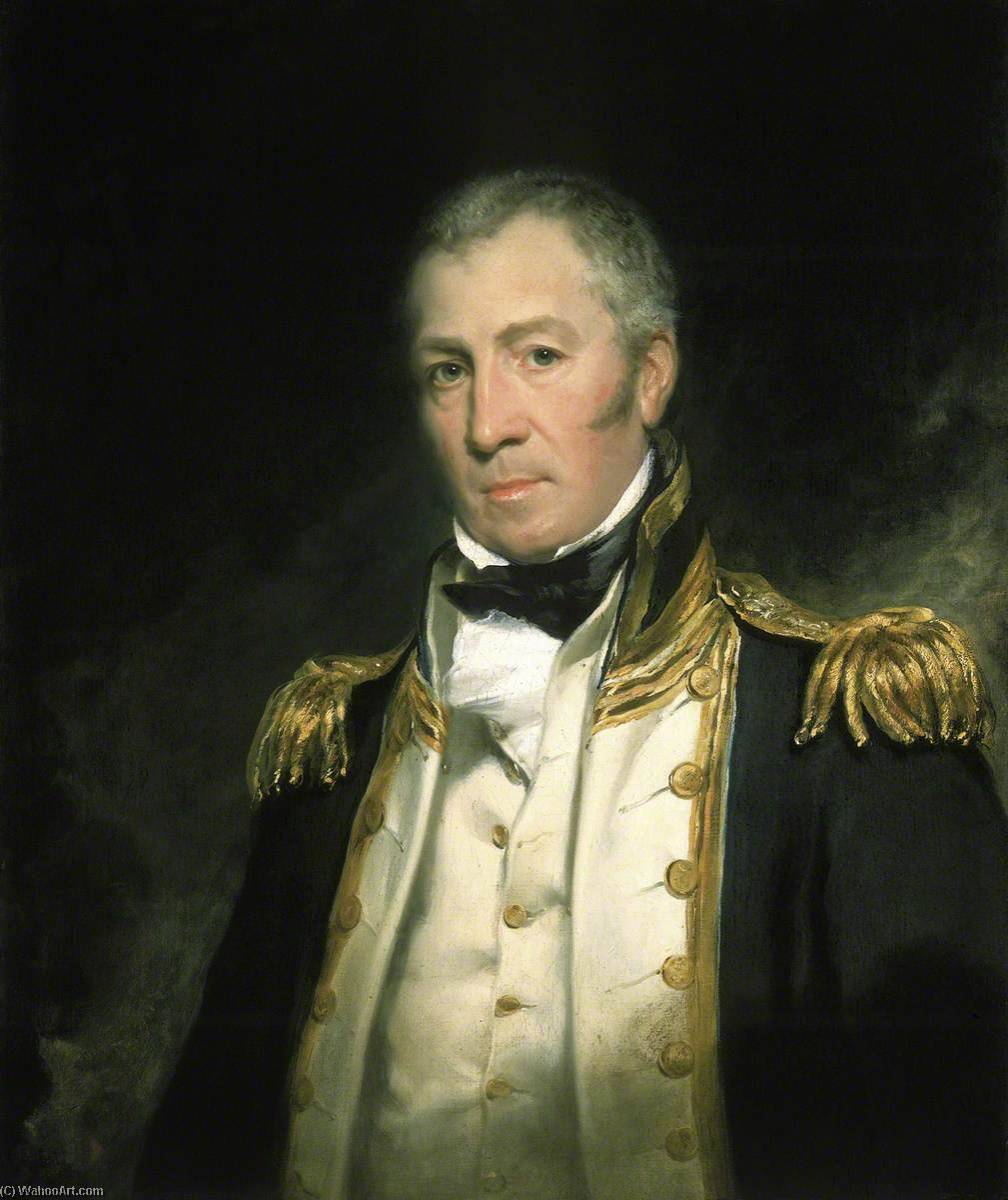
 プレビュー
プレビュー
 シェアする
シェアする シェアする
シェアする
 詳細を見る
詳細を見る

 ダウンロード
 似ている作品
 X線調査
X線調査 スライドショー
Captain Peter Heywood (1773–1831)
 1822
1822 76.0 x 64.0 cm
 詳細を見る
詳細を見る
ジークレー/アートプリント
迅速な制作と多彩な仕上げオプションを備えた、ミュージアムクオリティのジークレーまたはキャンバスプリント。 ( 手描きの絵画を購入 画像を購入)




































作品のオリジナル比率に合わせた、当店の規定サイズからお選びください。

特定のフレームやスペースに合わせて、ご自身でサイズを指定することも可能です。選択されたサイズが元の画像の比率と一致しない場合、作品をトリミングするか、鏡面反射または単色での塗りつぶしによって画像を拡張いたします。制作を開始する前に、ご確認用のデジタルモックアップをお送りいたします。
画面上のプレビューには、実際のトリミングや拡張は反映されませんのでご注意ください。最終的な構図を正確に確認できるのは、モックアップのみとなります。
カスタムサイズも承っておりますが、元の比率を維持するためには、あらかじめ用意されたリストからサイズを選択することをお勧めいたします。


 ガラスオプションは、110cm未満のサイズでのみご利用いただけます。

Captain Peter Heywood (1773–1831)
ジークレー/アートプリント
複製画のサイズ
-


合計金額
$ 62
関連作品








アーティストの略歴
John Simpson: A Life in Portraiture
Early Life and Training
- Born in London in 1782, John Simpson embarked on a career as a portrait painter during a vibrant period of British art.
- He received his foundational training at the prestigious Royal Academy, honing his skills and establishing himself within the artistic community.
- Crucially, Simpson spent several years as an assistant to Sir Thomas Lawrence, PRA – a leading portraitist of the era. This mentorship profoundly shaped his style and approach to capturing likenesses.
Artistic Development and Style
- Simpson’s early work reflects the influence of Sir Thomas Lawrence, characterized by a refined technique and attention to detail. He quickly gained recognition for his ability to create flattering and accurate portraits.
- He exhibited regularly at the Royal Academy from 1807 until his death, demonstrating consistent productivity and engagement with the art world.
- While primarily a portraitist, Simpson’s work occasionally ventured beyond conventional society portraiture, hinting at a broader artistic sensibility.
Major Achievements and Commissions
- Royal Patronage: In 1834, Simpson received a significant commission to travel to Portugal and paint portraits in Lisbon.
- His success led to an appointment as Painter to the Queen of Portugal, solidifying his reputation on the international stage.
- Notable Sitters: Simpson painted numerous prominent figures, including William IV and many other notable individuals of his time. His portraits provide valuable visual records of British society during the 19th century.
‘The Captive Slave’ and Rediscovery
- A Turning Point: Simpson's painting, ‘The Captive Slave,’ created a significant shift in his artistic legacy. It remained largely unseen for nearly 180 years.
- Acquisition and Recognition: The Art Institute of Chicago acquired the work in 2008, bringing it to public attention.
- Abolitionist Significance: ‘The Captive Slave’ is now recognized as a powerful statement against slavery. It demonstrates Simpson's capacity for venturing beyond conventional portraiture and engaging with important social issues.
Legacy and Historical Significance
- Despite some contemporary criticism suggesting his work lacked “instinct and penetration,” John Simpson established a successful career as a respected portrait painter.
- Family of Artists: He had two sons who also pursued artistic careers – Charles, who died young, and Philip, who found success with small domestic subjects.
- Enduring Impact: The rediscovery of ‘The Captive Slave’ has elevated Simpson's status, highlighting his talent and the painting’s importance as a symbol of the abolitionist movement. He is now recognized not only for his technical skill but also for his contribution to social commentary through art.

John Simpson
1782 - 1847 , United Kingdom
基本情報
- Birth Date: 1782
- Birth Place: London, United Kingdom
- Death Date: 1847
- Influenced By: Sir Thomas Lawrence
- Movement: Portraiture
- Name: John Simpson
- Nationality: British
- Notable Works: The Captive Slave