

 プレビュー
プレビュー
 プリントを購入
 シェアする
シェアする シェアする
シェアする
 詳細を見る
詳細を見る

 ダウンロード
 似ている作品
 X線調査
X線調査 スライドショー
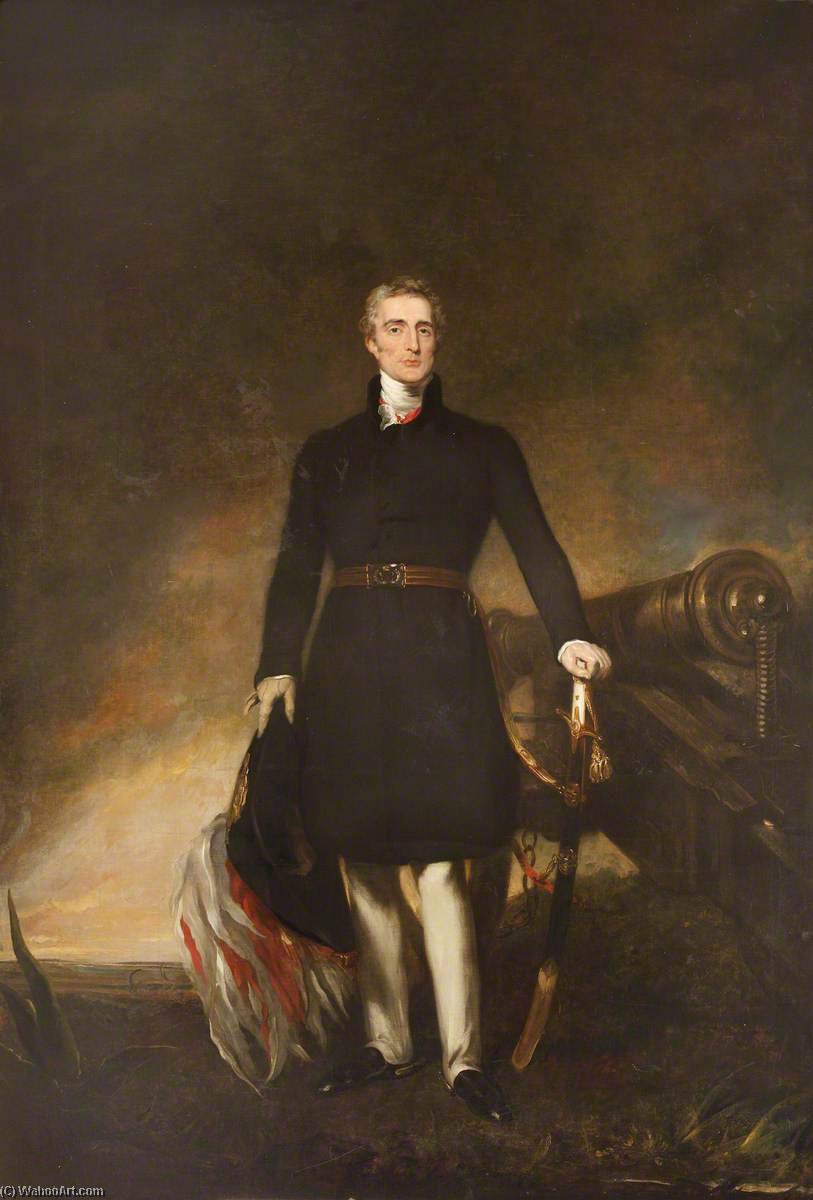
The Duke of Wellington (1769–1852)
 Oil On Canvas
- WallArt
- Romantic Portraiture
 19th Century
 256.0 x 175.0 cm
 ロイヤル・ホスピタル・チェルシー
 詳細を見る
詳細を見る
オンラインプレビューをはるかに凌ぐ、高解像度で鮮明なデジタル画像をご購入いただけます。
各ファイルは、社内の専門家が高度なツールと熟練した手作業によるレタッチを用いて、細心の注意を払って準備されています。すべての画像において、卓越した鮮明度、正確な色彩再現性、そして繊細なディテールを保証いたします。
最終ファイルは、プロフェッショナルな編集・印刷環境ですぐにご利用いただけるよう最適化された状態で、72時間以内にメールにてお届けいたします。これは、一流のデザインスタジオ、出版社、ギャラリーから信頼されているものと同等の品質です。
デジタル画像のご注文に付随する特典
高品質なデジタル画像配信を、確かな品質で。
ArtsDot.com を選ぶことは、単に画像を手に入れることではありません。それは、プロの手によって精密に仕上げられ、満足保証が付いた高品質なデジタルアートワークを受け取ることを意味します。ご注文いただいた際に自動的に付随する内容は、以下の通りです:

メールですぐにお届け
ご注文から72時間以内に、高解像度のデジタル画像ファイルがメールでお手元に届きます。すぐにそのままご利用いただけます。

AI技術で最適化されたデジタルファイル
お客様の作品は、高度なAIツールと専門家による手作業の編集を組み合わせてプロフェッショナルに最適化されており、細部のディテール、鮮明さ、そして正確な色再現性を最大限に引き出しています。

一生涯無料の再送サービス
ファイルを誤って削除したり、紛失してしまったりしましたか?ご安心ください。いつでも無料で再送いたします。

輸入手数料は一切かかりません
関税や手数料、配送料を気にすることなく、お気に入りのアートワークをすぐにお楽しみいただけます。デジタルダウンロードは常に免税です。

色彩再現の保証
プロ仕様のツールとカラーマネジメント技術を用いることで、デジタル画像が元の色を最大限に忠実に再現することを保証いたします。

60日間満足保証
ご購入いただいたデジタル画像にご満足いただけない場合は、60日以内であれば、修正または100%の返金(理由を問う必要はありません)をさせていただきます。

100% 返金保証
ご満足いただけない場合は、デジタルファイルを受け取ってから60日以内であれば、理由を問わず全額返金いたします。

まとめ買い割引
3枚購入で10%OFF - 5枚購入で15%OFF - 10枚以上購入で20%OFF。クリエイティブなプロジェクト、ギャラリー、エージェンシーに最適です。
A Portrait of Command: The Duke of Wellington
To gaze upon this depiction of the Duke of Wellington is to encounter not merely a likeness, but an embodiment of British martial spirit and enduring historical gravity. John Simpson has captured a moment steeped in ceremony and authority. The subject stands with an undeniable bearing, clad in formal attire that speaks volumes of his station—a man whose life was inextricably linked to the grand sweep of military history. His presence, framed by the imposing bulk of the cannon and the dignity of the flag he holds, suggests a pivotal juncture, perhaps commemorating a victory or affirming a steadfast commitment to duty.
The Mastery of John Simpson’s Brush
John Simpson, working during a period when portraiture served as both commemoration and status symbol, approached this work with remarkable skill. Having honed his craft under the tutelage of Sir Thomas Lawrence, one can detect in the rendering a refined technique—a flattering yet acutely observant hand at work. The artist possesses an innate ability to imbue fabric, uniform, and facial expression with palpable texture. Observe the meticulous detail in the folds of the black suit; they do not merely hang upon the figure but seem weighted by history itself. This level of craftsmanship ensures that even a reproduction retains the illusion of depth and costly materiality.
Historical Resonance and Symbolism
The inclusion of the cannon is far from incidental; it anchors the portrait within a narrative of power and defense. It speaks to Wellington’s role as a military architect, a figure whose life was defined by strategy and conflict. The flag he carries acts as a potent symbol—a banner under which loyalty and national pride were rallied. For the collector or designer, this piece offers more than decoration; it is an artifact of narrative weight. It allows one to contemplate the intersection of personal achievement with monumental historical events.
Bringing Empire Home: Decorating with History
For those seeking to infuse a space—be it a grand hall, a library, or a distinguished study—with character and intellectual depth, this artwork is unparalleled. The rich tonality and formal composition lend themselves beautifully to traditional interiors, complementing dark woods, deep velvets, and polished metals. Owning a reproduction of this piece means curating an atmosphere of enduring respectability and storied accomplishment. It serves as a silent conversation starter, inviting admiration for both the subject’s stature and the artist’s masterful execution.
関連作品

作家の略歴
John Simpson: A Life in Portraiture
Early Life and Training
- Born in London in 1782, John Simpson embarked on a career as a portrait painter during a vibrant period of British art.
- He received his foundational training at the prestigious Royal Academy, honing his skills and establishing himself within the artistic community.
- Crucially, Simpson spent several years as an assistant to Sir Thomas Lawrence, PRA – a leading portraitist of the era. This mentorship profoundly shaped his style and approach to capturing likenesses.
Artistic Development and Style
- Simpson’s early work reflects the influence of Sir Thomas Lawrence, characterized by a refined technique and attention to detail. He quickly gained recognition for his ability to create flattering and accurate portraits.
- He exhibited regularly at the Royal Academy from 1807 until his death, demonstrating consistent productivity and engagement with the art world.
- While primarily a portraitist, Simpson’s work occasionally ventured beyond conventional society portraiture, hinting at a broader artistic sensibility.
Major Achievements and Commissions
- Royal Patronage: In 1834, Simpson received a significant commission to travel to Portugal and paint portraits in Lisbon.
- His success led to an appointment as Painter to the Queen of Portugal, solidifying his reputation on the international stage.
- Notable Sitters: Simpson painted numerous prominent figures, including William IV and many other notable individuals of his time. His portraits provide valuable visual records of British society during the 19th century.
‘The Captive Slave’ and Rediscovery
- A Turning Point: Simpson's painting, ‘The Captive Slave,’ created a significant shift in his artistic legacy. It remained largely unseen for nearly 180 years.
- Acquisition and Recognition: The Art Institute of Chicago acquired the work in 2008, bringing it to public attention.
- Abolitionist Significance: ‘The Captive Slave’ is now recognized as a powerful statement against slavery. It demonstrates Simpson's capacity for venturing beyond conventional portraiture and engaging with important social issues.
Legacy and Historical Significance
- Despite some contemporary criticism suggesting his work lacked “instinct and penetration,” John Simpson established a successful career as a respected portrait painter.
- Family of Artists: He had two sons who also pursued artistic careers – Charles, who died young, and Philip, who found success with small domestic subjects.
- Enduring Impact: The rediscovery of ‘The Captive Slave’ has elevated Simpson's status, highlighting his talent and the painting’s importance as a symbol of the abolitionist movement. He is now recognized not only for his technical skill but also for his contribution to social commentary through art.

John Simpson
1782 - 1847 , United Kingdom
プロフィール概要
- Birth Date: 1782
- Birth Place: London, United Kingdom
- Death Date: 1847
- Influenced By: Sir Thomas Lawrence
- Movement: Portraiture
- Name: John Simpson
- Nationality: British
- Notable Works: The Captive Slave

