

 プレビュー
プレビュー
 プリントを購入
 シェアする
シェアする シェアする
シェアする
 詳細を見る
詳細を見る

 ダウンロード
 似ている作品
 X線調査
X線調査 スライドショー
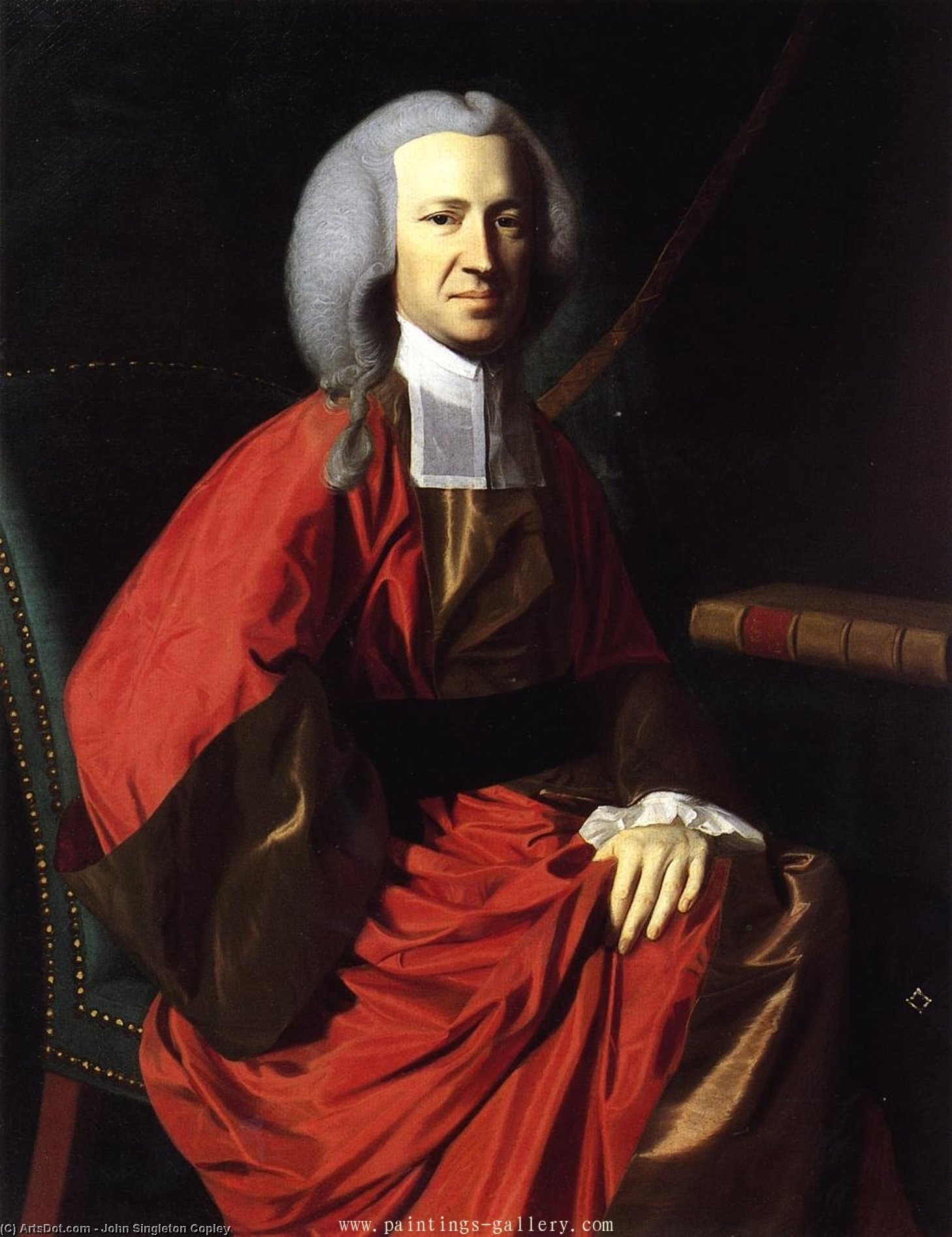
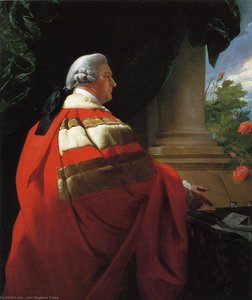
Portrait of Judge Martin Howard


 詳細を見る
詳細を見る
オンラインプレビューをはるかに凌ぐ、高解像度で鮮明なデジタル画像をご購入いただけます。
各ファイルは、社内の専門家が高度なツールと熟練した手作業によるレタッチを用いて、細心の注意を払って準備されています。すべての画像において、卓越した鮮明度、正確な色彩再現性、そして繊細なディテールを保証いたします。
最終ファイルは、プロフェッショナルな編集・印刷環境ですぐにご利用いただけるよう最適化された状態で、72時間以内にメールにてお届けいたします。これは、一流のデザインスタジオ、出版社、ギャラリーから信頼されているものと同等の品質です。
デジタル画像のご注文に付随する特典
高品質なデジタル画像配信を、確かな品質で。
ArtsDot.com を選ぶことは、単に画像を手に入れることではありません。それは、プロの手によって精密に仕上げられ、満足保証が付いた高品質なデジタルアートワークを受け取ることを意味します。ご注文いただいた際に自動的に付随する内容は、以下の通りです:

メールですぐにお届け
ご注文から72時間以内に、高解像度のデジタル画像ファイルがメールでお手元に届きます。すぐにそのままご利用いただけます。

AI技術で最適化されたデジタルファイル
お客様の作品は、高度なAIツールと専門家による手作業の編集を組み合わせてプロフェッショナルに最適化されており、細部のディテール、鮮明さ、そして正確な色再現性を最大限に引き出しています。

一生涯無料の再送サービス
ファイルを誤って削除したり、紛失してしまったりしましたか?ご安心ください。いつでも無料で再送いたします。

輸入手数料は一切かかりません
関税や手数料、配送料を気にすることなく、お気に入りのアートワークをすぐにお楽しみいただけます。デジタルダウンロードは常に免税です。

色彩再現の保証
プロ仕様のツールとカラーマネジメント技術を用いることで、デジタル画像が元の色を最大限に忠実に再現することを保証いたします。

60日間満足保証
ご購入いただいたデジタル画像にご満足いただけない場合は、60日以内であれば、修正または100%の返金(理由を問う必要はありません)をさせていただきます。

100% 返金保証
ご満足いただけない場合は、デジタルファイルを受け取ってから60日以内であれば、理由を問わず全額返金いたします。

まとめ買い割引
3枚購入で10%OFF - 5枚購入で15%OFF - 10枚以上購入で20%OFF。クリエイティブなプロジェクト、ギャラリー、エージェンシーに最適です。
作品の詳細
A Portrait of Power and Grace: John Singleton Copley’s “Portrait of Judge Martin Howard”
The year is 1767. Boston, a burgeoning hub of colonial commerce and intellectual ferment, witnesses the creation of a remarkable portrait – John Singleton Copley's "Portrait of Judge Martin Howard." More than simply a likeness, this painting embodies the spirit of the era, capturing not just the subject’s physical appearance but also his status, ambition, and the subtle complexities of 18th-century New England society. Housed within the esteemed Museo Nacional Centro de Arte Reina Sofía in Madrid, it stands as a testament to Copley's mastery and a window into a pivotal moment in American art history.
Copley, a self-taught artist who arrived in London after establishing himself in Boston, brought with him a unique blend of European artistic traditions – particularly the influence of Italian portraiture – and an acute understanding of his American clientele. He wasn’t interested in mere imitation; he sought to distill the essence of his subjects, imbuing their portraits with personality and context. Howard, a respected judge known for his legal acumen and involvement in shaping Rhode Island law, was a demanding subject, requiring Copley to capture not just his features but also the weight of his office and the dignity of his position.
The Details of a Distinguished Man
The painting immediately draws the eye with its rich palette and meticulous detail. Judge Howard is depicted in a commanding pose, seated in a plush chair upholstered in deep blue velvet – a deliberate choice that speaks to his wealth and status. He wears a vibrant red coat adorned with crisp white trim, a bold statement of authority against the darker tones of the background. The intricate folds of the fabric, rendered with Copley’s signature precision, suggest both luxury and movement. His long hair, meticulously styled in a wig, frames a face etched with intelligence and composure. Notice the subtle details: the rings on his fingers, the carefully arranged books on the table beside him – each element contributing to a layered portrait of a man deeply rooted in his profession and community.
Copley’s technique is equally impressive. The oil paint application is remarkably smooth and luminous, creating a sense of depth and realism. He masterfully employs chiaroscuro—the contrast between light and shadow—to sculpt Howard's features and define the space around him. The lighting focuses primarily on Howard himself, drawing attention to his face and posture while subtly obscuring the background, reinforcing his central importance within the composition.
A Window into Colonial Society
Beyond its technical brilliance, “Portrait of Judge Martin Howard” offers a valuable glimpse into colonial American society. The setting—a richly appointed study—reflects the prosperity and sophistication of the era’s elite. The inclusion of books suggests Howard's intellectual pursuits and his engagement with legal scholarship. The portrait itself was a significant investment for a judge, signifying both his success and his desire to project an image of respectability and authority. It was a common practice during this period to commission portraits as markers of social standing and family history.
Interestingly, the painting’s creation coincided with Howard's marriage to Abigail Greenleaf, daughter of Stephen Greenleaf, Sheriff of Suffolk County. This familial connection adds another layer of significance to the portrait, suggesting a celebration of both personal and professional achievement. The meticulous attention to detail—from the judge’s attire to the arrangement of objects in his study—reflects the values and aspirations of colonial society.
Symbolism and Enduring Legacy
The red coat with white trim is not merely decorative; it symbolizes authority, justice, and civic duty. The pose itself – seated upright, gazing directly at the viewer – conveys confidence and self-assurance. Copley’s ability to capture Howard's personality—his intelligence, his seriousness, and perhaps even a hint of melancholy—elevates the portrait beyond a simple likeness. It is a work that speaks volumes about the man he portrayed and the society in which he lived.
Today, “Portrait of Judge Martin Howard” remains a prized possession of the Museo Nacional Centro de Arte Reina Sofía, continuing to captivate viewers with its beauty, detail, and historical significance. Reproductions of this iconic painting offer an accessible way to appreciate Copley’s genius and gain insight into the world of 18th-century colonial America.
関連作品
作家の略歴
ジョン・シングルトン・コプレイ:アメリカ美術の架け橋
1738年にボストンで生まれたジョン・シングルトン・コプレイは、アメリカとヨーロッパを結ぶ美術史における特異な存在です。単なる画家としてではなく、激動の時代を生きる人々の姿を鮮やかに描き出し、新大陸のアメリカ美術にヨーロッパの影響を巧みに取り入れながら独自のスタイルを確立した文化的な架け橋と言えるでしょう。彼の幼少期は、ボストンの賑やかな港町で育ちました。父リチャード・コプレイはタバコ商であり、母メアリー・シングルトン・コプレイはロングホイーフの店を営んでいました。この環境が、若きコプレイに素材の世界への鋭い感覚と、社会階層の微妙なニュアンスを教え込みました。養父ピーター・ペラムによる初期の指導に加え、彼は独学で絵画技術を磨き上げ、やがてペラムの才能さえ凌駕するほどまでに成長しました。植民地時代の肖像画家として
1760年代には、コプレイはボストンの第一人者となる肖像画家としての地位を確立します。彼の成功は単なる技術力だけでなく、作品に深遠な心理描写を与える才能によるものでした。彼は単なる容姿の再現にとどまらず、被写体の個性や社会的地位を捉えようと試みました。緻密な衣装や装飾品の描写に加え、姿勢、表情、身振りといった細部にまで気を配り、その肖像画は富、権力、そして社会的な願望を表現する手段となりました。例えば、Mrs. Ezekiel Gondthwait (Elizabeth Lewis) は、優雅なポーズ、豪華な衣装、そしてさりげないディテールが、被写体の洗練されたステータスを物語っています。コプレイは肖像画の中に象徴的な小道具を取り入れることで、被写体の職業や興味を示唆し、単なる肖像画を超えた社会批評へと昇華させました。ヨーロッパへの憧憬と新たな挑戦
ボストンでの成功にもかかわらず、コプレイはより大きな舞台で認められることを切望していました。彼はロンドンやローマの美術界における評価を求め、ヨーロッパの巨匠たちに技を磨きたいという強い思いを抱いていました。1766年には、Boy with a Flying Squirrel をロンドンの芸術家協会に出品し、ジョシュア・レノルズやベンジャミン・ウェストといったイギリス美術界の重鎮から高い評価を得ました。この経験が、コプレイのさらなる訓練とヨーロッパでの成功への願望を加速させました。しかしながら、家族の事情や多忙な仕事により、10年以上の間、ボストンを離れることができませんでした。そしてついに1774年、妻のスザンナ・ファーナスワース・クラークと共にヨーロッパへ旅立ち、巨匠の研究と歴史画における自己実現を目指しました。しかしながら、アメリカ独立革命の勃発は彼の計画を複雑化させ、政治的な緊張の中で芸術活動を続けることを余儀なくされました。歴史的叙事詩と遺産
ロンドンでは、コプレイは肖像画家として成功を収めるとともに、より高尚なジャンルである歴史画にも挑戦しました。The Death of Major Peirson は、アメリカ独立戦争の激戦地ジャージーでの出来事を描いた彼の最も野心的な作品の一つですが、構成や劇的な効果について批評家から賛否両論がありました。しかしながら、The Colapse of the Earl of Chatham in the House of Lords など、その後の歴史画はより成功を収め、複雑な感情とドラマチックな瞬間を描写する能力を示しました。ヨーロッパで目指したほどの高い評価を得ることはできませんでしたが、ジョン・シングルトン・コプレイはアメリカとイギリスの美術史に消えることのない足跡を残しました。彼はヨーロッパの技法と新大陸ならではの感性を融合させた独自のスタイルを確立し、その肖像画は過ぎ去った時代の人々の生活や価値観を垣間見せてくれる貴重な歴史的資料となっています。彼は芸術的な才能だけでなく、美術を通して国民的アイデンティティを形成する役割も担いました。 1815年にロンドンで亡くなったコプレイの遺産は、今日に至るまでアーティストにインスピレーションを与え続け、観客を魅了し続けています。影響と芸術的発展
- 初期の影響: コプレイの初期の芸術的発展は、彼が丹念に模写した彫刻、特にレンブラント・ファン・レインやアントワーヌ・ワトーのようなヨーロッパの巨匠たちの作品から大きな影響を受けました。
- ピーター・ペラムの指導: 養父ピーター・ペラムは、肖像画と版画技術に関する初期の訓練を提供し、彼の将来的な成功のための基礎を築きました。
- ジョシュア・レノルズ & ベンジャミン・ウェスト: コプレイがロンドンでの展示会に作品を出品した際に、これらの著名なイギリス人アーティストからの励ましとフィードバックは、彼の野心と芸術的な方向性を形作る上で重要な役割を果たしました。
- ロココ様式: コプレイは当初、繊細な色彩、優雅なポーズ、華麗なディテールを特徴とするロココ様式を取り入れました。しかし、彼は徐々に、より現実的で抑制されたアプローチへと移行しました。
- 歴史画へのインスピレーション: ベンジャミン・ウェストのようなアーティストによる歴史画に触発され、彼はこのジャンルを探求しましたが、しばしば彼の才能が自然と備わっている肖像画との調和に苦労しました。
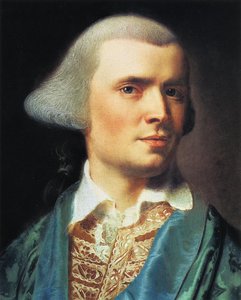
ジョン・シングルトン・コプリー
1738 - 1815 , イギリス連邦
プロフィール概要
- フルネーム: ジョン・シングルトン・コプレイ
- 主な作品:
- イザード夫妻
- ワトソンとサメ
- チャタム伯爵
- 出生地: ボストン、イギリス
- 国籍: アメリカ系イギリス人
- 影響を与えたアーティスト: ['後世の画家たち']
- 影響を受けたアーティスト: ['アントワーヌ・ワットー']
- 没年月日: 1815年
- 生年月日: 1738年
- 芸術運動またはスタイル: 肖像画、写実主義

