 プレビュー
プレビュー
 プリントを購入
 シェアする
シェアする シェアする
シェアする
 詳細を見る
詳細を見る

 ダウンロード
 似ている作品
 X線調査
X線調査 スライドショー
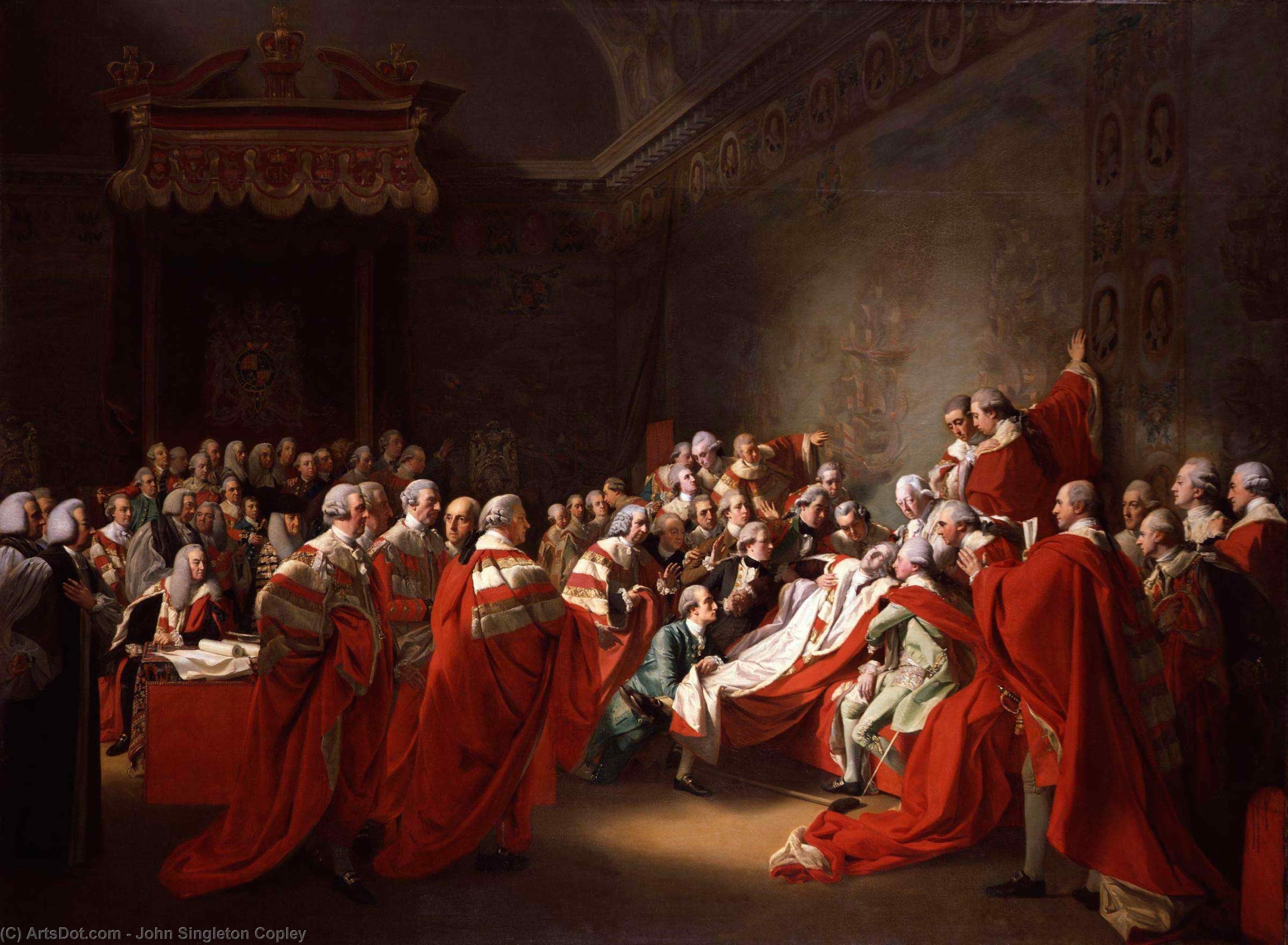
The Colapse of the Earl of Chatham in the House of Lords (also known as The Death of the Earl of Chatham)


 詳細を見る
詳細を見る




P118B $10

P118H $10

P118W $10

P438Z $10

P508JH $12

P508YH $12

P805H $10

P805Z $10

P919BZ $10

P919G $10

P919XJ $10

P959ZH $10

P968JZ $12

W106C $8

W218G $10

W218JH $8

W218Y $10

W307PJ $10

W316G $10

W316PJ $8

W316Y $10

W398PJ $8

W4111J $10

W500HY $15

W500JH $15

W692G $12

W849H $8

W940BG $15

W953PJ $8




作品のオリジナル比率に合わせた、当店の規定サイズからお選びください。

特定のフレームやスペースに合わせて、ご希望のサイズをご入力いただけます。選択されたサイズが元の画像の比率と異なる場合、アートワークをトリミングするか、手描きで要素を追加して絵画を拡張いたします。デジタルモックアップ を制作し、制作開始前にご確認(承認)をいただきます。
画面上のプレビューは、実際のトリミングや拡張を正確に反映しているものではありません。最終的な構図は、モックアップによってのみ正確にご確認いただけます。
カスタムサイズもご利用いただけますが、元の比率を維持するためには、あらかじめ用意されたリストからサイズを選択することをお勧めいたします。
ご注文後、ArtsDot.com チームより詳細な指示をお送りするとともに、仕上がりイメージ(モックアップ)をご提供いたします。


 ガラスオプションは、110cm未満のサイズでのみご利用いただけます。

The Colapse of the Earl of Chatham in the House of Lords (also known as The Death of the Earl of Chatham)
複製技法
複製画のサイズ
-


合計金額
$ 263
The Collapse of the Earl of Chatham: A Portrait of Political Rupture
John Singleton Copley’s “The Collapse of the Earl of Chatham in the House of Lords” is not merely a historical painting; it's a visceral tableau of political drama, meticulously rendered with an intensity that still resonates centuries later. Completed in 1779, this oil on canvas captures a pivotal moment – the dramatic and public failure of William Pitt the Younger, Earl of Chatham, during a speech before Parliament – transforming a fleeting event into a lasting emblem of ambition, vulnerability, and the precarious nature of power. Housed within the hallowed halls of the Tate Gallery in London, the painting offers a rare glimpse into the turbulent political climate of 18th-century Britain, revealing not just a scene of collapse but also the carefully constructed performance of authority.
Copley’s masterful use of light and shadow immediately establishes an atmosphere of profound tension. The room is plunged into a dim, almost theatrical gloom, drawing the viewer's eye directly to the central figure – the Earl himself. He lies prone on the floor, his face pale and etched with distress, while around him, members of Parliament react with expressions ranging from concern to outright shock. The composition isn’t one of chaotic frenzy; rather, it’s a carefully orchestrated display of human response to an unexpected event. Notice how Copley subtly directs our gaze – the averted eyes of some peers, the furrowed brows of others, all contributing to a sense of shared bewilderment and the unsettling realization that the established order has been momentarily disrupted.
A Study in Detail: Technique and Composition
Copley’s technical skill is undeniable. He employs a remarkably detailed approach, meticulously capturing the textures of the Earl's clothing – the velvet of his robe, the sheen of his buttons – as well as the subtle nuances of expression on each face. The painting isn’t idealized; it’s brutally honest in its depiction of human vulnerability. The artist’s use of loose brushstrokes and a slightly blurred background creates a sense of immediacy, almost as if we are witnessing the event unfold before our eyes. This technique, combined with his ability to capture fleeting expressions, is what elevates “The Collapse” beyond a simple historical record; it becomes a powerful psychological portrait.
The composition itself is carefully balanced. The Earl dominates the center of the canvas, but he’s not isolated. His sons and allies surround him, offering support while simultaneously reflecting their own apprehension. The arrangement creates a dynamic interplay between power and vulnerability, highlighting the precariousness of the Earl's position and the potential for sudden downfall. Copley masterfully uses perspective to draw the viewer into the scene, making us feel like silent observers within the confines of the House of Lords.
Symbolism and Historical Context
The painting’s significance extends far beyond a simple depiction of a political stumble. The collapse of William Pitt the Younger was a watershed moment in British politics. Pitt had been a dominant figure for decades, guiding Britain through the Seven Years' War and the American Revolution. His sudden incapacitation – brought on by a debilitating illness – signaled a shift in power and ushered in a new era of political maneuvering. The painting serves as a visual reminder of this transition, capturing not just the event itself but also the anxieties and uncertainties surrounding it.
Furthermore, the scene is laden with symbolism. The Earl’s fall represents the fragility of even the most formidable figures of power. The reactions of his peers – their concern, their confusion, their attempts to offer support – speak volumes about the complex dynamics of political alliances and the ever-present threat of betrayal. The dimly lit room itself can be interpreted as a metaphor for the shadows of doubt and uncertainty that often lurk beneath the surface of public life.
A Timeless Portrait of Human Frailty
“The Collapse of the Earl of Chatham” is more than just a historical painting; it’s a profound meditation on human frailty, political ambition, and the unpredictable nature of fate. Copley's masterful execution and insightful portrayal of emotion ensure that this dramatic scene continues to captivate viewers centuries after its creation. Whether viewed as a historical document or a psychological study, “The Collapse” remains a powerful testament to the enduring legacy of John Singleton Copley and his remarkable ability to capture the essence of human experience on canvas.
関連作品
アーティストの略歴
ジョン・シングルトン・コプレイ:アメリカ美術の架け橋
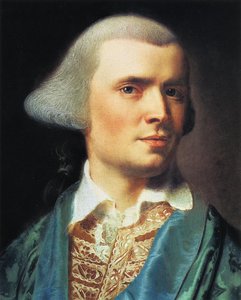
1738年にボストンで生まれたジョン・シングルトン・コプレイは、アメリカとヨーロッパを結ぶ美術史における特異な存在です。単なる画家としてではなく、激動の時代を生きる人々の姿を鮮やかに描き出し、新大陸のアメリカ美術にヨーロッパの影響を巧みに取り入れながら独自のスタイルを確立した文化的な架け橋と言えるでしょう。彼の幼少期は、ボストンの賑やかな港町で育ちました。父リチャード・コプレイはタバコ商であり、母メアリー・シングルトン・コプレイはロングホイーフの店を営んでいました。この環境が、若きコプレイに素材の世界への鋭い感覚と、社会階層の微妙なニュアンスを教え込みました。養父ピーター・ペラムによる初期の指導に加え、彼は独学で絵画技術を磨き上げ、やがてペラムの才能さえ凌駕するほどまでに成長しました。植民地時代の肖像画家として
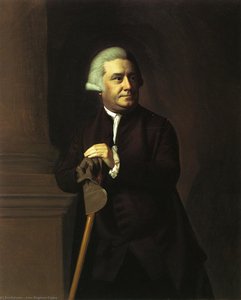
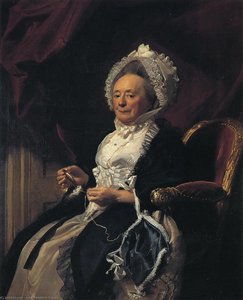
1760年代には、コプレイはボストンの第一人者となる肖像画家としての地位を確立します。彼の成功は単なる技術力だけでなく、作品に深遠な心理描写を与える才能によるものでした。彼は単なる容姿の再現にとどまらず、被写体の個性や社会的地位を捉えようと試みました。緻密な衣装や装飾品の描写に加え、姿勢、表情、身振りといった細部にまで気を配り、その肖像画は富、権力、そして社会的な願望を表現する手段となりました。例えば、Mrs. Ezekiel Gondthwait (Elizabeth Lewis) は、優雅なポーズ、豪華な衣装、そしてさりげないディテールが、被写体の洗練されたステータスを物語っています。コプレイは肖像画の中に象徴的な小道具を取り入れることで、被写体の職業や興味を示唆し、単なる肖像画を超えた社会批評へと昇華させました。ヨーロッパへの憧憬と新たな挑戦
ボストンでの成功にもかかわらず、コプレイはより大きな舞台で認められることを切望していました。彼はロンドンやローマの美術界における評価を求め、ヨーロッパの巨匠たちに技を磨きたいという強い思いを抱いていました。1766年には、Boy with a Flying Squirrel をロンドンの芸術家協会に出品し、ジョシュア・レノルズやベンジャミン・ウェストといったイギリス美術界の重鎮から高い評価を得ました。この経験が、コプレイのさらなる訓練とヨーロッパでの成功への願望を加速させました。しかしながら、家族の事情や多忙な仕事により、10年以上の間、ボストンを離れることができませんでした。そしてついに1774年、妻のスザンナ・ファーナスワース・クラークと共にヨーロッパへ旅立ち、巨匠の研究と歴史画における自己実現を目指しました。しかしながら、アメリカ独立革命の勃発は彼の計画を複雑化させ、政治的な緊張の中で芸術活動を続けることを余儀なくされました。歴史的叙事詩と遺産
ロンドンでは、コプレイは肖像画家として成功を収めるとともに、より高尚なジャンルである歴史画にも挑戦しました。The Death of Major Peirson は、アメリカ独立戦争の激戦地ジャージーでの出来事を描いた彼の最も野心的な作品の一つですが、構成や劇的な効果について批評家から賛否両論がありました。しかしながら、The Colapse of the Earl of Chatham in the House of Lords など、その後の歴史画はより成功を収め、複雑な感情とドラマチックな瞬間を描写する能力を示しました。ヨーロッパで目指したほどの高い評価を得ることはできませんでしたが、ジョン・シングルトン・コプレイはアメリカとイギリスの美術史に消えることのない足跡を残しました。彼はヨーロッパの技法と新大陸ならではの感性を融合させた独自のスタイルを確立し、その肖像画は過ぎ去った時代の人々の生活や価値観を垣間見せてくれる貴重な歴史的資料となっています。彼は芸術的な才能だけでなく、美術を通して国民的アイデンティティを形成する役割も担いました。 1815年にロンドンで亡くなったコプレイの遺産は、今日に至るまでアーティストにインスピレーションを与え続け、観客を魅了し続けています。影響と芸術的発展
- 初期の影響: コプレイの初期の芸術的発展は、彼が丹念に模写した彫刻、特にレンブラント・ファン・レインやアントワーヌ・ワトーのようなヨーロッパの巨匠たちの作品から大きな影響を受けました。
- ピーター・ペラムの指導: 養父ピーター・ペラムは、肖像画と版画技術に関する初期の訓練を提供し、彼の将来的な成功のための基礎を築きました。
- ジョシュア・レノルズ & ベンジャミン・ウェスト: コプレイがロンドンでの展示会に作品を出品した際に、これらの著名なイギリス人アーティストからの励ましとフィードバックは、彼の野心と芸術的な方向性を形作る上で重要な役割を果たしました。
- ロココ様式: コプレイは当初、繊細な色彩、優雅なポーズ、華麗なディテールを特徴とするロココ様式を取り入れました。しかし、彼は徐々に、より現実的で抑制されたアプローチへと移行しました。
- 歴史画へのインスピレーション: ベンジャミン・ウェストのようなアーティストによる歴史画に触発され、彼はこのジャンルを探求しましたが、しばしば彼の才能が自然と備わっている肖像画との調和に苦労しました。
ジョン・シングルトン・コプリー
1738 - 1815 , イギリス連邦
基本情報
- フルネーム: ジョン・シングルトン・コプレイ
- 主な作品:
- イザード夫妻
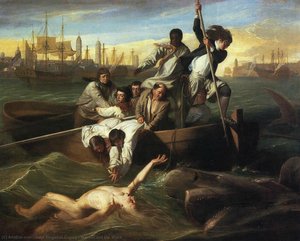
- ワトソンとサメ
- チャタム伯爵
- 出生地: ボストン、イギリス
- 国籍: アメリカ系イギリス人
- 影響を与えたアーティスト: ['後世の画家たち']
- 影響を受けたアーティスト: ['アントワーヌ・ワットー']
- 没年月日: 1815年
- 生年月日: 1738年
- 芸術運動またはスタイル: 肖像画、写実主義
関連記事

The Enduring Legacy of Oil on Canvas: Technique, History & Aesthetic Impact
Explore the rich history & techniques of oil painting – from Renaissance masters to Impressionism. Discover pigments, layering methods, and why this timeless medium endures. Expert insights for artists & art enthusiasts.

The Enduring Power of Painting: A Historical & Contemporary Exploration of Form and Emotion
Explore the rich history & enduring techniques of oil painting with ArtsDot. Discover masterpieces, learn about art collecting, and find authentic handmade reproductions crafted by skilled artists.

Oil on Canvas: A Historical & Technical Exploration of a Timeless Artistic Medium
Explore the rich history & enduring techniques of oil painting on canvas. Discover the science behind its longevity, conservation practices, and contemporary relevance. Expert insights for art enthusiasts.

油彩のキャンバス:技法、歴史、そして現代の実践 - 古典美術愛好家へ
油彩の技法、歴史、巨匠たちの秘密を徹底解説。古典美術愛好家向けに、初期フランドル絵画から現代の実践まで深く掘り下げます。ArtsDotで高品質な複製画やカスタムオーダーも承ります。
Oil on Board Masters: 10 Paintings That Redefined Art | ArtsDot
Explore 10 legendary 'Oil on Board' masterpieces by Van Gogh, Monet & more! Discover art history, iconic styles like Impressionism, and find museum-quality reproductions to elevate your home decor. Explore the full collection online at ArtsDot.com.