

 プレビュー
プレビュー
 シェアする
シェアする シェアする
シェアする
 詳細を見る
詳細を見る

 ダウンロード
 似ている作品
 X線調査
X線調査 スライドショー
 統計情報
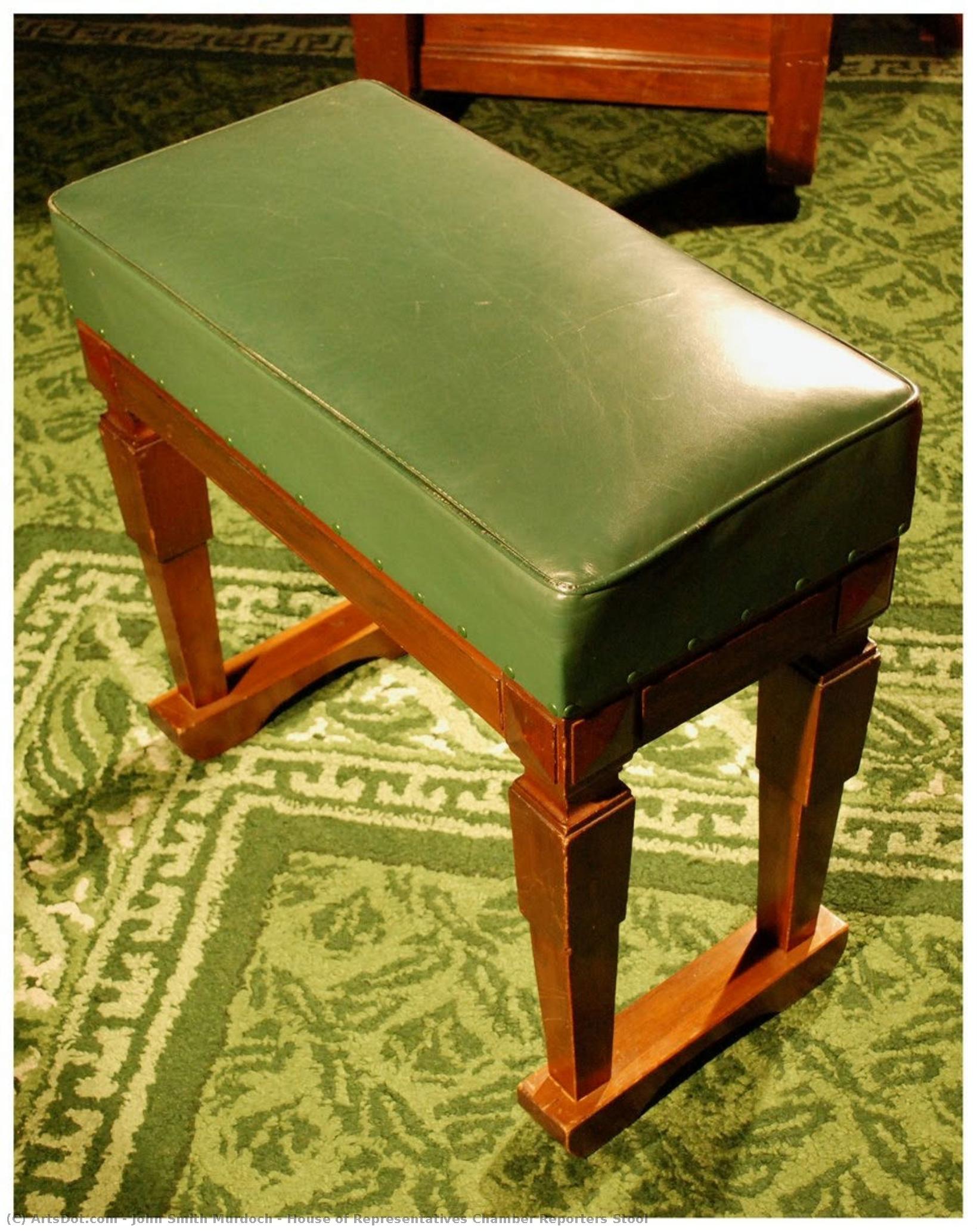
統計情報House of Representatives Chamber Reporters Stool

 詳細を見る
詳細を見る
オンラインプレビューをはるかに凌ぐ、高解像度で鮮明なデジタル画像をご購入いただけます。
各ファイルは、社内の専門家が高度なツールと熟練した手作業によるレタッチを用いて、細心の注意を払って準備されています。すべての画像において、卓越した鮮明度、正確な色彩再現性、そして繊細なディテールを保証いたします。
最終ファイルは、プロフェッショナルな編集・印刷環境ですぐにご利用いただけるよう最適化された状態で、72時間以内にメールにてお届けいたします。これは、一流のデザインスタジオ、出版社、ギャラリーから信頼されているものと同等の品質です。
デジタルアート
個人での鑑賞、印刷、クリエイティブなプロジェクト用に、高解像度ファイルをダウンロードできます。 ( プリント版に切り替え 手描きの絵画を購入)
デジタル画像のご注文に付随する特典
高品質なデジタル画像配信を、確かな品質で。
ArtsDot.com を選ぶことは、単に画像を手に入れることではありません。それは、プロの手によって精密に仕上げられ、満足保証が付いた高品質なデジタルアートワークを受け取ることを意味します。ご注文いただいた際に自動的に付随する内容は、以下の通りです:

メールですぐにお届け
ご注文から72時間以内に、高解像度のデジタル画像ファイルがメールでお手元に届きます。すぐにそのままご利用いただけます。

AI技術で最適化されたデジタルファイル
お客様の作品は、高度なAIツールと専門家による手作業の編集を組み合わせてプロフェッショナルに最適化されており、細部のディテール、鮮明さ、そして正確な色再現性を最大限に引き出しています。

一生涯無料の再送サービス
ファイルを誤って削除したり、紛失してしまったりしましたか?ご安心ください。いつでも無料で再送いたします。

輸入手数料は一切かかりません
関税や手数料、配送料を気にすることなく、お気に入りのアートワークをすぐにお楽しみいただけます。デジタルダウンロードは常に免税です。

色彩再現の保証
プロ仕様のツールとカラーマネジメント技術を用いることで、デジタル画像が元の色を最大限に忠実に再現することを保証いたします。

100日間満足保証
ご購入いただいたデジタル画像にご満足いただけない場合は、100日以内であれば、理由を問わず修正または100%の返金対応をさせていただきます。

100% 返金保証
ご満足いただけない場合は、デジタルファイルを受け取ってから100日以内であれば、理由を問わず全額返金いたします。

まとめ買い割引
3枚購入で10%OFF - 5枚購入で15%OFF - 10枚以上購入で20%OFF。クリエイティブなプロジェクト、ギャラリー、エージェンシーに最適です。
関連作品




作家の略歴
The Architect of a Nation's Soul
John Smith Murdoch stands as a pivotal figure in the architectural history of Australia, recognized primarily for his leadership role at the Commonwealth Public Works Department and, crucially, for designing Canberra’s Parliament House—a building that embodies the nation's ideals of and civic grandeur. Born in Scotland in 1862, Murdoch’s formative years instilled within him a profound appreciation for classical design principles and meticulous craftsmanship, influences that would permeate his entire career. His journey from the intellectual landscapes of Glasgow University to the burgeoning administrative heart of a young Australian nation is a testament to a life dedicated to the marriage of functionality and aesthetic beauty.
Murdoch’s early connection to the Glasgow School of Art, where he served as a janitor, provided him with an unexpected yet invaluable vantage point. This role allowed him to observe firsthand the evolving landscape of architectural innovation and the importance of public service, fostering a dedication to formal education and design that would later define his professional ethos. When he arrived in Australia, he brought with him a refined sensibility that sought to distance the new nation from its colonial past, aiming instead to establish a modern center of government through the language of Stripped Classical design.
A Legacy Carved in Stone and Timber
The ascent of Murdoch’s career began in earnest in 1904 when he was appointed Chief Architect for the newly established Commonwealth Public Works Department. Under his stewardship, the department undertook ambitious projects aimed at shaping Canberra, a deliberate effort to create a capital that reflected Australian identity. His most enduring achievement remains the design of the Provisional Parliament House, which served as the home of the Australian Parliament from 1927 to 1988. This project was not merely about masonry and mortar; it was an exercise in creating a space for democracy.
Murdoch’s brilliance extended far beyond the structural shells of buildings, reaching into the very furniture that facilitated the nation's governance. His design philosophy embraced a cohesive aesthetic that unified the architecture with its interior elements:
- The Senate Chamber Bench Seat: A masterpiece of functional elegance, featuring red leather upholstery and blackwood construction, designed to accommodate the unique semicircular arrangement of the Senate.
- The House of Representatives Chamber Reporters Stool: A piece that utilized Australian blackwood and green leather, reflecting a commitment to local materials and the dignity of parliamentary proceedings.
- The Vice Regal Chair: An imposing symbol of authority, adorned with acanthus leaf scrolls and a crown, illustrating Murdoch's ability to blend ceremonial grandeur with precise craftsmanship.
The Stripped Classical Vision
In an era of heavy ornamentation, Murdoch championed a style known as Stripped Classical. This approach eschewed the excessive flourishes of old-world Europe in favor of a clean, pragmatic elegance that spoke to the needs of a developing, modern nation. The Museum of Australian Democracy at Old Parliament House stands as a profound example of this vision, where a three-story brick facade communicates strength and stability without the need for superficial decoration. This architectural language was essential in creating a sense of permanence for a country still finding its footing on the global stage.
Throughout his career, Murdoch remained a figure of quiet influence and immense dedication. His work at the Federal Capital Commission and his leadership in the Architects Department allowed him to shape the physical landscape of Canberra, ensuring that the nation's capital was not just a collection of offices, but a cohesive architectural statement. Even as the world transitioned through the early 20th century, Murdoch’s commitment to the principles of functionality, clarity, and civic pride ensured that his designs would remain the foundational heartbeat of Australian democratic life for generations.
john smith murdoch
1862 - 1945 , Scotland
プロフィール概要
- Artistic Movement Or Style: Architecture
- Artists Or Movements Influenced By This Artist: ['']
- Artists Who Influenced This Artist: ['']
- Date Of Birth: 1862
- Date Of Death: 1945
- Full Name: John Smith Murdoch
- Nationality: Scottish
- Notable Artworks: ['Canberra Parliament House']
- Place Of Birth: Scotland