

 プレビュー
プレビュー
 シェアする
シェアする シェアする
シェアする
 詳細を見る
詳細を見る

 ダウンロード
 似ている作品
 X線調査
X線調査 スライドショー
 統計情報
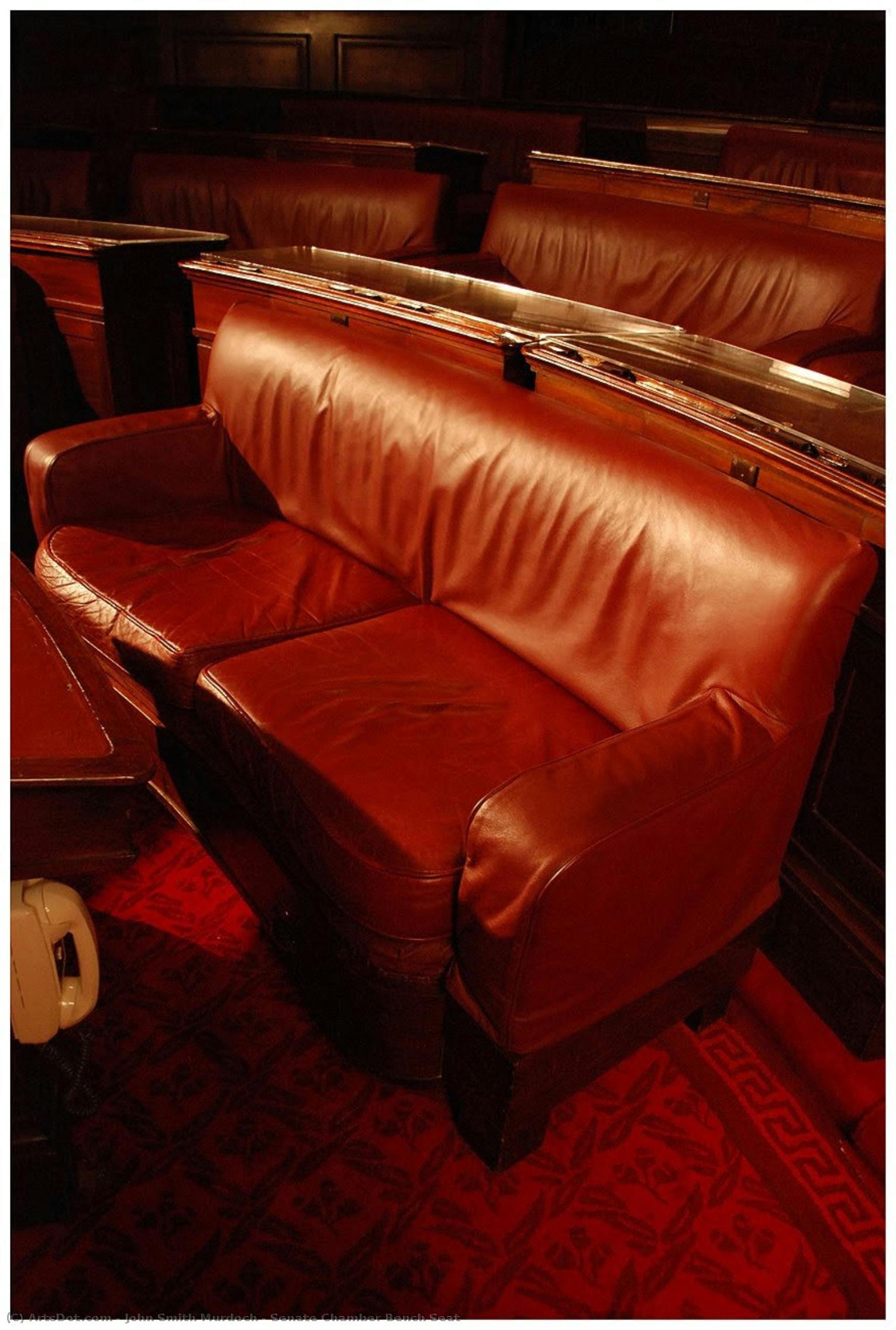
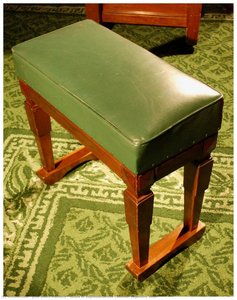
統計情報Senate Chamber Bench Seat

 詳細を見る
詳細を見る
手描き油彩複製画
当社のアーティストが、お客様のご希望のサイズと額縁に合わせて、キャンバスに手描きで制作する油彩画です。 ( プリント版に切り替え デジタル画像販売へ切り替え)




































作品のオリジナル比率に合わせた、当店の規定サイズからお選びください。

特定のフレームやスペースに合わせて、ご希望のサイズをご入力いただけます。選択されたサイズが元の画像の比率と異なる場合、アートワークをトリミングするか、手描きで要素を追加して絵画を拡張いたします。デジタルモックアップ を制作し、制作開始前にご確認(承認)をいただきます。
画面上のプレビューは、実際のトリミングや拡張を正確に反映しているものではありません。最終的な構図は、モックアップによってのみ正確にご確認いただけます。
カスタムサイズもご利用いただけますが、元の比率を維持するためには、あらかじめ用意されたリストからサイズを選択することをお勧めいたします。
ご注文後、ArtsDot.com チームより詳細な指示をお送りするとともに、仕上がりイメージ(モックアップ)をご提供いたします。


 ガラスオプションは、110cm未満のサイズでのみご利用いただけます。

Senate Chamber Bench Seat
複製技法
複製画のサイズ
-


合計金額
$ 263
関連作品




アーティストの略歴
The Architect of a Nation's Soul
John Smith Murdoch stands as a pivotal figure in the architectural history of Australia, recognized primarily for his leadership role at the Commonwealth Public Works Department and, crucially, for designing Canberra’s Parliament House—a building that embodies the nation's ideals of and civic grandeur. Born in Scotland in 1862, Murdoch’s formative years instilled within him a profound appreciation for classical design principles and meticulous craftsmanship, influences that would permeate his entire career. His journey from the intellectual landscapes of Glasgow University to the burgeoning administrative heart of a young Australian nation is a testament to a life dedicated to the marriage of functionality and aesthetic beauty.
Murdoch’s early connection to the Glasgow School of Art, where he served as a janitor, provided him with an unexpected yet invaluable vantage point. This role allowed him to observe firsthand the evolving landscape of architectural innovation and the importance of public service, fostering a dedication to formal education and design that would later define his professional ethos. When he arrived in Australia, he brought with him a refined sensibility that sought to distance the new nation from its colonial past, aiming instead to establish a modern center of government through the language of Stripped Classical design.
A Legacy Carved in Stone and Timber
The ascent of Murdoch’s career began in earnest in 1904 when he was appointed Chief Architect for the newly established Commonwealth Public Works Department. Under his stewardship, the department undertook ambitious projects aimed at shaping Canberra, a deliberate effort to create a capital that reflected Australian identity. His most enduring achievement remains the design of the Provisional Parliament House, which served as the home of the Australian Parliament from 1927 to 1988. This project was not merely about masonry and mortar; it was an exercise in creating a space for democracy.
Murdoch’s brilliance extended far beyond the structural shells of buildings, reaching into the very furniture that facilitated the nation's governance. His design philosophy embraced a cohesive aesthetic that unified the architecture with its interior elements:
- The Senate Chamber Bench Seat: A masterpiece of functional elegance, featuring red leather upholstery and blackwood construction, designed to accommodate the unique semicircular arrangement of the Senate.
- The House of Representatives Chamber Reporters Stool: A piece that utilized Australian blackwood and green leather, reflecting a commitment to local materials and the dignity of parliamentary proceedings.
- The Vice Regal Chair: An imposing symbol of authority, adorned with acanthus leaf scrolls and a crown, illustrating Murdoch's ability to blend ceremonial grandeur with precise craftsmanship.
The Stripped Classical Vision
In an era of heavy ornamentation, Murdoch championed a style known as Stripped Classical. This approach eschewed the excessive flourishes of old-world Europe in favor of a clean, pragmatic elegance that spoke to the needs of a developing, modern nation. The Museum of Australian Democracy at Old Parliament House stands as a profound example of this vision, where a three-story brick facade communicates strength and stability without the need for superficial decoration. This architectural language was essential in creating a sense of permanence for a country still finding its footing on the global stage.
Throughout his career, Murdoch remained a figure of quiet influence and immense dedication. His work at the Federal Capital Commission and his leadership in the Architects Department allowed him to shape the physical landscape of Canberra, ensuring that the nation's capital was not just a collection of offices, but a cohesive architectural statement. Even as the world transitioned through the early 20th century, Murdoch’s commitment to the principles of functionality, clarity, and civic pride ensured that his designs would remain the foundational heartbeat of Australian democratic life for generations.
john smith murdoch
1862 - 1945 , Scotland
基本情報
- Artistic Movement Or Style: Architecture
- Artists Or Movements Influenced By This Artist: ['']
- Artists Who Influenced This Artist: ['']
- Date Of Birth: 1862
- Date Of Death: 1945
- Full Name: John Smith Murdoch
- Nationality: Scottish
- Notable Artworks: ['Canberra Parliament House']
- Place Of Birth: Scotland