 プレビュー
プレビュー
 シェアする
シェアする シェアする
シェアする
 詳細を見る
詳細を見る

 ダウンロード
 似ている作品
 X線調査
X線調査 スライドショー
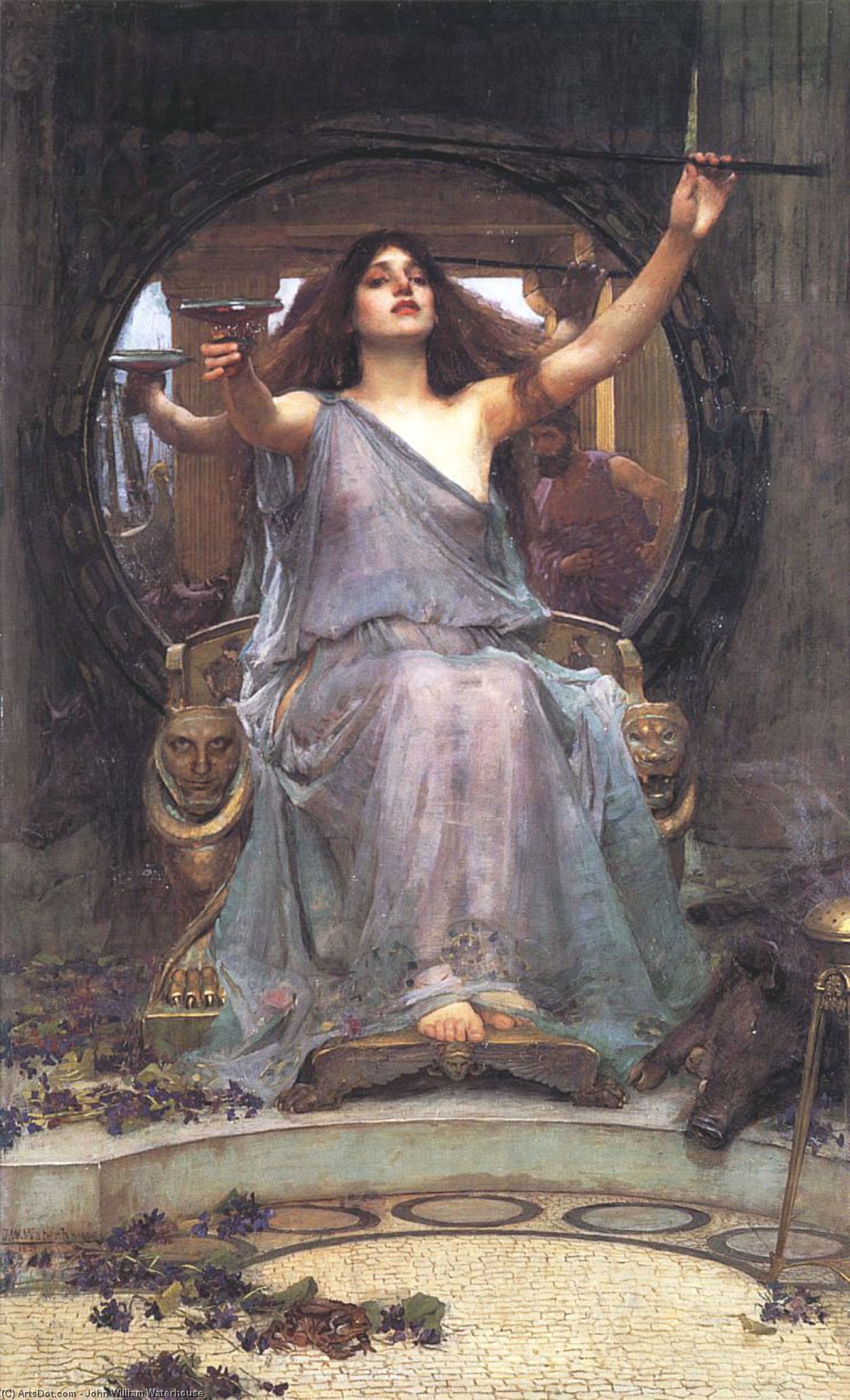
Circe Offering the Cup to Odysseus


 詳細を見る
詳細を見る
ジークレー/アートプリント
迅速な制作と多彩な仕上げオプションを備えた、ミュージアムクオリティのジークレーまたはキャンバスプリント。 ( 手描きの絵画を購入 画像を購入)




P118B $10

P118H $10

P118W $10

P438Z $10

P508JH $12

P508YH $12

P805H $10

P805Z $10

P919BZ $10

P919G $10

P919XJ $10

P959ZH $10

P968JZ $12

W106C $8

W218G $10

W218JH $8

W218Y $10

W307PJ $10

W316G $10

W316PJ $8

W316Y $10

W398PJ $8

W4111J $10

W500HY $15

W500JH $15

W692G $12

W849H $8

W940BG $15

W953PJ $8




作品のオリジナル比率に合わせた、当店の規定サイズからお選びください。

特定のフレームやスペースに合わせて、ご自身でサイズを指定することも可能です。選択されたサイズが元の画像の比率と一致しない場合、作品をトリミングするか、鏡面反射または単色での塗りつぶしによって画像を拡張いたします。制作を開始する前に、ご確認用のデジタルモックアップをお送りいたします。
画面上のプレビューには、実際のトリミングや拡張は反映されませんのでご注意ください。最終的な構図を正確に確認できるのは、モックアップのみとなります。
カスタムサイズも承っておりますが、元の比率を維持するためには、あらかじめ用意されたリストからサイズを選択することをお勧めいたします。


 ガラスオプションは、110cm未満のサイズでのみご利用いただけます。

Circe Offering the Cup to Odysseus
ジークレー/アートプリント
複製画のサイズ
-


合計金額
$ 62
作品詳細説明
A Vision of Mythic Enchantment: John William Waterhouse’s “Circe Offering the Cup to Ulysses”
John William Waterhouse's "Circe Offering the Cup to Ulysses," completed in 1891, stands as a cornerstone of Pre-Raphaelite painting—a movement obsessed with reviving artistic ideals rooted in medieval art and literature. More than just a depiction of Homer’s epic tale, it’s an immersive experience into a realm where beauty transcends mere representation, prioritizing emotional resonance and meticulous craftsmanship. The canvas captures a pivotal moment from Odysseus's journey home after the Trojan War: Circe, the sorceress queen of Thessaly, tempts Ulysses with an opulent goblet filled with wine—a gesture laden with symbolic significance that speaks to themes of temptation, transformation, and the perilous allure of the unknown.- Historical Context: The Pre-Raphaelite Brotherhood emerged in London in 1848 as a reaction against the perceived superficiality of academic art trends. Artists like Waterhouse sought inspiration from medieval manuscripts and Renaissance masters—specifically Botticelli—rejecting the conventions of Romanticism’s emphasis on dramatic emotion and idealized landscapes.
- Style: Waterhouse's style is instantly recognizable for its serene beauty, diffused lighting, and painstaking attention to detail. He eschewed bold brushstrokes in favor of smooth, blended surfaces that convey an ethereal quality—a hallmark of the Pre-Raphaelite aesthetic.
Composition and Technique: Mastering Illusionistic Depth
The painting’s composition is deliberately centered around Circe—seated majestically within a richly ornamented chair—dominating the vertical space. Ulysses stands to her right, observing her offering with cautious apprehension. Waterhouse skillfully employs atmospheric perspective—a technique borrowed from Renaissance painters—to create an illusion of depth. Distant architectural elements fade into muted blues and creams, subtly diminishing in clarity as they recede into the background. This masterful manipulation of color and tonal gradation contributes significantly to the painting’s dreamlike atmosphere. Furthermore, Waterhouse utilizes glazing—applying thin layers of translucent pigment over underlying colors—to achieve luminous effects and imbue the artwork with a palpable sense of radiance.- Color Palette: The dominant hues are muted blues, purples, and creams—creating an ambiance that evokes melancholy beauty and hinting at hidden dangers. Subtle contrasts accentuate Circe’s face and hair, drawing the viewer's eye to her captivating gaze.
- Brushwork: Waterhouse’s brushstrokes are remarkably delicate and controlled—evident in the rendering of Circe’s drapery and Ulysses’s garments. The artist meticulously builds up textures through layering pigment—capturing the sheen of silk, the roughness of stone, and the subtle contours of human flesh.
Symbolism: Temptation and Transformation Within Mythic Narrative
Beyond its aesthetic merits, “Circe Offering the Cup to Ulysses” is replete with symbolic references rooted in Greek mythology. The goblet itself represents temptation—a perilous invitation to abandon reason and succumb to desire. Circe’s enigmatic expression embodies both allure and caution—suggesting that accepting her offer carries profound consequences. The scattered grapes at the base of the scene symbolize abundance, yet also hint at intoxication—mirroring the intoxicating influence of Circe's magic. Ultimately, Waterhouse’s painting explores the transformative potential inherent in confronting alluring illusions—a timeless theme that continues to resonate with audiences today.Emotional Impact: Capturing Beauty and Intrigue
Waterhouse succeeds in conveying a profound emotional impact—capturing not merely the visual spectacle of mythic narrative but also its underlying psychological complexities. The painting’s serene beauty is tempered by an undercurrent of apprehension—drawing viewers into Circe's captivating gaze and prompting contemplation about the nature of desire and resistance. “Circe Offering the Cup to Ulysses” remains a testament to Waterhouse’s artistic vision—a masterpiece that embodies the Pre-Raphaelite movement’s commitment to elevating art beyond mere decoration, transforming it into an instrument for conveying profound emotional truths.関連作品
アーティストの略歴
ローマの始まり:ジョン・ウィリアム・ウォーターハウスの初期人生と影響
ジョン・ウィリアム・ウォーターハウスは、プレラファエライト絵画のロマンチックな魅力を象徴する名前であり、その芸術的な旅は、しばしばこの運動に関連付けられる霧深い風景とはかけ離れた場所から始まりました。1849年にイギリス人の両親のもとにローマで生まれた彼は、幼少期をイタリアの古典的な美しさに浸り、それが彼の美的感覚を深く形作りました。この形成期間は、古代ローマ美術と神話に対する深い理解を彼に植え付け、そのテーマは彼の多作なキャリアを通して繰り返し現れることになります。ウォーターハウス家は1854年にイギリスに戻り、ロンドンのサウス・ケンジントンに定住しました。ここは、急成長中のヴィクトリア&アルバート博物館の近隣であり、戦略的に選ばれた場所でした。ここで若いジョンは、比類のない古典彫刻と装飾芸術のコレクションに触れ、古代への彼の関心をさらに育みました。彼の初期の訓練は伝統的で、ロイヤル・アカデミー・スクールでの絵画や素描の技術を磨くものでしたが、知的探求と芸術的革新の大気こそが、彼の情熱に火をつけたのです。初期の作品でさえも、細部への細心の注意と歴史的な正確さへのコミットメントが見られ、それらは彼のスタイルを特徴づけるものとなります。プレラファエライト同盟を受け入れる
ウォーターハウスの初期の作品は、アルマ=タデマやフレデリック・レイトンを彷彿とさせる古典的な傾向を示していましたが、徐々にプレラファエライト同盟の理想に傾倒していきました。1848年に設立されたこの芸術的集団は、自然の詳細な観察と、ラファエルによって開始されたとされる様式的衰退の前、初期イタリア・ルネサンス美術に見られる鮮やかな色彩への回帰を提唱しました。ウォーターハウス自身はこの同盟には参加しませんでしたが、その原則を全面的に受け入れ、彼の絵画に抒情的な美しさと感情的な深さを吹き込みました。聴衆の共感を呼ぶものでした。1874年にロイヤル・アカデミーで展示された眠りとその異母兄弟死は転換点となり、象徴的な物語と大気効果に対する彼の習熟度を示しました。この成功は、毎年恒例の展覧会への継続的な参加への道を開き、彼はロンドンのアートシーンにおける新星として確立されました。彼は単にプレラファエライトの技術を模倣していたのではなく、古典的な正確さとロマンチックな感性を融合させた独自の視点を通して解釈していました。神話的ビジョンとアーサー王伝説のエコー
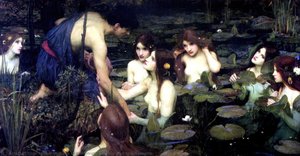
ウォーターハウスの最も有名な作品は、神話とアーサー王伝説からインスピレーションを得たものです。彼は古代の物語に命を吹き込む並外れた能力を持っており、女神、ニンフ、悲劇的なヒロインを絶妙な美しさとパトスを組み合わせて描きました。おそらく彼の最も象徴的な絵画であるレディ・オブ・シャロットは、3つのバージョン(1888年、1894年、1916年)が存在し、それぞれがテニスンの詩に対する彼のエターナルな魅力を証明しています。運命の女性が川の船に乗って漂流するイメージは、ヴィクトリア朝ロマン主義と芸術的孤立の苦境を象徴するものとなりました。同様に、彼の死の直前のオフィーリアを描いた作品は、幽玄なメランコリーに満ちています。彼は単にこれらの物語を説明していたのではなく、被験者の感情的な状態に焦点を当て、その心理的な深さを探求していました。ヒュラスとニンフたち、アリアドネ、そしてペネロペとその求婚者たちは、古典的な物語を視覚的に見事で感情的に共鳴する芸術作品に変える彼の能力のさらなる例です。彼の絵画は単に美しいだけでなく、人間の経験の複雑さを熟考するように観客を誘う物語的な力に満ちていました。遺産と永続的な影響
ジョン・ウィリアム・ウォーターハウスは1917年に亡くなるまで精力的に絵画を描き続け、生涯を通じて広範な認知と称賛を得ました。彼は1895年にアカデミシャンに選出され、セント・ジョーンズ・ウッド・アートスクールで教鞭をとり、次世代のアーティストを育成しました。第一次世界大戦後、彼の人気は一時的に衰退しましたが、近年、彼の作品への関心は著しく高まっています。今日、ウォーターハウスはプレラファエライト運動における最も重要な人物の一人とされ、ヴィクトリア朝絵画の巨匠として称賛されています。彼の絵画は、その絶妙な美しさ、感情的な深さ、そして時代を超越した魅力で観客を魅了し続けています。彼はロマンチックなビジョン、神話的解釈、悲劇的なヒロインの遺産を残しました。彼の作品の永続的な力は、神話、伝説、そして深い人間感情の世界へと観客を誘うその能力にあります。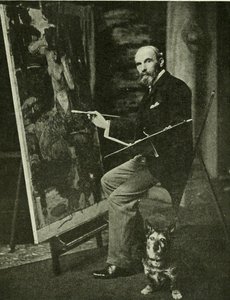
ジョン・ウィリアム・ウォーターハウス
1849 - 1917 , イタリア
基本情報
- Artistic Movement Or Style: プレラファエライト、ヴィクトリア朝
- Artists Who Influenced This Artist:
- アルマ=タデマ
- フレデリック・ Leighton
- Date Of Birth: 1849年
- Date Of Death: 1917年
- Full Name: ジョン・ウィリアム・ウォーターハウス
- Nationality: イギリス人
- Notable Artworks (List Of Titles):
- シャロットのレディ
- オペリア
- ヒュラスとニンフたち
- アリアドネ
- Place Of Birth (City And Country): ローマ、イタリア
関連記事

ダンテ・ガブリエル・ロセッティ傑作25選:美と象徴が織りなす芸術の世界 | ArtsDot
ダンテ・ガブリエル・ロセッティの傑作25選。プレラファエライトの象徴主義、美しい女性画の世界へ。油絵やアートプリントで、リビングや寝室を彩るインテリアアートを見つけましょう。ArtsDot.comで名画コレクションを探索。

ジョン・シンガー・サージェント:至高の25選 - 美と光の肖像画の世界 | ArtsDot
ジョン・シンガー・サージェントの至高の25選。肖像画、写実主義、光と影の表現が美しい作品群を紐解きます。マダムXや少女の肖像など、時代を超えて愛される名作をArtsDotで鑑賞。高品質なアート複製で、お部屋に美術館のような空間を。今すぐコレクションをご覧ください。

ジョン・コンスタブルの傑作25選:英国風景画の巨匠が描く自然と光の詩 | ArtsDot
ジョン・コンスタブルの傑作25選。英国風景画の巨匠が描く自然と光の詩の世界へ。ロマン主義を代表する絵画、デダム・ヴェールやヘイ・ウェインなど、ArtsDotで高品質なアートプリントをお楽しみください。インテリアに深みと感動を。コレクションはこちら。
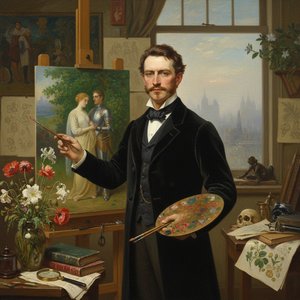
Sir John Everett Millais: Pre-Raphaelite Rebellion & Victorian Narrative Detail
Explore the revolutionary art of Sir John Everett Millais & the Pre-Raphaelite Brotherhood. Discover their radical realism, symbolic narratives, and lasting impact on Victorian aesthetics. A deep dive into 19th-century masterpieces.

John William Waterhouse: Pre-Raphaelite Mythmaker & Poetic Depictions of Female Identity
Explore the captivating world of John William Waterhouse, a master of Pre-Raphaelite painting. Discover his iconic depictions of mythology and female identity in this expert guide.