

 プレビュー
プレビュー
 プリントを購入
 シェアする
シェアする シェアする
シェアする
 詳細を見る
詳細を見る

 ダウンロード
 似ている作品
 X線調査
X線調査 スライドショー
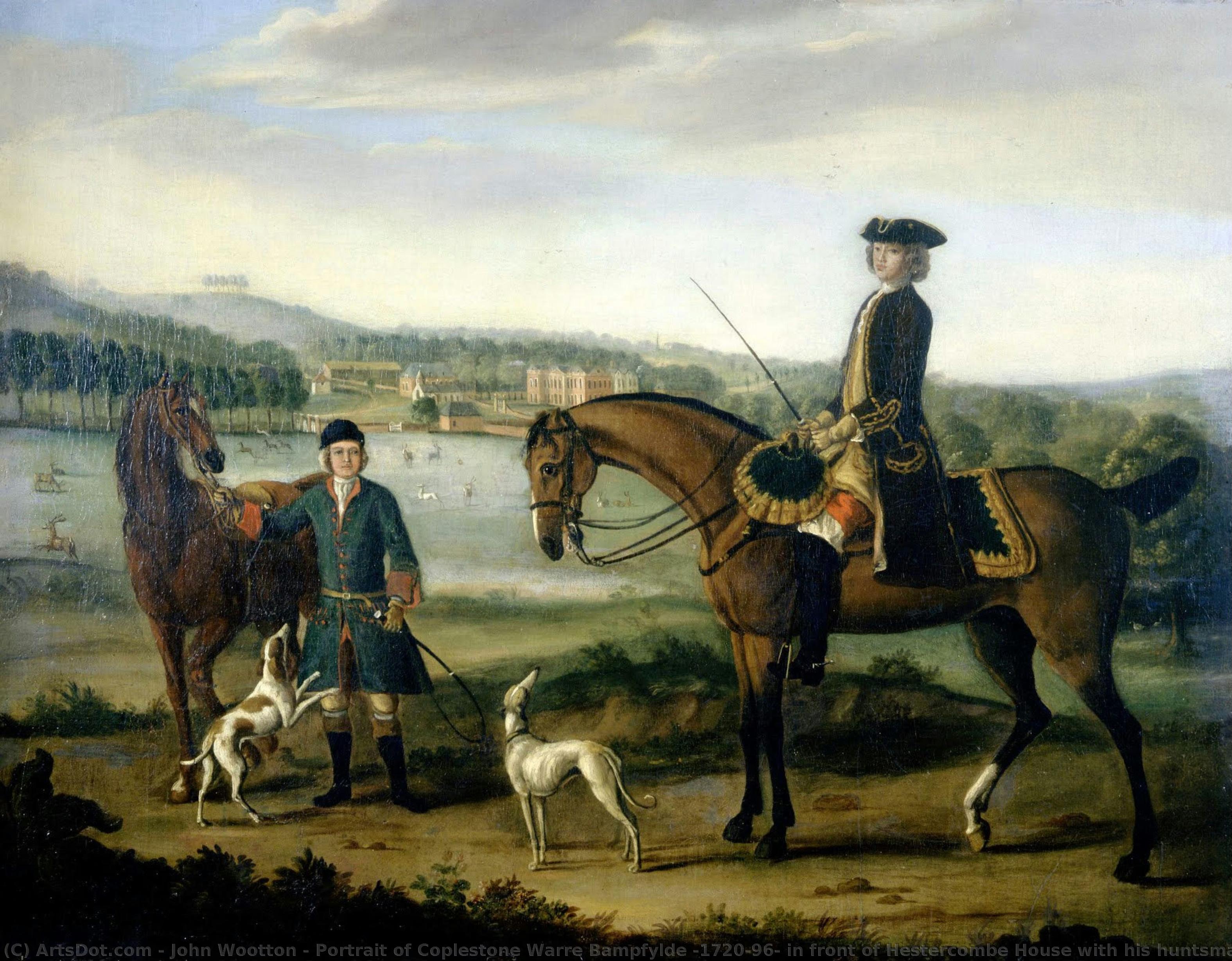
Portrait of Coplestone Warre Bampfylde (1720-96) in front of Hestercombe House with his huntsman c.1740


 詳細を見る
詳細を見る




P118B $10

P118H $10

P118W $10

P438Z $10

P508JH $12

P508YH $12

P805H $10

P805Z $10

P919BZ $10

P919G $10

P919XJ $10

P959ZH $10

P968JZ $12

W106C $8

W218G $10

W218JH $8

W218Y $10

W307PJ $10

W316G $10

W316PJ $8

W316Y $10

W398PJ $8

W4111J $10

W500HY $15

W500JH $15

W692G $12

W849H $8

W940BG $15

W953PJ $8




作品のオリジナル比率に合わせた、当店の規定サイズからお選びください。

特定のフレームやスペースに合わせて、ご希望のサイズをご入力いただけます。選択されたサイズが元の画像の比率と異なる場合、アートワークをトリミングするか、手描きで要素を追加して絵画を拡張いたします。デジタルモックアップ を制作し、制作開始前にご確認(承認)をいただきます。
画面上のプレビューは、実際のトリミングや拡張を正確に反映しているものではありません。最終的な構図は、モックアップによってのみ正確にご確認いただけます。
カスタムサイズもご利用いただけますが、元の比率を維持するためには、あらかじめ用意されたリストからサイズを選択することをお勧めいたします。
ご注文後、ArtsDot.com チームより詳細な指示をお送りするとともに、仕上がりイメージ(モックアップ)をご提供いたします。


 ガラスオプションは、110cm未満のサイズでのみご利用いただけます。

Portrait of Coplestone Warre Bampfylde (1720-96) in front of Hestercombe House with his huntsman c.1740
複製技法
複製画のサイズ
-


合計金額
$ 263
Portrait of Coplestone Warre Bampfylde: A Glimpse into Georgian Aristocracy
John Wootton’s “Portrait of Coplestone Warre Bampfylde (1720-96) in front of Hestercombe House with his huntsman c.1740” offers a captivating window into the world of 18th-century English aristocracy and sporting culture. More than just a likeness, this painting is a meticulously crafted tableau vivant—a snapshot of leisure, status, and connection to the land that defined the era. Painted around 1740, it captures Coplestone Warre Bampfylde, a soldier, landscape artist, architect, and landscape designer, in his prime, before the magnificent Hestercombe House estate – now sadly reduced – which served as his backdrop.
The composition immediately draws the eye to Bampfylde himself, presented with an air of confident authority. Dressed in the fashionable attire of the period—a striking blue coat, waistcoat, and a jaunty hat—he embodies the wealth and social standing afforded by his lineage. His posture is upright, suggesting both nobility and military discipline, while his gaze holds a subtle hint of self-assurance. Beside him stand two hunting dogs, their attentive postures mirroring the gentleman’s own demeanor, reinforcing the theme of the hunt – a central pastime for the British upper class.
A Masterpiece of Sporting Art
Wootton was a pivotal figure in the development of British sporting art, and this portrait exemplifies his skill. He wasn't merely a recorder of appearances; he possessed an innate ability to capture movement, texture, and character. The brushwork is remarkably smooth, indicative of an oil painting technique, yet retains a visible quality that speaks to Wootton’s deliberate hand. Note the meticulous detail in the horses’ coats – the subtle variations in color and sheen conveying their musculature and vitality—and the careful rendering of the landscape beyond. The artist skillfully employs perspective to create a sense of depth, drawing the viewer into the scene and suggesting the vastness of the countryside.
The painting's historical context is crucial to its appreciation. The 18th century witnessed a flourishing of aristocratic leisure activities, with hunting becoming increasingly popular as a means of demonstrating wealth, skill, and connection to nature. Hestercombe House itself was a significant estate, renowned for its gardens and landscape design – Bampfylde’s own contributions further cementing his place within this world. The inclusion of the house in the background subtly elevates the portrait's status, associating Bampylde with a prestigious location and highlighting his connection to land ownership.
Symbolism and Emotional Resonance
Beyond its surface details, “Portrait of Coplestone Warre Bampfylde” is rich in symbolism. The hunt itself represents more than just sport; it embodies notions of honor, skill, and control – values highly prized by the aristocracy. The dogs symbolize loyalty and companionship, while the landscape evokes a sense of freedom and escape from urban life. The painting’s overall mood is one of serene elegance—a testament to the refined tastes and social customs of Georgian England.
Looking at this piece today, it's easy to be moved by its ability to transport us back in time. It offers a glimpse into a world of privilege, tradition, and carefully cultivated appearances. The painting’s enduring appeal lies not only in Wootton’s technical skill but also in his capacity to capture the spirit of an era—a time when hunting was both a duty and a delight, and where portraiture served as a powerful tool for asserting social status.
Where to Find Reproductions
Reproductions of this stunning artwork are available through ArtsDot.com and other reputable art reproduction services. Consider the size and framing options carefully to best complement your interior design space. A large-scale reproduction would make a striking statement in a formal living room or study, while a smaller piece could add a touch of elegance to a bedroom or hallway.
関連作品
アーティストの略歴
スポーツ・アートの先駆者:ジョン・ウートン、その生涯と遺産
ストラトフォード=アポン=エイヴォンの近く、ウォーウィックシャー州のスニッターフィールドという趣ある村に1686年頃生まれたジョン・ウートンは、英国スポーツ・アートの発展において極めて重要な役割を果たした人物です。彼の若き日の詳細については、いまだ謎に包まれている部分もありますが、幼い頃に名門ボーフォート家の奉公に入ったと伝えられています。この経験こそが、馬術への深い情熱と、それを取り巻く貴族社会との親密な結びつきを育む礎となったのでしょう。彼の芸術的旅路は、1690年代にヤン・ウィックの下での正式な修行から始まりました。そこで培われた素描や絵画技法の基礎は、後の輝かしいキャリアを支える強固な土台となりました。その初期の作品においてさえ、ウートンには馬の本質を捉える天賦の才が宿っていました。1711年の初期の代表作「ボニー・ブラック」に見られるように、彼はすでに馬の肖像画における卓越した技術の片鱗を見せていたのです。名声の確立と芸術的革新 1706年までには、ウートンはロンドンにおいて確固たる地位を築き、ニューマーケットの競馬界を彩る名馬たちの描写によって瞬く間にその名を馳せました。しかし、彼の真価は単なる記録に留まりません。彼は馬たちの精神、力強さ、そして個々の気質を、かつてないほどの緻密さと繊細さをもって描き出したのです。この専門性は彼を英国のエリート層へと引き寄せ、国王ジョージ2世やプリンス・オブ・ウェールズのフリードリクといった権威あるパトロンとの交流をもたらしました。また、ウートンは芸術コミュニティへの貢献にも意欲的でした。1711年には最初の英国絵画・素描アカデミーに加入し、1717年にはヴィルトゥオーシ・クラブの管理者として活動するなど、芸術的な対話と協力を促進することに尽力しました。さらに、彼の功績は馬の絵画だけに留まりません。彼はガスパール・デュゲ(ガスパール・ヴァン・ウィッテルとしても知られる)らの影響を受け、「理想的な風景画」とも呼ぶべきスタイルを英国美術に導入した重要な人物でもあります。風景の中に古典的な要素を取り入れることで、当時主流であったオランダやフランドルの様式とは一線を画す新鮮な選択肢を提示し、トーマス・ゲインズバラをはじめとする後世の英国風景画家たちの道筋を切り拓いたのです。
キャンバスへの習熟:その様式と主要作品
ウートンの芸術様式は、細部への徹底したこだわり、動物の写実的な表現、そして人物と風景が調和した美しい融合によって特徴づけられます。彼は対象を鋭く観察し、それを理想化して描き出す類まれな能力を備えており、その作品は美的に優れているだけでなく、当時のスポーツ文化を鮮明に反映していました。彼の馬の肖像画は、間違いなく最も称賛されるべき業績です。「ブラッディ・ショルダード・アラビアン」のような作品は、技術的な熟練度のみならず、解剖学的な理解と動物の個性を捉える深い洞察力を示しています。また、個々の馬の肖像を超えて、活気あふれる狩猟シーンや騎乗活動の描写においても卓越した手腕を発揮しました。そこには、騎手や猟犬、そして絵画的な背景が織りなす「コンヴァセーション・ピース(会話劇)」のような情緒が漂っています。これらの作品は単なる出来事の記録ではなく、英国貴族の社会的な力学や余暇のあり方を描き出した、緻密に構成された物語なのです。風景画においては、動物画の影に隠れがちではあるものの、遠近法や構図、空気感の表現における洗練された理解が見て取れ、多才で革新的な芸術家としての地位をより確固たるものにしています。「ウィモント子爵の狩猟」などの作品は、まさにその技量の結晶であり、古典的な様式と豊かなディテールをもって貴族の優雅なひとときを伝えています。永続する影響力と歴史的意義
後に登場したジョージ・スタブスのように、解剖学的な正確さにおいてウートンを凌駕し、動物画の分野でより大きな名声を得た画家は存在します。しかし、ジョン・ウートンが果たした先駆的な役割が否定されることはありません。彼はスポーツ・アートを正当なジャンルとして確立し、後続の芸術家たちがより洗練された手法でこの主題を探求するための道を切り拓きました。彼が導入した「理想的な風景画」のスタイルは、英国絵画に永続的な影響を与え、世代を超えて受け継がれる英国独自の美意識の形成に寄与しました。彼は、古い伝統と、18世紀英国美術を定義することになる新たな様式との架け橋となったのです。 今日、ウートンの作品はロンドンのテート・ギャラリー、バージニア美術館、イェール大学英国美術センターなど、世界中の権威あるコレクションに収蔵されており、その遺産は今もなお芸術愛好家たちの心を捉えて離しません。彼の生涯は、観察と革新の力、そして自然界の美しさと、自らの時代を象徴する貴族的な営みのダイナミズムを捉え続けることの不変の魅力を物語る、生きた証なのです。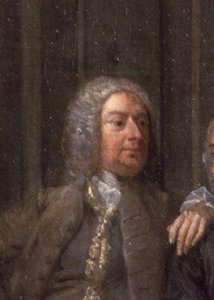
ジョン・ウートン
1682 - 1764 , イギリス
基本情報
- Artistic Movement Or Style: スポーツ・アート、風景画
- Artists Or Movements Influenced By This Artist:
- トーマス・ゲインズバラ
- ジョージ・スタブス
- Artists Who Influenced This Artist:
- ヤン・ウィック
- ガスパール・デュゲ
- Date Of Birth: 1686年頃
- Date Of Death: 1764年
- Full Name: ジョン・ウートン
- Nationality: イギリス
- Notable Artworks:
- ボニー・ブラック
- 狩猟の前に
- 血に染まった肩のアラビア馬
- Place Of Birth: イギリス、スニッターフィールド
関連記事

ジョン・コンスタブルの傑作25選:英国風景画の巨匠が描く自然と光の詩 | ArtsDot
ジョン・コンスタブルの傑作25選。英国風景画の巨匠が描く自然と光の詩の世界へ。ロマン主義を代表する絵画、デダム・ヴェールやヘイ・ウェインなど、ArtsDotで高品質なアートプリントをお楽しみください。インテリアに深みと感動を。コレクションはこちら。

ジョン・シンガー・サージェント:至高の25選 - 美と光の肖像画の世界 | ArtsDot
ジョン・シンガー・サージェントの至高の25選。肖像画、写実主義、光と影の表現が美しい作品群を紐解きます。マダムXや少女の肖像など、時代を超えて愛される名作をArtsDotで鑑賞。高品質なアート複製で、お部屋に美術館のような空間を。今すぐコレクションをご覧ください。
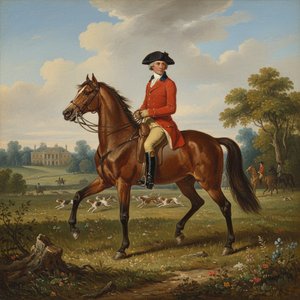
John Nost Sartorius: Equestrian Portraiture & the Shifting Social Landscape of 18th-Century England
Explore the captivating equestrian art of John Nost Sartorius (1759-1828). Discover his detailed paintings of racehorses, hunting scenes & aristocratic life. Learn about collecting Sartorius's work and its lasting value.
18th Century Masters: 10 Artworks That Define an Era | ArtsDot
Journey through 18th century art! Explore 10 iconic paintings – from Rococo elegance to Neoclassical grandeur. Discover Fragonard, David & more. Find museum-quality reproductions and elevate your home decor on ArtsDot.com.
Gwen John: Intimacy, Modernity & the Quiet Power of Welsh Portraiture
Explore the captivating world of Gwen John, a pioneering Welsh artist renowned for her intimate portraits & subtle style. Discover her life, legacy, and how to bring her timeless beauty into your home with ArtsDot.

