

 プレビュー
プレビュー
 シェアする
シェアする シェアする
シェアする
 詳細を見る
詳細を見る

 ダウンロード
 似ている作品
 X線調査
X線調査 スライドショー
 統計情報
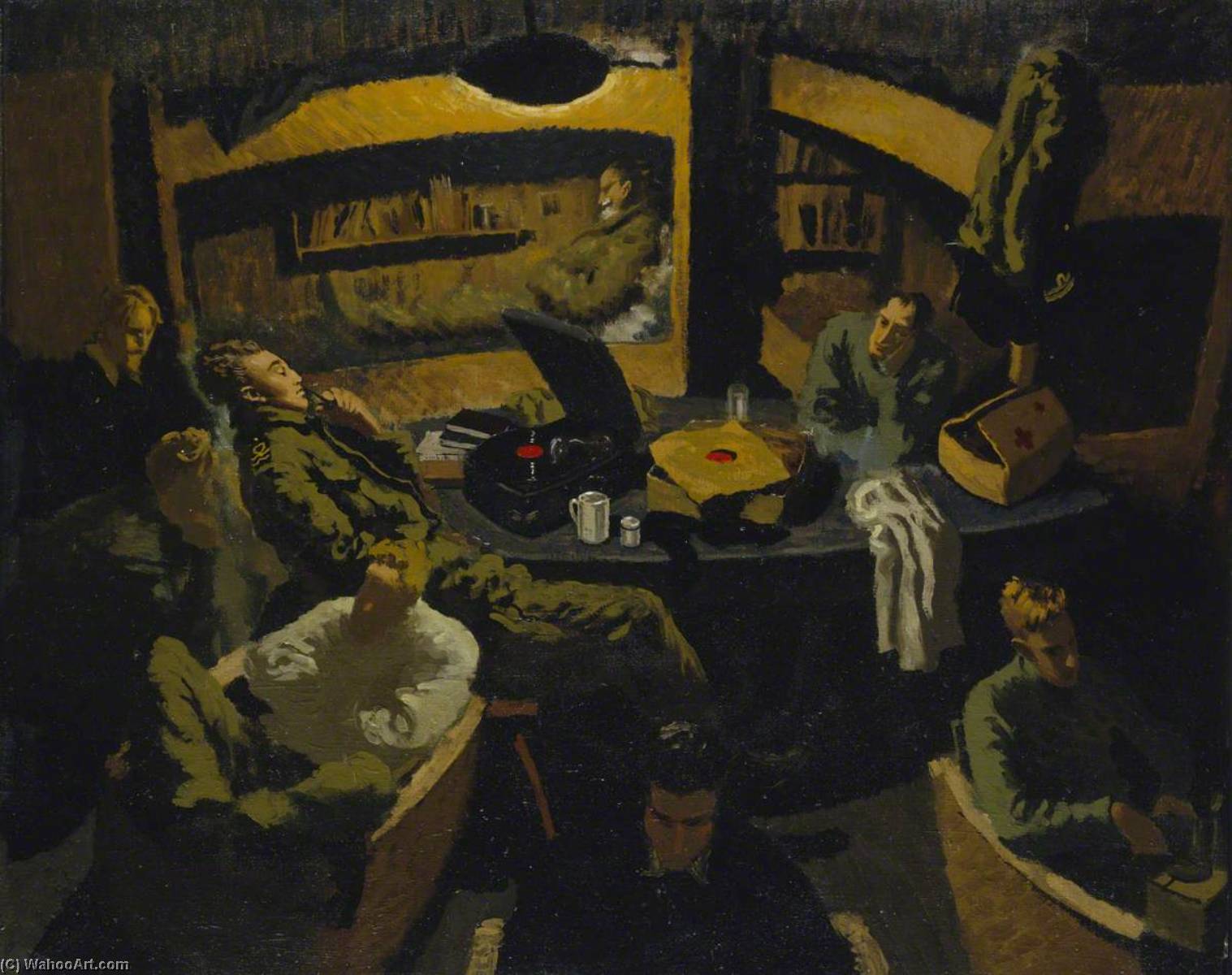
統計情報Naval Officers Room at Marlag O, Prisoner of War Camp
 610.0 x 75.0 cm
 詳細を見る
詳細を見る
手描き油彩複製画
当社のアーティストが、お客様のご希望のサイズと額縁に合わせて、キャンバスに手描きで制作する油彩画です。 ( プリント版に切り替え デジタル画像販売へ切り替え)




































作品のオリジナル比率に合わせた、当店の規定サイズからお選びください。

特定のフレームやスペースに合わせて、ご希望のサイズをご入力いただけます。選択されたサイズが元の画像の比率と異なる場合、アートワークをトリミングするか、手描きで要素を追加して絵画を拡張いたします。デジタルモックアップ を制作し、制作開始前にご確認(承認)をいただきます。
画面上のプレビューは、実際のトリミングや拡張を正確に反映しているものではありません。最終的な構図は、モックアップによってのみ正確にご確認いただけます。
カスタムサイズもご利用いただけますが、元の比率を維持するためには、あらかじめ用意されたリストからサイズを選択することをお勧めいたします。
ご注文後、ArtsDot.com チームより詳細な指示をお送りするとともに、仕上がりイメージ(モックアップ)をご提供いたします。


 ガラスオプションは、110cm未満のサイズでのみご利用いただけます。

Naval Officers Room at Marlag O, Prisoner of War Camp
複製技法
複製画のサイズ
-


合計金額
$ 263
関連作品









アーティストの略歴
A Singular Voice of Wartime Art
John Godfrey Bernard Worsley stands apart in the annals of British art history as a truly remarkable figure—a naval artist who achieved unprecedented renown during World War II and whose legacy continues to resonate today. More than just documenting the realities of combat, Worsley’s work embodies an extraordinary blend of meticulous observation, technical skill, and imaginative storytelling, cementing his place among the most distinctive voices of his era. Born in Kenya to Liverpool emigrants, Worsley's childhood instilled within him a fascination for landscapes and natural forms that would inform much of his artistic vision. After being sent back to England in 1928, he attended St. Winifred's boarding school and eventually won a scholarship to Brighton College, followed by three years of intensive fine art study at Goldsmiths’ School of Em Art.
Before the shadows of war fell across Europe, Worsley carved out a career as a commercial illustrator, specializing in the emotive and detailed world of romance magazines. This formative period was crucial, as it cultivated his keen eye for narrative composition and the subtle nuances of human expression. However, his life took an irrevocable turn when he joined the Royal Navy at the outbreak of World War II. Serving aboard HMS Laurentic, HMS Lancaster, and HMS Devonshire, Worsley witnessed firsthand the grueling conditions of convoy escort duty in the Atlantic and North Sea. The sinking of the Laurentic in November 1940 became a defining moment for his artistry; using sketches made during an harrowing ordeal in an open lifeboat, he produced visceral depictions that captured both the terror of the deep and the profound resilience of the human spirit.
The Eye of the Observer: From Sea to Captivity
Worsley’s unique position as one of the very few active service artists allowed him to render contemporary sea-warfare in situ, providing a level of authenticity that few of his contemporaries could match. His dedication to portraying the wartime experience caught the attention of Kenneth Clark, the director of the War Artists Advisory Committee, who commissioned Worsley to create portraits capturing the spirit of leadership. This period saw him documenting not just the chaos of battle, but the quiet dignity of naval life and the faces of high-ranking officers, including Field Marshal Montgomery and Admiral Sir John Cunningham.
Yet, perhaps his most legendary chapter was written behind enemy lines. As the only official war artist captured by the Germans, Worsley found himself detained in the infamous prisoner-of-war camp Marlag O. Far from stifling his creativity, captivity became a crucible for his ingenuity. Using supplies provided by the Red Cross, he documented the stark realities of prison life with unflinching honesty. His expertise even extended beyond the canvas; he utilized his illustrative skills to assist in the forging of identity papers and famously participated in an ingenious escape attempt involving the construction of a mannequin named Albert R.N. This period of hardship added a layer of profound psychological depth to his work, as he transitioned from documenting external combat to capturing the internal struggle for survival.
Legacy and Artistic Significance
The historical significance of John Worsley lies in his ability to bridge the gap between journalistic documentation and fine art. His paintings are not merely records of naval maneuvers; they are atmospheric studies of light, industrial labor, and human emotion. Whether capturing the heavy atmosphere of Refitting in Dry Dock or the solemnity of political figures in the House of Commons, his work remains deeply evocative.
Throughout his lifetime, Worsley’s contributions to British maritime art were recognized through several prestigious milestones:
- President of the Royal Society of Marine Artists: A testament to his leadership and standing within the maritime art community.
- Imperial War Museum Collection: His monumental achievement includes sixty-one paintings held by this institution, ensuring his wartime visions remain accessible to future generations.
- National Maritime Museum Archive: An additional twenty-nine works are preserved here, cementing his role as a premier chronicler of naval history.
Worsley passed away in 2000, but his ability to find beauty amidst the wreckage of war ensures that his voice remains an essential part of the British artistic canon. His life, marked by both the splendor of the Kenyan landscape and the grim reality of a POW camp, reflects a complete spectrum of human experience, rendered with a master's touch.
John Worsley
1919 - 2000
基本情報
- Artistic Movement Or Style: Marine Art
- Artists Or Movements Influenced By This Artist: ['']
- Artists Who Influenced This Artist: ['']
- Date Of Birth: 1919
- Date Of Death: 2000
- Full Name: John Godfrey Bernard Worsley
- Nationality: British
- Notable Artworks:
- Admiral Sir John Cunningham, KCB, MVO
- Refitting in Dry Dock, the Forecastle Sentry
- House of Commons, 1940
- Place Of Birth: Kenya