

 プレビュー
プレビュー
 シェアする
シェアする シェアする
シェアする
 詳細を見る
詳細を見る

 ダウンロード
 似ている作品
 X線調査
X線調査 スライドショー
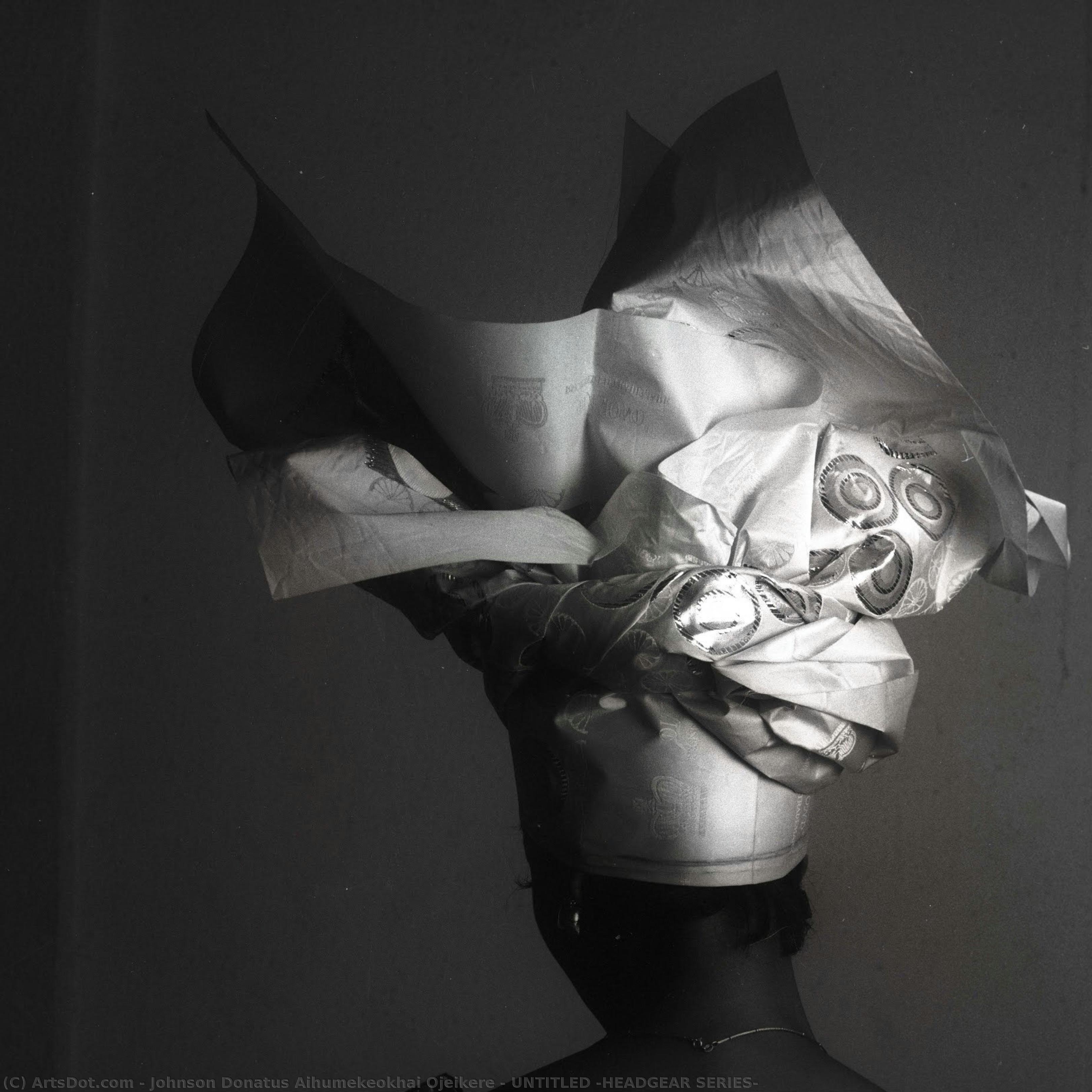
UNTITLED (HEADGEAR SERIES)

 詳細を見る
詳細を見る
ジークレー/アートプリント
迅速な制作と多彩な仕上げオプションを備えた、ミュージアムクオリティのジークレーまたはキャンバスプリント。 ( 手描きの絵画を購入 画像を購入)




































作品のオリジナル比率に合わせた、当店の規定サイズからお選びください。

特定のフレームやスペースに合わせて、ご自身でサイズを指定することも可能です。選択されたサイズが元の画像の比率と一致しない場合、作品をトリミングするか、鏡面反射または単色での塗りつぶしによって画像を拡張いたします。制作を開始する前に、ご確認用のデジタルモックアップをお送りいたします。
画面上のプレビューには、実際のトリミングや拡張は反映されませんのでご注意ください。最終的な構図を正確に確認できるのは、モックアップのみとなります。
カスタムサイズも承っておりますが、元の比率を維持するためには、あらかじめ用意されたリストからサイズを選択することをお勧めいたします。


 ガラスオプションは、110cm未満のサイズでのみご利用いただけます。

UNTITLED (HEADGEAR SERIES)
ジークレー/アートプリント
複製画のサイズ
-


合計金額
$ 62
関連作品







アーティストの略歴
A Pioneer of Nigerian Photographic Identity
Johnson Donatus Aihumekeokhai Ojeikere, known to the art world as J.D. ‘Okhai Ojeikere, stands as a monumental figure in the history of Nigerian photography. Born in 1930 in Ovbiomu-Emai, a rural village in Edo State, Nigeria, Ojeikere’s life and work became inextricably linked with documenting the vibrant cultural tapestry of his nation, particularly its extraordinary tradition of hairstyles. His journey wasn't one initially paved with artistic intention; rather, it was a gradual immersion into a medium that would allow him to capture and preserve a rapidly changing world.
In an era where photography was considered a luxury, Ojeikere’s acquisition of a modest Brownie D camera in 1950 marked the beginning of his self-taught exploration. His persistence – writing letters for two years to the Ministry of Information in Ibadan – speaks volumes about his dedication and ambition. This early drive led to a position as a darkroom assistant in 1954, providing him with foundational skills and access to the burgeoning world of visual communication. He honed his craft through various roles, including studio work under Steve Rhodes at Television House Ibadan and publicity positions at West Africa Publicity in Lagos.
The Hairstyles Series: A Celebration of Cultural Heritage
While Ojeikere’s career encompassed diverse photographic endeavors, it is undoubtedly his series documenting Nigerian hairstyles that cemented his legacy. Beginning in 1968, he embarked on a project that would span decades and yield approximately one thousand images. These weren't merely portraits; they were focused studies of the elaborate and often sculptural forms created atop women’s heads. He deliberately chose to emphasize the *hairstyles themselves* as objects of art, capturing them from behind to highlight their intricate construction and unique aesthetic qualities.
Ojeikere approached his subjects with a deep respect for tradition. Each hairstyle held cultural significance, often denoting tribal affiliation, social status, or personal identity. He meticulously documented the origins, meanings, and names of these styles, recognizing them as vital components of Nigeria’s intangible heritage. His work became a powerful act of preservation, capturing fleeting moments of beauty and cultural expression before they were lost to time. The series is not simply about aesthetics; it's a visual archive of Nigerian history, social structures, and the artistry inherent in everyday life.
Establishing an Independent Voice
The abolition of his position as chief commercial photographer in 1975 proved to be a pivotal moment. It spurred Ojeikere to establish “Foto Ojeikere” in Lagos Island, allowing him complete artistic control and the freedom to pursue his personal projects. This independence was crucial in solidifying his unique style and vision. He continued to photograph hairstyles with unwavering dedication, building an extensive library of images that would eventually gain international recognition.
Ojeikere’s work resonated deeply within Nigeria and beyond. In 2011, he received a lifetime achievement award at the first Nigeria Photography Award (NIPHA), alongside other prominent figures like Sunmi Smart-Cole and Don Barber. This acknowledgement underscored his profound impact on the Nigerian photographic landscape. His inclusion in the 55th Venice Biennale d'arte in 2013, curated by Massimiliano Gioni, brought his work to a global audience, further establishing him as a leading voice in contemporary photography.
Legacy and Historical Significance
J.D. ‘Okhai Ojeikere’s passing in 2014 marked the loss of a true visionary. However, his legacy continues to inspire photographers and artists worldwide. His work challenges conventional notions of portraiture, shifting the focus from individual identity to cultural expression. He demonstrated that beauty can be found in the everyday, and that photography has the power to preserve and celebrate traditions.
Ojeikere’s influence extends beyond the aesthetic realm. His documentation of Nigerian hairstyles serves as a valuable historical resource, providing insights into the social structures, beliefs, and artistic practices of his nation. He is remembered not only as a skilled photographer but also as a cultural anthropologist, a storyteller, and a champion of Nigerian identity. His images are a testament to the power of visual representation and its ability to connect us to the past, present, and future.
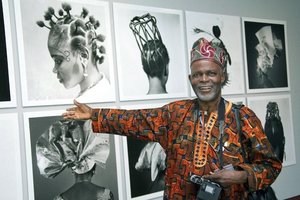
johnson donatus aihumekeokhai ojeikere
1930 - 2014 , Nigeria
基本情報
- Artistic Movement Or Style: Cultural photography
- Date Of Birth: 1930
- Date Of Death: 2014
- Full Name: Johnson Donatus Aihumekeokhai Ojeikere
- Nationality: Nigerian
- Notable Artworks:
- Untitled
- Fro Fro
- Place Of Birth: Nigeria

