

 プレビュー
プレビュー
 プリントを購入
 シェアする
シェアする シェアする
シェアする
 詳細を見る
詳細を見る

 ダウンロード
 似ている作品
 X線調査
X線調査 スライドショー
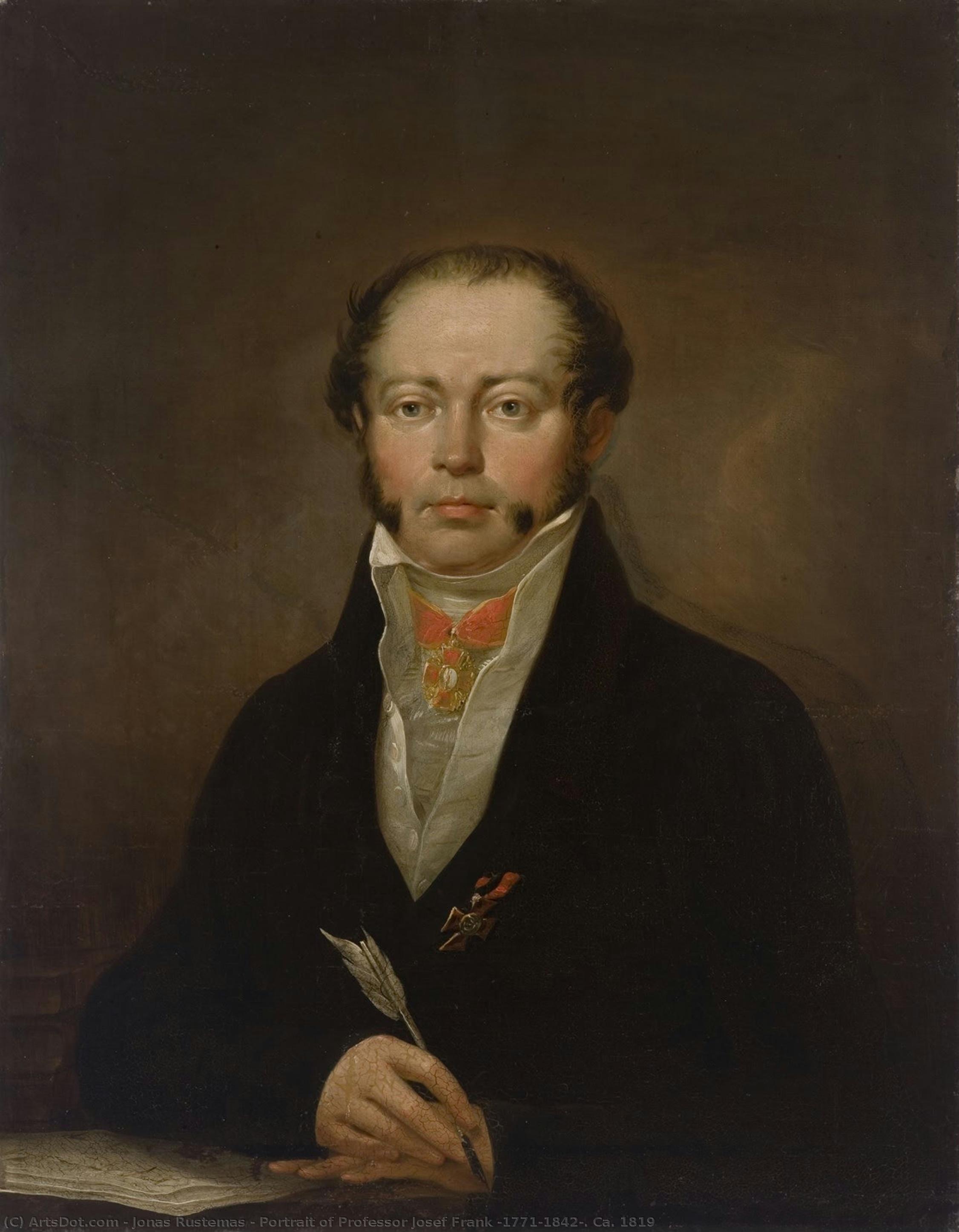
Portrait of Professor Josef Frank (1771–1842). Ca. 1819

 詳細を見る
詳細を見る




































作品のオリジナル比率に合わせた、当店の規定サイズからお選びください。

特定のフレームやスペースに合わせて、ご希望のサイズをご入力いただけます。選択されたサイズが元の画像の比率と異なる場合、アートワークをトリミングするか、手描きで要素を追加して絵画を拡張いたします。デジタルモックアップ を制作し、制作開始前にご確認(承認)をいただきます。
画面上のプレビューは、実際のトリミングや拡張を正確に反映しているものではありません。最終的な構図は、モックアップによってのみ正確にご確認いただけます。
カスタムサイズもご利用いただけますが、元の比率を維持するためには、あらかじめ用意されたリストからサイズを選択することをお勧めいたします。
ご注文後、ArtsDot.com チームより詳細な指示をお送りするとともに、仕上がりイメージ(モックアップ)をご提供いたします。


 ガラスオプションは、110cm未満のサイズでのみご利用いただけます。

Portrait of Professor Josef Frank (1771–1842). Ca. 1819
複製技法
複製画のサイズ
-


合計金額
$ 263








アーティストの略歴
A Life Bridging Cultures: The Story of Jonas Rustemas
Jonas Rustemas, a name often echoed alongside his Polish alias Jan Rustem, occupies a fascinating, yet somewhat elusive position in the annals of 18th and 19th-century European art. Born in Constantinople in 1762, his life was one of remarkable transition and cultural synthesis. Orphaned at a young age, his trajectory took an unexpected turn when he was sponsored by Adam Kazimierz Czartoryski, a prominent figure of the Polish aristocracy and a dedicated patron of the arts. This act of generosity propelled the young Armenian boy westward, towards the heart of the Polish-Lithuanian Commonwealth around 1774, forever altering the course of his artistic development.
Rustemas’s formative years were spent immersed in the vibrant artistic milieu of Warsaw. He received tutelage from two of the most celebrated painters working within the royal court: Jean-Pierre Norblin de la Gourdaine, renowned for his delicate genre scenes and masterful draftsmanship, and Marcello Bacciarelli, a portraitist whose skill lay in capturing the essence of aristocratic society. These influences are readily apparent in Rustemas’s early works – a refined attention to detail, a sensitivity to light and shadow, and an ability to portray both psychological depth and social standing within his subjects. He wasn't merely absorbing technique; he was learning to navigate the complex world of patronage, courtly aesthetics, and the subtle language of visual representation.
From Warsaw to Vilnius: A Freemason’s Journey
The late 1780s saw Rustemas embark on a period of travel that broadened his intellectual and artistic horizons. Between 1788 and 1790, he ventured into Germany, where he became initiated into the world of Freemasonry. This affiliation proved significant, shaping not only his worldview but also potentially influencing the symbolism embedded within his later paintings. The tenets of Enlightenment thought – reason, liberty, and fraternity – resonated deeply with Rustemas, and these ideals would subtly permeate his artistic practice. Upon returning to the Polish-Lithuanian Commonwealth in 1790, he settled for a time in Warsaw before ultimately relocating to Vilnius.
Vilnius became the central stage of Rustemas’s career. In 1797, he began a long and fruitful association with Vilnius University, initially as an artist-in-residence and eventually ascending to the position of Professor of Painting in 1819. This appointment marked a turning point, solidifying his reputation as a leading figure in Lithuanian art education. He established a rigorous curriculum, emphasizing both technical proficiency and intellectual engagement. Rustemas wasn’t simply imparting skills; he was fostering a new generation of artists capable of contributing to the cultural landscape of the region.
A Legacy Etched in Canvas: Students and Style
Rustemas's impact extended far beyond his own artistic output, largely through the remarkable students he mentored. Among them were names that would become synonymous with Lithuanian national identity: Taras Shevchenko, the iconic Ukrainian poet and artist; Józef Oleszkiewicz, a celebrated landscape painter; Kanuty Rusiecki, known for his historical canvases; and Michał Kulesza, another prominent figure in 19th-century Lithuanian art. He instilled in them not only technical mastery but also a sense of national pride and artistic purpose.
While Rustemas continued to paint throughout his life, retiring formally in 1826 though continuing to lecture until his death near Dūkštas in Lithuania in 1835, his style evolved. His portraits, while retaining the elegance inherited from Bacciarelli, gained a greater psychological intensity and emotional depth. He also explored historical subjects, often imbued with subtle allegorical meaning. Though not widely known outside of Eastern Europe during his lifetime, Rustemas’s work represents a unique fusion of artistic traditions – Armenian sensitivity, Polish refinement, and Lithuanian national consciousness.
Historical Significance: A Bridge Between Worlds
Jonas Rustemas stands as a compelling example of an artist whose life mirrored the turbulent political and cultural landscape of his time. He navigated shifting allegiances, embraced Enlightenment ideals, and dedicated himself to fostering artistic talent within a region undergoing profound change. His legacy is not merely confined to the canvases he produced but resides in the generations of artists he inspired. He was a bridge between worlds, seamlessly blending diverse influences into a distinctive artistic voice that continues to resonate today. His story serves as a poignant reminder of the power of art to transcend boundaries and shape national identities.
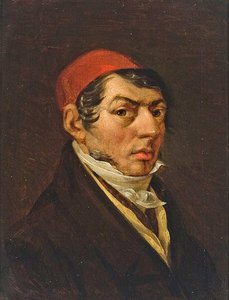
jonas rustemas
1762 - 1835 , Turkey
基本情報
- Artistic Movement Or Style: Portraiture, Historical painting
- Artists Or Movements Influenced By This Artist: ['Shevchenko']
- Artists Who Influenced This Artist:
- Norblin
- Bacciarelli
- Date Of Birth: 1762
- Date Of Death: 1835
- Full Name: Jonas Rustemas
- Nationality: Armenian
- Place Of Birth: Istanbul, Turkey

