

 シェアする
シェアする シェアする
シェアする
 詳細を見る
詳細を見る

 ダウンロード
 似ている作品
 スライドショー
 Stats
StatsWalking to the Sky


 詳細を見る
詳細を見る
オンラインプレビューをはるかに凌ぐ、高解像度で鮮明なデジタル画像をご購入いただけます。
各ファイルは、社内の専門家が高度なツールと熟練した手作業によるレタッチを用いて、細心の注意を払って準備されています。すべての画像において、卓越した鮮明度、正確な色彩再現性、そして繊細なディテールを保証いたします。
最終ファイルは、プロフェッショナルな編集・印刷環境ですぐにご利用いただけるよう最適化された状態で、72時間以内にメールにてお届けいたします。これは、一流のデザインスタジオ、出版社、ギャラリーから信頼されているものと同等の品質です。
デジタルアート
個人での鑑賞、印刷、クリエイティブなプロジェクト用に、高解像度ファイルをダウンロードできます。 ( Switch to Print 手描きの絵画を購入)
デジタル画像のご注文に付随する特典
高品質なデジタル画像配信を、確かな品質で。
ArtsDot.com を選ぶことは、単に画像を手に入れることではありません。それは、プロの手によって精密に仕上げられ、満足保証が付いた高品質なデジタルアートワークを受け取ることを意味します。ご注文いただいた際に自動的に付随する内容は、以下の通りです:

メールですぐにお届け
ご注文から72時間以内に、高解像度のデジタル画像ファイルがメールでお手元に届きます。すぐにそのままご利用いただけます。

AI技術で最適化されたデジタルファイル
お客様の作品は、高度なAIツールと専門家による手作業の編集を組み合わせてプロフェッショナルに最適化されており、細部のディテール、鮮明さ、そして正確な色再現性を最大限に引き出しています。

一生涯無料の再送サービス
ファイルを誤って削除したり、紛失してしまったりしましたか?ご安心ください。いつでも無料で再送いたします。

輸入手数料は一切かかりません
関税や手数料、配送料を気にすることなく、お気に入りのアートワークをすぐにお楽しみいただけます。デジタルダウンロードは常に免税です。

色彩再現の保証
プロ仕様のツールとカラーマネジメント技術を用いることで、デジタル画像が元の色を最大限に忠実に再現することを保証いたします。

100日間満足保証
ご購入いただいたデジタル画像にご満足いただけない場合は、100日以内であれば、理由を問わず修正または100%の返金対応をさせていただきます。

100% 返金保証
ご満足いただけない場合は、デジタルファイルを受け取ってから100日以内であれば、理由を問わず全額返金いたします。

まとめ買い割引
3枚購入で10%OFF - 5枚購入で15%OFF - 10枚以上購入で20%OFF。クリエイティブなプロジェクト、ギャラリー、エージェンシーに最適です。
A Vertical Ascent: The Poetic Vision of Walking to the Sky
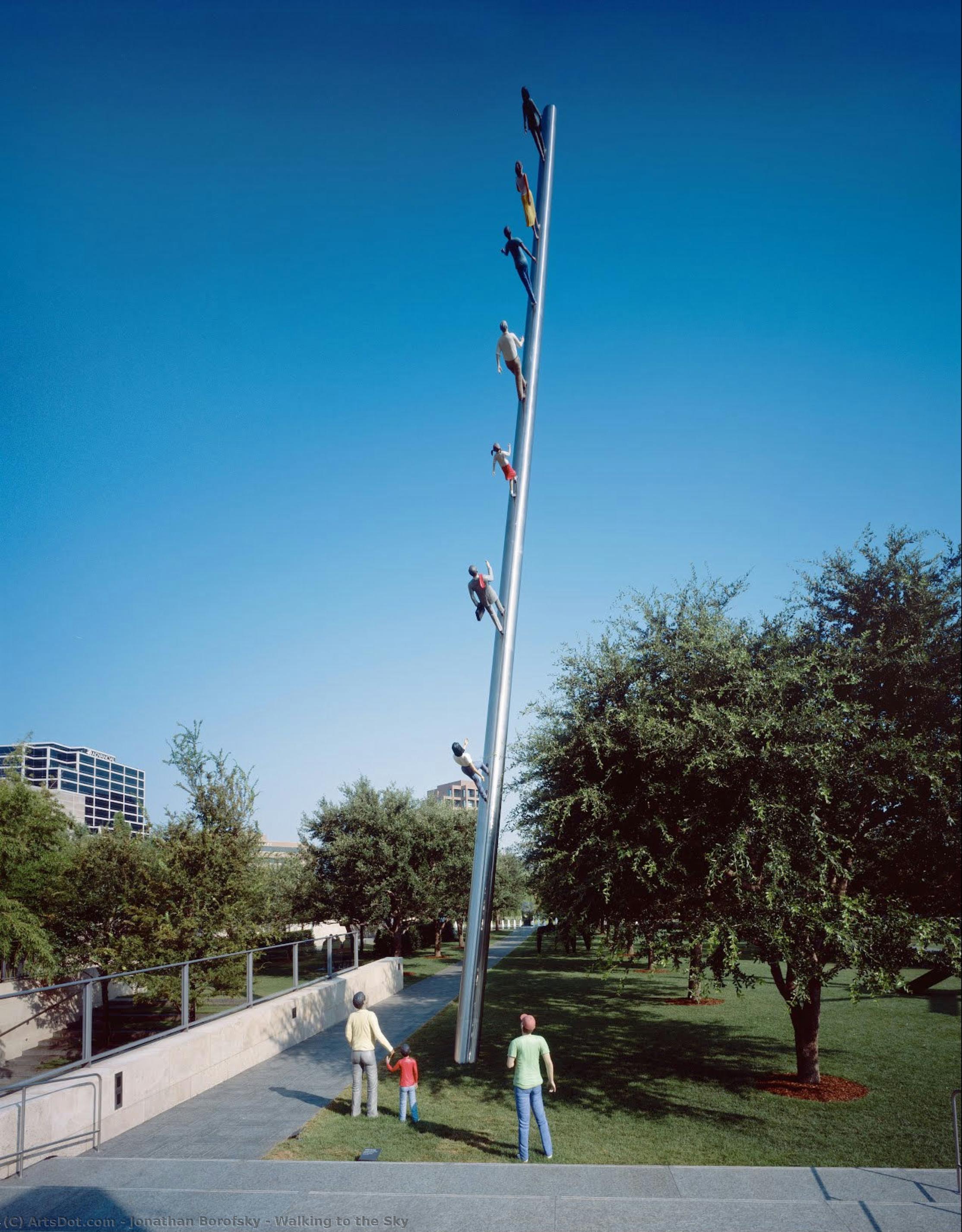
In the vast landscape of contemporary sculpture and installation art, few works capture the collective human spirit as profoundly as Jonathan Borofsky’s "Walking to the Sky." This evocative piece serves as a breathtaking metaphor for the eternal human impulse toward transcendence. At its core, the work presents a towering verticality, featuring a slender metal pole that pierces the heavens, populated by a rhythmic procession of figures in various stages of ascent. Each climber, frozen in a moment of determined movement, contributes to a larger narrative of progress, struggle, and shared destiny. The composition does not merely depict individuals; it illustrates a communal journey, where the act of climbing becomes a sacred ritual of reaching for something greater than oneself.
The aesthetic language of Borofsky is one of striking simplicity and profound impact. Through the use of industrial materials—specifically the cold, resilient strength of metal—the artist creates a tension between the rigid, man-made structure and the organic, fluid motion of the human forms. This juxtaposition invites viewers to contemplate the intersection of technology and humanity. The style avoids the heavy ornamentation of classical sculpture, opting instead for a clean, almost graphic silhouette that allows the concept to breathe. For the discerning collector or interior designer, this piece offers a sophisticated focal point, bringing a sense of dynamic energy and structural elegance to any curated space.
Symbolically, "Walking to the Sky" is an exploration of spiritual and social evolution. The thirteen visible figures represent a spectrum of human experience—some are near the base, grounded in the earthly realm, while others grasp at the higher reaches, closer to the infinite blue of the sky. This vertical hierarchy speaks to the layers of consciousness and the persistent hope that defines our species. There is an inherent sense of unity in the work; despite their different positions on the pole, the climbers are bound by a singular direction and a shared purpose. It is a powerful reminder that while our individual paths may differ, we are all part of a collective movement toward enlightenment and connection.
For those seeking to integrate art into a living or professional environment, a high-quality reproduction of this masterpiece offers more than mere decoration; it provides an emotional anchor. The piece evokes feelings of aspiration, resilience, and quiet wonder. Whether placed in a sunlit gallery, a modern corporate lobby, or a contemplative private study, "Walking to the Sky" serves as a constant, inspiring dialogue between the viewer and the limitless possibilities of the human soul. It is an invitation to look upward, to keep climbing, and to find beauty in the persistent pursuit of the extraordinary.
関連作品
作家の略歴
Ursula von Rydingsvard: Sculpting the Echoes of Experience
Born in Germany during a tumultuous period – 1942, a year etched in history by war and displacement – Ursula von Rydingsvard’s life has been profoundly shaped by experiences that resonate deeply within her art. Her early years were marked by instability and upheaval; she was born to Polish and Ukrainian peasant farmers who found themselves caught in the brutal machinery of Nazi occupation. This formative period, witnessing firsthand the horrors of forced labor and the constant movement between displacement camps, instilled a sense of vulnerability and resilience that would become central themes in her work. Immigration to Plainville, Connecticut, in 1950 offered a new beginning, yet the shadows of her past continued to inform her artistic vision. Von Rydingsvard’s journey into art began at Columbia University, where she earned a Master's degree in studio art, but it was her deliberate rejection of Minimalism – the dominant aesthetic force of the time – that truly defined her trajectory. Instead of embracing the austere geometries and conceptual detachment of Minimalist sculpture, she discovered a powerful voice within the humble cedar tree, recognizing its capacity to convey both grandeur and profound humility.
Her artistic exploration extended far beyond cedar, encompassing a diverse range of materials including bronze, animal intestines (a practice that initially drew criticism but ultimately became integral to her aesthetic), textiles, and delicate handmade paper. This willingness to experiment with unconventional media speaks to a restless intellectual curiosity and a desire to push the boundaries of sculptural expression. Von Rydingsvard’s work isn't simply about form; it’s about texture, weight, and the inherent qualities of each material she employs. She meticulously considers how these elements interact, creating sculptures that are simultaneously monumental in scale and intensely intimate in their tactile presence.
The Weight of Memory: Autobiographical Undertones
While often described as abstract, Von Rydingsvard’s sculptures are imbued with a subtle yet persistent autobiographical resonance. The ambiguity of her subjects – frequently fragmented forms reminiscent of human figures or natural elements – is not intended to obscure their origins but rather to invite viewers to contemplate the complexities of memory and experience. The echoes of her childhood in displacement camps, the trauma of war, and the subsequent immigration to America are all subtly woven into the fabric of her work. She herself has acknowledged that these experiences have shaped her artistic sensibility, leading her to explore themes of loss, resilience, and the enduring power of the past.
The artist’s choice of cedar as a primary medium is particularly significant in this context. Cedar trees are deeply rooted in European folklore and tradition, often associated with strength, longevity, and connection to the earth. However, for Von Rydingsvard, cedar represents more than just these traditional associations; it embodies the memory of her family’s past – the forests where they once lived, the hardships they endured, and the enduring spirit that carried them through difficult times. The rough texture of the wood, its inherent imperfections, mirrors the scars left by trauma and loss, while its strength symbolizes the capacity for survival and renewal.
Recognition and Legacy
Von Rydingsvard’s sculptures have garnered widespread recognition throughout her career, with over 30 museum collections spanning the globe. Her work has been exhibited nationally and internationally, solidifying her position as a leading figure in contemporary sculpture. She has received numerous prestigious awards, including the International Sculpture Center Lifetime Achievement Award (2014) and the National Museum of Women in the Arts’ Lifetime Achievement Award for Excellence in the Arts (2019). These accolades are a testament to her enduring contribution to the art world and her ability to create sculptures that resonate deeply with viewers on both an intellectual and emotional level.
Beyond her artistic achievements, Von Rydingsvard's story is one of remarkable resilience and adaptability. She continues to live and work in New York City, maintaining a prolific output despite the challenges presented by age and circumstance. Her studio in Brooklyn serves as a testament to her unwavering dedication to her craft, where she meticulously shapes and transforms materials into works that bear witness to her life’s journey – a poignant exploration of memory, experience, and the enduring power of art.
Materials and Techniques
Von Rydingsvard's process is characterized by a deep engagement with the inherent qualities of her chosen materials. She often begins with large cedar logs, meticulously selecting pieces based on their grain, texture, and overall character. The wood is then subjected to a series of transformations – sawing, carving, sanding, and sometimes even fire – before being assembled into complex sculptural forms. Her use of animal intestines, while initially controversial, represents a deliberate departure from traditional sculpting techniques. She carefully prepares the material, treating it with respect and reverence, recognizing its inherent beauty and fragility.
Beyond cedar and animal tissues, Von Rydingsvard also experiments with bronze, textiles, and handmade paper. She employs a variety of casting and fabrication methods to achieve her desired effects, often incorporating elements of chance and improvisation into the process. Her sculptures are rarely smooth or polished; they retain a sense of raw energy and tactile immediacy, reflecting the artist’s hands-on approach and her commitment to working directly with materials.
Historical Context: Minimalism and Beyond
Ursula von Rydingsvard's artistic trajectory is inextricably linked to the broader context of 1970s sculpture. At that time, Minimalism – characterized by its emphasis on geometric forms, industrial materials, and conceptual rigor – dominated the art world. However, Von Rydingsvard deliberately rejected this prevailing aesthetic, seeking a more expressive and emotionally resonant approach. Her decision to work with organic materials like cedar and animal tissues challenged the conventions of Minimalism, introducing a sense of vulnerability, intimacy, and personal narrative into her sculptures.
While influenced by earlier sculptors such as Henry Moore and Barbara Hepworth, Von Rydingsvard ultimately forged her own distinctive voice – one that is both deeply rooted in tradition and boldly innovative. Her work stands as a powerful counterpoint to the austerity of Minimalism, demonstrating the enduring value of materiality, texture, and subjective experience in contemporary sculpture.
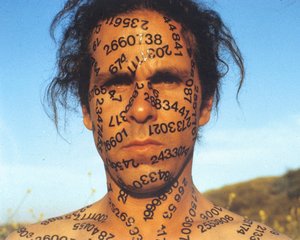
jonathan borofsky
1942 -