

 プレビュー
プレビュー
 プリントを購入
 シェアする
シェアする シェアする
シェアする
 詳細を見る
詳細を見る

 ダウンロード
 似ている作品
 X線調査
X線調査 スライドショー
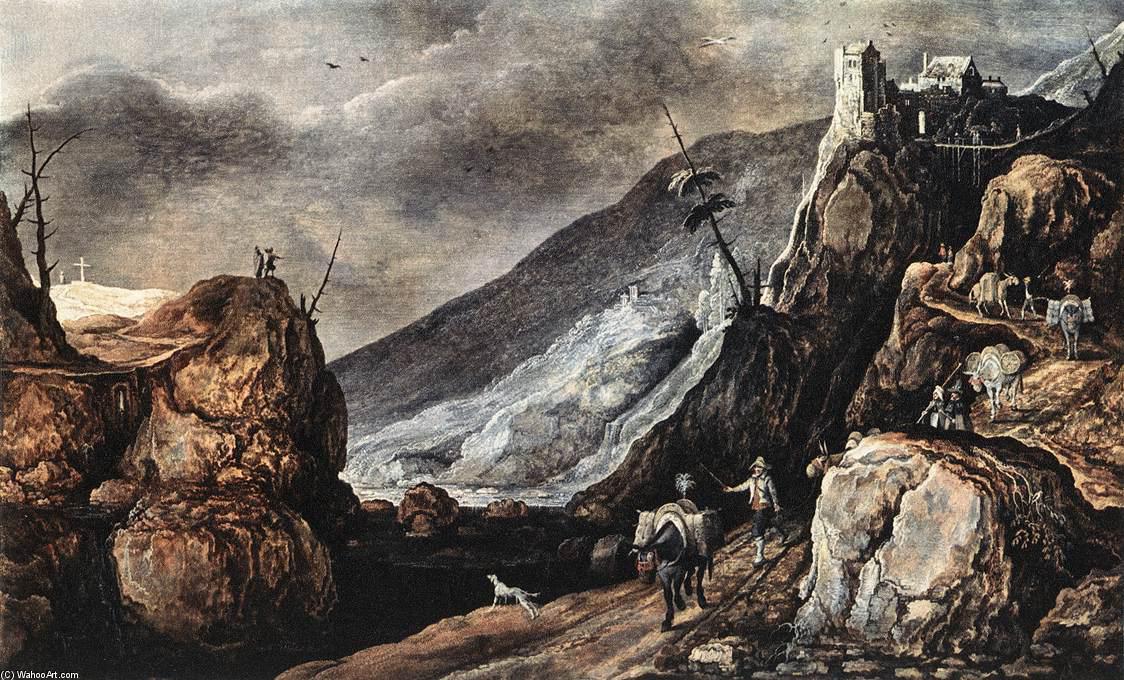
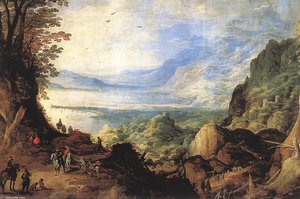
Landscape with the Temptation of Christ
 Oil On Canvas
- WallArt
- Flemish Landscape
 51.0 x 83.0 cm
 ナショナル・ギャラリー
 詳細を見る
詳細を見る




P118B $10

P118H $10

P118W $10

P438Z $10

P508JH $12

P508YH $12

P805H $10

P805Z $10

P919BZ $10

P919G $10

P919XJ $10

P959ZH $10

P968JZ $12

W106C $8

W218G $10

W218JH $8

W218Y $10

W307PJ $10

W316G $10

W316PJ $8

W316Y $10

W398PJ $8

W4111J $10

W500HY $15

W500JH $15

W692G $12

W849H $8

W940BG $15

W953PJ $8




作品のオリジナル比率に合わせた、当店の規定サイズからお選びください。

特定のフレームやスペースに合わせて、ご希望のサイズをご入力いただけます。選択されたサイズが元の画像の比率と異なる場合、アートワークをトリミングするか、手描きで要素を追加して絵画を拡張いたします。デジタルモックアップ を制作し、制作開始前にご確認(承認)をいただきます。
画面上のプレビューは、実際のトリミングや拡張を正確に反映しているものではありません。最終的な構図は、モックアップによってのみ正確にご確認いただけます。
カスタムサイズもご利用いただけますが、元の比率を維持するためには、あらかじめ用意されたリストからサイズを選択することをお勧めいたします。
ご注文後、ArtsDot.com チームより詳細な指示をお送りするとともに、仕上がりイメージ(モックアップ)をご提供いたします。


 ガラスオプションは、110cm未満のサイズでのみご利用いただけます。

Landscape with the Temptation of Christ
複製技法
複製画のサイズ
-


合計金額
$ 263
作品解説
A Mountainous Revelation: Deconstructing “Landscape with the Temptation of Christ”
Joos de Momper’s “Landscape with the Temptation of Christ,” a captivating oil on oak panel dating from an unknown period, isn't merely a depiction of a rugged mountain vista; it’s a carefully constructed tableau brimming with religious symbolism and reflecting the evolving artistic sensibilities of 17th-century Flanders. The painting immediately draws the eye into a dramatic scene dominated by towering cliffs, a cascading waterfall, and a distant, imposing castle – elements that establish an immediate sense of scale and grandeur, mirroring the vastness of both the natural world and the spiritual realm.
Momper’s style sits at a pivotal juncture in Flemish landscape painting. He skillfully blends the late Mannerist tendencies of his predecessors with the burgeoning realism that would characterize the Baroque era. Notice the subtly elongated forms, the atmospheric perspective achieved through muted earth tones – browns and ochres dominate the palette – and the meticulous rendering of textures on rock and foliage. This isn’t a straightforward topographical representation; rather, it's an idealized landscape, imbued with a sense of mystery and emotional depth. The artist masterfully employs light and shadow to create a palpable three-dimensionality, particularly evident in the jagged edges of the cliffs and the dynamic flow of the waterfall.
The Narrative Landscape: Symbolism and Biblical Allusion
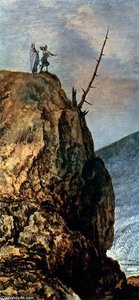
While the painting’s title explicitly references the biblical narrative, its interpretation is layered and complex. The central focus – a group of figures engaged in various activities on the right side of the cliff face – isn't immediately clear. These individuals, dressed in clothing suggestive of a medieval or early modern setting, appear to be travelers, merchants, or perhaps even pilgrims. However, subtly integrated into this earthly scene is a faint echo of the Temptation of Christ. A donkey tilts its head towards a barely discernible group of figures in the background, and a dog points directly at them – gestures that allude to the biblical account where Satan attempts to lure Jesus with promises of worldly power and glory.
The castle perched atop another cliff isn’t just an architectural detail; it serves as a potent symbol of divine authority and judgment. Its imposing presence reinforces the gravity of the spiritual drama unfolding below. The cloudy sky, heavy with impending storm clouds, further amplifies this sense of foreboding and moral struggle. Momper cleverly juxtaposes the earthly concerns of these travelers with the eternal conflict between good and evil, creating a compelling visual metaphor for humanity’s choices.
A Masterpiece in Transition: De Momper's Legacy
Joos de Momper was a pivotal figure in the evolution of Flemish landscape painting. Born into an artistic family steeped in tradition – his grandfather and father were both accomplished painters – he inherited not only technical skill but also a deep appreciation for the beauty and power of nature. His early training, coupled with his travels to Italy (as evidenced by the frescoes attributed to him in Rome), exposed him to new influences and techniques, which he skillfully integrated into his own distinctive style.
Momper’s work represents a crucial bridge between the Mannerist landscapes of the late 16th century and the more realistic and emotionally charged scenes that would emerge in the early Baroque period. He was part of a group of artists who favored imaginary landscapes, often drawing inspiration from distant regions like the Alps, and frequently collaborating with figure painters to enrich their compositions. “Landscape with the Temptation of Christ” is a testament to his artistic versatility and his ability to capture both the grandeur of nature and the complexities of human experience – a truly remarkable achievement that continues to resonate with viewers today.
関連作品
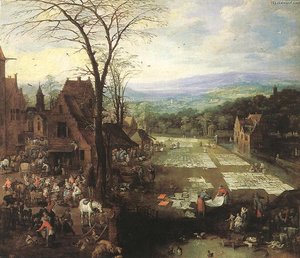
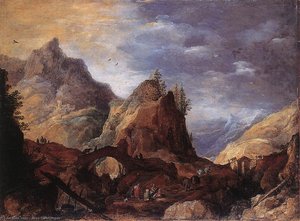
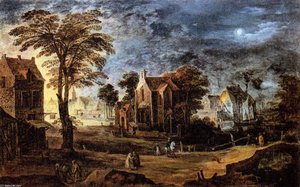
アーティストの略歴
フランドル風景画の先駆者:ヨース・デ・モムペルの世界
ブルーゲルやルーベンスといった同時代の巨匠たちの名ほど、即座に誰もが思い浮かべるわけではないかもしれません。しかし、ヨース・デ・モムペル(ヨス・デ・モムペル)という名は、フランドル風景画の進化において極めて重要な地位を占めています。1564年、アントウェルペンに生まれた彼は、芸術に深く根ざした家系に育ちました。祖父は風景画家であり、父バルトロメウス・デ・モムペルもまた画家、版画出版、そして美術商として活動していました。この血統から彼が受け継いだのは、単なる家系図ではなく、視覚的な世界への深い没入感でした。彼は驚くべき早さで、1581年にはわずか17歳にしてアントウェルペンの聖ルカ・ギルドのマスター(親方)となっており、その才能が当時から即座に認められていたことを物語っています。正式な修行に関する記録は乏しいものの、宗教的・政治的な激動の中にありながらも、創造的なエネルギーの源泉であったアントウェルペンの活気ある芸術的雰囲気の中で、彼は確実に研鑽を積んでいたのです。
1580年代にデ・モムペルがイタリアを旅したという説は、決定的な証拠こそないものの、彼の野心と当時の芸術的潮流を雄弁に物語っています。劇的なアルプス風景を描いたような「イタリア風」の景観の影響は、彼の作品の中に紛れもなく存在しています。しかし、デ・モムペルの芸術的発展に最も深い影を落とし、指針となったのはピーテル・ブリューゲル(大ブリューゲル)でした。活気ある人々が息づき、物語的な細部が吹き込まれたブリューゲルのパノラマ的な眺望は、彼にとって基礎となるインスピレーションの源でした。デ・モムペルは単にブリューゲルを模倣したのではなく、その精神を吸収し、自身のビジョンへと適応させました。そして、16世紀後半のマニエリスム的な慣習と、17世紀に芽生え始めた写実主義との架けなぎとなる独自のスタイルを築き上げたのです。
卓越した共創者であり、多作な創造主
デ・モムペルのキャリアは、風景画が宗教画や歴史画の単なる背景という伝統的な役割を超え、次第に重要な地位を獲得していった時代に花開きました。彼は瞬く間に需要の高い画家としての地位を確立し、フランドル総督イザベル・クララ・エウヘニア公女の注目さえも集めました。1616年には、彼女が彼の税免除を求めて請願を行ったほどであり、これは彼の社会的地位と重要性を証明しています。その生産性は驚異的でした。署名や日付のないものも多いですが、約500点もの作品が彼の手によるものと推定されています。この膨大な制作量は、助手が様々な工程に携わる大規模な工房運営が行われていたことを示唆しています。
デ・モムペルの画業を定義づける大きな特徴は、「コラボレーション」にありました。彼は他の著名な画家たちとしばしばパートナーシップを組みました。特にフラン・フランケン2世やピーター・スナイデルス、そしてヤン・ブリューゲル(大ブリューゲル)とその息子といった人物画の大家との共作が有名です。これらの共同作業において、デ・モントペルは、しばしば山岳地帯を描いた劇的で広大な風景を作り上げ、そこに他の画家たちが様々な活動に従事する人々を配置することで、物語の深みと人間味のある情緒を付け加えました。こうした共同作業は単なる分業ではなく、技術の相乗的な交換であり、その結果として、目の肥えたパトロンたちのコレクションを飾る、豊かで詳細かつ視覚的に圧倒されるような構図が誕生したのです。
様式の進化と芸術的遺産
デ・モムペルの風景画は、大きく分けて二つの異なるタイプに分類できます。第一のタイプは、高い視点から見下ろす幻想的な眺望です。ここではマニエリスム的な色彩設計が用いられ、手前の暗い褐色から、遠景に向かって緑や青へと緩やかに変化していきます。これらの構図は、しばしば荘厳で、どこか浮世離れした感覚を呼び起こします。第二のタイプは、より自然主義的なアプローチを示しています。視点は低くなり、色彩はより写実的で、大気の遠近法がより強調されています。どちらの様式においても、彼のパノラマには一貫して小さな人物たちが描き込まれており、それが画面にスケール感を与え、観る者をその描かれた世界へと誘い込むのです。
存命中は高く評価されていたものの、後世の数世紀においてデ・モムペルの名声は一時衰退を経験しました。批評家たちはしばしば、彼の作品を定型化された繰り返しの表現であり、オランダ共和国から現れた画家たちのような革新的な精神に欠けると切り捨てました。また、彼の壮大な風景画を、ヨアヒム・パティニールの初期の「世界風景」の単なる模倣と見なす者もいました。しかし、現代の研究はデ・モムペルの貢献を再評価し始めています。彼はブリューゲルの先見的なパノラマと、後の画家たちの洗練された自然主義を結ぶ極めて重要な架け橋として、フランドル風景画の発展における中核的人物であると認識されています。彼は決して単なる革新者ではなく、既存の伝統を巧みに解釈し、統合した巨匠であり、その劇的な美しさと緻密な細部は、今なお私たちを魅了し続けています。
キャンバスを超えて:評価と影響力
デ・モムペルの影響は、彼の絵画の枠組みを越えて広がっていました。17世紀フランドル美術を理解するための重要な史料であるカレル・ファン・マンデルのSchilder-boック(画家書)において彼は認められており、その肖像画はアンソニー・ヴァン・ダイクによってエッチングとして制作されました。これは、当時の芸術界における彼の地位を裏付ける稀有な栄誉です。また、ルイ・デ・コーリィや息子のフィリップ・デ・モムペルを含む数名の弟子を育て上げ、自身の芸術的遺産を次世代へと確実に継承させました。彼の流儀はフランス・デ・モムペルやヘルクレス・セゲルスといった追随者たちを通じて、さらに広く普及していったのです。
今日、ヨース・デ・モムペルの作品は世界中の美術館や個人コレクションに見出され、17世紀フランドルの豊かな視覚文化を垣間見る機会を与えてくれます。彼の仕事は、芸術の進歩とは必ずしも急進的な革新だけではなく、巧みな適応、協力、そして既存の伝統に対する深い理解によって成し遂げられるものであることを、私たちに思い出させてくれます。彼は息を呑むような風景に命を吹き込み、観る者をその美しさの中に没入させ、自然界の驚異に思いを馳せさせる、真の職人(マスター・クラフトマン)だったのです。

ヨース・デ・モンペル
1564 - 1635 , ベルギー
基本情報
- Artistic Movement Or Style: バロック風景画
- Artists Or Movements Influenced By This Artist:
- フランス・デ・モンペル
- ヘルクレス・セガース
- Artists Who Influenced This Artist:
- ピーテル・ブリューゲル(父)
- ルートヴィヒ・トゥープト
- Date Of Birth: 1564年
- Date Of Death: 1635年
- Full Name: ヨース・デ・モンペル(子)
- Nationality: フランドル
- Notable Artworks:
- 満月の村
- 崖の女たち
- トビアスの旅
- Place Of Birth: ベルギー、アントウェルペン
関連記事

ゴヤ傑作25選:スペインの魂を揺さぶる、深遠な芸術の世界 | ArtsDot
ゴヤ傑作25選:ロマン主義を代表するスペインの巨匠、フランシスコ・デ・ゴヤの世界へ。黒衣の女からマハまで、魂を揺さぶる絵画の物語と技法を紐解きます。ArtsDotで高品質なアートレプリカを見つけ、インテリアに深みと風格を。今すぐコレクションをご覧ください。

ロマン派ランドスケープ:時代を彩る巨匠の10選|アートとインテリアの世界
ロマン派絵画の時代を彩る10選。巨匠たちの風景が織りなす感動の世界へ。ターナー、ルーベンスなど、名作の裏話と高精細複製でアートをお部屋に。ArtsDot.comで至福のアート体験を。

About Us
Discover our story! We bring world-class art into your life through expert curation, personalized creations, and free previews. Trusted by individuals and businesses since 2000.

Evocations of Place: A Historical Journey Through Landscape Art
Explore the rich history of landscape art with ArtsDot. Discover renowned artists, movements like Impressionism & Romanticism, and expert guidance for collecting timeless pieces. Find your perfect serene escape today!

ジョン・コンスタブルの傑作25選:英国風景画の巨匠が描く自然と光の詩 | ArtsDot
ジョン・コンスタブルの傑作25選。英国風景画の巨匠が描く自然と光の詩の世界へ。ロマン主義を代表する絵画、デダム・ヴェールやヘイ・ウェインなど、ArtsDotで高品質なアートプリントをお楽しみください。インテリアに深みと感動を。コレクションはこちら。

