 プレビュー
プレビュー
 シェアする
シェアする シェアする
シェアする
 詳細を見る
詳細を見る

 ダウンロード
 似ている作品
 X線調査
X線調査 スライドショー
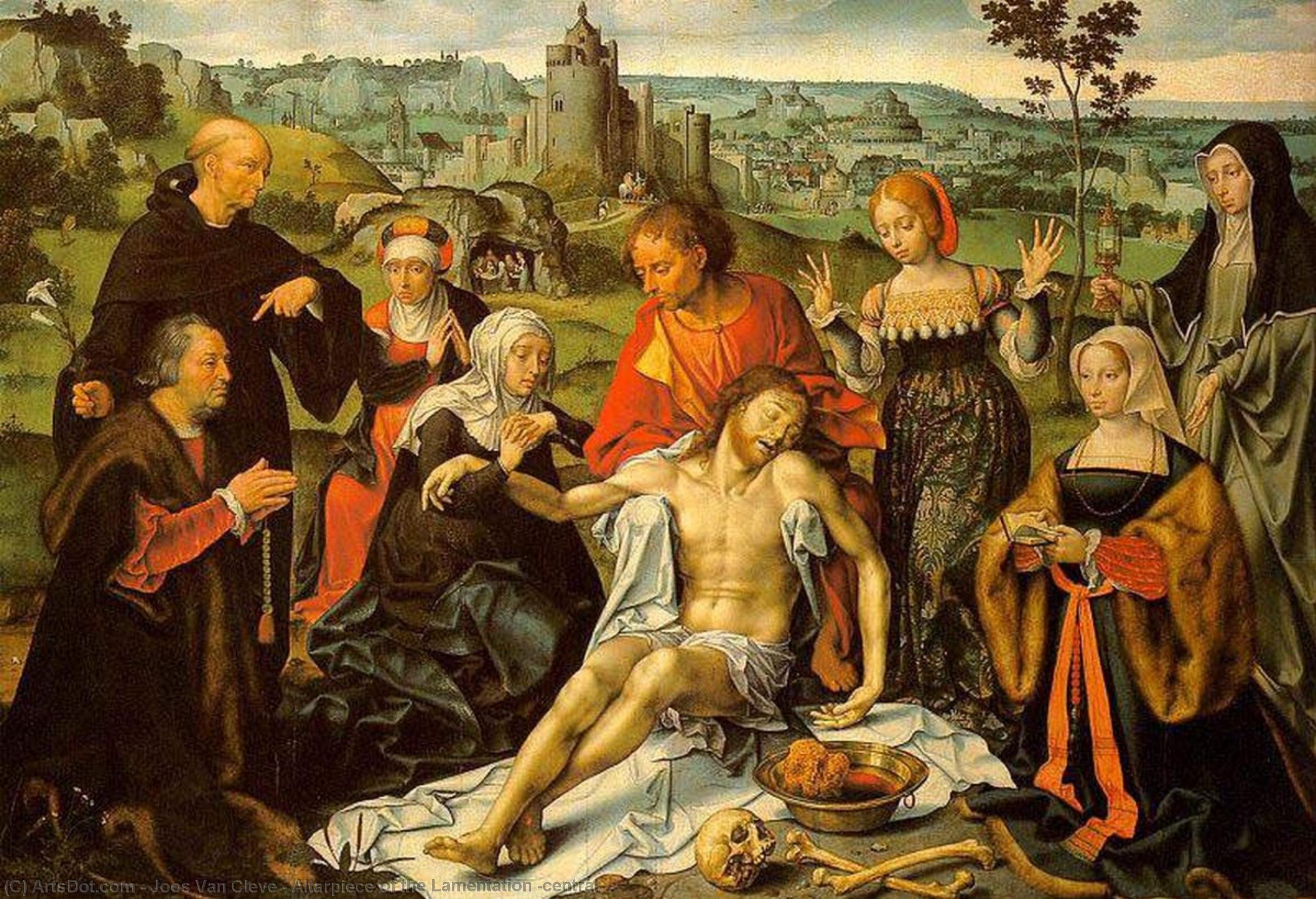
Altarpiece of the Lamentation (central)
 Oil On Canvas
- WallArt
- Northern Renaissance
 1520
1520 145.0 x 206.0 cm
 ルーブル美術館
 詳細を見る
詳細を見る
ジークレー/アートプリント
迅速な制作と多彩な仕上げオプションを備えた、ミュージアムクオリティのジークレーまたはキャンバスプリント。 ( 手描きの絵画を購入 画像を購入)




P118B $10

P118H $10

P118W $10

P438Z $10

P508JH $12

P508YH $12

P805H $10

P805Z $10

P919BZ $10

P919G $10

P919XJ $10

P959ZH $10

P968JZ $12

W106C $8

W218G $10

W218JH $8

W218Y $10

W307PJ $10

W316G $10

W316PJ $8

W316Y $10

W398PJ $8

W4111J $10

W500HY $15

W500JH $15

W692G $12

W849H $8

W940BG $15

W953PJ $8




作品のオリジナル比率に合わせた、当店の規定サイズからお選びください。

特定のフレームやスペースに合わせて、ご自身でサイズを指定することも可能です。選択されたサイズが元の画像の比率と一致しない場合、作品をトリミングするか、鏡面反射または単色での塗りつぶしによって画像を拡張いたします。制作を開始する前に、ご確認用のデジタルモックアップをお送りいたします。
画面上のプレビューには、実際のトリミングや拡張は反映されませんのでご注意ください。最終的な構図を正確に確認できるのは、モックアップのみとなります。
カスタムサイズも承っておりますが、元の比率を維持するためには、あらかじめ用意されたリストからサイズを選択することをお勧めいたします。


 ガラスオプションは、110cm未満のサイズでのみご利用いただけます。

Altarpiece of the Lamentation (central)
ジークレー/アートプリント
複製画のサイズ
-


合計金額
$ 62
作品詳細説明
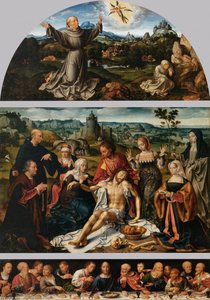
The Lamentation’s Silent Echoes: Joos van Cleve's Masterpiece
Within the hushed galleries of the Louvre resides a poignant testament to human sorrow and divine grief – Joos van Cleve’s “Altarpiece of the Lamentation (central).” Completed around 1520, this remarkable panel painting transcends mere religious depiction; it becomes a profound meditation on loss, faith, and the enduring power of compassion. Van Cleve, a pivotal figure bridging the Gothic and Renaissance traditions in Antwerp, masterfully blended established techniques with burgeoning Italian influences, creating an artwork that resonates with both familiarity and startling emotional depth.
The scene unfolds with arresting clarity: Christ, recently deceased, is laid upon a simple wooden bier, his body draped in the stark white of death. The composition immediately draws the eye to the central figure – a man lying prone, his arms outstretched in a gesture both vulnerable and accepting. Surrounding him are a constellation of mourners, each rendered with meticulous detail and imbued with distinct emotional responses. Women, identifiable by their flowing garments and expressions of profound grief, cluster around the body, while men stand further back, exhibiting a restrained sorrow that speaks volumes. The figures aren’t idealized; they possess a tangible humanity – wrinkles etched on faces, hands clasped in anguish, eyes brimming with tears. This realism, characteristic of Van Cleve's approach, elevates the scene beyond a purely theological exercise and grounds it firmly within the realm of human experience.
A Symphony of Color and Light
Van Cleve’s technical skill is immediately apparent in his masterful manipulation of color and light. The palette is restrained yet remarkably effective, dominated by somber blues, deep reds, and earthy browns – colors that instinctively evoke a sense of mourning and solemnity. He employs *sfumato*, a technique borrowed from Leonardo da Vinci, to soften the edges of forms and create an atmospheric haze, lending the scene a dreamlike quality. Light falls gently across the figures, illuminating their faces and highlighting the textures of their clothing, while shadows deepen the sense of loss and despair. The use of gold leaf accents – particularly in the folds of Mary’s robe – adds a subtle shimmer, suggesting both the divinity of Christ and the preciousness of his sacrifice.
- Oil on Wood: Van Cleve's choice of medium contributes to the painting's rich texture and luminous quality.
- Sfumato Technique: Creates a hazy, atmospheric effect that enhances the emotional impact of the scene.
- Restrained Palette: The muted colors reinforce the theme of sorrow and loss.
Historical Context and Artistic Innovation
Created during a period of significant artistic transition – the High Renaissance was gaining momentum in Italy, while Northern European artists continued to develop their own distinct styles – “The Lamentation” represents a fascinating synthesis of influences. Van Cleve’s work reflects both the established conventions of Netherlandish painting and the emerging trends of Italian art. Notably, he incorporates elements of landscape into the background, a technique that would become increasingly prevalent in later Northern Renaissance paintings, demonstrating his willingness to experiment and push artistic boundaries. The altarpiece itself was part of a larger composition, likely featuring an “Adoration of the Kings” panel alongside this central Lamentation, creating a complete narrative cycle centered on the life of Christ.
Symbolism and Emotional Resonance
Beyond its technical brilliance, “The Lamentation” is rich in symbolic meaning. The act of lamenting itself represents humanity’s recognition of its own mortality and dependence on divine grace. Mary Magdalene's presence underscores her role as the repentant sinner redeemed by Christ’s sacrifice. The overall composition evokes a profound sense of empathy, inviting viewers to contemplate their own experiences of loss and grief. The painting isn’t simply depicting a historical event; it’s tapping into universal emotions – sorrow, compassion, and faith—making it a timeless masterpiece that continues to move audiences centuries after its creation.
A Legacy in Reproduction
Today, reproductions of “The Altarpiece of the Lamentation (central)” are treasured for their ability to evoke the same powerful emotions as the original. Whether adorning a private study or gracing the walls of a museum, this painting serves as a poignant reminder of humanity’s shared experience of sorrow and the enduring hope offered by faith.
関連作品

アーティストの略歴
アントウェルペンの巨匠:ヨース・ファン・クレーヴの生涯と遺産
16世紀、商業の活気に満ちたアントウェルペンの中心部において、ヨース・ファン・クレーヴの筆によって、視覚的な物語を紡ぐ新たな時代が幕を開けようとしていました。ドイツのクレーフェルトに1485年頃に生まれたこのフランドル・ルネサンスの巨匠は、単なる熟練した画家としてだけでなく、二つの世界を繋ぐ先見的な架け橋としてその姿を現しました。1511年頃から1540年の没年に至るまで全盛期を迎えた彼のキャリアは、ネーデルラントの巨匠たちが築き上げた緻密で細やかな伝統と、イタリア・ルネサンスから流れ込んできた壮大で情緒的な革新が交差した、美術史における深遠な瞬間を象徴しています。ファン・クレーヴの作品を仰ぎ見ることは、北欧ヨーロッパの触知的な現実感と、南方の理想化された優美さが織りなす繊細な舞踏を目撃することに他なりません。
彼の天才性の礎は、ヤン・ヨーストの指導の下での形成期に築かれました。この厳格な徒弟修行は、彼に単なる技術的な習熟をもたらしただけではありませんでした。それは彼を、後期ゴシック美術の記念碑的な伝統へと没入させたのです。初期の最も重要な経験の一つとして、カルカーのニコライ教会の主祭壇制作においてヨーストを補助したことが挙げられます。このプロジェクトは、壮大なスケールと精神的な重厚さへの深い理解を要求するものでした。この仕事を通じて、ファン・クレーヴは顔料調合の複雑な錬金術や、丹念なグレーズ(透明層)の重ね技法を習得しました。これらの技法こそが、後に彼の肖像画に生命感あふれる輝きを与え、宗教画に肌で感じられるような神聖さを吹き込むことを可能にしたのです。
北方の細密描写とイタリアの優美さの融合
ヨース・ファン・クレーヴを同時代の画家たちから真に際立たせていたのは、その絶え間ない実験的精神でした。当時の多くの芸術家が地元のギルドによる厳格な様式的教条に縛られていた一方で、ファン・クレーヴは常に地平線の先を見つめていました。彼はフランドル・マニエリスムの先駆者となり、そのスタイルは色彩に対する並外れた感性と、構図内における人物群の驚くべき一体感によって特徴づけられました。おそらく北欧ルネサンスへの最も永続的な貢献は、風景画における革命的な手法でしょう。彼は静止した、あるいは象徴的な背景を用いるのではなく、広大で情緒豊かな遠景を導入することで、主題に生命を吹き込み、人物と自然界との間に奥行きと連続性を生み出したのです。
この様式の進化は、イタリアで勃興していた潮流から深い影響を受けていました。イタリア風の遠近法の要素を取り入れ、解剖学に対してより流動的でリズム感のあるアプローチを採用することで、彼は伝統的なフランドル肖像画を、より心理的に複雑なものへと変貌させました。彼の描く人物は、もはや単なる地位の象徴ではありませんでした。彼らは内面的な生命を宿し、鑑賞者を静かな対話へと誘う感情的な響きを備えていたのです。繊細な表情や優美な手の動きを通じて、深い人間的情動を伝えるこの能力は、今なお彼の最も称賛される功績の一つとして語り継がれています。
歴史的意義と芸術的勝利
ヨース・ファン・クレーヴの遺産は、アントウェルペンの黄金時代の構造そのものに刻み込まれています。街の芸術コミュニティにおける中心的人物として、彼の工房は革新の灯台となり、後世の画家たちに多大な影響を与えました。以下の要素を融合させた彼の能力こそが、ヨーロッパ美術史における不朽の影響力を確かなものにしたのです。
- 技術的習熟:比類なき質感と光を実現するために、ネーデルラントのグレーズ技法を完璧に使いこなしたこと。
- 構図の革新:広大なパノラマ風景を統合することで、宗教画や世俗画の物語的範囲を拡大させたこと。
- 心理的な深み:純粋に象徴的な表現から、より人間主義的で感情豊かな人物描写へと転換させたこと。
- 文化的融合:北欧ヨーロッパの精密さと、イタリア・ルネサンスの優美さと躍動感を見事に結びつけたこと。
彼の生涯は1540年に幕を閉じましたが、その芸術の残響は今もなお鳴り響いています。ヨース・ファン・クレーヴは単に時代の流行に従ったのではありません。彼は自ら流行を定義する一翼を担い、芸術的融合が持つ変革の力を証明する作品群を後世に残したのです。彼の絵画は、中世の世界が近代の光の中へと溶け込み始めた、あの巨大な文化的転換期を覗き見るための、永遠に色あせることのない窓であり続けています。
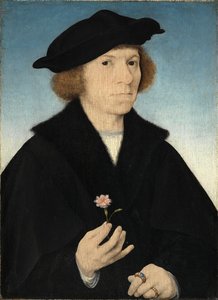
ヨース・ファン・クレーフェ
1485 - 1540 , ドイツ
基本情報
- Artistic Movement Or Style: ルネサンス・マニエリスム
- Artists Or Movements Influenced By This Artist: イタリア・ルネサンス
- Artists Who Influenced This Artist: ヤン・ヨースト
- Date Of Birth: 1485年頃
- Date Of Death: 1540年
- Full Name: ユース・ファン・クレーヴェ
- Nationality: フランドル
- Notable Artworks:
- 東方三博士の礼拝 - 左翼部分
- 聖家族
- ヘンリー8世の肖像
- Place Of Birth: ドイツ、クレーフェルト
関連記事

Early Netherlandish Masters: 10 Paintings That Revolutionized Art & Decor
Journey into the world of Early Netherlandish painting! Explore 10 masterpieces by Jan van Eyck, Rogier van der Weyden & more. Discover stunning detail, symbolism & Renaissance art for your home decor. Find museum-quality reproductions on ArtsDot.com

レンブラント傑作25選:光と影の巨匠、魂を揺さぶる名画の世界 | ArtsDot
レンブラントの傑作25選。光と影の魔術師が描いた魂を揺さぶる名画の世界へ。美術史に残る自画像、夜警、宗教画…ArtsDotで高品質なアートプリントやインテリアアートをお楽しみください。コレクションはこちら→
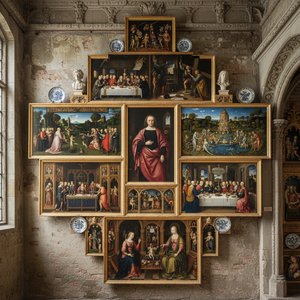
Early Netherlandish Masters: 10 Paintings That Revolutionized Art & Decor
Journey into the Early Netherlandish Renaissance! Explore 10 iconic paintings by Jan van Eyck, Rogier van der Weyden & more. Discover stunning detail, symbolism, and oil painting techniques. Find museum-quality art reproductions for your home at ArtsDot.com.
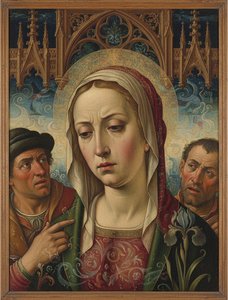
Hugo van der Goes: Devotion, Innovation & the Psychological Depth of Early Netherlandish Painting
Explore the revolutionary art of Hugo van der Goes – a master of Early Netherlandish painting renowned for his dramatic realism, psychological depth & profound influence on Renaissance artists. Discover his iconic works and lasting legacy.
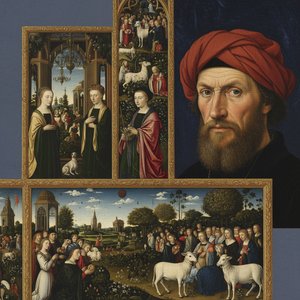
Jan van Eyck: Innovation, Symbolism & the Dawn of Early Netherlandish Painting
Explore the revolutionary art of Jan van Eyck! Discover his groundbreaking oil painting techniques, hidden symbolism, and lasting impact on the Early Netherlandish Renaissance. A deep dive for art enthusiasts.