

 プレビュー
プレビュー
 プリントを購入
 シェアする
シェアする シェアする
シェアする
 詳細を見る
詳細を見る

 ダウンロード
 似ている作品
 X線調査
X線調査 スライドショー
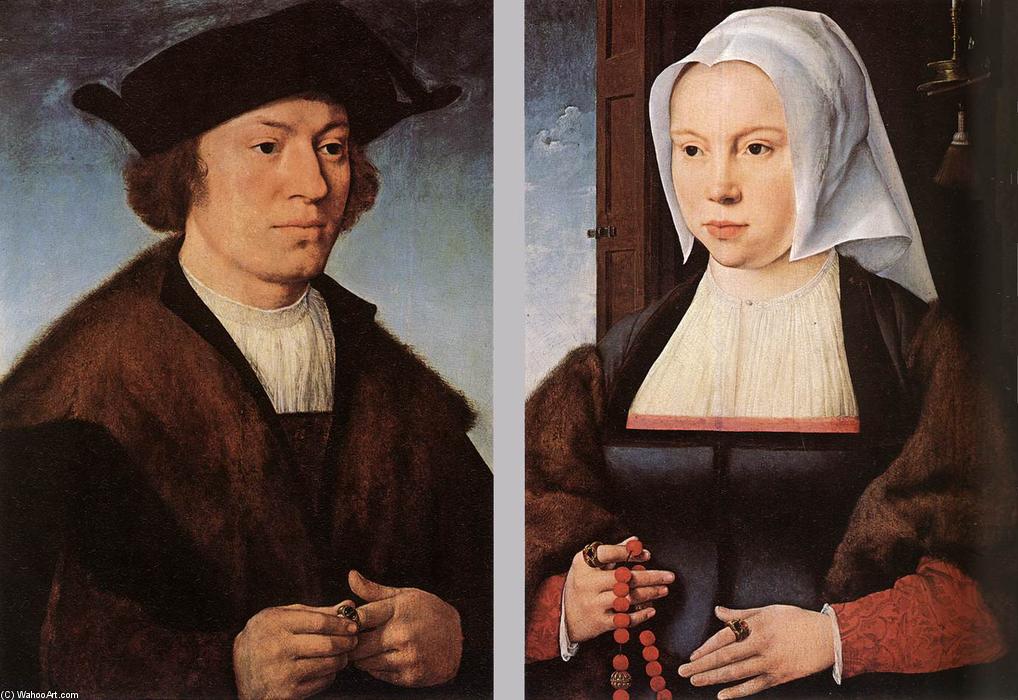
Portrait of a Man and Woman
 Oil
Oil- WallArt
- Northern Renaissance
 1520
1520 57.0 x 42.0 cm
 ウフィツィ美術館
 詳細を見る
詳細を見る
オンラインプレビューをはるかに凌ぐ、高解像度で鮮明なデジタル画像をご購入いただけます。
各ファイルは、社内の専門家が高度なツールと熟練した手作業によるレタッチを用いて、細心の注意を払って準備されています。すべての画像において、卓越した鮮明度、正確な色彩再現性、そして繊細なディテールを保証いたします。
最終ファイルは、プロフェッショナルな編集・印刷環境ですぐにご利用いただけるよう最適化された状態で、72時間以内にメールにてお届けいたします。これは、一流のデザインスタジオ、出版社、ギャラリーから信頼されているものと同等の品質です。
デジタル画像のご注文に付随する特典
高品質なデジタル画像配信を、確かな品質で。
ArtsDot.com を選ぶことは、単に画像を手に入れることではありません。それは、プロの手によって精密に仕上げられ、満足保証が付いた高品質なデジタルアートワークを受け取ることを意味します。ご注文いただいた際に自動的に付随する内容は、以下の通りです:

メールですぐにお届け
ご注文から72時間以内に、高解像度のデジタル画像ファイルがメールでお手元に届きます。すぐにそのままご利用いただけます。

AI技術で最適化されたデジタルファイル
お客様の作品は、高度なAIツールと専門家による手作業の編集を組み合わせてプロフェッショナルに最適化されており、細部のディテール、鮮明さ、そして正確な色再現性を最大限に引き出しています。

一生涯無料の再送サービス
ファイルを誤って削除したり、紛失してしまったりしましたか?ご安心ください。いつでも無料で再送いたします。

輸入手数料は一切かかりません
関税や手数料、配送料を気にすることなく、お気に入りのアートワークをすぐにお楽しみいただけます。デジタルダウンロードは常に免税です。

色彩再現の保証
プロ仕様のツールとカラーマネジメント技術を用いることで、デジタル画像が元の色を最大限に忠実に再現することを保証いたします。

60日間満足保証
ご購入いただいたデジタル画像にご満足いただけない場合は、60日以内であれば、修正または100%の返金(理由を問う必要はありません)をさせていただきます。

100% 返金保証
ご満足いただけない場合は、デジタルファイルを受け取ってから60日以内であれば、理由を問わず全額返金いたします。

まとめ買い割引
3枚購入で10%OFF - 5枚購入で15%OFF - 10枚以上購入で20%OFF。クリエイティブなプロジェクト、ギャラリー、エージェンシーに最適です。
The Enigmatic Embrace: Portrait of a Man and Woman by Joos van Cleve
Joos van Cleve’s “Portrait of a Man and Woman,” painted circa 1520, is not merely a depiction of two individuals; it's a carefully constructed tableau brimming with Renaissance ideals, subtle symbolism, and the quiet dignity of Northern European art. Housed within the hallowed halls of the Galleria degli Uffizi in Florence, this oil painting offers a captivating glimpse into the social and spiritual landscape of 16th-century Europe, inviting viewers to contemplate themes of devotion, status, and the delicate balance between earthly and divine realms.
The painting’s genesis lies within the flourishing artistic environment of Antwerp, a vibrant hub for trade and culture during the early Renaissance. Van Cleve, a master craftsman deeply influenced by both Italian humanism and the established traditions of his homeland, skillfully blended these diverse currents into a distinctly personal style. His meticulous attention to detail—evident in the richly textured fabrics, the subtle play of light on skin, and the intricate rendering of accessories—demonstrates a profound understanding of anatomy and perspective, hallmarks of the Northern Renaissance tradition. The composition itself is remarkably balanced, drawing the eye across the canvas with an almost hypnotic grace.
A Study in Detail: Technique and Materials
Van Cleve’s technique reveals a remarkable command of oil paint—a relatively new medium at the time that allowed for unprecedented levels of realism and luminosity. He employed layering techniques, building up color gradually to achieve depth and richness. Note the delicate gradations of tone in the man's coat, the subtle sheen on the woman’s dress, and the way light catches the folds of fabric. The artist’s use of chiaroscuro—the dramatic contrast between light and shadow—creates a sense of volume and three-dimensionality, imbuing the figures with a palpable presence. The canvas itself, likely prepared with gesso, provided an ideal surface for capturing these nuanced details.
Furthermore, the painting’s dimensions – 57 x 42 cm – suggest it was intended as a private commission, perhaps for a wealthy merchant family or a discerning nobleman. The choice of materials—fine linen canvas and pigments derived from minerals and plants—reflects the status of the patrons and the artist himself.
Symbolism and Interpretation: Rosary Beads and Beyond
The presence of rosary beads held by both figures is arguably the most striking element of the painting, immediately drawing the viewer’s attention. These simple objects are laden with symbolic weight, representing not only religious devotion but also virtues such as patience, prayer, and humility. Their inclusion speaks to the pervasive influence of Christianity in Renaissance society and underscores the importance of faith in daily life. The man's attire—a black hat adorned with a feather, a brown coat, and a white shirt—suggests a position of authority or social standing, while the woman’s headdress and blue dress hint at her status as a lady of quality.
The background, featuring a window on the left side, subtly evokes an indoor setting – perhaps a chamber within a grand house. This detail reinforces the idea that the portrait is intended to capture not just the physical likeness of the subjects but also their social and familial context. The overall impression is one of quiet dignity and restrained elegance, reflecting the values prized by the Renaissance elite.
A Legacy in Reproduction: Bringing Van Cleve’s Vision to Life
Today, high-quality reproductions of “Portrait of a Man and Woman” are available through ArtsDot.com, offering art lovers the opportunity to own a piece of this remarkable work of Northern Renaissance art. These meticulously crafted oil paintings capture the essence of Van Cleve’s original masterpiece, faithfully reproducing its intricate details and evocative atmosphere. Whether displayed in a private residence or a corporate setting, these reproductions serve as a timeless reminder of the beauty, artistry, and enduring legacy of Joos van Cleve.
関連作品
作家の略歴
アントウェルペンの巨匠:ヨース・ファン・クレーヴの生涯と遺産
16世紀、商業の活気に満ちたアントウェルペンの中心部において、ヨース・ファン・クレーヴの筆によって、視覚的な物語を紡ぐ新たな時代が幕を開けようとしていました。ドイツのクレーフェルトに1485年頃に生まれたこのフランドル・ルネサンスの巨匠は、単なる熟練した画家としてだけでなく、二つの世界を繋ぐ先見的な架け橋としてその姿を現しました。1511年頃から1540年の没年に至るまで全盛期を迎えた彼のキャリアは、ネーデルラントの巨匠たちが築き上げた緻密で細やかな伝統と、イタリア・ルネサンスから流れ込んできた壮大で情緒的な革新が交差した、美術史における深遠な瞬間を象徴しています。ファン・クレーヴの作品を仰ぎ見ることは、北欧ヨーロッパの触知的な現実感と、南方の理想化された優美さが織りなす繊細な舞踏を目撃することに他なりません。
彼の天才性の礎は、ヤン・ヨーストの指導の下での形成期に築かれました。この厳格な徒弟修行は、彼に単なる技術的な習熟をもたらしただけではありませんでした。それは彼を、後期ゴシック美術の記念碑的な伝統へと没入させたのです。初期の最も重要な経験の一つとして、カルカーのニコライ教会の主祭壇制作においてヨーストを補助したことが挙げられます。このプロジェクトは、壮大なスケールと精神的な重厚さへの深い理解を要求するものでした。この仕事を通じて、ファン・クレーヴは顔料調合の複雑な錬金術や、丹念なグレーズ(透明層)の重ね技法を習得しました。これらの技法こそが、後に彼の肖像画に生命感あふれる輝きを与え、宗教画に肌で感じられるような神聖さを吹き込むことを可能にしたのです。
北方の細密描写とイタリアの優美さの融合
ヨース・ファン・クレーヴを同時代の画家たちから真に際立たせていたのは、その絶え間ない実験的精神でした。当時の多くの芸術家が地元のギルドによる厳格な様式的教条に縛られていた一方で、ファン・クレーヴは常に地平線の先を見つめていました。彼はフランドル・マニエリスムの先駆者となり、そのスタイルは色彩に対する並外れた感性と、構図内における人物群の驚くべき一体感によって特徴づけられました。おそらく北欧ルネサンスへの最も永続的な貢献は、風景画における革命的な手法でしょう。彼は静止した、あるいは象徴的な背景を用いるのではなく、広大で情緒豊かな遠景を導入することで、主題に生命を吹き込み、人物と自然界との間に奥行きと連続性を生み出したのです。
この様式の進化は、イタリアで勃興していた潮流から深い影響を受けていました。イタリア風の遠近法の要素を取り入れ、解剖学に対してより流動的でリズム感のあるアプローチを採用することで、彼は伝統的なフランドル肖像画を、より心理的に複雑なものへと変貌させました。彼の描く人物は、もはや単なる地位の象徴ではありませんでした。彼らは内面的な生命を宿し、鑑賞者を静かな対話へと誘う感情的な響きを備えていたのです。繊細な表情や優美な手の動きを通じて、深い人間的情動を伝えるこの能力は、今なお彼の最も称賛される功績の一つとして語り継がれています。
歴史的意義と芸術的勝利
ヨース・ファン・クレーヴの遺産は、アントウェルペンの黄金時代の構造そのものに刻み込まれています。街の芸術コミュニティにおける中心的人物として、彼の工房は革新の灯台となり、後世の画家たちに多大な影響を与えました。以下の要素を融合させた彼の能力こそが、ヨーロッパ美術史における不朽の影響力を確かなものにしたのです。
- 技術的習熟:比類なき質感と光を実現するために、ネーデルラントのグレーズ技法を完璧に使いこなしたこと。
- 構図の革新:広大なパノラマ風景を統合することで、宗教画や世俗画の物語的範囲を拡大させたこと。
- 心理的な深み:純粋に象徴的な表現から、より人間主義的で感情豊かな人物描写へと転換させたこと。
- 文化的融合:北欧ヨーロッパの精密さと、イタリア・ルネサンスの優美さと躍動感を見事に結びつけたこと。
彼の生涯は1540年に幕を閉じましたが、その芸術の残響は今もなお鳴り響いています。ヨース・ファン・クレーヴは単に時代の流行に従ったのではありません。彼は自ら流行を定義する一翼を担い、芸術的融合が持つ変革の力を証明する作品群を後世に残したのです。彼の絵画は、中世の世界が近代の光の中へと溶け込み始めた、あの巨大な文化的転換期を覗き見るための、永遠に色あせることのない窓であり続けています。
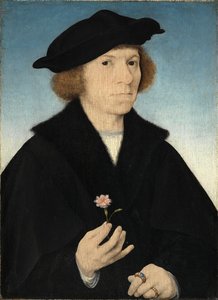
ヨース・ファン・クレーフェ
1485 - 1540 , ドイツ
プロフィール概要
- Artistic Movement Or Style: ルネサンス・マニエリスム
- Artists Or Movements Influenced By This Artist: イタリア・ルネサンス
- Artists Who Influenced This Artist: ヤン・ヨースト
- Date Of Birth: 1485年頃
- Date Of Death: 1540年
- Full Name: ユース・ファン・クレーヴェ
- Nationality: フランドル
- Notable Artworks:
- 東方三博士の礼拝 - 左翼部分
- 聖家族
- ヘンリー8世の肖像
- Place Of Birth: ドイツ、クレーフェルト

