 プレビュー
プレビュー
 シェアする
シェアする シェアする
シェアする
 詳細を見る
詳細を見る

 ダウンロード
 似ている作品
 X線調査
X線調査 スライドショー
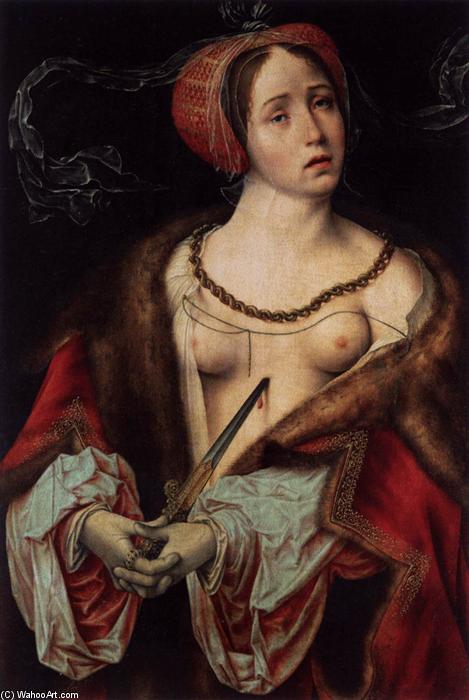
The Suicide of Lucretia


 詳細を見る
詳細を見る
ジークレー/アートプリント
迅速な制作と多彩な仕上げオプションを備えた、ミュージアムクオリティのジークレーまたはキャンバスプリント。 ( 手描きの絵画を購入 画像を購入)




P118B $10

P118H $10

P118W $10

P438Z $10

P508JH $12

P508YH $12

P805H $10

P805Z $10

P919BZ $10

P919G $10

P919XJ $10

P959ZH $10

P968JZ $12

W106C $8

W218G $10

W218JH $8

W218Y $10

W307PJ $10

W316G $10

W316PJ $8

W316Y $10

W398PJ $8

W4111J $10

W500HY $15

W500JH $15

W692G $12

W849H $8

W940BG $15

W953PJ $8




作品のオリジナル比率に合わせた、当店の規定サイズからお選びください。

特定のフレームやスペースに合わせて、ご自身でサイズを指定することも可能です。選択されたサイズが元の画像の比率と一致しない場合、作品をトリミングするか、鏡面反射または単色での塗りつぶしによって画像を拡張いたします。制作を開始する前に、ご確認用のデジタルモックアップをお送りいたします。
画面上のプレビューには、実際のトリミングや拡張は反映されませんのでご注意ください。最終的な構図を正確に確認できるのは、モックアップのみとなります。
カスタムサイズも承っておりますが、元の比率を維持するためには、あらかじめ用意されたリストからサイズを選択することをお勧めいたします。


 ガラスオプションは、110cm未満のサイズでのみご利用いただけます。

The Suicide of Lucretia
ジークレー/アートプリント
複製画のサイズ
-


合計金額
$ 62
作品詳細説明
A Moment Frozen in Time: The Tragedy of Lucretia
Joos van Cleve’s “The Suicide of Lucretia,” painted around 1520, isn't merely a depiction of a historical event; it’s a visceral plunge into the heart of Roman tragedy. This arresting image, housed within the Kunsthistorisches Museum in Vienna, transcends its subject matter to become a profound meditation on shame, violence, and the enduring power of female defiance. The painting captures Lucretia, wife of Lucius Tarquinius Collatinus, at the precise moment she chooses death over dishonor after being brutally violated by her own cousin, Sextus Tarquinius. Van Cleve masterfully compresses this pivotal scene into a tightly framed composition, forcing the viewer to confront the raw emotion and devastating consequences of this act.
The painting’s immediate impact stems from its stark realism and dramatic lighting. The limited palette—primarily deep reds, blacks, and browns—creates an atmosphere of oppressive gloom, mirroring Lucretia's internal turmoil. Van Cleve employs a meticulous attention to detail, evident in the richly textured fabrics of her gown and the subtle modeling of her face – a face etched with anguish and resolve. The dagger, poised mid-strike, is rendered with unsettling precision, emphasizing the finality of her decision. It’s not a romanticized depiction of heroism; rather, it's a brutally honest portrayal of a woman driven to desperate measures.
Renaissance Roots: Contextualizing a Roman Legend
To understand “The Suicide of Lucretia,” one must first grasp the historical context surrounding its creation. The story itself is rooted in Roman mythology, recounted by Livy and Dionysius of Halicarnassus centuries after the events transpired. It served as a potent allegory for the overthrow of the Roman monarchy under Tarquin Superbus, demonstrating how a single act of injustice could ignite a revolution. Van Cleve, working within the artistic conventions of the Northern Renaissance, skillfully blended this classical narrative with the prevailing trends of his time – a synthesis that reflects the era’s fascination with both ancient history and emerging humanist ideals.
The painting's creation coincided with a period of intense political and social upheaval in Europe. The rise of powerful city-states like Florence and Venice, coupled with renewed interest in classical antiquity, fueled a desire to emulate the virtues and values of the Roman Republic. Lucretia’s act of defiance resonated deeply within this context, symbolizing resistance against tyranny and upholding principles of justice and honor. It's important to note that the story itself is debated; some historians suggest it was fabricated to justify the overthrow of the monarchy.
Symbolism and Emotional Resonance: A Study in Human Suffering
Beyond its historical significance, “The Suicide of Lucretia” is rich with symbolic meaning. The red of her gown—a color traditionally associated with passion, violence, and sacrifice—underscores the tragedy of her situation. Her posture, rigid yet vulnerable, conveys a profound sense of despair and determination. The dagger itself represents not just death but also the severing of ties to a life marred by shame and dishonor. Notably, Lucretia’s gaze is directed upwards, seemingly pleading for divine intervention or perhaps seeking solace in an imagined afterlife.
The painting's emotional impact is undeniably powerful. It doesn’t offer easy answers or sentimental resolutions; instead, it confronts the viewer with the uncomfortable realities of violence, betrayal, and the devastating consequences of injustice. Van Cleve’s masterful use of light and shadow, combined with his meticulous attention to detail, creates a scene that lingers in the memory long after viewing. It's a testament to the artist's ability to capture not just a historical event but also the profound human suffering at its core.
A Masterpiece of Dramatic Intensity
“The Suicide of Lucretia” remains a compelling and unsettling work of art, offering a poignant glimpse into the heart of Roman history and the enduring complexities of human emotion. Joos van Cleve’s skillful execution—his mastery of realism, his dramatic use of light and shadow, and his ability to convey profound psychological depth—solidify this painting's place as a significant achievement within the Northern Renaissance tradition. Reproductions capture only part of the original impact; experiencing it in person is an unforgettable encounter with a moment frozen in time.
関連作品
アーティストの略歴
アントウェルペンの巨匠:ヨース・ファン・クレーヴの生涯と遺産
16世紀、商業の活気に満ちたアントウェルペンの中心部において、ヨース・ファン・クレーヴの筆によって、視覚的な物語を紡ぐ新たな時代が幕を開けようとしていました。ドイツのクレーフェルトに1485年頃に生まれたこのフランドル・ルネサンスの巨匠は、単なる熟練した画家としてだけでなく、二つの世界を繋ぐ先見的な架け橋としてその姿を現しました。1511年頃から1540年の没年に至るまで全盛期を迎えた彼のキャリアは、ネーデルラントの巨匠たちが築き上げた緻密で細やかな伝統と、イタリア・ルネサンスから流れ込んできた壮大で情緒的な革新が交差した、美術史における深遠な瞬間を象徴しています。ファン・クレーヴの作品を仰ぎ見ることは、北欧ヨーロッパの触知的な現実感と、南方の理想化された優美さが織りなす繊細な舞踏を目撃することに他なりません。
彼の天才性の礎は、ヤン・ヨーストの指導の下での形成期に築かれました。この厳格な徒弟修行は、彼に単なる技術的な習熟をもたらしただけではありませんでした。それは彼を、後期ゴシック美術の記念碑的な伝統へと没入させたのです。初期の最も重要な経験の一つとして、カルカーのニコライ教会の主祭壇制作においてヨーストを補助したことが挙げられます。このプロジェクトは、壮大なスケールと精神的な重厚さへの深い理解を要求するものでした。この仕事を通じて、ファン・クレーヴは顔料調合の複雑な錬金術や、丹念なグレーズ(透明層)の重ね技法を習得しました。これらの技法こそが、後に彼の肖像画に生命感あふれる輝きを与え、宗教画に肌で感じられるような神聖さを吹き込むことを可能にしたのです。
北方の細密描写とイタリアの優美さの融合
ヨース・ファン・クレーヴを同時代の画家たちから真に際立たせていたのは、その絶え間ない実験的精神でした。当時の多くの芸術家が地元のギルドによる厳格な様式的教条に縛られていた一方で、ファン・クレーヴは常に地平線の先を見つめていました。彼はフランドル・マニエリスムの先駆者となり、そのスタイルは色彩に対する並外れた感性と、構図内における人物群の驚くべき一体感によって特徴づけられました。おそらく北欧ルネサンスへの最も永続的な貢献は、風景画における革命的な手法でしょう。彼は静止した、あるいは象徴的な背景を用いるのではなく、広大で情緒豊かな遠景を導入することで、主題に生命を吹き込み、人物と自然界との間に奥行きと連続性を生み出したのです。
この様式の進化は、イタリアで勃興していた潮流から深い影響を受けていました。イタリア風の遠近法の要素を取り入れ、解剖学に対してより流動的でリズム感のあるアプローチを採用することで、彼は伝統的なフランドル肖像画を、より心理的に複雑なものへと変貌させました。彼の描く人物は、もはや単なる地位の象徴ではありませんでした。彼らは内面的な生命を宿し、鑑賞者を静かな対話へと誘う感情的な響きを備えていたのです。繊細な表情や優美な手の動きを通じて、深い人間的情動を伝えるこの能力は、今なお彼の最も称賛される功績の一つとして語り継がれています。
歴史的意義と芸術的勝利
ヨース・ファン・クレーヴの遺産は、アントウェルペンの黄金時代の構造そのものに刻み込まれています。街の芸術コミュニティにおける中心的人物として、彼の工房は革新の灯台となり、後世の画家たちに多大な影響を与えました。以下の要素を融合させた彼の能力こそが、ヨーロッパ美術史における不朽の影響力を確かなものにしたのです。
- 技術的習熟:比類なき質感と光を実現するために、ネーデルラントのグレーズ技法を完璧に使いこなしたこと。
- 構図の革新:広大なパノラマ風景を統合することで、宗教画や世俗画の物語的範囲を拡大させたこと。
- 心理的な深み:純粋に象徴的な表現から、より人間主義的で感情豊かな人物描写へと転換させたこと。
- 文化的融合:北欧ヨーロッパの精密さと、イタリア・ルネサンスの優美さと躍動感を見事に結びつけたこと。
彼の生涯は1540年に幕を閉じましたが、その芸術の残響は今もなお鳴り響いています。ヨース・ファン・クレーヴは単に時代の流行に従ったのではありません。彼は自ら流行を定義する一翼を担い、芸術的融合が持つ変革の力を証明する作品群を後世に残したのです。彼の絵画は、中世の世界が近代の光の中へと溶け込み始めた、あの巨大な文化的転換期を覗き見るための、永遠に色あせることのない窓であり続けています。
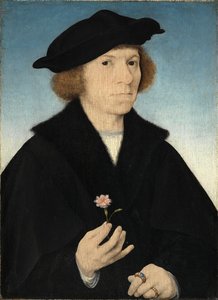
ヨース・ファン・クレーフェ
1485 - 1540 , ドイツ
基本情報
- Artistic Movement Or Style: ルネサンス・マニエリスム
- Artists Or Movements Influenced By This Artist: イタリア・ルネサンス
- Artists Who Influenced This Artist: ヤン・ヨースト
- Date Of Birth: 1485年頃
- Date Of Death: 1540年
- Full Name: ユース・ファン・クレーヴェ
- Nationality: フランドル
- Notable Artworks:
- 東方三博士の礼拝 - 左翼部分
- 聖家族
- ヘンリー8世の肖像
- Place Of Birth: ドイツ、クレーフェルト
関連記事
Albrecht Dürer's Masterpieces: 25 Iconic Artworks for Your Home | ArtsDot
Explore 25 iconic artworks by Albrecht Dürer, a master of the German Renaissance. Discover the stories behind Melencolia I, Knight Death and Devil & more. Find museum-quality art reproductions for your home at ArtsDot.com.
大英博物館の至宝25選:歴史と芸術が織りなす感動の旅 | ArtsDot
大英博物館の至宝25選:歴史を彩る絵画、彫刻の世界へ。印象派から古代美術まで、名作の背景と芸術家の情熱に迫ります。ArtsDotで高品質なアート複製やインテリアをお楽しみください。オンラインで全コレクションをご覧ください。
Albrecht Dürer: A Renaissance Master's Legacy of Innovation and Self-Portraiture
Explore the life & art of Albrecht Dürer, a pivotal German Renaissance master. Discover his groundbreaking printmaking techniques, iconic self-portraits, and lasting influence on Western art history. A deep dive into innovation & symbolism.
Engraving's Golden Age: 10 Masterpieces That Redefined Art | ArtsDot
Journey through art history with our Top 10 Legendary Engravings! Explore masterpieces by Dürer, Rembrandt & Goya. Discover the stories behind these iconic prints and find museum-quality reproductions for your home at ArtsDot.com.
北方ルネサンスを彩る至宝:10の傑作が語る芸術と革新の世界
北方ルネサンスの10大傑作を紐解き、芸術の革新と美しさを再発見。ヤン・ファン・エイクからデューラーまで、巨匠たちの物語と技法を深く探求。高品質な複製絵画で、お部屋にアートの息吹を。ArtsDot.comで至宝の世界をお楽しみください!