

 プレビュー
プレビュー
 シェアする
シェアする シェアする
シェアする
 詳細を見る
詳細を見る

 ダウンロード
 似ている作品
 X線調査
X線調査 スライドショー
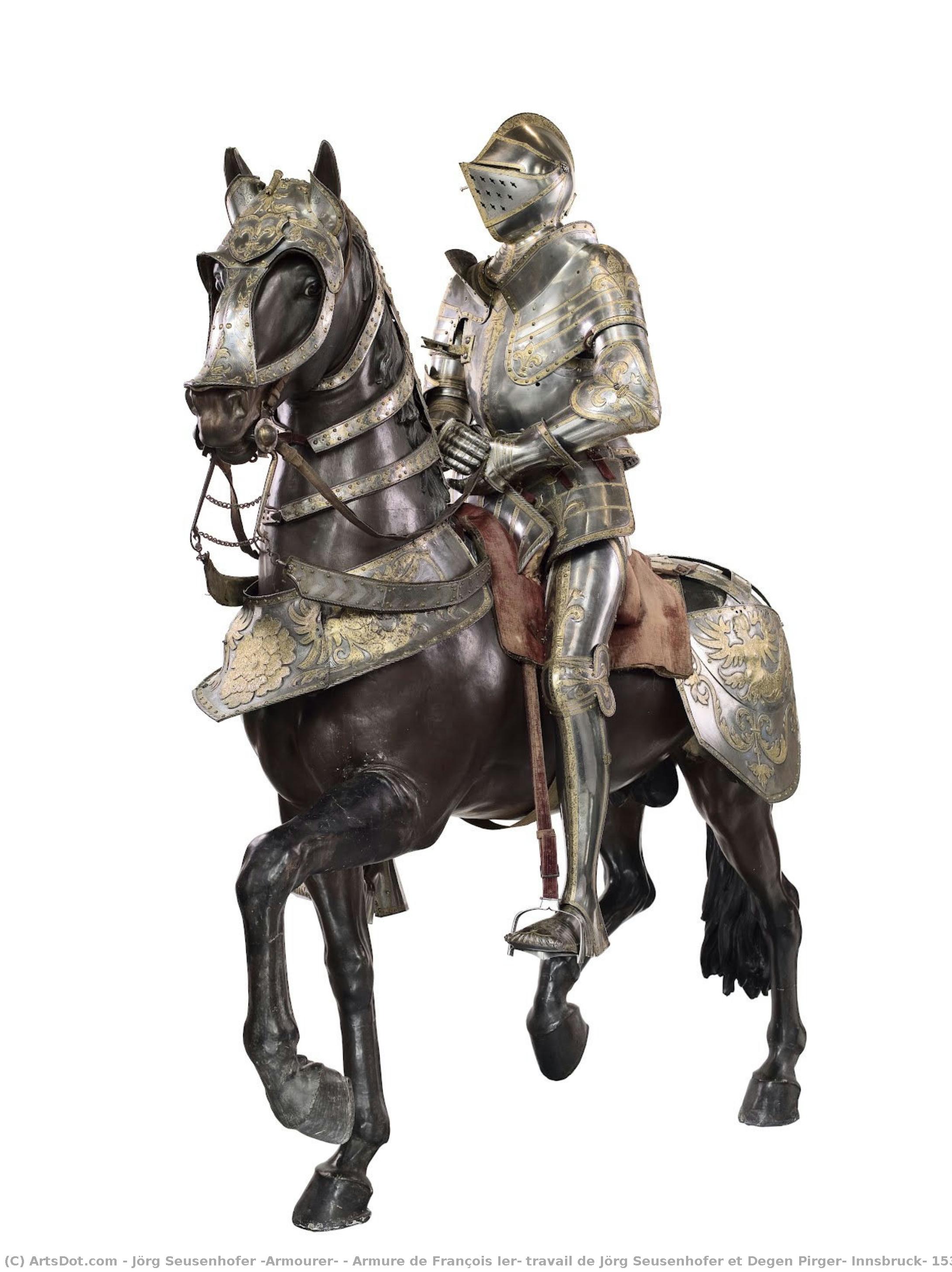
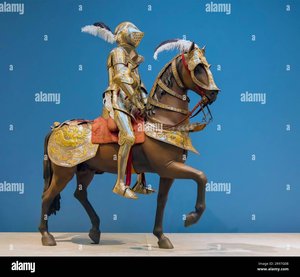
Armure de François Ier, travail de Jörg Seusenhofer et Degen Pirger, Innsbruck, 1539-1540\n\nVue de trois-quarts


 詳細を見る
詳細を見る
ジークレー/アートプリント
迅速な制作と多彩な仕上げオプションを備えた、ミュージアムクオリティのジークレーまたはキャンバスプリント。 ( 手描きの絵画を購入 画像を購入)




P118B $10

P118H $10

P118W $10

P438Z $10

P508JH $12

P508YH $12

P805H $10

P805Z $10

P919BZ $10

P919G $10

P919XJ $10

P959ZH $10

P968JZ $12

W106C $8

W218G $10

W218JH $8

W218Y $10

W307PJ $10

W316G $10

W316PJ $8

W316Y $10

W398PJ $8

W4111J $10

W500HY $15

W500JH $15

W692G $12

W849H $8

W940BG $15

W953PJ $8




作品のオリジナル比率に合わせた、当店の規定サイズからお選びください。

特定のフレームやスペースに合わせて、ご自身でサイズを指定することも可能です。選択されたサイズが元の画像の比率と一致しない場合、作品をトリミングするか、鏡面反射または単色での塗りつぶしによって画像を拡張いたします。制作を開始する前に、ご確認用のデジタルモックアップをお送りいたします。
画面上のプレビューには、実際のトリミングや拡張は反映されませんのでご注意ください。最終的な構図を正確に確認できるのは、モックアップのみとなります。
カスタムサイズも承っておりますが、元の比率を維持するためには、あらかじめ用意されたリストからサイズを選択することをお勧めいたします。


 ガラスオプションは、110cm未満のサイズでのみご利用いただけます。

Armure de François Ier, travail de Jörg Seusenhofer et Degen Pirger, Innsbruck, 1539-1540\n\nVue de trois-quarts
ジークレー/アートプリント
複製画のサイズ
-


合計金額
$ 62
A Vision of Paradise Lost: Exploring Jörg Seusenhofer’s Masterpiece – ‘Armure de François Ier’
The artwork “Armure de François Ier, travail de Jörg Seusenhofer et Degen Pirger, Innsbruck, 1539-1540,” a breathtaking depiction of King Francis I’s armor mounted on horseback, stands as a testament to the artistic fervor of the Renaissance in Austria. Created by Jörg Seusenhofer and Degen Pirger in Innsbruck during the reign of Maximilian I—a pivotal figure in shaping Habsburg dominance—this monumental painting transcends mere representation; it embodies an unsettling contemplation of earthly desires juxtaposed with spiritual apprehension.
- Subject Matter: At its core, the piece portrays a knight – François Ier himself – seated upon a magnificent steed. The meticulous detail extends beyond the noble figure to encompass the horse’s musculature and opulent trappings, reflecting the grandeur of imperial patronage and military prowess.
- Style & Technique: Seusenhofer's masterful execution demonstrates a profound understanding of Flemish artistic conventions. Employing oil paint on canvas—a technique favored during this period—he achieved an astonishing level of realism through layering pigments to capture subtle textures and luminous effects. The artist’s meticulous attention to detail is evident in every facet of the composition, from the polished sheen of the armor plates to the delicate rendering of horsehair.
- Color Palette: Dominating the visual landscape are shades of silver, gold, and dark grey—the colors inherent in royal armor—creating a striking contrast against the muted tones of the background. Strategic use of red and brown accents within the saddle blanket and reins adds warmth and dynamism to the scene.
- Composition & Perspective: The three-quarter view framing the knight offers an immersive experience for the viewer, allowing for comprehensive observation of both subject and environment. Strong vertical lines emphasize stability and regal bearing, while curving lines imbue movement into the horse’s posture.
Symbolism Beyond Glory: Decoding the Imagery
More than just a portrait of power, “Armure de François Ier” operates on multiple symbolic levels. The armor itself represents protection—both physical and spiritual—a cornerstone of medieval heraldry and Christian iconography. Simultaneously, it embodies ambition and prestige, reflecting the aspirations of the Habsburg dynasty to solidify its dominion over Europe. The horse symbolizes loyalty, speed, and nobility – qualities deemed essential for a ruler commanding armies.
- Religious Undertones: Scholars interpret subtle visual cues—such as the stylized depiction of saints’ emblems—as hinting at an underlying preoccupation with moral judgment and divine retribution.
- Medieval Influence: The artwork draws heavily upon traditions rooted in medieval art, particularly depictions of chivalry and religious allegory.
A Window into Innsbruck's Artistic Renaissance
“Armure de François Ier” stands as a remarkable achievement within the context of Innsbruck’s artistic renaissance—a period marked by fervent patronage from Maximilian I and an outpouring of creativity across various disciplines. Seusenhofer’s work exemplifies the humanist ideals that characterized this era, prioritizing observation and anatomical accuracy alongside expressive emotion. Its enduring appeal lies in its ability to convey not only visual splendor but also profound philosophical contemplation.
- Historical Significance: The painting serves as a tangible reminder of Habsburg imperial ambition during the 16th century—a time of intense political maneuvering and artistic innovation.
- Interior Design Inspiration: Its rich textures, luminous colors, and commanding composition offer invaluable inspiration for contemporary interior designers seeking to evoke grandeur and sophistication.
関連作品

アーティストの略歴
ヒエロニムス・ボスの軌跡:闇と歓喜の先見者
1450年頃、ブラバント公国(現在のオランダの一部)に位置する活気あふれる街、ス=ヘルトーヘンボースに生まれたヒエロニムス・ボスは、西洋美術史において最も謎めいた、そして深遠な影響力を持つ人物の一人であり続けています。彼の生涯は神秘のベールに包まれており、その意図的な不透明さこそが、彼の類まれなる作品群を取り巻く魅力をより一層引き立てています。幼少期については、彼が芸術家の一族に生まれたこと以外、確かなことはほとんど分かっていません。父アントニウス・ファン・アケンは画家であり、叔父たちもまたその道を進んでいました。この血統は、彼に技法の基礎的な理解をもたらしたことは疑いようもありませんが、ボスは単なる模倣を超え、独自の、見る者を不安にさせるような強烈なパーソナル・スタイルを築き上げたのです。
ボスの名前自体も、どこか複雑な背景を持っています。当初は「アーヘン出身」を意味するイエロン・ファン・アケンとして知られていましたが、後に自身の出生地にちなんで「ボス」という偽名を採用しました。この選択には、匿名性を求める願いや、あるいは地域的なアイデンティティの控えめな主張が反映されていたのかもしれませんが、この名は彼の芸術的遺産と分かちがたく結びつくこととなりました。1480年頃、彼はアレイト・ゴヤールツ・ファン・デン・メールフェーンと結婚し、彼女の一族が相当な富を誇っていたオイアシュトに定住しました。この婚姻は彼に安定をもたらし、その後のますます野心的なプロジェクトを支えるための資源への道を開いたのです。
目に見えぬものの芸術
ボスの芸術的遺産は驚くほど小規模です。彼の筆によるものと断定できる絵画は約25点、素描もわずか6点ほどしか残されていません。この作品数の少なさと伝記的事実の欠如が、彼の人生や動機に関する数世紀にわたる憶測と論争を煽ってきました。彼の作品は主に大規模な三連祭壇画(翼状祭壇画)で構成されていますが、単独のパネル画や小品も制作しています。これらの作品の特徴は、写実主義と空想的なイメージの驚くべき融合にあります。奇妙な生物、グロテスクな人物、そして地上の悦楽と永遠の地獄を同時に描き出しているかのような、不穏な情景が画面を埋め尽くしています。
ボスのスタイルは、一目でそれと判別できるほど独特です。彼はオーク材に油彩を用いる緻密な技法を用い、驚くほど細部まで描き込まれた表面を作り上げました。しかし、彼の作品を定義づけるのは技術的な巧みさだけではありません。むしろ、複雑な道徳的・宗教的概念を伝えるために彼が編み出した「図像学(イコノグラフィー)」の圧倒的な独創性にこそ真髄があります。彼は動物、植物、道具、さらには人体といった日常的な要素を頻繁に取り入れながらも、それらを隠された意味を孕んだ悪夢のような構成へと変貌させたのです。
主要作品:狂気への下降
ボスの最も名高い作品の中には、聖人が悪魔の軍勢との闘いに苦しむ姿を描いた「聖アントニウスの誘惑」(1475-1480年頃)や、おそらく彼の最高傑作とされる「快楽の園」(1503-1515年頃)があります。後者は、広大な多翼構成の作品であり、楽園、地上の悦楽、そして最終的な地獄へと展開していく、鮮やかでありながらも恐ろしいヴィジョンを提示しています。これは複数の解釈が可能な複雑な寓意画ですが、一般的には罪の結果と、世俗的な欲望の儚さを探求したものとされています。
もう一つの重要な作品は、「干し草車」(1503-1506年頃)です。これは放蕩と道徳的退廃の情景を描いた三連祭壇画です。中央のパネルには、さまざまな形の放蕩にふける酔いどれの旅人たちの姿が描かれています。衣服の複雑な模様から顔の表情に至るまで、ボスの細部への執拗なまでのこだわりが、強烈で不安をかき立てる効果を生み出しています。また、「最後の審判」(1490-1506年頃)も重要な作品であり、混沌と破壊に満ちた終末のヴィジョンを提示しています。
影響と遺産
ボスの芸術に対する正確な影響源を特定することは、今なお困難な課題です。彼は間違いなくフランドル絵画の豊かな伝統、特にヤン・ファン・エイクやロヒール・ファン・デル・ウェイデンの作品から学びを得ていましたが、単なる模倣に留まらず、独自の際立ったスタイルへと昇華させました。ある学者は、罪、誘惑、そして破滅を扱う中世の宗教テキストとの関連性を指摘し、またある者は、錬金術的な象徴主義や秘教的な伝統がインスピレーションの源であったと考えています。
後世の芸術家たちに与えたボスの影響は否定しようもありません。彼の不穏なイメージと寓意的なアプローチは、ボスのテーマや技法を多く取り入れたピーテル・ブリューゲル(父)に深い影響を与えました。さらに、恐怖、欲望、罪悪感といった心理状態の探求は、後の美術史における象徴主義や表現主義の台頭を先取りするものでもありました。今日、ヒエロニムス・ボスは、死後数世紀を経た今もなお観る者を魅了し、そして動揺させ続ける先見的な芸術家として崇められています。彼の作品は、人間性の暗い側面と、象徴的表現が持つ不朽の力を、私たちに突きつけ続けているのです。
イェルク・ゾイゼンホーファー
1516 - 1580 , オーストリア
基本情報
- Artistic Movement Or Style: フランドル絵画
- Artists Or Movements Influenced By This Artist: ['ピーテル・ブリューゲル']
- Date Of Birth: 1450年頃
- Date Of Death: 1516年
- Full Name: ヒエロニムス・ファン・アケン
- Nationality: オランダ
- Notable Artworks:
- 快楽の園
- 聖アントニウスの誘惑
- Place Of Birth: ブラバント公国、デン・ボッシュ
関連記事
Jorge José Castillo Casalderrey: A Spanish Abstract Expressionist's Evolving Vision
Explore the captivating world of Jorge José Castillo Casalderrey, a leading Spanish Abstract Expressionist. Discover his unique style, market value & legacy. Expert insights for discerning collectors.
François Flameng: Bridging Academic Tradition & Impressionistic Sensibility
Explore the captivating works of François Flameng, a celebrated French painter bridging academic tradition & Impressionistic sensibilities. Discover his portraits, landscapes, and poignant WWI art with insights from ArtsDot.
François Boucher: Rococo Master of Myth, Sensuality, and the French Court
Explore the captivating world of François Boucher, master of Rococo painting! Discover his iconic works, aristocratic patronage, and lasting influence on French art history. Learn more at ArtsDot.
Jean-François Millet: Realism, Rural Life & the Poetic Depiction of Labor
Explore the life & work of Jean-François Millet, a founder of Realism. Discover his poignant depictions of rural France, iconic paintings like 'The Angelus,' and lasting influence on art history. Learn more at ArtsDot.
Renaissance Visions: Exploring Artistic Innovation & Cultural Shifts in 16th Century Art
Explore the artistic revolution of the 16th-century Renaissance! Discover humanist ideals, groundbreaking techniques & iconic masterpieces by Raphael, Michelangelo & more. A deep dive into art history.

