

 プレビュー
プレビュー
 シェアする
シェアする シェアする
シェアする
 詳細を見る
詳細を見る

 ダウンロード
 似ている作品
 X線調査
X線調査 スライドショー
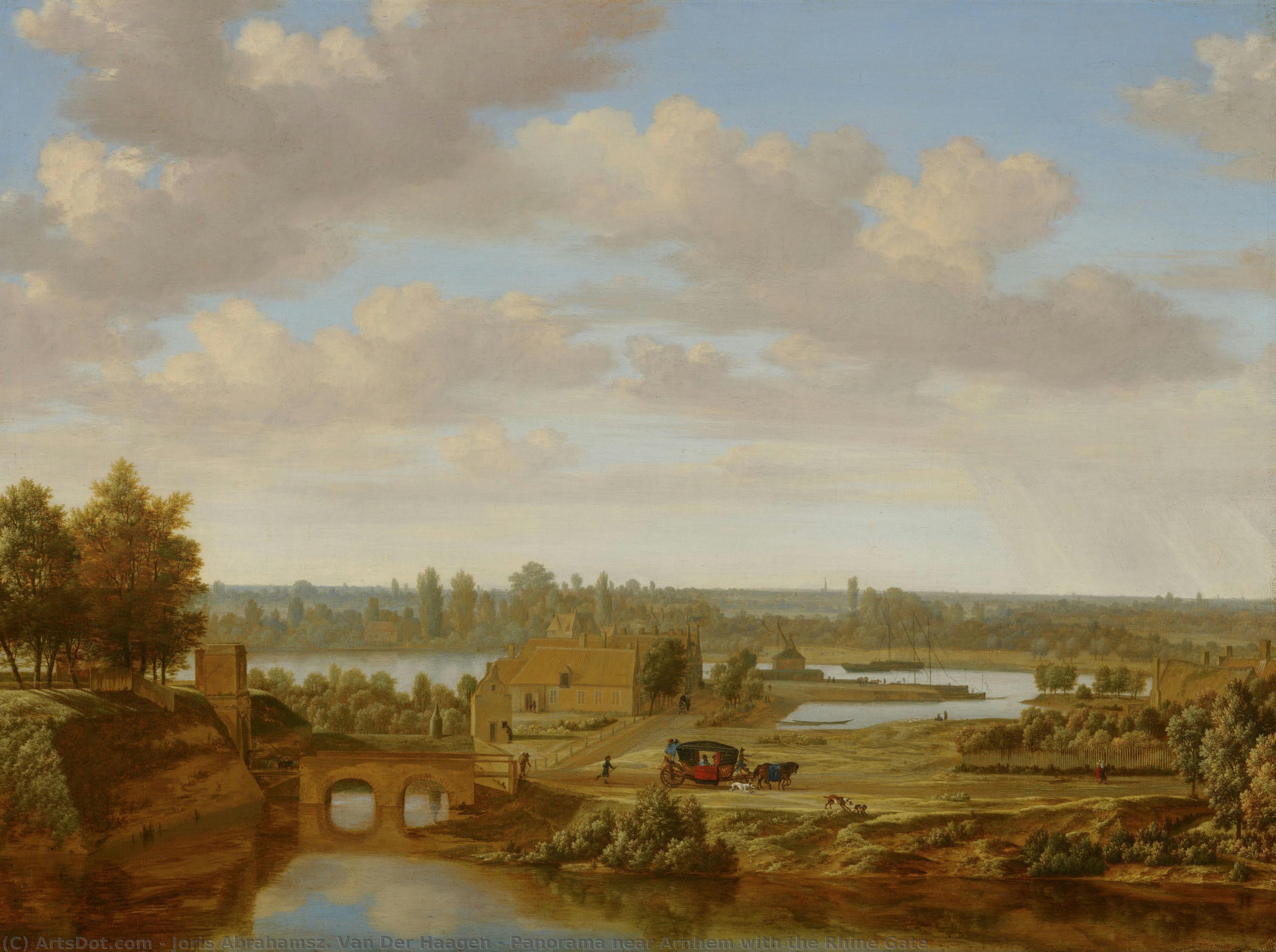
Panorama near Arnhem with the Rhine Gate
 Oil
Oil- WallArt
- Dutch Golden Age
 1649
1649- Early Modern
 66.0 x 88.0 cm
 モウリツハウイス
 詳細を見る
詳細を見る
ジークレー/アートプリント
迅速な制作と多彩な仕上げオプションを備えた、ミュージアムクオリティのジークレーまたはキャンバスプリント。 ( 手描きの絵画を購入 画像を購入)




P118B $10

P118H $10

P118W $10

P438Z $10

P508JH $12

P508YH $12

P805H $10

P805Z $10

P919BZ $10

P919G $10

P919XJ $10

P959ZH $10

P968JZ $12

W106C $8

W218G $10

W218JH $8

W218Y $10

W307PJ $10

W316G $10

W316PJ $8

W316Y $10

W398PJ $8

W4111J $10

W500HY $15

W500JH $15

W692G $12

W849H $8

W940BG $15

W953PJ $8




作品のオリジナル比率に合わせた、当店の規定サイズからお選びください。

特定のフレームやスペースに合わせて、ご自身でサイズを指定することも可能です。選択されたサイズが元の画像の比率と一致しない場合、作品をトリミングするか、鏡面反射または単色での塗りつぶしによって画像を拡張いたします。制作を開始する前に、ご確認用のデジタルモックアップをお送りいたします。
画面上のプレビューには、実際のトリミングや拡張は反映されませんのでご注意ください。最終的な構図を正確に確認できるのは、モックアップのみとなります。
カスタムサイズも承っておりますが、元の比率を維持するためには、あらかじめ用意されたリストからサイズを選択することをお勧めいたします。


 ガラスオプションは、110cm未満のサイズでのみご利用いただけます。

Panorama near Arnhem with the Rhine Gate
ジークレー/アートプリント
複製画のサイズ
-


合計金額
$ 62
関連作品

アーティストの略歴
A Master of Dutch Atmospheric Landscapes: The Life and Art of Joris van der Haagen
Joris Abrahamsz. van der Haagen, a name perhaps less immediately recognizable than some of his Golden Age contemporaries, nevertheless occupies a significant place in the pantheon of 17th-century Dutch landscape painting. Born around 1615 – the precise location debated between Arnhem and Dordrecht – Van der Haagen dedicated his career to capturing the serene beauty of the Netherlands, specializing in views that evoke both tranquility and a subtle sense of drama. His journey began within the familial sphere; archival evidence suggests he initially honed his skills under the tutelage of his father, Abraham van der Haagen, laying the foundation for a life immersed in artistic creation. This early training proved pivotal, instilling not only technical proficiency but also a deep appreciation for the nuances of light and form that would characterize his mature work. The move to The Hague in 1639 marked a turning point, with Van der Haagen formally joining the Guild of St. Luke in 1643 and gaining honorary citizenship a year later – affirmations of his growing reputation within the artistic community.The Hague Years: Guild Affiliation and Collaborative Spirit
Van der Haagen’s integration into The Hague's art scene was far from isolated. His participation in the founding of the Confrerie Pictura in 1656 underscores a commitment to fellowship and shared artistic endeavors. This confraternity, situated on the Princessegracht, served as a hub for painters, fostering exchange and innovation. It’s particularly intriguing that a painting he created depicting the Princessegracht around this time likely captures the building's original state before subsequent renovations—a testament to his observational skill and desire to document his surroundings. However, it was Van der Haagen’s willingness to collaborate with other artists that truly broadened his artistic reach. He frequently partnered with figures like Dirck Wyntrack, Paulus Potter, Ludolf Leendertsz de Jongh, Jan Wijnants, and Nicolaes Berchem, each contributing their unique talents to create richer, more complex compositions. These collaborations weren’t merely practical arrangements; they demonstrate a spirit of mutual respect and a shared pursuit of artistic excellence. While Van der Haagen typically focused on the landscapes themselves, his colleagues often added figures or animals, imbuing the scenes with life and narrative depth.Technique and Style: Capturing Light and Atmosphere
Van der Haagen’s paintings are distinguished by their atmospheric quality and meticulous attention to detail. He possessed a remarkable ability to render subtle shifts in light and shadow, creating a sense of depth and realism that draws the viewer into the scene. His landscapes often feature expansive skies, lush vegetation, and tranquil waterways, evoking a feeling of peaceful contemplation. A curious anecdote from Houbraken reveals his innovative use of blue ash to achieve vibrant greens – a technique unfortunately prone to fading over time, as observed by 1715. Despite this technical challenge, the demand for his work remained high throughout his lifetime, with paintings fetching considerable prices. He wasn’t simply replicating nature; he was interpreting it through a lens of artistic sensibility, emphasizing mood and emotion. His views of cities in eastern Netherlands are particularly noteworthy, offering glimpses into the daily life and architectural character of the region.Legacy and Historical Significance
Joris van der Haagen's contribution to Dutch Golden Age painting lies not in groundbreaking innovation but in his masterful execution of a well-established genre. He refined the landscape tradition, imbuing it with a distinctive atmospheric quality and collaborative spirit. While his paintings may not be as widely represented in major international collections as those of some of his peers, they offer valuable insights into the artistic practices and aesthetic sensibilities of 17th-century Netherlands. His work provides a window into a world where nature was revered, light was celebrated, and collaboration was valued. Though he passed away in The Hague in 1669, buried within its soil, his landscapes continue to resonate with viewers today, offering a timeless glimpse into the serene beauty of the Dutch countryside. His paintings are a testament to the enduring power of observation, skill, and artistic partnership. Van der Haagen’s legacy is one of quiet mastery, a subtle but significant contribution to the rich tapestry of Dutch Golden Age art.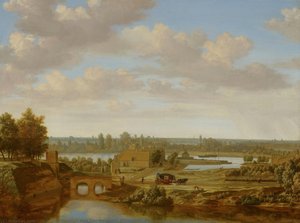
joris abrahamsz. van der haagen
Netherlands
基本情報
- Artistic Movement Or Style: Dutch Golden Age landscape
- Artists Who Influenced This Artist: ['Abraham van der Haagen']
- Date Of Birth: c. 1615
- Date Of Death: May 23, 1669
- Full Name: Joris Abrahamsz. van der Haagen
- Nationality: Dutch
- Notable Artworks: ['Forest Landscape']
- Place Of Birth: Arnhem, Netherlands
関連記事
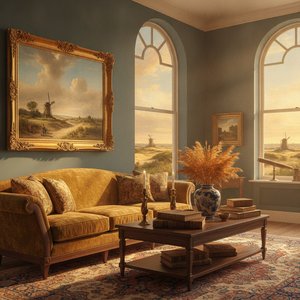
Golden Light & Dutch Skies: Bringing the Magic of Dutch Golden Age Landscapes into Your Home
Transform your home with the breathtaking light of Dutch Golden Age landscapes. Discover how hand-painted oil reproductions of masterworks like Ruisdael and Vermeer bring timeless elegance, atmosphere, and soulful texture to modern interiors. Elevate your space with museum-quality art.

Golden Age Reflections: Dutch Baroque Painting & Cultural Innovation
Explore the Dutch Golden Age of painting! Discover key artists like Vermeer & ter Borch, their innovative techniques, and the rich cultural context behind these Baroque masterpieces. Learn about collecting & appreciating this iconic art period.
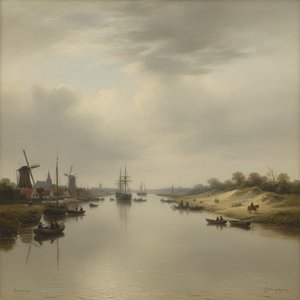
Jan van Goyen: Master of Dutch Landscape & Atmospheric Perspective
Discover Jan van Goyen, the master of Dutch landscape painting. Explore his subtle technique, atmospheric realism & lasting influence on art history. Learn about this 17th-century pioneer at ArtsDot.
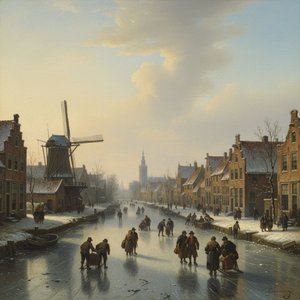
Charles Leickert: Capturing the Dutch Golden Age Light – A Comprehensive Study of Technique, Context, and Legacy
Explore the captivating winter landscapes of Charles Leickert, a master of Dutch Golden Age light & atmosphere. Discover his techniques, symbolism, and lasting legacy – a comprehensive study for art enthusiasts and collectors.

Illuminating Innovation: Exploring the Dutch Golden Age of Painting
Explore the Dutch Golden Age of painting with ArtsDot. Discover Rembrandt, Vermeer & other Masters. Learn about key characteristics, iconic artworks, and lasting influence. Expert insights for collectors & enthusiasts.

