

 プレビュー
プレビュー
 プリントを購入
 シェアする
シェアする シェアする
シェアする
 詳細を見る
詳細を見る

 ダウンロード
 似ている作品
 X線調査
X線調査 スライドショー
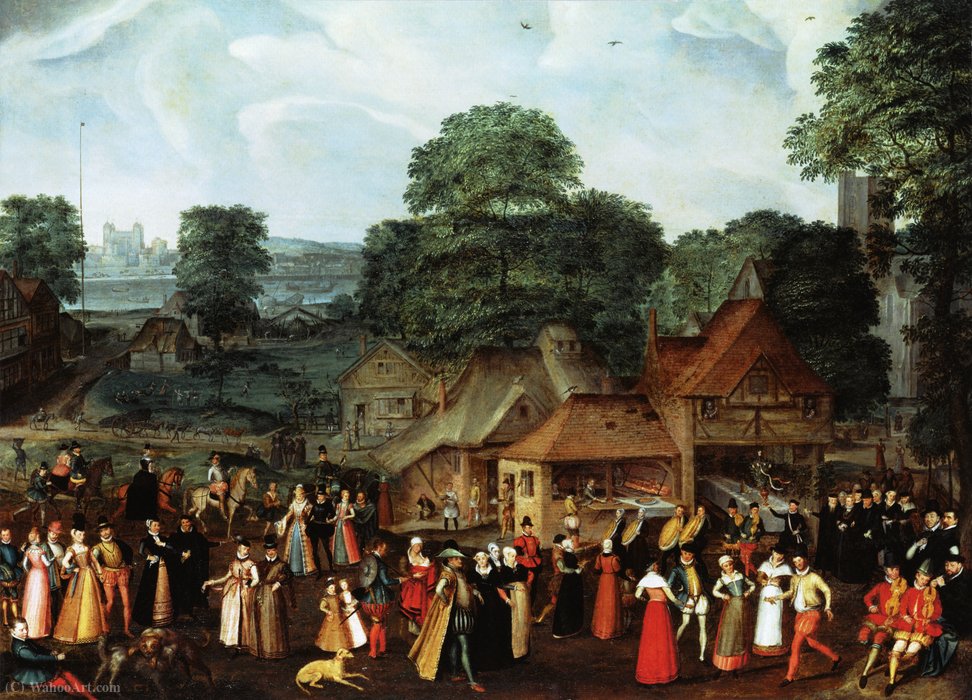
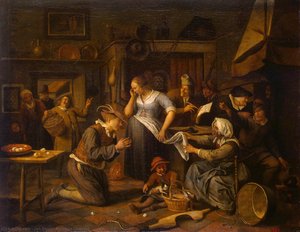
A Fête at Bermondsey or A Marriage Feast at Bermondsey.
 詳細を見る
詳細を見る




































作品のオリジナル比率に合わせた、当店の規定サイズからお選びください。

特定のフレームやスペースに合わせて、ご希望のサイズをご入力いただけます。選択されたサイズが元の画像の比率と異なる場合、アートワークをトリミングするか、手描きで要素を追加して絵画を拡張いたします。デジタルモックアップ を制作し、制作開始前にご確認(承認)をいただきます。
画面上のプレビューは、実際のトリミングや拡張を正確に反映しているものではありません。最終的な構図は、モックアップによってのみ正確にご確認いただけます。
カスタムサイズもご利用いただけますが、元の比率を維持するためには、あらかじめ用意されたリストからサイズを選択することをお勧めいたします。
ご注文後、ArtsDot.com チームより詳細な指示をお送りするとともに、仕上がりイメージ(モックアップ)をご提供いたします。


 ガラスオプションは、110cm未満のサイズでのみご利用いただけます。

A Fête at Bermondsey or A Marriage Feast at Bermondsey.
複製技法
複製画のサイズ
-


合計金額
$ 263
関連作品
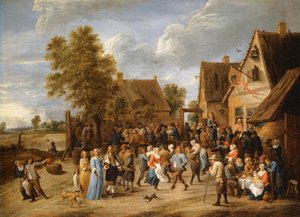
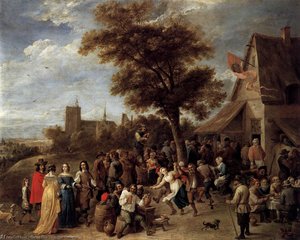
アーティストの略歴
Joris Hoefnagel: A Pioneer of Naturalism and Manuscript Illumination
Joris Hoefnagel, born in Antwerp around 1542 and tragically dying in Vienna in 1601, stands as a pivotal figure bridging the late Renaissance and the burgeoning Baroque periods. More than simply a painter, he was a master illuminator, a meticulous draftsman, and a keen observer of nature – a confluence of skills that cemented his legacy as one of the most influential artists of his time. His work, often characterized by an almost scientific precision combined with a captivating sense of beauty, profoundly impacted the development of both botanical illustration and topographical drawing, leaving an indelible mark on generations of European artists.
Hoefnagel’s early life remains somewhat shrouded in mystery, though we know he was the son of Jacob Hoefnagel, a successful diamond dealer and tapestry merchant. This privileged upbringing afforded him a comprehensive education, including fluency in several languages and an appreciation for the arts – a foundation that would prove crucial to his future career. While speculation persists regarding his formal training, most scholars believe he received instruction from Hans Bol, a prominent Flemish painter active in Antwerp during the 1570s. This apprenticeship likely introduced him to the intricacies of miniature painting, a skill that would become central to his artistic practice.
The Travels and Transformations
Hoefnagel’s career unfolded across Europe, shaped by both professional opportunities and turbulent political times. He spent time in France from 1560 to 1563, likely honing his skills and expanding his network of contacts before returning to Antwerp and then venturing into Spain between 1563 and 1567. These periods were marked by religious upheaval and artistic censorship, experiences that undoubtedly influenced the themes and styles he explored. His travels to Italy, particularly Venice, proved transformative, exposing him to the innovations of Renaissance masters like Titian and fostering a deeper appreciation for color and composition.
A significant turning point in Hoefnagel’s career arrived with his arrival in England in 1532, invited by Thomas More. He quickly established himself as a sought-after artist, producing portraits for the humanist scholar and capturing the grandeur of More's household. This association with More marked the beginning of a long and fruitful relationship with the English court, culminating in commissions from Henry VIII and Anne Boleyn. His work during this period showcased his remarkable draftsmanship and his ability to render intricate details with astonishing accuracy – qualities that would become hallmarks of his style.
A Master of Detail: Natural History and Topographical Drawing
Hoefnagel’s artistic reputation rests largely on his extraordinary illustrations of natural history subjects. Unlike earlier depictions, which often prioritized symbolic meaning over realistic representation, Hoefnagel approached botanical studies with a meticulousness bordering on scientific observation. His detailed renderings of flowers, insects, and animals – exemplified by works like “The Insects” and “The Flowers” – are not merely decorative; they represent a significant advance in the field of natural history illustration. These images were far more than pretty pictures; they served as valuable reference materials for scholars and physicians.
Furthermore, Hoefnagel’s contributions to topographical drawing were equally groundbreaking. He produced remarkably accurate depictions of cityscapes, landscapes, and architectural details – works that anticipated the rise of landscape painting as a distinct genre. His meticulous attention to perspective and his ability to capture the nuances of light and shadow demonstrated a mastery of technique rarely seen in his contemporaries. These drawings weren’t simply records of places; they were imbued with a sense of atmosphere and observation, reflecting Hoefnagel's keen eye for detail.
Legacy and Influence
Joris Hoefnagel’s impact on the course of art history is undeniable. His meticulous draftsmanship and his pioneering approach to natural history illustration profoundly influenced a generation of artists, including Rembrandt, Rubens, and later, botanical illustrators like Jan van Dijck. He essentially laid the groundwork for the development of scientific illustration as a distinct field, demonstrating the potential for artistic representation to serve both aesthetic and practical purposes.
Beyond his technical achievements, Hoefnagel’s work embodies a unique synthesis of humanist ideals, Renaissance aesthetics, and burgeoning scientific inquiry. His legacy endures not only in the surviving images themselves but also as a testament to the power of observation, precision, and artistic vision – qualities that continue to inspire artists and scholars today.
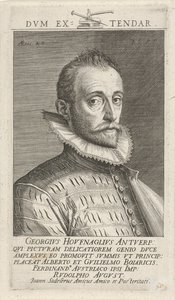
joris hoefnagel (georg hoefnagel)
1542 - 1601 , Belgium
基本情報
- Artistic Movement Or Style: Miniaturist, draughtsman
- Artists Or Movements Influenced By This Artist: ['Netherlandish painters']
- Artists Who Influenced This Artist: ['Hans Holbein the Younger']
- Date Of Birth: 1542
- Date Of Death: 1601
- Full Name: Joris Hoefnagel
- Nationality: Flemish
- Notable Artworks:
- The Ambassadors
- Floral Still Lifes
- Place Of Birth: Antwerp, Belgium

