


 プレビュー
プレビュー
 シェアする
シェアする シェアする
シェアする
 詳細を見る
詳細を見る

 ダウンロード
 似ている作品
 X線調査
X線調査 スライドショー
 統計情報
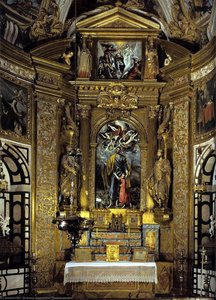
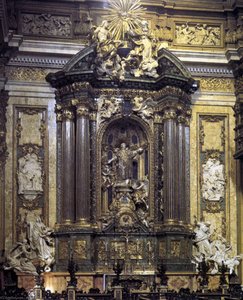
統計情報Main Altar


 詳細を見る
詳細を見る
オンラインプレビューをはるかに凌ぐ、高解像度で鮮明なデジタル画像をご購入いただけます。
各ファイルは、社内の専門家が高度なツールと熟練した手作業によるレタッチを用いて、細心の注意を払って準備されています。すべての画像において、卓越した鮮明度、正確な色彩再現性、そして繊細なディテールを保証いたします。
最終ファイルは、プロフェッショナルな編集・印刷環境ですぐにご利用いただけるよう最適化された状態で、72時間以内にメールにてお届けいたします。これは、一流のデザインスタジオ、出版社、ギャラリーから信頼されているものと同等の品質です。
デジタルアート
個人での鑑賞、印刷、クリエイティブなプロジェクト用に、高解像度ファイルをダウンロードできます。 ( プリント版に切り替え 手描きの絵画を購入)
デジタル画像のご注文に付随する特典
高品質なデジタル画像配信を、確かな品質で。
ArtsDot.com を選ぶことは、単に画像を手に入れることではありません。それは、プロの手によって精密に仕上げられ、満足保証が付いた高品質なデジタルアートワークを受け取ることを意味します。ご注文いただいた際に自動的に付随する内容は、以下の通りです:

メールですぐにお届け
ご注文から72時間以内に、高解像度のデジタル画像ファイルがメールでお手元に届きます。すぐにそのままご利用いただけます。

AI技術で最適化されたデジタルファイル
お客様の作品は、高度なAIツールと専門家による手作業の編集を組み合わせてプロフェッショナルに最適化されており、細部のディテール、鮮明さ、そして正確な色再現性を最大限に引き出しています。

一生涯無料の再送サービス
ファイルを誤って削除したり、紛失してしまったりしましたか?ご安心ください。いつでも無料で再送いたします。

輸入手数料は一切かかりません
関税や手数料、配送料を気にすることなく、お気に入りのアートワークをすぐにお楽しみいただけます。デジタルダウンロードは常に免税です。

色彩再現の保証
プロ仕様のツールとカラーマネジメント技術を用いることで、デジタル画像が元の色を最大限に忠実に再現することを保証いたします。

100日間満足保証
ご購入いただいたデジタル画像にご満足いただけない場合は、100日以内であれば、理由を問わず修正または100%の返金対応をさせていただきます。

100% 返金保証
ご満足いただけない場合は、デジタルファイルを受け取ってから100日以内であれば、理由を問わず全額返金いたします。

まとめ買い割引
3枚購入で10%OFF - 5枚購入で15%OFF - 10枚以上購入で20%OFF。クリエイティブなプロジェクト、ギャラリー、エージェンシーに最適です。
関連作品








作家の略歴
The Architect of Excess: José Benito Churriguera and the Spanish Baroque
José Benito de Churriguera, born in Madrid in 1665, stands as a towering – and arguably overwhelming – figure in the history of Spanish art. He wasn’t merely an architect; he was a sculptor, urban planner, and the embodiment of a particular aesthetic sensibility that would come to define a period: the Churrigueresque. His name became synonymous with a style characterized by exuberant ornamentation, dramatic flourishes, and a relentless pursuit of visual impact. To understand Churriguera is to understand a Spain grappling with religious fervor, national pride, and a desire for artistic expression that bordered on the theatrical. He was born into a family deeply entrenched in the decorative arts; his father, Josep Simó Xoriguera i Elies, was a Catalan cabinetmaker, gilder, and altarpiece joiner who instilled in his sons – José Benito, Joaquín, and Alberto – a mastery of materials and an appreciation for intricate detail. This familial workshop served as the crucible where the foundations of the Churrigueresque were forged.From Workshop to Monumentality: The Development of a Style
Churriguera’s early training focused on the practical skills necessary for creating elaborate altarpieces and church furnishings. However, he quickly surpassed his father's expertise, demonstrating an ambition that extended beyond mere craftsmanship. He sought to integrate sculpture, painting, and architecture into cohesive, emotionally charged environments. The initial stages of his development saw a gradual escalation in complexity. Early works display a Baroque sensibility – dynamic compositions, strong contrasts of light and shadow – but lack the extreme density of detail that would later become his hallmark. It was through projects like the retablo for the church of San Esteban in Salamanca (completed around 1708) that Churriguera began to articulate his unique vision. This altarpiece, with its swirling forms, gilded surfaces, and profusion of figures, served as a manifesto for the new style. The term “Churrigueresque” itself, initially used pejoratively, acknowledged the family’s influence but also hinted at an excess that some found unsettling. However, Churriguera embraced this perceived extravagance, pushing the boundaries of ornamentation to unprecedented levels. He wasn't simply decorating spaces; he was transforming them into immersive spectacles designed to inspire awe and devotion.The Essence of Churrigueresque: A Visual Language
What precisely defines the Churrigueresque style? It’s a question that has occupied art historians for centuries. At its core, it's characterized by an horror vacui – a fear of empty space. Every surface is covered with elaborate carvings, twisting columns, and dynamic sculptures. Motifs often include shells, foliage, fruit, and fantastical creatures, all rendered with meticulous detail. The style also draws heavily on classical elements, but these are rarely used in a restrained manner; instead, they are distorted, exaggerated, and integrated into the overall decorative scheme. The influence of Moorish architecture is undeniable, particularly in the use of intricate geometric patterns and stucco work. Churriguera’s mastery of light and shadow played a crucial role in enhancing the dramatic effect of his designs. He strategically placed windows and openings to create striking contrasts, highlighting certain elements while obscuring others. The overall impression is one of overwhelming richness and complexity – a deliberate attempt to stimulate the senses and evoke a sense of spiritual transcendence.Major Achievements and Lasting Legacy
While Churriguera worked on numerous projects throughout Spain, several stand out as particularly significant examples of his style. The Plaza Mayor in Salamanca (remodelled 1733-1755 with his brother Alberto) is perhaps his most famous achievement – a grand urban space framed by ornate facades and sculptural details. Other notable works include the church of San Marcos in León, where he transformed a former hospital into a stunning Baroque sanctuary, and the retablo for the church of Santo Tomás in Madrid. His influence extended beyond architecture and sculpture; he also designed furniture, carriages, and even theatrical sets, demonstrating his versatility as an artist. Churriguera’s work wasn't without its critics. Some found his style overly ostentatious and distracting, arguing that it detracted from the religious experience. However, his designs proved immensely popular, inspiring a generation of artists to emulate his approach. The Churrigueresque became synonymous with Spanish Baroque art, shaping the aesthetic landscape of the 18th century.Historical Significance: A Reflection of its Time
José Benito Churriguera died in Madrid in 1725, leaving behind a legacy that continues to fascinate and inspire. His work reflects the complex social and religious climate of his time – a period marked by both fervent piety and growing secularism. The Churrigueresque style can be seen as an attempt to reaffirm the power of the Catholic Church in the face of Enlightenment ideals.- The elaborate ornamentation served as a visual expression of faith, designed to overwhelm the senses and inspire devotion.
- His designs also reflected the national pride of Spain, drawing on both classical traditions and Moorish influences.
- Ultimately, Churriguera’s work represents a unique synthesis of artistic styles – a testament to his creativity and ambition.

josé benito churriguera
1665 - 1725 , Spain
プロフィール概要
- Artistic Movement Or Style: Churrigueresque Baroque
- Artists Or Movements Influenced By This Artist: ['Spanish Baroque']
- Artists Who Influenced This Artist: ['Josep Simó Xoriguera']
- Date Of Birth: 1665
- Date Of Death: 1725
- Full Name: José Benito Churriguera
- Nationality: Spanish
- Notable Artworks: ['']
- Place Of Birth: Madrid, Spain